
 EN
EN
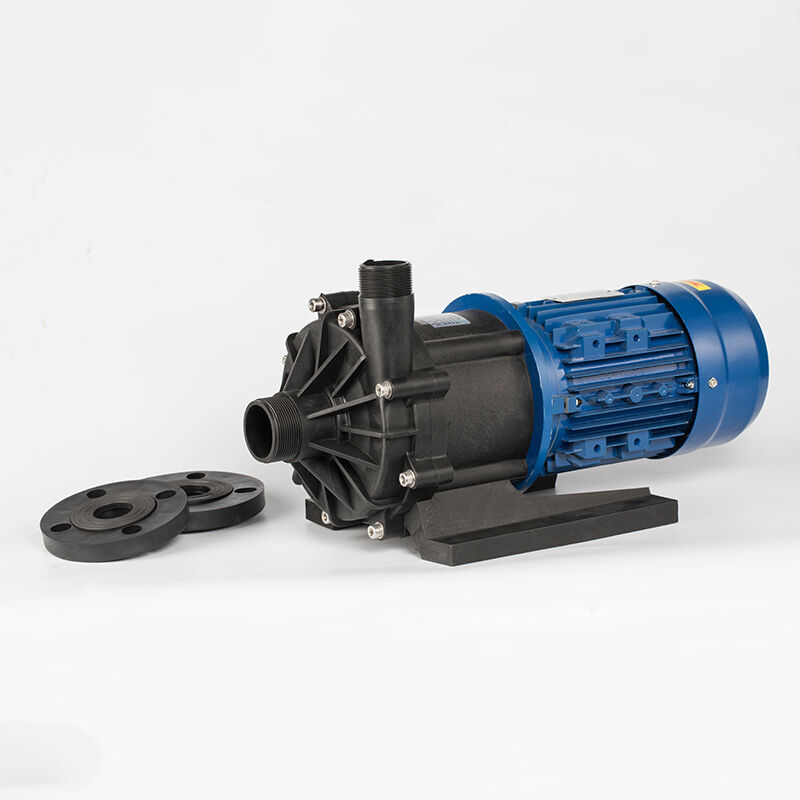
Introduction: The Vulnerability of SCR Systems in Extreme Environments
Selective Catalytic Reduction (SCR) systems are a critical component of modern diesel engines, responsible for transforming harmful nitrogen oxides (NOx) into harmless water and nitrogen. At the heart of this system is the urea pump, a precision device that must deliver Diesel Exhaust Fluid (DEF)—commonly known as AdBlue—under consistent pressure. However, while SCR technology is highly effective in controlled environments, it faces significant challenges when deployed in "harsh" operating conditions.
Whether it is a heavy-duty truck traversing the sub-zero temperatures of an Arctic logistics route, a mining excavator operating in the scorching, dust-filled atmosphere of a desert, or a maritime vessel exposed to salt spray and constant vibration, the urea pump is often the first component to fail. For fleet managers and maintenance supervisors, understanding how to optimize pump performance in these extremes is essential to preventing "limp mode" engine derating and avoiding costly downtime. This article provides a technical guide to surviving and thriving in the world's toughest operating environments.
The Chemistry of Failure: Why Urea is Difficult in Extreme Conditions
To optimize a pump, one must first understand the fluid it carries. Urea (AdBlue) is a stable solution of 32.5% high-purity urea and 67.5% deionized water, but it is highly sensitive to physical changes:
- The Freezing Point: AdBlue begins to freeze at -11°C (12.2°F). When it freezes, it expands by approximately 7%, which can crack pump housings, pipes, and connectors if the system is not designed to accommodate this expansion.
- Thermal Decomposition: If AdBlue is exposed to temperatures above 30°C (86°F) for extended periods, it begins to decompose, releasing ammonia and losing its effectiveness. More critically, high heat accelerates the evaporation of the water content, leading to the formation of urea crystals.
- Crystallization: These white, rock-hard crystals act like sand inside the pump. They can jam the impeller, clog the injector nozzle, and tear through delicate elastomer seals.
Thermal Management Strategies: Heaters, Insulators, and Purge Cycles
Optimizing performance starts with controlling the temperature of the fluid loop.
1. Integrated Heating: High-quality urea pumps from Haoquan are often equipped with integrated PTC (Positive Temperature Coefficient) heaters. These heaters provide self-regulating warmth to the pump head, ensuring the fluid stays liquid even when the vehicle is parked overnight in freezing temperatures.
2. The Reverse-Purge Cycle: This is a "must-have" software feature for any urea pump operating in cold climates. When the engine is turned off, the pump should automatically reverse its direction for several seconds to suck all the fluid out of the delivery lines and back into the insulated storage tank. This leaves the "vulnerable" parts of the system empty and safe from freeze-expansion.
3. Heat Shielding: In high-heat environments (like near an engine block), the pump should be protected by a reflective thermal shield. Proper airflow management is also critical—mounting the pump in a location that receives "clean" cooling air can extend seal life by up to 50%.
Performance Optimization Matrix: Harsh Environment Survival
Challenge |
Impact on System |
Optimization Strategy |
Extreme Cold (-11°C to -40°C) |
Cracked housing / blocked lines |
Reverse-purge + Integrated PTC heaters |
Scorching Heat (40°C) |
Fluid decomposition / seal wear |
Heat shielding + Remote mounting |
High Dust / Mining / Desert |
Abrasive wear on internal parts |
Multi-stage filtration (10-micron primary) |
High Vibration / Off-Road |
Mechanical fatigue / Loose fittings |
Dampened mounting + Flexible DEF lines |
Salt Spray / Marine |
External corrosion of connectors |
SS316 construction + Sealed electronics |
Intermittent Operation |
Internal crystallization |
Daily system flush / "Active" tank agitation |
Combatting Contamination: Advanced Filtration for Dust and Debris
In industries like construction and mining, dust is the primary enemy of the urea pump. A single grain of sand can ruin a precision-machined pump piston.
- Closed-Loop Refilling: Never refill a DEF tank using open funnels or buckets in a dusty environment. Use dedicated, sealed "dry-break" couplings to ensure that no ambient dust enters the tank.
- High-Efficiency Breathers: As the pump draws fluid out of the tank, air must enter to prevent a vacuum. Ensure the tank breather is equipped with a high-quality desiccant or particulate filter to "scrub" the incoming air of dust and moisture.
- Secondary Filtration: Install a secondary, serviceable filter immediately before the pump inlet. This acts as a "last line of defense" for the pump’s internal valves.
Mechanical Integrity: Vibration Damping and Material Selection
A pump might be chemically resistant, but can it survive 10,000 hours of constant vibration on a gravel road?
- Anti-Vibration Mounts: Use rubber-isolated mounting brackets to decouple the pump from the vehicle's chassis. This prevents the high-frequency vibrations of the engine from causing fatigue in the pump's internal electronics and motor bearings.
- Flexible Piping: Never use rigid metal pipes to connect the pump to the tank or the injector. Use EPDM-reinforced flexible hoses that can absorb the relative movement between components without leaking.
- Material Choice: Ensure the pump housing is made from a reinforced composite or high-grade stainless steel that doesn't become brittle in the cold. Haoquan’s urea pumps use advanced glass-fiber reinforced polymers that offer exceptional impact resistance.
Preventive Maintenance Protocols for Fleet Survival
Optimization is an ongoing process, not a one-time setup.
1. Weekly "White Spot" Check: Train drivers and technicians to look for white, powdery residue around the pump and lines. This is the first sign of a leak. Catching it early prevents the leak from turning into a full-system blockage.
2. Quality Monitoring: Use a refractometer to check the urea concentration of every new batch of fluid. Poor quality "counterfeit" urea is a major cause of pump failure in emerging markets.
3. Annual System Rejuvenation: Once a year, flush the entire SCR system with warm, deionized water. This dissolves any minor crystal buildup that the standard purge cycle might have missed, restoring the pump to its original efficiency.
Conclusion: Engineering for Resilience
Optimizing a urea pump for harsh conditions is about more than just buying a "tough" product; it is about creating a resilient ecosystem that protects the fluid and the hardware alike. By implementing smart thermal management, robust filtration, and disciplined maintenance, fleet managers can ensure their SCR systems remain a reliable asset rather than a liability.
Haoquan Pump specializes in manufacturing urea pumps designed specifically for the world's most demanding environments. Our products are tested to withstand extreme thermal cycling, intense vibration, and corrosive atmospheres.
Does your fleet operate in tough conditions? Visit [www.cnhqpump.com](http://www.cnhqpump.com) to see our heavy-duty urea pump range or contact our technical consultants today for a customized fleet maintenance plan. Keep your engines running clean, no matter where the road leads.
Table of Contents
- Introduction: The Vulnerability of SCR Systems in Extreme Environments
- The Chemistry of Failure: Why Urea is Difficult in Extreme Conditions
- Thermal Management Strategies: Heaters, Insulators, and Purge Cycles
- Performance Optimization Matrix: Harsh Environment Survival
- Combatting Contamination: Advanced Filtration for Dust and Debris
- Mechanical Integrity: Vibration Damping and Material Selection
- Preventive Maintenance Protocols for Fleet Survival
- Conclusion: Engineering for Resilience