
 EN
EN
Introduction: The Demanding Fluid Dynamics of Textile Manufacturing
The textile industry is one of the most resource-intensive and chemically complex manufacturing sectors globally. From the initial scouring and bleaching of raw fibers to the intricate processes of dyeing, printing, and final finishing, the movement and management of fluids are at the core of every production stage. In a modern textile mill, pumps are not just peripheral equipment; they are the "circulatory system" that determines the quality of the final fabric and the efficiency of the entire plant.
Operating in a textile environment presents unique challenges. Pumps must handle a diverse array of fluids—ranging from highly corrosive acids and alkalis used in bleaching to thick, abrasive pigment slurries used in printing. Furthermore, these fluids are often transported at elevated temperatures and varying pressures. Failure of a single pump can lead to "off-shade" dyeing, fabric damage, and significant economic losses. This article explores the specialized pumping solutions required for the textile dyeing and finishing industry.
The Crucial Role of Magnetic Drive Pumps in Modern Dyeing
Dyeing is perhaps the most critical stage in textile production. Whether it is batch dyeing in jet machines or continuous dyeing on padding mangles, the uniform distribution of dye liquor is essential for color consistency. Traditionally, mechanical seal pumps were used, but these frequently suffered from leaks due to the abrasive nature of dye particulates and the corrosiveness of the chemicals.
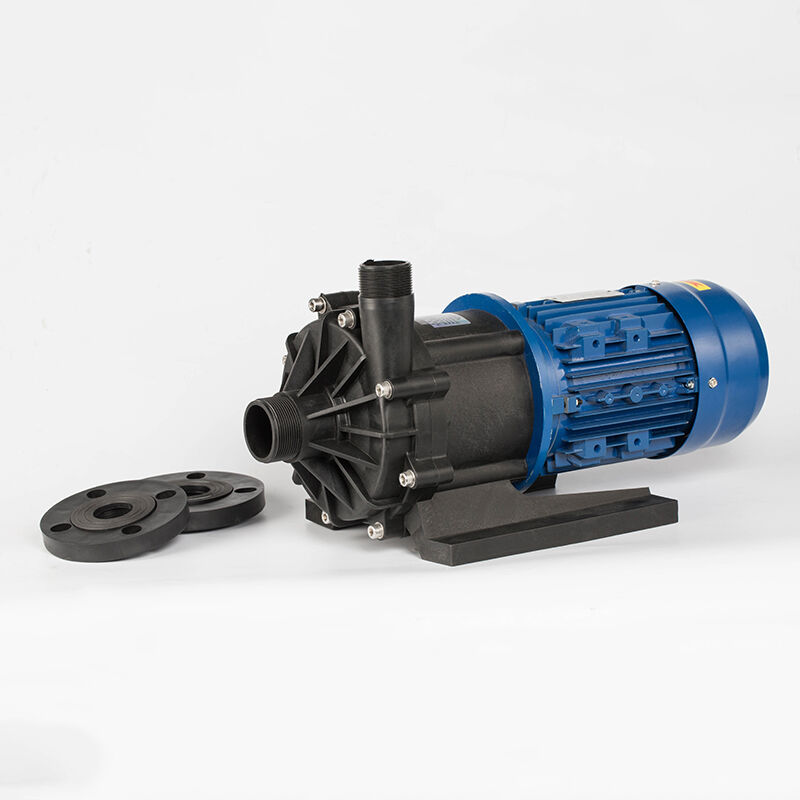
Magnetic Drive Pumps, such as those manufactured by Haoquan, have revolutionized this process. By utilizing a magnetic coupling to drive the impeller, these pumps eliminate the need for a mechanical shaft seal entirely.
- Leak-Free Operation: This is vital for protecting workers from hazardous chemicals and preventing expensive dye liquor from being wasted.
- High-Temperature Capability: Many dyeing processes occur at temperatures exceeding 90°C. Magnetic pumps with PVDF or ETFE linings can handle these temperatures while maintaining structural integrity.
- Purity: Since there is no seal flush or lubricant that can contaminate the fluid, the purity of the dye bath is guaranteed, reducing the risk of spotted or uneven fabric.
Handling Viscous Additives with Diaphragm Pumps
While magnetic pumps excel at circulating dye liquor, the finishing stage requires a different approach. Finishing involves applying various functional chemicals to the fabric—such as softeners, flame retardants, water repellents, and antimicrobial agents. Many of these chemicals are highly viscous or contain suspended solids.
For these applications, Pneumatic or Electric Diaphragm Pumps are the preferred choice.
- Shear Sensitivity: Some finishing agents can be damaged or "sheared" by high-speed impellers. Diaphragm pumps provide a gentle, positive-displacement action that preserves the chemical's properties.
- Slurry Handling: In textile printing, pigment slurries are often thick and abrasive. The rugged valves and diaphragms of these pumps can move these fluids without clogging or excessive wear.
- Self-Priming: The ability to draw fluid from drums or storage tanks at different heights makes diaphragm pumps versatile for various factory layouts.
Application Matrix: Pumping Equipment in Textile Processing
Processing Stage |
Critical Fluid |
Recommended Pump |
Key Requirement |
Scouring & Bleaching |
H2O2, NaOH, Detergents |
Chemical Magnetic Pump |
Extreme corrosion resistance |
Dyeing (Jet/Beam) |
Hot Dye Liquor |
High-Temp Magnetic Pump |
Seal-less, leak-free design |
Fabric Printing |
Pigment Pastes / Inks |
Diaphragm Pump |
Ability to handle high viscosity |
Finishing / Padding |
Softeners, Resins |
Bellows Dosing Pump |
High-precision additive dosing |
Wastewater Treatment |
Dye Effluent |
Self-Priming Centrifugal |
High volume, solids handling |
Sizing |
Starch / Size Solutions |
Progressive Cavity or Diaphragm |
Gentle handling of viscous fluids |
Overcoming Material Challenges: Corrosion and Abrasion
The lifespan of a pump in a textile mill is largely determined by its material composition. Common materials like cast iron or low-grade stainless steel will quickly fail when exposed to the bleaching agents and reactive dyes used in modern processing.
- Non-Metallic Solutions: Pumps made from reinforced polypropylene or PVDF offer the best resistance to the wide pH range (from highly acidic to highly alkaline) found in textile plants.
- Hardened Components: For printing applications where abrasive particles are present, using ceramic or silicon carbide internal components can extend the time between maintenance cycles by up to 300%.
Energy Efficiency and the "Green" Textile Factory
Sustainability is no longer optional in the textile industry. With rising energy costs and increasing pressure from global brands to reduce carbon footprints, energy-efficient pumping is a major focus.
1. Variable Frequency Drives (VFDs): By integrating VFDs with circulation pumps, factories can adjust flow rates based on the fabric load, saving up to 40% in electricity consumption.
2. High-Efficiency Motors: Haoquan’s micro brushless DC pumps provide high torque and flow with minimal power draw, making them ideal for smaller finishing machines and lab-scale equipment.
3. Optimized Hydraulics: Modern impeller designs reduce turbulence and internal friction, ensuring that more energy is used to move fluid rather than generating waste heat.
Maintenance Best Practices for Textile Pumping Systems
To ensure maximum uptime, textile plants should implement a proactive maintenance strategy:
- Regular Flushing: Always flush pumps with clean water after a dyeing cycle to prevent chemicals from drying and crystallizing inside the pump head.
- Vibration Monitoring: In high-speed circulation pumps, monitoring for unusual vibration can flag a failing bearing before it leads to a catastrophic pump seizure.
- Spare Parts Inventory: Always keep a set of diaphragms, O-rings, and check valves on-site. In the fast-paced textile market, a 24-hour delay in production can mean missing a shipping deadline.
Conclusion: Partnering for Performance
The textile industry’s move towards higher quality and greater sustainability requires a corresponding upgrade in fluid handling technology. By selecting the right combination of magnetic and diaphragm pumps, textile manufacturers can ensure consistent product quality, reduce chemical waste, and lower their overall operational costs.
Haoquan Pump is a trusted partner to the global textile industry, providing engineered pumping solutions that thrive in the toughest dyeing and finishing environments. Our commitment to "Quality, Brand, and Reputation" ensures that your production lines keep running at peak performance.
Ready to upgrade your textile processing line? Visit [www.cnhqpump.com](http://www.cnhqpump.com) to explore our industrial pump range or contact our technical sales team for a customized solution tailored to your plant's needs. Let's engineer a more efficient future together.
Table of Contents
- Introduction: The Demanding Fluid Dynamics of Textile Manufacturing
- The Crucial Role of Magnetic Drive Pumps in Modern Dyeing
- Handling Viscous Additives with Diaphragm Pumps
- Application Matrix: Pumping Equipment in Textile Processing
- Overcoming Material Challenges: Corrosion and Abrasion
- Energy Efficiency and the "Green" Textile Factory
- Maintenance Best Practices for Textile Pumping Systems
- Conclusion: Partnering for Performance