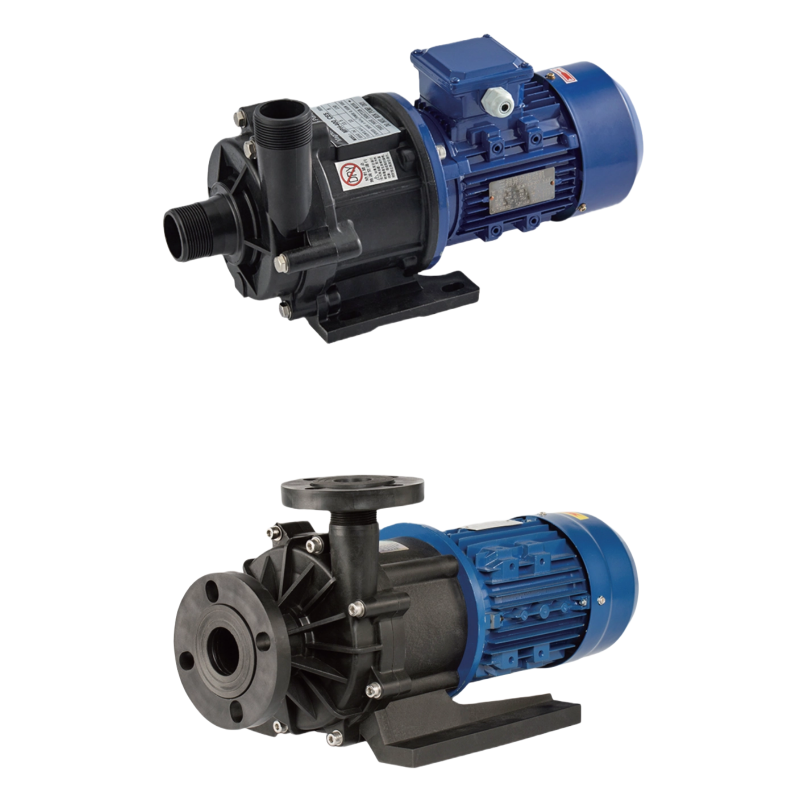
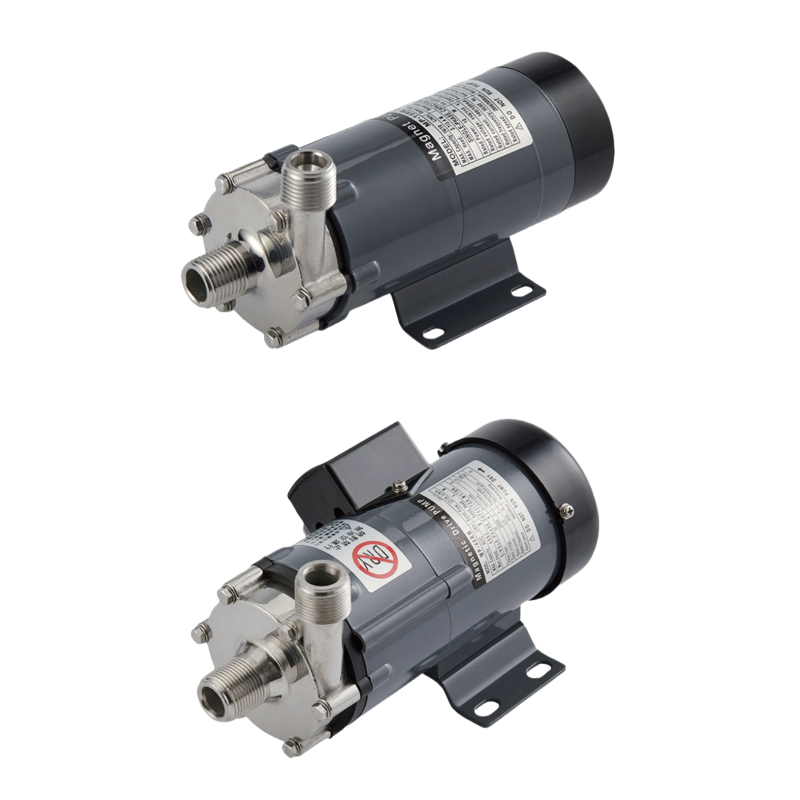
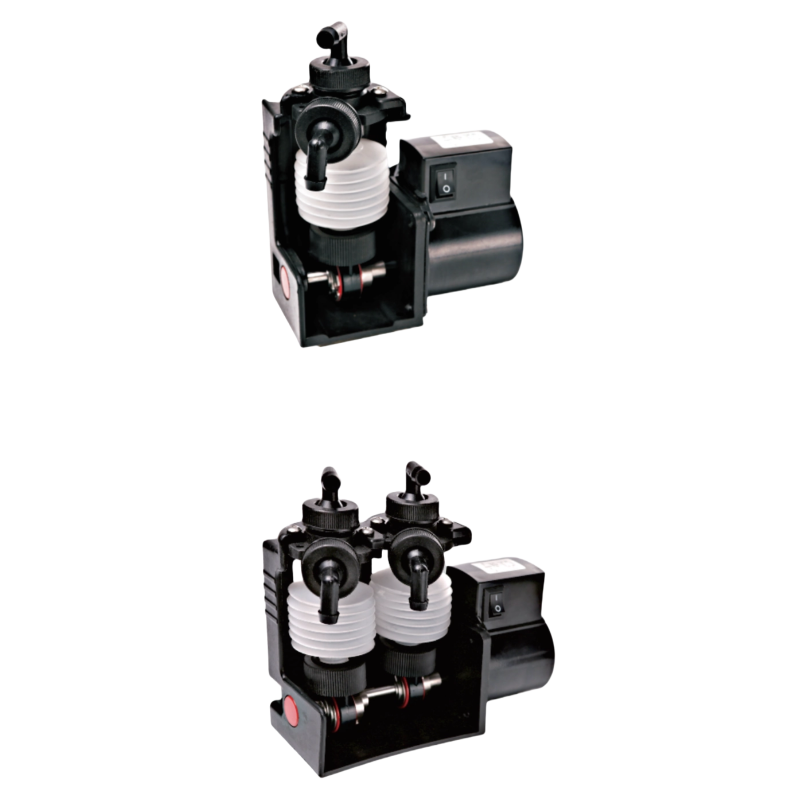
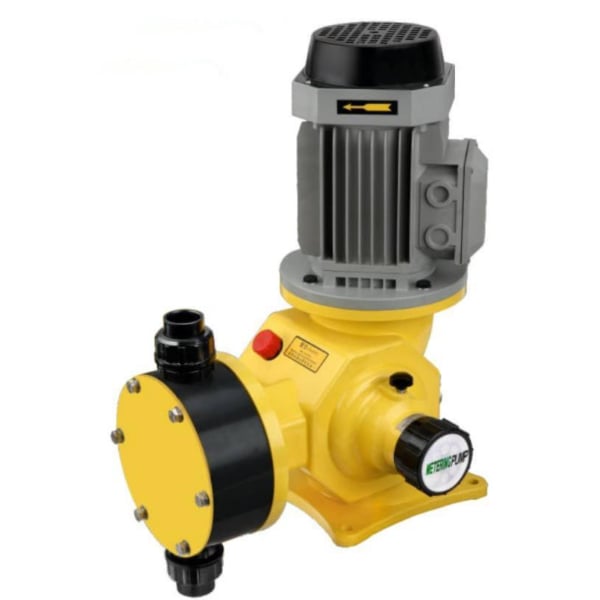
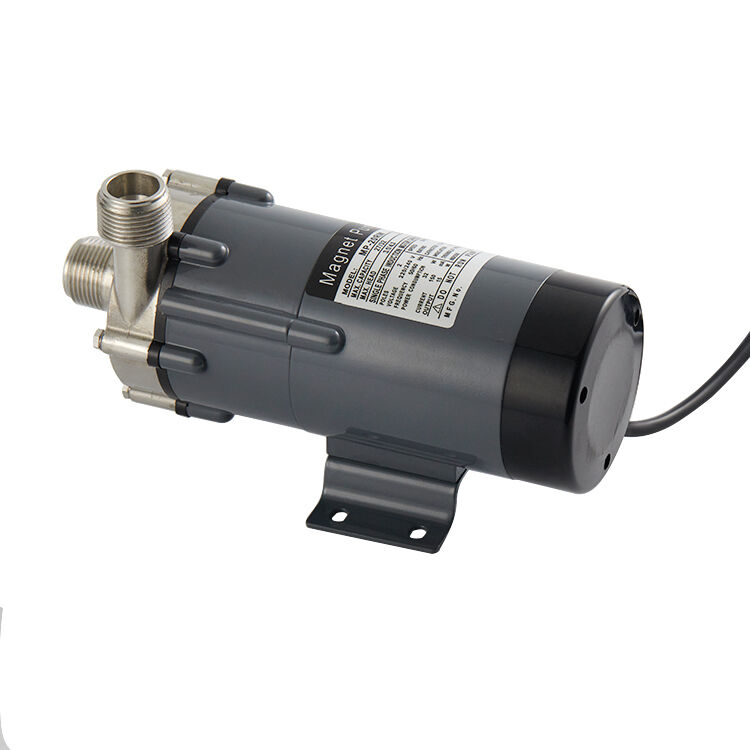
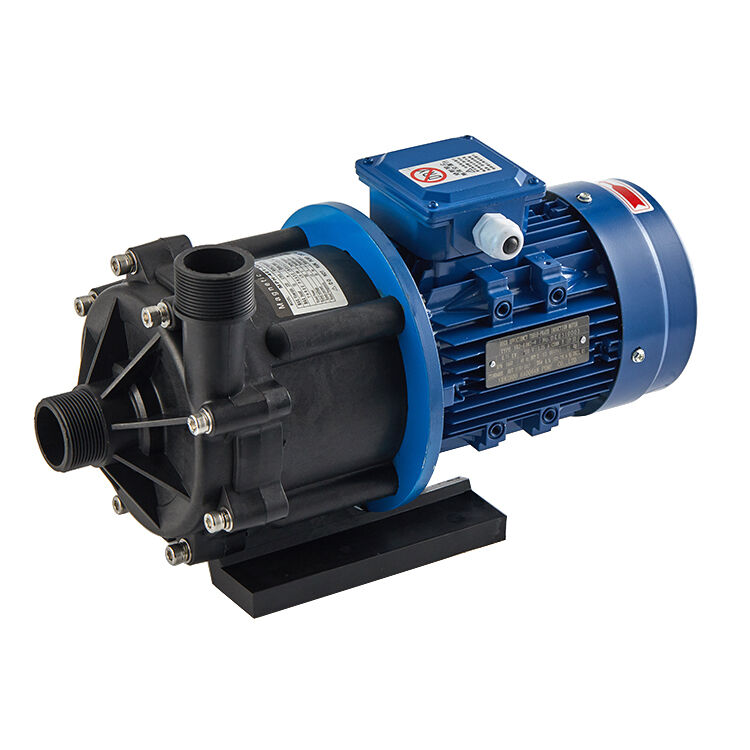
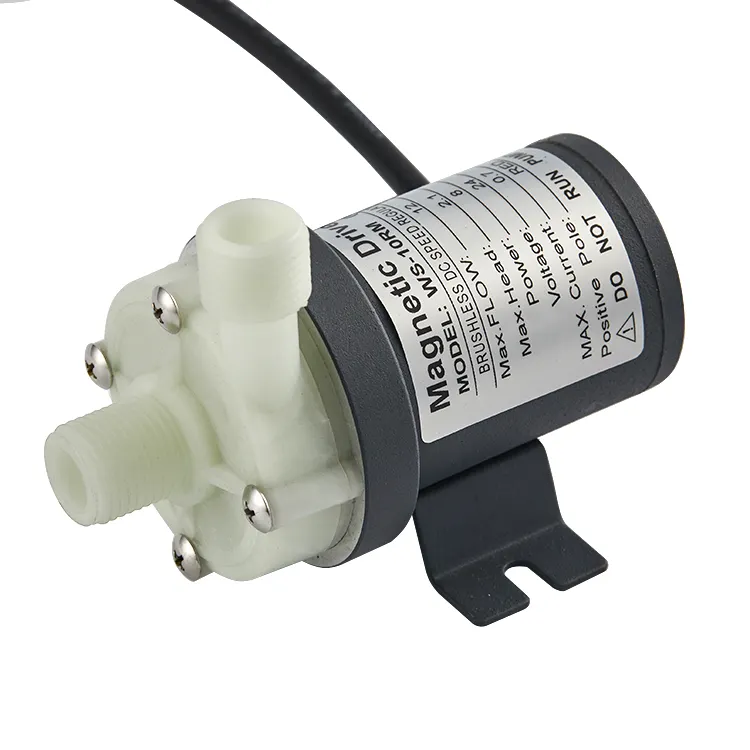
variable speed booster pump
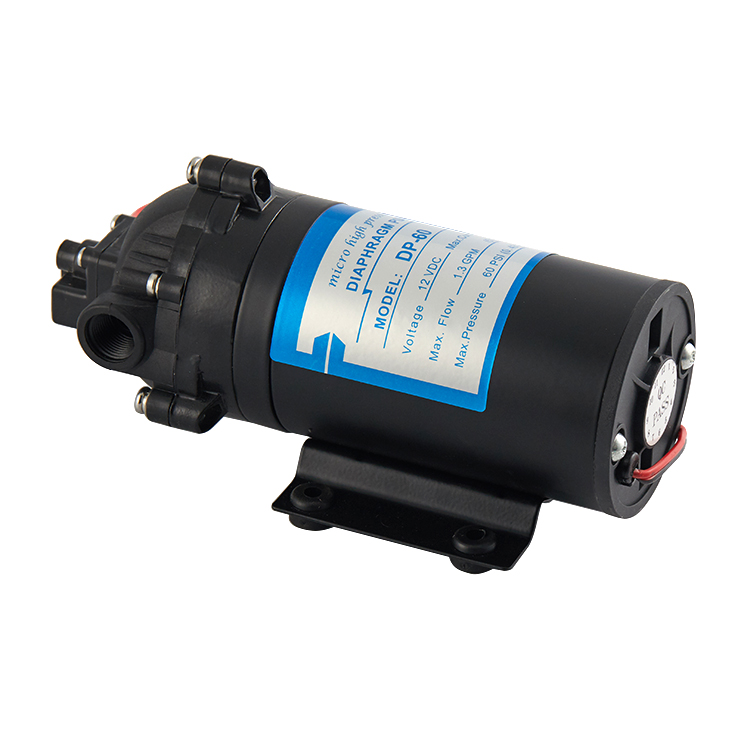
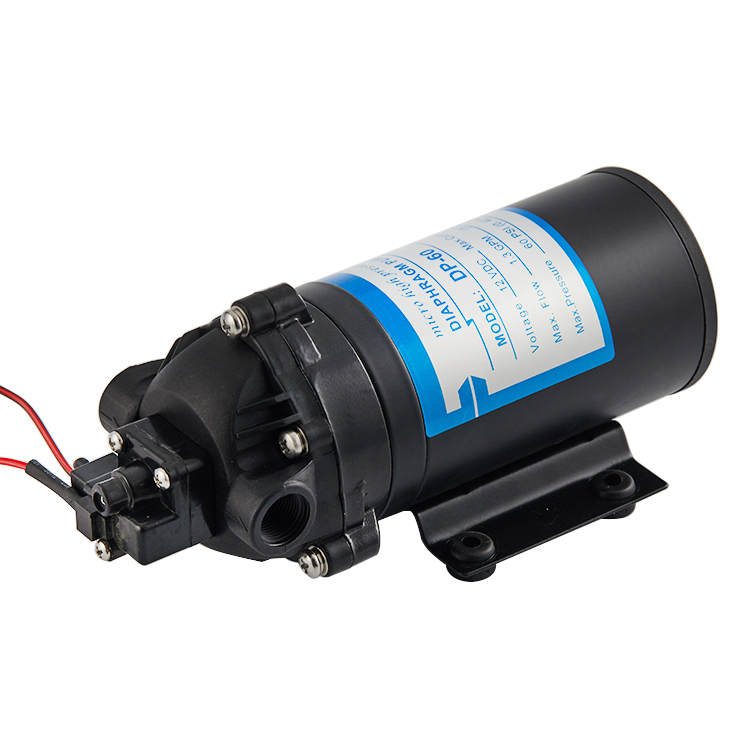
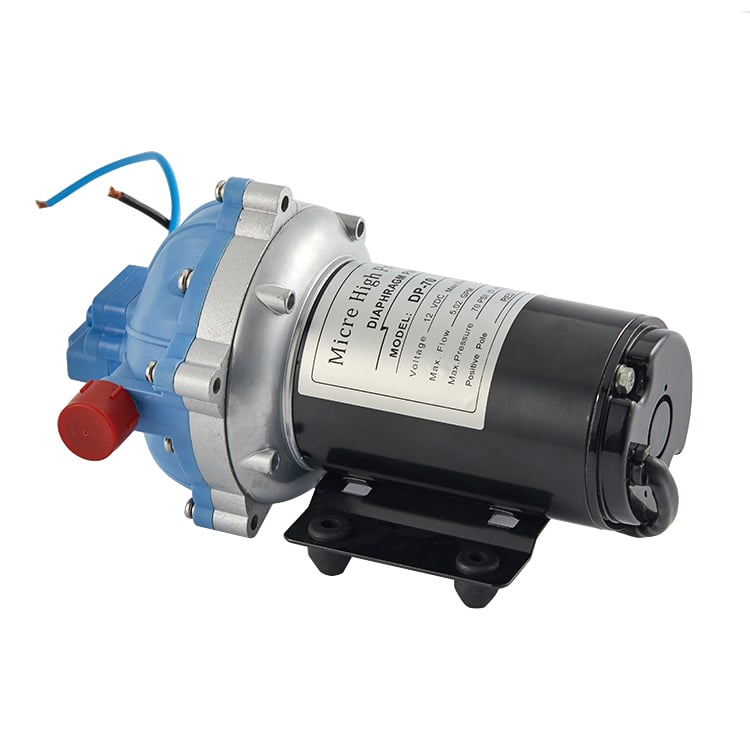
A variable speed booster pump represents an innovative solution designed to optimize water pressure and flow rate management across residential, commercial, and industrial applications. This advanced pumping system automatically adjusts its operational speed based on real-time demand, ensuring consistent water pressure throughout your plumbing network. The variable speed booster pump operates by detecting pressure fluctuations and modifying motor speed accordingly, eliminating the energy waste associated with traditional fixed-speed pumps. Key technological features include intelligent pressure sensors, variable frequency drives, and smart control systems that work seamlessly together. These components allow the variable speed booster pump to deliver precise pressure regulation while minimizing energy consumption significantly. The primary functions encompass boosting weak water pressure from municipal sources, maintaining stable pressure in high-rise buildings, supporting agricultural irrigation systems, and enhancing industrial process applications. By utilizing advanced inverter technology, the variable speed booster pump achieves superior performance efficiency compared to conventional alternatives. Applications span across multiple sectors including residential apartment complexes, commercial office buildings, agricultural farms, manufacturing facilities, and water treatment plants. The variable speed booster pump excels at adapting to fluctuating demand patterns, making it ideal for buildings with varying occupancy rates or seasonal usage changes. Installation compatibility extends to existing plumbing infrastructure without requiring extensive modifications. This intelligent pumping solution delivers consistent water availability while reducing operational costs, making it an attractive investment for property managers and facility operators seeking long-term reliability and efficiency improvements.

 EN
EN