
 EN
EN
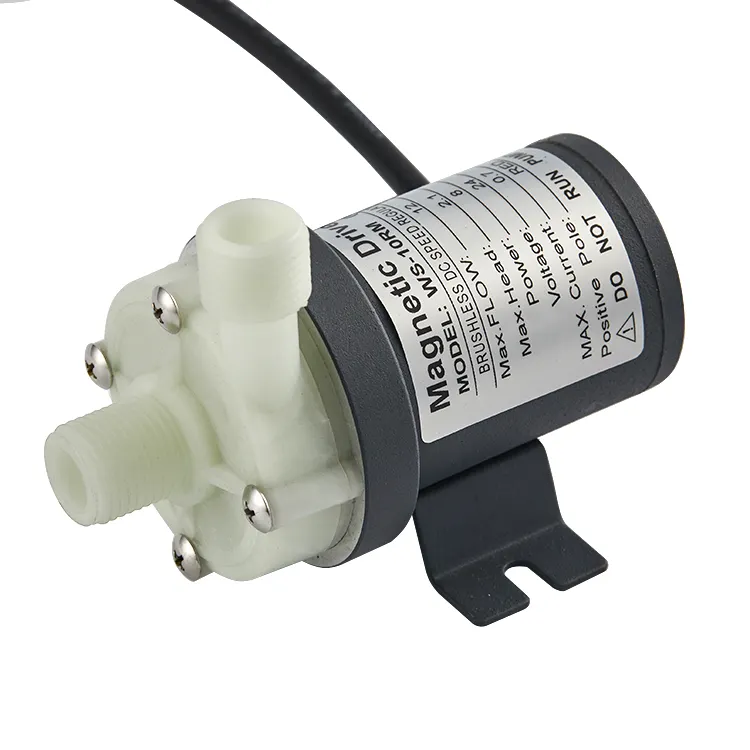
Magnetic drive pumps are often selected for one reason: eliminating the shaft seal removes the most common leak path in an industrial pump. But not every magnetic pump is built the same way, and selecting the wrong configuration for corrosive, high-purity, or explosive-risk applications can undermine the very safety and reliability benefits the technology is meant to provide. This guide explains what actually determines the right magnetic pump for these three demanding application types.
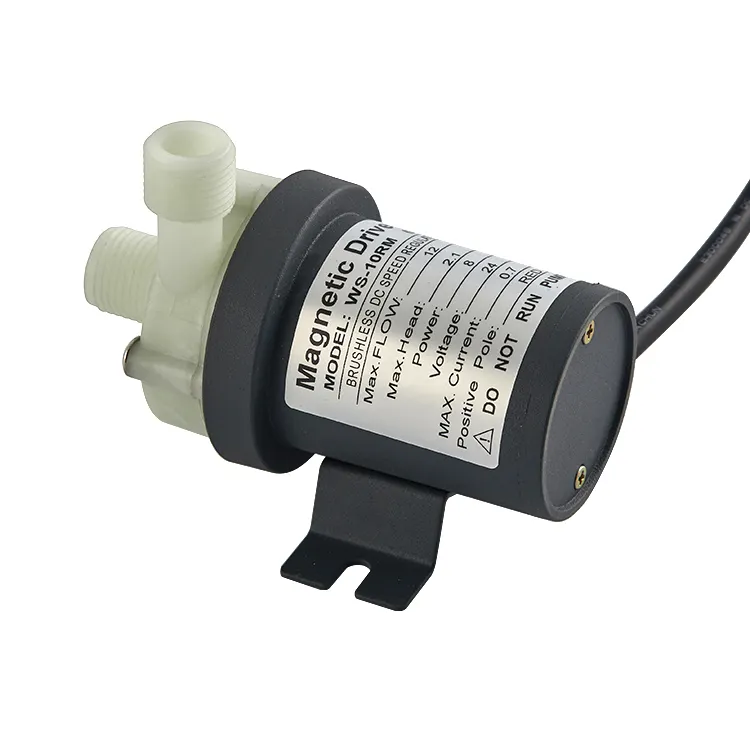
Why Magnetic Pumps Suit High-Risk Fluid Handling
A magnetic pump transmits rotational energy through two sets of magnets—one inside the sealed casing, one outside connected to the motor—without any shaft penetrating the containment boundary. Because there is no dynamic seal in contact with the fluid, there is no seal face wear and therefore no primary path for gradual leakage to develop over time.
This containment principle is why magnetic pumps are widely specified as the industrial pump of choice for corrosive chemicals, high-purity process fluids, and environments where flammable or explosive vapors make any leakage a serious safety concern. The absence of a shaft seal also removes a potential ignition source associated with seal friction, which matters directly in explosive atmosphere applications where equipment design must minimize any risk of sparking or localized heat buildup.
Matching Wetted Materials to Corrosive Chemicals
When handling corrosive chemicals, the wetted parts of the pump—casing, impeller, and containment shell—must resist chemical attack over the full range of concentrations and temperatures the fluid will reach in service. Standard metals corrode quickly when exposed to strong acids, alkalis, or oxidizing agents, which is why corrosive-duty magnetic pumps are typically constructed from fluoropolymer linings, high-performance thermoplastics, or specialized alloys selected specifically for the chemical in question.
Selecting the wrong wetted material does not just shorten pump life; it can lead to containment failure, which defeats the entire purpose of choosing a magnetic industrial pump in the first place. Chemical compatibility charts specific to concentration and temperature should be reviewed for every fluid, since resistance ratings can shift significantly outside standard reference conditions.
Maintaining Purity in High-Purity Fluid Applications
High-purity applications, such as those found in semiconductor processing or specialty chemical production, require more than leak-free containment. The pump's wetted materials must also avoid introducing contamination into the fluid stream, which rules out many standard metal components even when corrosion resistance would otherwise be acceptable. Smooth internal surfaces that minimize particle entrapment and materials that do not leach compounds into the fluid are essential considerations for this category.
The table below compares how the three application types—corrosive chemicals, high-purity fluids, and explosive environments—shape different priorities when selecting a magnetic pump.
| Application Type | Primary Risk | Key Selection Priority |
|---|---|---|
| Corrosive chemicals | Material degradation, containment failure | Chemical-resistant wetted materials |
| High-purity fluids | Contamination, particle entrapment | Smooth, non-leaching internal surfaces |
| Explosive environments | Ignition risk, vapor containment | Sealless design, certified motor and housing |
This comparison shows why a magnetic pump suited to one application type is not automatically correct for another, even though all three share the same core sealless principle.
Additional Considerations for Explosive Atmospheres
In explosive or hazardous atmosphere applications, selecting the right magnetic pump extends beyond the pump's internal design to include the motor and surrounding equipment. The sealless construction reduces one source of ignition risk, but the drive motor and electrical components must still meet the certification requirements applicable to the classified area in which the pump will operate. Buyers should confirm that the complete pump and motor assembly—not just the wetted end—carries appropriate certification for the specific hazard classification of the installation site.
Containment integrity also takes on added importance in these environments, since any breach that allows flammable vapor to escape undermines the safety advantage the magnetic design is meant to deliver. Regular inspection of the containment shell, even in a sealless pump, remains an important part of maintaining safe operation over the equipment's service life.
Bringing the Selection Criteria Together
Choosing the right magnetic pump for corrosive chemicals, high-purity fluids, or explosive environments requires looking beyond the general benefit of a sealless design and evaluating the specific risk each application presents. Corrosive service demands wetted materials matched to chemical concentration and temperature, high-purity applications demand contamination-free surfaces, and explosive environments demand certified motor and housing components alongside the sealless construction. An industrial pump selected without addressing these application-specific factors may still meet basic containment goals while falling short on chemical resistance, purity, or certification requirements.
Frequently Asked Questions
Does a magnetic pump eliminate all leak risk in corrosive service? It eliminates the primary seal-related leak path, but containment shell integrity and material compatibility must still be maintained to prevent failure from chemical attack.
Can the same magnetic pump be used for both high-purity and corrosive applications? Only if the wetted materials satisfy both requirements simultaneously; a pump optimized purely for corrosion resistance may not meet purity standards, and vice versa.
What certification should be checked for magnetic pumps in explosive environments? The complete pump and motor assembly should carry certification appropriate to the specific hazard classification of the installation area, not just the pump's internal construction.
Are magnetic pumps more expensive than mechanically sealed alternatives for these applications? Generally yes upfront, but the reduced leak risk and lower long-term maintenance demand often offset the higher initial cost in corrosive, high-purity, or explosive-risk service.