
 EN
EN
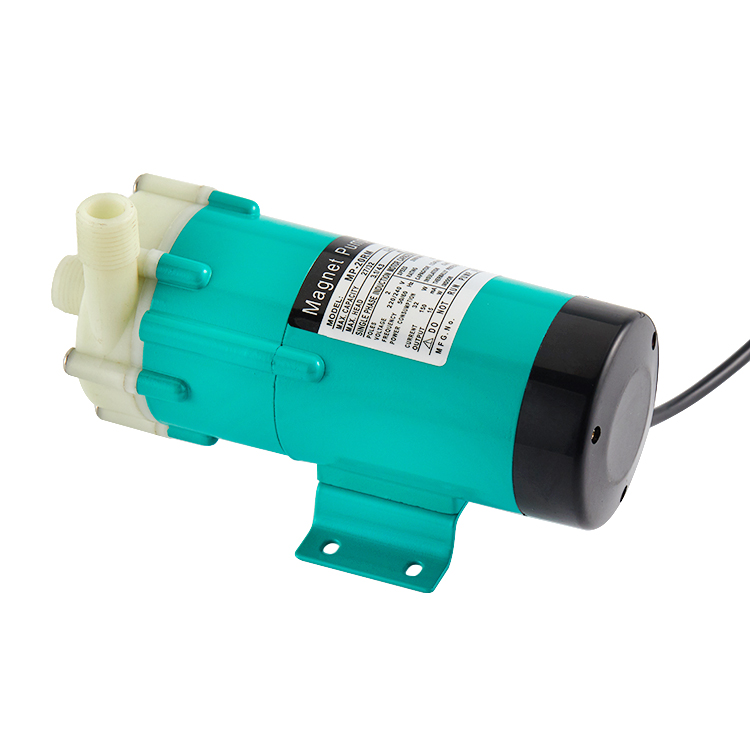
Magnet selection rarely gets the attention it deserves during a magnetic pump purchase, yet it directly affects how the pump performs under heat, chemical exposure, and demagnetization risk over its service life. Combined with dry run protection and flow rate considerations, magnet type is one of the core technical decisions buyers must get right. This guide breaks down what separates neodymium from samarium-cobalt magnets, why dry run protection matters, and how flow rate should be evaluated when specifying an industrial pump.
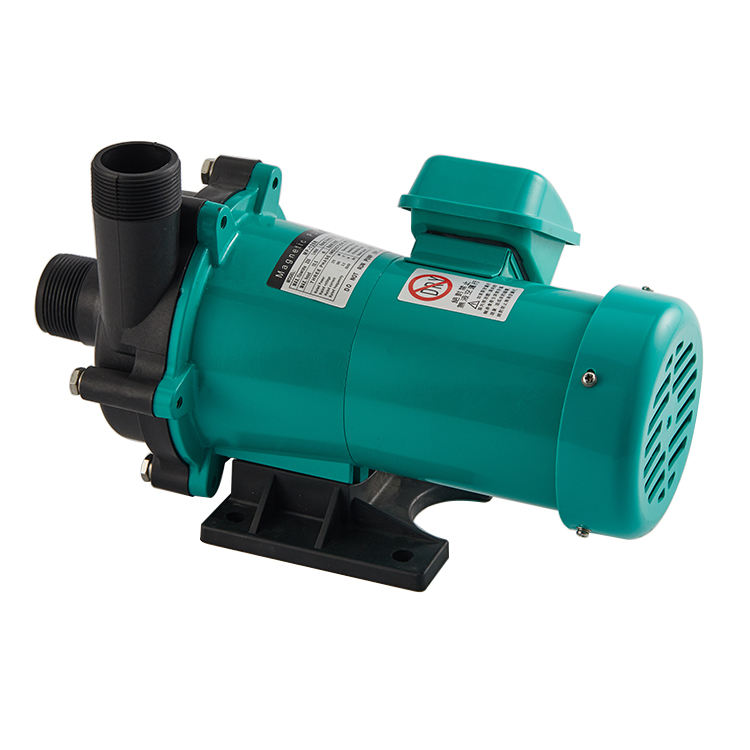
Neodymium Magnets: Strength With Temperature Limits
Neodymium magnets are the most widely used magnet type in industrial pump applications because they offer the strongest magnetic field for their size of any commercially available magnet material. This strength allows magnetic couplings to transmit more torque through a given coupling diameter, which is particularly useful in pumps handling higher-viscosity fluids or requiring greater pumping power within a compact housing.
The tradeoff is temperature sensitivity. Neodymium magnets begin to lose magnetic strength as temperatures rise, and if exposed to excessive heat, they can demagnetize permanently rather than simply weakening temporarily. This makes neodymium a strong choice for applications operating within moderate temperature ranges, but a less suitable option where the pumped fluid runs consistently hot or where upset conditions could push temperatures beyond the magnet's rated limit.
Samarium-Cobalt Magnets: Built for Heat and Chemical Resistance
Samarium-cobalt magnets offer a different set of tradeoffs. While their magnetic strength per unit size is somewhat lower than neodymium, they maintain their magnetic properties at significantly higher temperatures and resist corrosion more effectively without requiring additional protective coating. This makes samarium-cobalt the preferred choice for magnetic pump applications involving elevated process temperatures or fluids that could accelerate corrosion of the magnet material over time.
Because samarium-cobalt magnets are inherently more brittle than neodymium, they also require careful mechanical design to avoid fracture under vibration or mechanical shock. The table below summarizes how the two magnet types compare across the factors most relevant to industrial pump selection.
| Factor | Neodymium Magnets | Samarium-Cobalt Magnets |
|---|---|---|
| Magnetic strength | Higher for given size | Moderate |
| Temperature tolerance | Lower, risk of demagnetization at high heat | Higher, stable at elevated temperatures |
| Corrosion resistance | Requires protective coating | Naturally more corrosion resistant |
| Mechanical durability | More resistant to fracture | More brittle, prone to chipping |
| Typical application fit | Moderate-temperature, compact designs | High-temperature, corrosive-adjacent conditions |
Selecting between the two ultimately depends on matching magnet properties to the actual thermal and chemical conditions the industrial pump will face in continuous operation, rather than defaulting to the stronger magnet without reviewing the application's temperature profile.
Why Dry Run Protection Cannot Be an Afterthought
Magnetic pumps rely on the pumped fluid to lubricate and cool the bearings surrounding the drive shaft inside the containment shell. When a pump runs dry—whether from a closed valve, empty supply tank, or air pocket in the line—these bearings lose their lubrication and cooling almost immediately, leading to rapid wear or catastrophic bearing failure within a short period of dry operation.
Dry run protection addresses this vulnerability through sensors or monitoring systems that detect the loss of fluid flow or a drop in bearing temperature and shut the pump down before damage occurs. For continuous or unattended industrial pump operations, dry run protection is not an optional add-on but a practical safeguard against one of the most common causes of unplanned magnetic pump failure. Buyers evaluating pump options should confirm whether dry run protection is integrated into the design or must be added as a separate monitoring system, since the level of integration affects both reliability and installation complexity.
Evaluating Flow Rate Requirements Correctly
Flow rate is often treated as a single specification to match against a process requirement, but magnetic pumps—like other centrifugal designs—see their actual delivered flow shift with changes in system pressure and fluid viscosity. A pump rated for a certain flow at a specific head condition may deliver noticeably less if the actual operating pressure differs from the rating point, which is why flow rate should always be evaluated against the pump's full performance curve rather than a single published number.
Viscosity also affects flow behavior in magnetic pumps handling thicker fluids, since the coupling must transmit sufficient torque to maintain the impeller's designed rotational speed under increased fluid resistance. Buyers should confirm that the specified magnet strength and coupling design can sustain rated flow across the full viscosity range expected in service, not just under clean-water test conditions often used in manufacturer datasheets.
Bringing the Selection Factors Together
Choosing the right magnetic pump involves aligning magnet type with the application's temperature and chemical profile, confirming that dry run protection matches the operational risk of supply interruption, and verifying flow rate performance across real operating conditions rather than a single rated point. An industrial pump specified without weighing these three factors together may perform adequately during initial testing but fall short once exposed to the full range of conditions it will encounter in continuous service.
Frequently Asked Questions
Which magnet type lasts longer in high-temperature applications?
Samarium-cobalt magnets generally maintain their magnetic properties better at higher temperatures than neodymium, which is prone to demagnetization if exposed to excessive heat.
Is dry run protection necessary for pumps that are always manually monitored?
Even with manual monitoring, dry run conditions can occur suddenly, such as from an unexpected valve closure, so automated protection significantly reduces the risk of bearing damage regardless of monitoring practices.
Why does flow rate drop when pumping more viscous fluids?
Higher viscosity increases resistance to impeller rotation, and if the magnetic coupling cannot transmit enough torque to maintain design speed, delivered flow decreases accordingly.
Can neodymium and samarium-cobalt magnets be used interchangeably in the same pump design?
Not directly, since each magnet type has different strength, temperature, and durability characteristics that affect coupling design, so pump manufacturers typically specify one type per model based on intended application conditions.