
 EN
EN
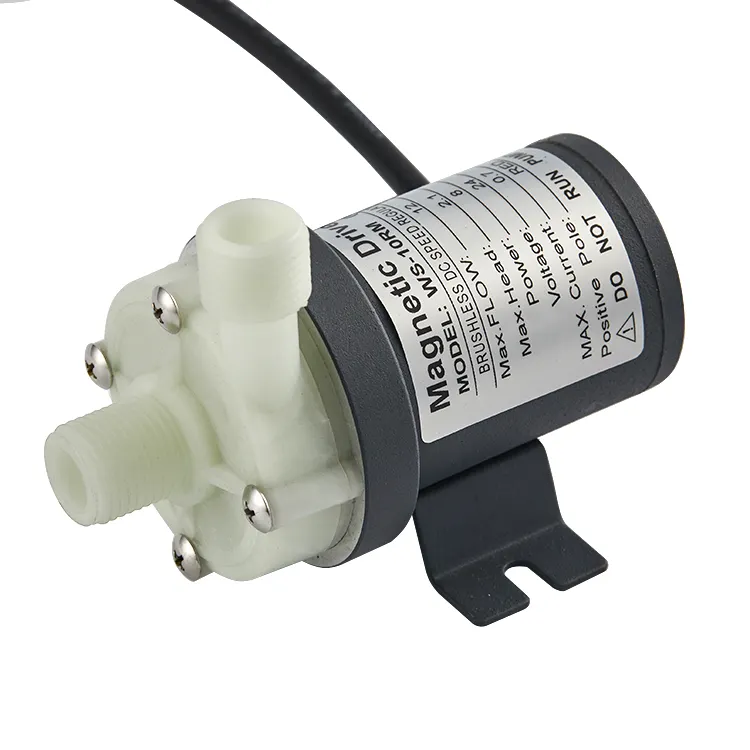
Pharmaceutical and semiconductor manufacturing share a demanding requirement that few other industries face simultaneously: absolute containment and absolute purity. A single leak or contamination event can compromise an entire batch, trigger regulatory scrutiny, or damage sensitive wafer processing. This is why magnetic pumps have become the default choice for these industries, eliminating the shaft seal that remains the most common failure point in a conventional industrial pump. Below are eight specific benefits driving this adoption.
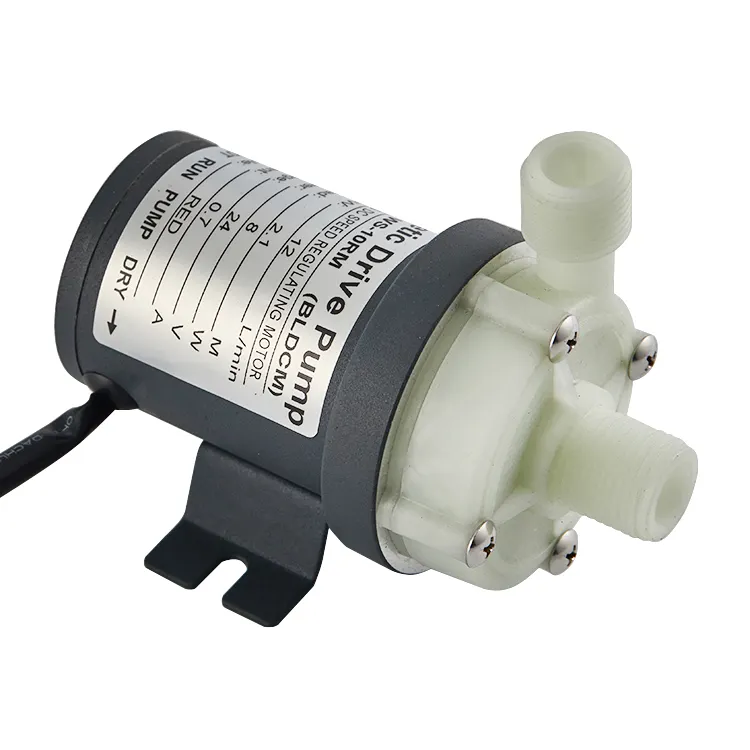
Overview of Key Benefits
The table below summarizes the eight core advantages magnetic pumps deliver in pharmaceutical and semiconductor environments, before each is explored in more detail.
| Benefit | Why It Matters in These Industries |
|---|---|
| Zero seal-related leakage | Removes the primary failure path found in conventional industrial pumps |
| Contamination-free fluid path | Prevents particle shedding into high-purity process streams |
| Compatibility with aggressive chemicals | Supports acids, solvents, and reactive fluids common in wafer processing |
| Reduced maintenance frequency | No seal replacement cycle to schedule or interrupt production for |
| Improved regulatory compliance | Supports containment standards required in pharmaceutical validation |
| Lower risk of batch contamination | Protects product integrity across sensitive manufacturing runs |
| Suitability for cleanroom environments | Sealless design reduces particulate generation near critical processes |
| Long-term operating cost reduction | Fewer failures and replacements lower total cost of ownership |
Eliminating Leakage at the Source
The single largest advantage magnetic pumps offer both industries is the removal of the dynamic shaft seal entirely. In a conventional mechanically sealed industrial pump, two seal faces remain in constant contact, and wear over time eventually leads to leakage. Magnetic pumps avoid this by transmitting rotational energy through an external and internal magnet pair separated by a sealed containment shell, so there is no shaft penetration and therefore no seal face to fail.
For pharmaceutical manufacturing, this containment integrity supports the strict validation and documentation standards required for sterile and high-potency product handling. For semiconductor processing, the same sealless principle prevents even minor leakage of the corrosive or high-purity chemicals used throughout wafer fabrication, where a single contamination event can affect an entire production lot.
Protecting Product and Process Purity
Beyond leak elimination, magnetic pumps reduce the risk of the pump itself introducing contamination into the fluid stream. Because there is no seal generating wear particles through friction, the fluid path stays cleaner over the pump's operating life compared to mechanically sealed alternatives. This matters significantly in pharmaceutical applications, where even trace particulate contamination can affect product safety, and in semiconductor manufacturing, where ultra-high-purity chemicals must remain free of any introduced particles that could damage wafer surfaces during processing.
This contamination-free characteristic also extends to cleanroom compatibility. Since magnetic pumps generate fewer wear particles internally, they align well with the strict particulate control requirements of cleanroom environments used throughout semiconductor fabrication and sterile pharmaceutical production.
Handling Aggressive and Sensitive Chemicals Reliably
Both industries rely on chemicals that would rapidly degrade standard pump materials. Semiconductor manufacturing uses strong acids, solvents, and reactive etching chemicals, while pharmaceutical production often involves potent active ingredients requiring strict containment. Magnetic pumps built with fluoropolymer-lined or chemically resistant wetted parts handle these fluids without introducing the corrosion risk that would eventually compromise a standard mechanical seal.
This chemical compatibility, combined with the sealless design, allows a single industrial pump platform to serve multiple process steps across a facility, reducing the need for specialized sealed pump variants for each aggressive fluid handled.
Lowering Long-Term Maintenance and Operating Cost
Because there is no seal to wear and replace, magnetic pumps require significantly less routine maintenance than mechanically sealed equivalents. This reduces both direct maintenance labor and the production downtime associated with scheduled seal replacement, which is particularly valuable in continuous pharmaceutical and semiconductor production lines where unplanned stoppages carry high costs.
Over the pump's service life, this lower maintenance demand—combined with reduced risk of contamination-related batch loss—typically results in a lower total cost of ownership than mechanically sealed alternatives, even though the initial purchase price of a magnetic industrial pump is often higher.
Supporting Regulatory and Quality Requirements
Pharmaceutical manufacturing operates under strict regulatory oversight requiring documented containment and contamination control throughout production. The inherent leak-free design of magnetic pumps simplifies meeting these validation requirements compared to justifying ongoing seal-related leak risk in mechanically sealed systems. Semiconductor manufacturers face similarly strict internal quality standards, where any deviation in chemical purity or particulate presence can affect yield across an entire production batch, making the contamination control offered by magnetic pumps a practical quality safeguard rather than an optional upgrade.
Choosing the Right Magnetic Pump for These Applications
While magnetic pumps offer clear advantages across both industries, selecting the right configuration still requires matching wetted materials to the specific chemicals involved and confirming the pump meets the cleanliness or certification standards required for the intended process. An industrial pump chosen without this application-specific review may still deliver leak-free operation while falling short on chemical compatibility or contamination control for a particular process step.
Frequently Asked Questions
Are magnetic pumps required by regulation in pharmaceutical manufacturing?
Not universally required, but their leak-free and contamination-resistant design makes it easier to meet containment and validation standards commonly expected in regulated pharmaceutical production.
Can magnetic pumps handle the corrosive chemicals used in semiconductor etching processes?
Yes, when built with appropriately resistant wetted materials such as fluoropolymer linings, magnetic pumps can handle many of the aggressive chemicals used in wafer processing.
Do magnetic pumps eliminate all contamination risk, not just leakage?
They significantly reduce contamination risk by removing seal-generated wear particles, but overall system cleanliness also depends on proper material selection and maintenance practices.
Why do magnetic pumps often cost more upfront than mechanically sealed pumps?
The magnetic coupling and containment shell add manufacturing complexity, but this higher initial cost is frequently offset by lower long-term maintenance and reduced contamination-related losses.