
 EN
EN
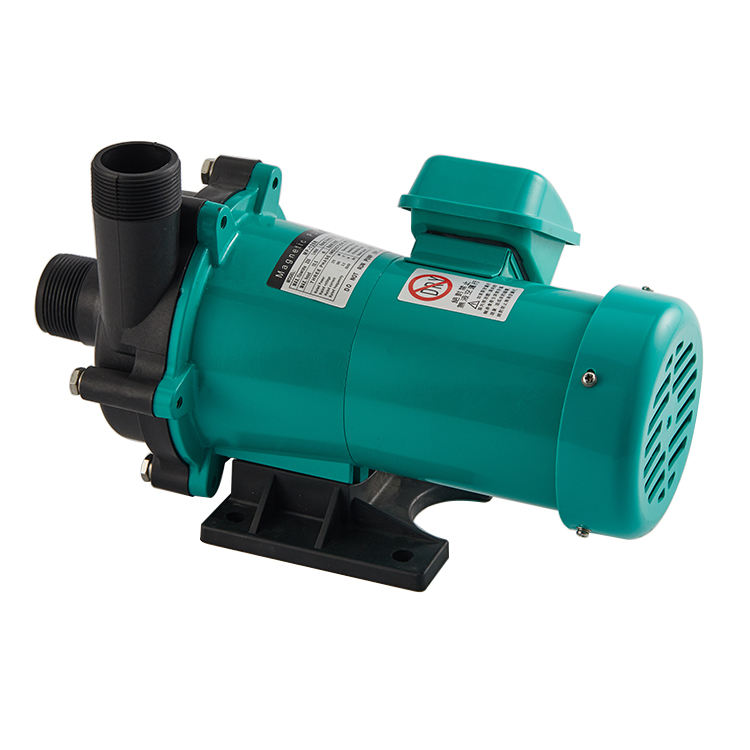
Seal failure remains one of the most common reasons an industrial pump ends up offline unexpectedly. For plant engineers handling hazardous, corrosive, or high-value fluids, the choice between a magnetic drive pump and a mechanically sealed pump directly affects leak risk, maintenance frequency, and long-term operating cost. This guide compares both designs to help determine which approach best fits a given industrial pump application.
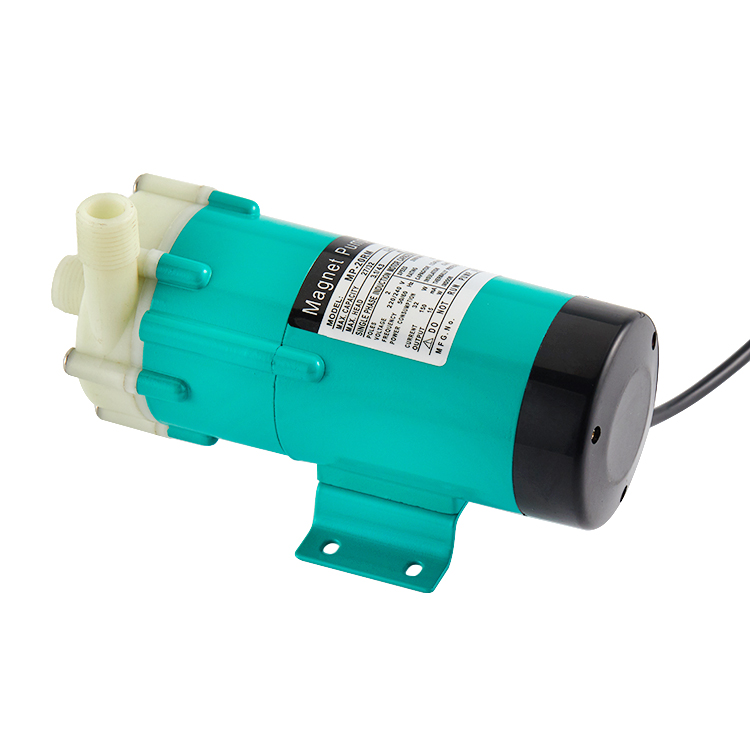
How Magnetic Pumps Eliminate the Seal Entirely
A magnetic drive pump removes the traditional shaft seal altogether by using two sets of magnets—one inside the sealed pump casing, one outside connected to the motor—to transmit rotational energy without any direct mechanical connection crossing the casing wall. Because there is no shaft penetrating the containment boundary, there is no seal face to wear, and therefore no primary leak path for the pumped fluid to escape through.
This design makes magnetic pumps particularly suited to handling hazardous, toxic, or environmentally sensitive fluids, where even minor leakage carries safety, regulatory, or cleanup consequences. Since the containment shell has no dynamic seal, the risk of gradual leakage from seal face wear is effectively removed, which is why magnetic pumps are frequently specified in chemical processing and other applications where zero-leakage performance is a primary requirement rather than a convenience.
How Mechanically Sealed Pumps Compare
Mechanically sealed pumps use a shaft that passes directly through the casing, supported by a mechanical seal consisting of two flat faces held together under spring pressure to prevent fluid from escaping along the shaft. This remains the most widely used sealing method across general industrial pump applications because it is well understood, relatively simple to service, and compatible with a broad range of fluids and operating conditions.
However, because the seal faces are in constant contact and subject to wear, mechanically sealed pumps carry an inherent, ongoing leak risk that increases as the seal ages. Seal replacement is a routine maintenance task in most facilities, and unplanned seal failure remains one of the most frequent causes of unscheduled industrial pump downtime, particularly in applications involving abrasive particles or fluctuating pressure that accelerate seal face wear.
Comparing Leak Risk and Maintenance Demand
The table below summarizes how magnetic and mechanically sealed pumps differ across the factors most relevant to leak prevention and maintenance planning.
| Factor | Magnetic Drive Pump | Mechanically Sealed Pump |
|---|---|---|
| Primary leak path | None (no shaft seal) | Seal face wear over time |
| Maintenance frequency | Lower, no seal replacement needed | Higher, seals require periodic replacement |
| Fluid handling suitability | Hazardous, corrosive, high-value fluids | Broad range of general industrial fluids |
| Initial cost | Generally higher | Generally lower |
| Serviceability | Simpler internally, no seal servicing | Well understood, widely serviceable |
This comparison illustrates why the decision is rarely about which pump is universally better, but rather which design matches the fluid's risk profile and the facility's tolerance for maintenance downtime.
When Each Pump Type Makes the Most Sense
Facilities handling fluids where leakage poses a safety, environmental, or product-loss risk—such as corrosive chemicals or high-purity process fluids—generally benefit most from a magnetic drive industrial pump, since eliminating the seal removes the single largest source of unplanned leakage. The absence of a dynamic seal also reduces the ongoing maintenance burden associated with seal inspection and replacement, which can meaningfully lower long-term operating cost in continuous-duty applications.
Mechanically sealed pumps remain a practical choice where fluid handling requirements are less safety-critical, where seal maintenance can be scheduled predictably, or where the wider range of available configurations and lower initial cost outweigh the higher long-term seal replacement expense. In many facilities, both pump types operate side by side, with magnetic pumps reserved for the most sensitive or hazardous duties and mechanically sealed pumps handling general transfer applications.
Making the Right Choice for Your Application
Choosing between a magnetic pump and a mechanically sealed pump ultimately depends on weighing leak risk against upfront and maintenance cost. An industrial pump handling hazardous or high-value fluids justifies the higher initial investment of a magnetic drive design through reduced leak risk and lower long-term seal maintenance. For less critical applications, a mechanically sealed pump often remains the more cost-effective option, provided seal maintenance is planned and performed on a consistent schedule rather than addressed only after failure occurs.
Frequently Asked Questions
Do magnetic drive pumps require any maintenance at all?
Yes, but significantly less than mechanically sealed pumps, since there is no seal to replace. Maintenance typically focuses on bearing and coupling components rather than seal faces.
Are magnetic pumps suitable for abrasive slurry applications?
Magnetic pumps are generally better suited to clean or moderately particulate fluids, since abrasive solids can affect the internal bearing and coupling components differently than in sealed designs.
Is a mechanically sealed pump always cheaper to operate long-term?
Not necessarily. While initial cost is usually lower, cumulative seal replacement and associated downtime over the pump's service life can offset the lower upfront price, especially in continuous-duty operations.
Can a mechanically sealed pump be converted to a magnetic drive design? In many cases, compatible pump models allow this conversion, but it depends on the specific pump housing and drive configuration, so compatibility should be confirmed with the manufacturer.