
 EN
EN
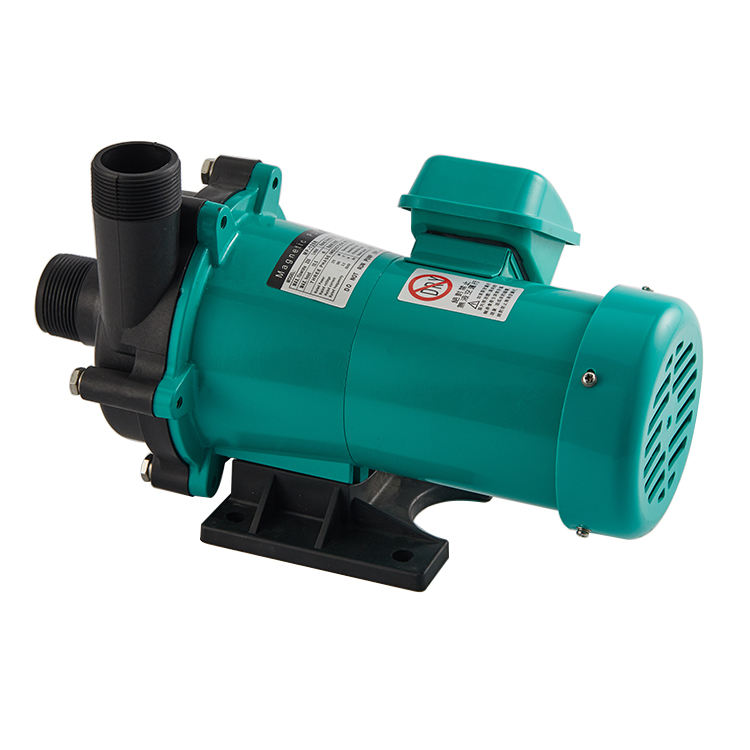
Buying the wrong industrial pump rarely shows up as an immediate failure. Instead, it appears months later as rising energy bills, frequent seal replacements, or gradual efficiency loss that erodes plant profitability. This guide breaks down the core decisions behind selecting an industrial pump—pump type, seal configuration, and energy performance—so procurement and engineering teams can make choices based on total operating cost rather than upfront price alone.
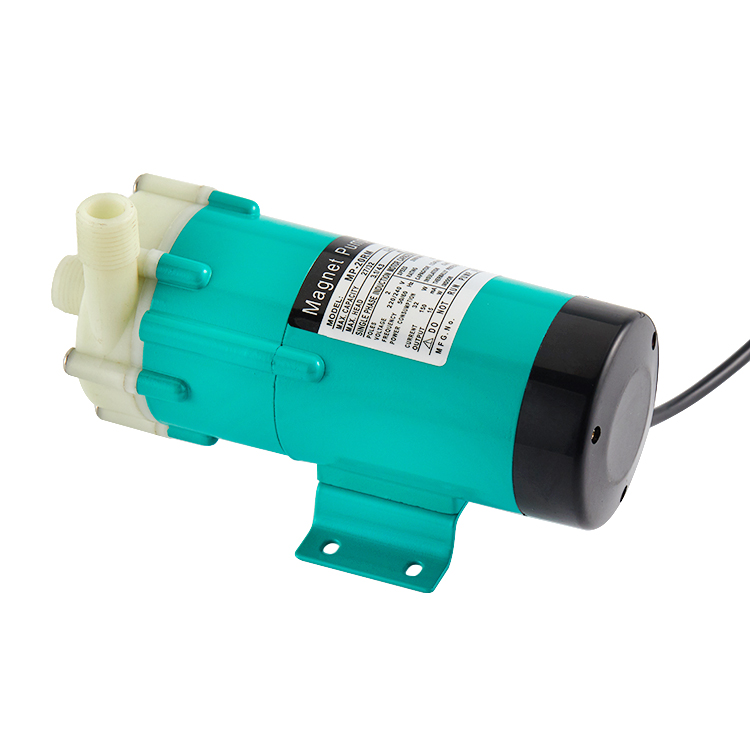
Centrifugal vs. Positive Displacement: The First Decision Point
Every industrial pump falls broadly into one of two categories, and this classification determines almost everything else about how the pump behaves under real operating conditions. Centrifugal pumps move fluid by converting rotational energy from an impeller into velocity, making them well suited to high-flow, low-to-moderate viscosity applications where flow rate can vary with system pressure. Positive displacement pumps, by contrast, move a fixed volume of fluid with each cycle, which makes their output far less sensitive to changes in viscosity or downstream pressure.
The practical difference becomes clear under load. A centrifugal industrial pump handling a thickening fluid will see its flow rate drop as viscosity rises, since the impeller has to work harder to achieve the same displacement. A positive displacement pump handling the same fluid maintains consistent output, because its mechanical action does not rely on fluid velocity in the same way. This is why positive displacement designs—such as progressive cavity, gear, or rotary lobe pumps—are typically specified for higher-viscosity or metering-critical processes, while centrifugal pumps dominate applications involving large volumes of thinner fluids.
Comparing Pump Types Across Key Performance Factors
The table below summarizes how the two major pump categories differ across the factors most relevant to industrial buyers evaluating long-term reliability and running cost.
| Factor | Centrifugal Pump | Positive Displacement Pump |
|---|---|---|
| Flow behavior under pressure change | Flow varies with pressure | Flow remains relatively constant |
| Viscosity sensitivity | Efficiency drops as viscosity rises | Performs consistently across a wider viscosity range |
| Typical flow volume | High flow, lower pressure | Lower flow, higher pressure capability |
| Maintenance complexity | Generally simpler, fewer moving parts | More complex due to close-tolerance components |
| Best suited for | Water, thin chemicals, general transfer | Viscous fluids, precise dosing, metering |
Reviewing this comparison alongside actual process conditions—rather than relying on nameplate flow and pressure figures alone—helps prevent the common mistake of selecting an industrial pump based on convenience rather than fluid behavior.
Understanding Seal Types and Why They Matter
Seal selection directly affects how much unplanned downtime a pump generates over its service life, yet it is often treated as a secondary decision after pump type and sizing. Mechanical seals are the most common choice for industrial pumps handling moderate pressures and temperatures, offering a reliable barrier between the pumped fluid and the outside environment through two flat faces held together under spring pressure.
Packed gland seals, an older but still widely used alternative, rely on compressed packing material around the shaft and allow a small, controlled amount of leakage for lubrication and cooling. While less precise than mechanical seals, packed glands are easier to maintain in the field and tolerate minor shaft misalignment better. For applications involving hazardous, toxic, or highly corrosive fluids, double mechanical seals with a barrier fluid between two seal faces provide an additional layer of containment, reducing the risk of product loss or environmental exposure if the primary seal face wears.
Choosing the correct seal type depends on the fluid's chemical properties, operating temperature, and the acceptable level of leakage risk. A seal mismatched to these conditions tends to fail well before the pump's mechanical components, making it one of the most common—and most avoidable—causes of industrial pump downtime.
Energy Efficiency: Where Long-Term Cost Is Actually Determined
Energy consumption, not purchase price, typically represents the largest cost component over an industrial pump's operating life. This is particularly true for pumps running continuously or near-continuously in production environments. Efficiency losses often stem from oversizing, where a pump selected for peak demand runs inefficiently during normal, lower-flow operation, wasting energy through excess turbulence and unnecessary throttling.
Variable frequency drives address this by allowing pump speed to match actual process demand rather than running at a fixed speed regardless of load. This adjustment alone can meaningfully reduce energy consumption in applications where flow requirements fluctuate throughout a shift or production cycle. Impeller design also plays a measurable role: pumps with hydraulics optimized for the specific fluid and flow range consistently outperform generically sized units, even when both carry similar horsepower ratings.
When evaluating an industrial pump purchase, buyers should request efficiency curves across the actual operating range expected in their process, not just the single best-efficiency point often highlighted in marketing materials. A pump that appears efficient at peak flow may operate far less efficiently at the flow rates it will actually see most of the time.
Making the Final Decision
Selecting the right industrial pump ultimately comes down to aligning three decisions with real operating conditions: choosing between centrifugal and positive displacement technology based on fluid behavior, specifying a seal type matched to chemical and safety requirements, and prioritizing efficiency across the actual flow range rather than a single rated point. Buyers who evaluate these factors together, rather than focusing on price or flow rate in isolation, consistently see lower total cost of ownership and fewer unplanned maintenance events over the pump's service life.
Frequently Asked Questions
When should a positive displacement pump be chosen over a centrifugal pump?
Positive displacement pumps are generally preferred when the application involves higher viscosity fluids or requires precise, consistent flow regardless of pressure changes downstream.
Are mechanical seals always better than packed gland seals?
Not always. Mechanical seals offer tighter containment and less leakage, but packed glands can be easier to maintain and more tolerant of minor shaft misalignment in certain field conditions.
Does a higher horsepower rating mean better energy efficiency?
No. Horsepower rating alone does not indicate efficiency across the actual operating range; a pump must be evaluated using its efficiency curve at real-world flow conditions, not just its peak-rated point.
Can one industrial pump handle both high-flow and high-viscosity requirements equally well?
Generally no. Centrifugal designs favor high flow with lower viscosity, while positive displacement designs favor consistent output at higher viscosity, so most applications require selecting the type suited to their dominant condition.