
 EN
EN
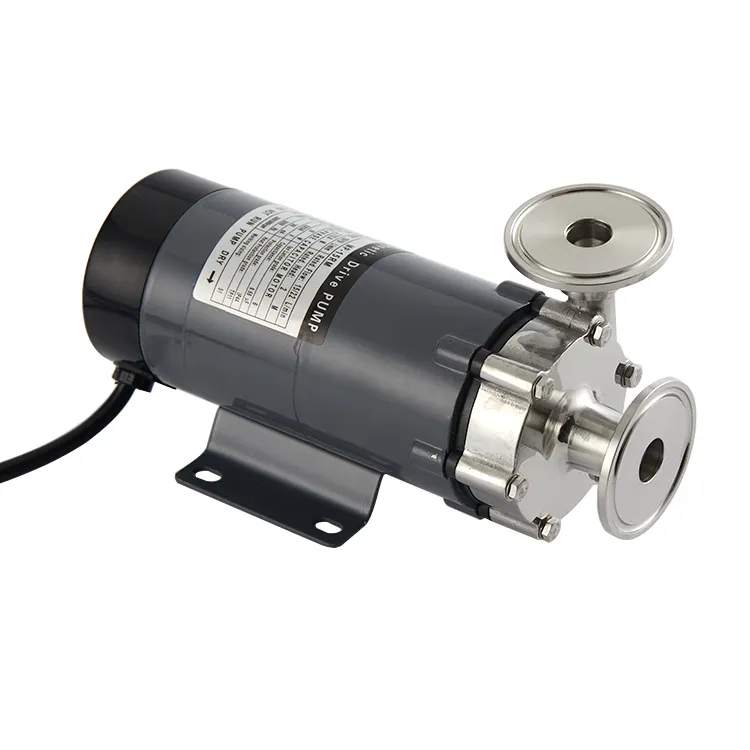
In modern brewery operations, the wort pump serves as a critical piece of equipment responsible for transferring hot wort between vessels during the brewing process. When your wort pump begins to fail, it can disrupt production schedules, compromise batch quality, and lead to costly downtime. Recognizing the warning signs of pump failure before complete breakdown occurs allows brewers to schedule maintenance strategically and avoid emergency repairs that halt production entirely. This article examines seven definitive indicators that your wort pump requires replacement, with particular focus on cavitation damage, seal deterioration, and flow rate reduction that commonly affect brewery operations.
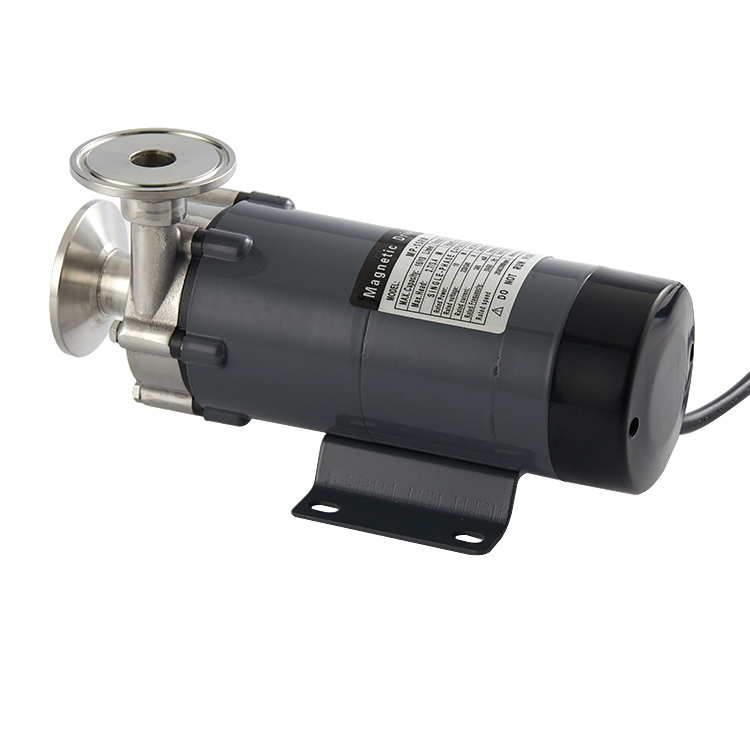
Understanding when to replace rather than repair a wort pump requires careful assessment of multiple failure indicators that develop over the equipment's operational lifespan. While minor issues like worn gaskets can be addressed through routine maintenance, certain symptoms signal fundamental degradation that makes replacement the more economical choice. The seven signs detailed in this analysis represent critical thresholds where continued operation risks product contamination, energy waste, and secondary damage to connected brewing systems. For brewers managing production facilities of any scale, recognizing these failure patterns protects both product quality and operational efficiency while preventing the cascading problems that occur when pump performance deteriorates beyond acceptable parameters.
Understanding Cavitation Damage in Wort Pump Systems
Physical Mechanisms of Cavitation in Brewing Applications
Cavitation occurs when the pressure at the wort pump inlet drops below the vapor pressure of the liquid being transferred, causing vapor bubbles to form within the pump chamber. In brewing applications where wort temperatures typically range between 175°F and 212°F, the risk of cavitation increases significantly compared to ambient temperature fluid transfer. These vapor bubbles collapse violently when they encounter higher pressure zones within the pump, creating shock waves that erode impeller surfaces, damage seal faces, and degrade pump housing materials. The characteristic popping or rattling noise associated with cavitation represents thousands of microscopic implosions occurring each minute, progressively destroying internal pump components.
The damage pattern from cavitation typically manifests as pitting on the impeller blades where bubble collapse is most severe, followed by erosion of the pump casing near high-velocity flow areas. In stainless steel wort pump construction, cavitation damage appears as rough, sponge-like surface degradation that compromises the sanitary design essential for brewing applications. This surface deterioration creates harboring points for bacteria and makes effective cleaning increasingly difficult. When cavitation damage becomes visible during routine inspection, the wort pump has typically sustained internal damage that cannot be reversed through repair, necessitating complete replacement to restore proper function and maintain sanitary standards.
Operational Indicators of Active Cavitation
Beyond audible noise, cavitation produces several operational indicators that brewers can monitor during production runs. Flow rate fluctuations represent one of the earliest measurable signs, as the vapor bubbles displace liquid volume and create inconsistent discharge pressures. Temperature measurements at the pump outlet may show unexpected variations as the energy from bubble collapse converts to localized heating. Vibration analysis using handheld monitoring tools reveals characteristic frequency patterns that distinguish cavitation from bearing wear or motor imbalance, allowing maintenance teams to diagnose the root cause of performance degradation accurately.
Power consumption patterns also change when a wort pump experiences cavitation, typically showing erratic current draw as the motor works against varying loads created by the vapor-liquid mixture. Advanced brewery operations that implement continuous monitoring systems can detect these patterns before physical damage becomes severe. However, once cavitation has progressed to the point where visible pitting appears on pump components, the metallurgical integrity of critical surfaces has been compromised beyond what surface refinishing can address. The microscopic cracks and stress concentrations created by repeated bubble collapse serve as initiation points for further degradation, making replacement the only viable option for restoring reliable pump performance in demanding wort transfer applications.
Seal Failure Patterns and Leakage Progression
Mechanical Seal Degradation in High-Temperature Wort Service
The mechanical seals in a wort pump operate under particularly challenging conditions, maintaining pressure boundaries while exposed to temperatures that accelerate elastomer aging and thermal cycling that causes dimensional changes in seal components. Modern wort pump designs typically employ silicon carbide or tungsten carbide seal faces paired with fluoroelastomer secondary seals engineered for high-temperature brewing applications. Despite these advanced materials, the combination of thermal stress, chemical exposure from cleaning agents, and mechanical wear from shaft rotation causes progressive seal degradation that eventually results in visible leakage.
Early-stage seal failure often manifests as slight moisture at the seal housing rather than active dripping, making it easy to overlook during casual inspection. This initial weeping indicates that the seal faces have developed microscopic gaps allowing fluid passage, though the volume may be minimal. As thermal cycling continues, these gaps widen and the secondary seals lose elasticity, progressing to steady dripping that poses contamination risks and creates safety hazards from hot liquid accumulation near electrical components. When a wort pump exhibits consistent leakage during operation, the seal assembly has typically sustained damage to both primary and secondary sealing elements, requiring more than simple seal replacement to address the underlying causes.
Root Causes Behind Premature Seal Failure
Understanding why seals fail prematurely helps brewers distinguish between isolated component failure and systemic problems requiring pump replacement. Excessive shaft deflection caused by bearing wear creates misalignment between seal faces, accelerating wear and allowing fluid bypass. Thermal shock from rapid temperature changes during startup or cleaning cycles causes differential expansion between seal components, breaking the precision fit required for effective sealing. Chemical attack from aggressive cleaning solutions not properly neutralized before pump operation can degrade elastomer materials, particularly when chlorinated alkaline cleaners contact fluoroelastomer components.
When seal replacement becomes a recurring maintenance item requiring intervention every few months rather than lasting multiple years, the root cause typically lies in bearing degradation, shaft wear, or housing distortion rather than the seal components themselves. Installing new seals in a wort pump with worn bearings or a damaged shaft provides only temporary relief before leakage returns. At this stage, the cost of replacement seals, labor for repeated interventions, and production disruption from frequent failures exceeds the investment in a new wort pump with properly aligned components and unworn bearing surfaces. Tracking seal replacement frequency provides a valuable metric for determining when cumulative damage justifies complete pump replacement rather than continued repair attempts.
Flow Rate Reduction and Performance Degradation
Measuring and Diagnosing Flow Rate Decline
Flow rate reduction in a wort pump typically develops gradually over months of operation, making the decline difficult to notice without establishing baseline performance measurements during initial installation or after maintenance. Brewers should document flow rates at standard operating conditions, including specific gravity of the wort, temperature, and discharge pressure, creating reference points for future comparison. When flow rate drops by fifteen percent or more compared to baseline measurements under identical conditions, significant internal wear or damage has occurred that affects pumping efficiency and threatens batch consistency.
The causes of flow reduction in wort pump systems include impeller wear from abrasive particles, increased internal clearances from housing erosion, and partial blockages from protein coagulation or hop material accumulation. Magnetic drive wort pumps may experience performance loss from magnet strength degradation after years of high-temperature exposure, reducing the torque transmission between drive and driven magnets. Centrifugal pump designs show characteristic performance curves where flow reduction accompanies decreased discharge pressure, while positive displacement pumps maintain pressure but show reduced volumetric output. Identifying which performance parameter has degraded helps diagnose whether the problem stems from hydraulic component wear or mechanical drive system degradation.
Economic Impact of Reduced Pumping Efficiency
Operating a wort pump with diminished flow capacity creates multiple cost penalties beyond the obvious production slowdowns. Extended transfer times increase the duration that hot wort remains exposed to oxygen, potentially affecting hop utilization and creating flavor stability issues in the finished beer. Temperature loss during prolonged transfer may require additional heating energy to maintain proper mashing or boiling temperatures. The motor continues consuming electrical power while delivering reduced hydraulic output, wasting energy as heat rather than useful work. For commercial breweries operating on tight production schedules, slower wort transfer rates may prevent completing the planned number of brews per shift, directly reducing facility throughput and revenue potential.
When a wort pump requires fifteen to twenty percent longer to complete standard transfer operations, the accumulated time loss over a production year becomes substantial. A brewery producing three batches daily with thirty-minute wort transfers will lose approximately ninety minutes per day when pump flow drops by twenty percent, equivalent to eliminating one complete brew per week. This production capacity loss, combined with increased energy consumption and quality risk, typically justifies replacement economics even when the pump continues functioning. Attempting to compensate for reduced flow by increasing motor speed or operating pressure accelerates wear on remaining components and increases failure risk. Replacing an underperforming wort pump restores original efficiency specifications and prevents the quality compromises that accompany extended processing times.
Additional Critical Failure Indicators
Excessive Vibration and Bearing Noise
Abnormal vibration in wort pump operation indicates mechanical imbalance or bearing deterioration that threatens catastrophic failure if left unaddressed. Properly functioning pumps operate smoothly with minimal vibration at the design flow rate, while bearing wear, impeller damage, or shaft misalignment creates oscillating forces that transmit through the pump housing to mounting brackets and connected piping. Brewers can detect developing vibration problems through hand contact with the pump casing during operation, noting any buzzing sensation or rhythmic pulsing absent when the equipment was new. Bearing failure produces distinctive grinding or squealing noises that escalate from barely perceptible to clearly audible as degradation progresses.
The transition from smooth operation to noticeable vibration represents bearing clearances opening beyond design tolerances, allowing shaft movement that stresses seal components and creates alignment problems throughout the pump assembly. While bearing replacement might seem a logical repair approach, wort pump bearings exposed to high temperatures and moisture infiltration from seal leakage often experience shortened service life even after replacement. The heat and contamination that caused initial bearing failure typically persist, leading to repeated failures unless the root moisture ingress problem is resolved. When a wort pump has operated long enough for bearing failure to occur, associated components including shaft surfaces, seal bores, and housing alignments have often sustained secondary damage that prevents restored performance through bearing replacement alone, making complete pump replacement the more reliable solution.
Motor Performance Issues and Electrical Symptoms
The electric motors driving wort pumps develop characteristic failure patterns that signal approaching end-of-life conditions requiring replacement consideration. Motor overheating beyond normal operating temperatures indicates either electrical problems within the windings or mechanical overload from pump resistance. Thermal protection devices that trip repeatedly during normal operation suggest the motor struggles with current draw exceeding nameplate ratings, often caused by increased pumping resistance from internal wear or partial blockages. Starting difficulty where the motor hesitates or fails to reach full speed indicates capacitor degradation in single-phase motors or winding deterioration in three-phase designs.
Monitoring motor current draw provides valuable diagnostic information about pump condition, as increased amperage under standard load conditions reveals elevated friction or reduced efficiency within the pump assembly. A wort pump motor drawing twenty percent above nameplate current while delivering reduced flow output demonstrates significant internal degradation affecting overall system efficiency. The combination of electrical symptoms and hydraulic performance decline indicates systemic failure rather than isolated component problems. While motor replacement separate from the pump assembly is theoretically possible, the labor cost of disassembly and reassembly, combined with the likelihood that pump components have sustained damage requiring attention, typically makes integrated pump and motor replacement the more economical approach for restoring reliable wort transfer capability.
Cleaning Difficulty and Sanitation Concerns
As wort pumps age and internal surfaces develop roughness from wear or corrosion, cleaning effectiveness diminishes and the equipment becomes increasingly difficult to sanitize to brewing standards. Surface degradation creates microscopic harboring points where proteins, hop resins, and microorganisms accumulate beyond the reach of standard clean-in-place procedures. Brewers may notice that pumps require extended cleaning cycles or repeated chemical treatments to achieve acceptable sanitation levels, indicating that surface conditions have deteriorated. Biofilm formation becomes increasingly problematic when pump internals develop the rough textures that provide attachment sites resistant to cleaning chemical action and mechanical spray forces.
The sanitary design principles essential for brewing equipment specify smooth surfaces with specific maximum roughness values, typically 32 microinches Ra for product contact areas. When cavitation damage, corrosion, or mechanical wear degrades surfaces beyond this specification, the pump no longer meets sanitary standards regardless of cleaning protocol intensity. Microbiological testing that reveals persistent contamination despite aggressive cleaning indicates that surface conditions have deteriorated beyond what chemical treatment can address. Since surface refinishing of internal pump components requires complete disassembly and specialized equipment while providing uncertain results, replacing a wort pump that has lost its sanitary surface characteristics represents the only reliable method to restore proper hygienic operation and eliminate contamination risks that threaten product quality.
Making the Replacement Decision: Repair Versus Replace Analysis
Cost-Benefit Framework for Pump Replacement
Determining whether to repair or replace a failing wort pump requires systematic evaluation of multiple cost factors beyond the immediate repair expense. Direct costs include replacement parts, labor hours for disassembly and reassembly, and any specialized tools or contractor services required. Indirect costs encompass production downtime during repair work, quality risks from operating degraded equipment, energy waste from reduced efficiency, and the probability of repeat failures requiring additional interventions. A comprehensive analysis compares total repair costs including likely future maintenance against replacement cost divided by expected service life of new equipment.
Industry experience suggests that when single-repair costs exceed forty percent of replacement cost, or when cumulative annual maintenance costs exceed sixty percent of replacement cost, new equipment provides better economic value. For wort pumps exhibiting multiple failure symptoms from the seven signs discussed in this article, the probability of additional problems developing shortly after repair increases substantially, reducing the effective value of repair investment. A pump showing cavitation damage, seal leakage, and flow reduction simultaneously has experienced systemic degradation affecting multiple component systems, making comprehensive restoration through repair increasingly unlikely. Replacement provides known performance specifications, manufacturer warranty coverage, and the confidence that all components meet current design standards rather than attempting to restore aged equipment to partial functionality.
Operational Risk Assessment Beyond Pure Cost
Beyond financial calculation, the risk assessment for wort pump replacement must consider production continuity and quality assurance factors that affect brewery business sustainability. A pump failure during critical production periods can halt operations entirely, preventing batch completion and potentially forcing disposal of in-process wort that cannot be held at temperature indefinitely. The reputational damage from quality incidents traced to contamination from failing pump seals or sanitation issues exceeds any savings from delaying replacement. Breweries operating under quality certifications or producing for contract customers face additional compliance risks when equipment operates outside specified sanitary standards.
Emergency repairs conducted under time pressure typically cost significantly more than planned replacements scheduled during maintenance windows, both in parts pricing and labor premiums for urgent service. The risk of catastrophic failure increases exponentially as pumps operate beyond the point where warning signs appear, with seized bearings potentially causing shaft damage, motor burnout, or housing cracks that contaminate the entire batch being transferred. Replacing a wort pump when early warning signs appear allows brewers to schedule the work strategically, order parts at standard pricing, and complete installation during planned downtime rather than emergency response conditions. This proactive approach to equipment lifecycle management protects both operational efficiency and product quality while avoiding the cascading costs associated with unexpected equipment failure during production operations.
FAQ
How often should wort pumps be replaced in commercial brewing operations?
The typical service life of a wort pump in commercial brewing applications ranges from five to ten years depending on usage intensity, operating temperatures, and maintenance quality. Breweries running multiple shifts with frequent temperature cycling and aggressive cleaning protocols may experience shorter service life, while operations with gentler duty cycles and preventive maintenance programs achieve longer equipment longevity. Rather than replacing pumps on a fixed schedule, brewers should monitor for the seven warning signs discussed in this article and replace equipment when performance degradation, seal failure, or cavitation damage appears, regardless of chronological age.
Can cavitation damage in a wort pump be repaired or does it require replacement?
Cavitation damage cannot be effectively repaired once visible pitting appears on impeller surfaces or pump housing materials. While surface refinishing might temporarily improve appearance, the metallurgical damage from cavitation extends below visible surfaces and creates stress concentrations that accelerate future degradation. Additionally, the rough surfaces created by cavitation compromise sanitary design requirements for brewing equipment, making thorough cleaning increasingly difficult. When cavitation damage is detected during inspection, wort pump replacement provides the only reliable solution for restoring proper performance and maintaining sanitary standards essential for quality beer production.
What maintenance practices help extend wort pump service life?
Extending wort pump service life requires attention to several operational factors including maintaining adequate net positive suction head to prevent cavitation, implementing proper startup and shutdown procedures that minimize thermal shock, and using cleaning chemicals at manufacturer-recommended concentrations and temperatures. Regular inspection of seal condition, bearing performance, and flow rate measurements allows early detection of developing problems before major damage occurs. Ensuring pump operation within design parameters for flow rate, temperature, and pressure prevents overstress conditions that accelerate wear. Proper piping design that eliminates suction line restrictions and provides smooth flow into the pump inlet significantly reduces cavitation risk and extends equipment longevity.
How does reduced wort pump flow affect beer quality beyond production speed?
Reduced flow from a degraded wort pump extends transfer times between brewing vessels, increasing oxygen exposure opportunity during hot wort movement when oxidation reactions proceed most rapidly. This extended oxygen contact can reduce hop aroma retention, accelerate staling reactions, and compromise flavor stability in the finished beer. Temperature loss during prolonged transfers may affect enzymatic conversion efficiency during mashing or alter protein coagulation during boiling. Extended residence time in transfer lines increases the risk of thermal stress to hop compounds and affects the reproducibility of brewing parameters that determine batch consistency. These quality impacts often justify wort pump replacement even when the reduced flow rate remains adequate for completing production operations within extended time frames.