
 EN
EN
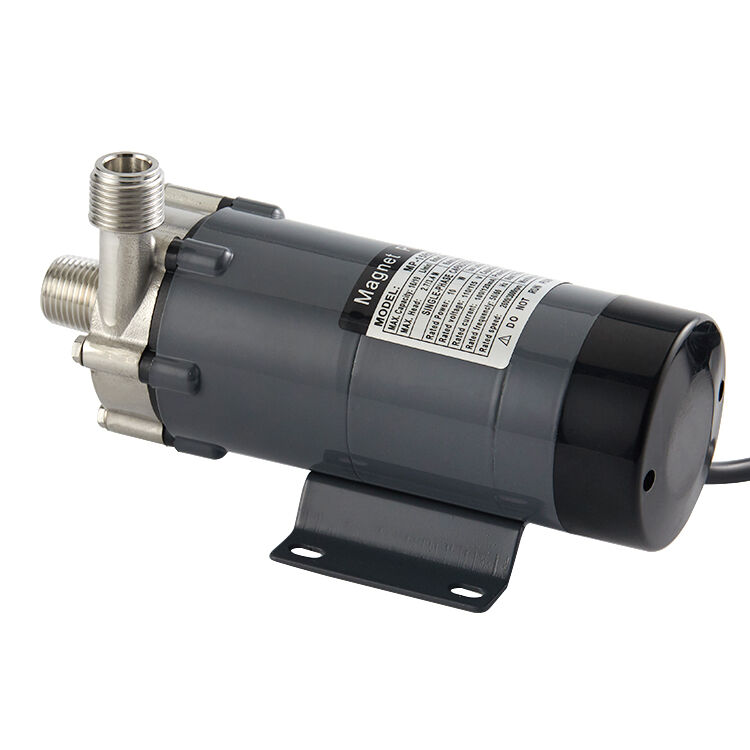
When deciding between a beer pump and a traditional tap system for your bar, understanding the fundamental differences in operation, cost, and customer experience becomes crucial for making the right investment. A beer pump operates through mechanical action to draw beer from the cask or keg, while a tap system relies on pressurized gas to push the beer through the lines, creating distinct advantages and limitations for different bar operations.
The choice between these two beer dispensing methods depends heavily on your bar's specific requirements, including the volume of beer served, the types of beer offered, maintenance capabilities, and overall operational budget. Both systems have carved out distinct niches in the hospitality industry, with each offering unique benefits that can significantly impact your establishment's efficiency, beer quality, and customer satisfaction levels.
Understanding Beer Pump Technology and Operation
How Beer Pumps Function in Commercial Settings
A beer pump utilizes mechanical energy to create suction that draws beer from storage containers through the dispensing system. The pump mechanism typically involves either a diaphragm or piston action that creates negative pressure, pulling the beer upward through the lines without relying on external gas pressure. This method requires the operator to manually activate the pump handle or switch, giving precise control over the flow rate and volume dispensed.
The beer pump system connects directly to casks or kegs positioned below the bar level, making it particularly suitable for traditional ale service and establishments that emphasize hand-pulled beer presentation. The mechanical nature of the beer pump allows for consistent flow control, enabling bartenders to achieve the perfect head formation and beer presentation that many customers expect from premium establishments.
Modern beer pump designs incorporate stainless steel components and food-grade materials that ensure hygiene standards while maintaining durability under continuous commercial use. The pump mechanism can handle various beer viscosities and carbonation levels, though it performs optimally with cask-conditioned ales and low-carbonation beers that don't require high-pressure dispensing systems.
Types of Beer Pumps Available for Bars
Hand-pull beer pumps represent the traditional approach, featuring a manual lever mechanism that bartenders operate to draw beer from the cask. These pumps offer complete control over dispensing speed and create an authentic pub atmosphere that appeals to customers seeking traditional beer service. The hand-pull beer pump requires physical effort but provides immediate feedback about beer flow and quality.
Electric beer pumps automate the dispensing process while maintaining the precision control benefits of pump-based systems. These units typically feature variable speed controls and can handle higher volumes than manual pumps, making them suitable for busy establishments that serve significant quantities of cask ales or specialty beers. The electric beer pump reduces bartender fatigue while maintaining consistent flow characteristics.
Portable beer pumps offer flexibility for temporary setups, outdoor events, or establishments that frequently change their beer offerings. These units can be easily moved between different cask locations and provide reliable service without permanent installation requirements. The portable design makes them particularly valuable for craft breweries, beer festivals, and establishments that rotate their cask beer selections regularly.
Traditional Tap Systems and Their Advantages
Pressurized Gas Systems in Modern Bars
Traditional tap systems rely on pressurized gas, typically carbon dioxide or nitrogen, to push beer through the dispensing lines from keg to glass. This method maintains consistent pressure throughout the system, ensuring reliable flow rates and consistent carbonation levels in the dispensed beer. The gas pressure system allows for multiple taps to operate simultaneously without affecting individual line performance.
The pressurized approach enables bars to serve highly carbonated beers, lagers, and specialty beverages that require specific pressure levels for optimal presentation. Modern tap systems can accommodate various gas mixtures, allowing establishments to serve different beer styles with their appropriate carbonation levels and serving characteristics. This versatility makes tap systems particularly suitable for bars offering diverse beer menus.
Gas pressure systems maintain beer quality by preventing oxidation and contamination during storage and dispensing. The positive pressure environment keeps air from entering the keg, preserving beer freshness for extended periods and reducing waste from spoiled products. This preservation capability becomes especially important for establishments with moderate beer turnover or those stocking premium imported beers.
Installation and Maintenance Considerations
Tap system installation requires extensive line routing, gas supply infrastructure, and temperature control equipment to maintain optimal beer quality. The complexity of installation typically demands professional setup and ongoing maintenance contracts to ensure proper operation. However, once properly installed, tap systems provide reliable service with minimal day-to-day intervention required from bar staff.
Regular line cleaning represents the primary maintenance requirement for tap systems, with most establishments performing weekly or bi-weekly cleaning cycles using specialized cleaning chemicals and equipment. The cleaning process ensures beer quality and prevents flavor contamination between different beer types. Professional cleaning services are often utilized to maintain consistent standards and comply with health regulations.
Temperature control systems integrated with tap installations help maintain optimal serving temperatures throughout the dispensing process. Glycol cooling lines or direct-draw refrigeration systems keep beer at consistent temperatures from keg to glass, ensuring quality presentation and customer satisfaction. These systems require periodic maintenance but provide reliable temperature control for optimal beer service.
Comparing Operational Costs and Efficiency
Initial Investment and Setup Expenses
Beer pump systems generally require lower initial investment compared to comprehensive tap installations, particularly for establishments focusing on cask ales or traditional beer service. The beer pump equipment itself represents a moderate capital expense, with additional costs for cask storage and basic line installation. Simple hand-pull installations can be completed with minimal infrastructure modifications to existing bar setups.
Traditional tap systems involve substantial upfront costs including gas supply systems, extensive line installation, cooling equipment, and professional setup services. The comprehensive nature of tap system installation often requires significant bar renovation and infrastructure upgrades. However, these systems provide long-term operational advantages that can justify the higher initial investment for high-volume establishments.
The cost comparison becomes more complex when considering the total system capacity and long-term operational requirements. While beer pump installations may appear less expensive initially, establishments requiring multiple dispensing points or high-volume service may find tap systems more cost-effective when calculated on a per-serving basis over time.
Ongoing Operational Expenses
Beer pump systems typically incur lower ongoing operational costs, with minimal utility consumption and reduced maintenance requirements compared to pressurized systems. The primary expenses involve occasional pump maintenance, line replacement, and cleaning supplies. Manual beer pump operation eliminates gas supply costs and reduces the complexity of routine maintenance procedures.
Tap systems require continuous gas supply, electricity for cooling systems, regular line cleaning chemicals, and periodic professional maintenance services. These ongoing costs can be substantial for multi-tap installations but are often offset by higher serving volumes and reduced beer waste. The operational efficiency of tap systems becomes more pronounced in high-volume establishments where labor costs and service speed significantly impact profitability.
Labor considerations also affect operational costs, with beer pump systems requiring more bartender time per serving but potentially reducing the need for specialized technical maintenance. Tap systems offer faster service but require more sophisticated troubleshooting skills and professional maintenance relationships. The labor cost impact varies significantly based on establishment volume and staffing structure.
Customer Experience and Beer Quality Factors
Serving Speed and Volume Capabilities
Beer pump systems inherently provide slower service compared to tap systems, as each serving requires manual activation and controlled dispensing. This slower pace can enhance the customer experience for traditional ale service, where the deliberate serving process adds to the authenticity and perceived quality of the beer. However, the slower speed can become a bottleneck during peak service periods in high-volume establishments.
Traditional tap systems excel in high-volume service situations, allowing bartenders to quickly fill multiple glasses while maintaining consistent quality and presentation. The rapid dispensing capability becomes crucial during busy periods, sports events, or establishments with limited bartending staff. The efficiency advantage of tap systems directly translates to improved customer satisfaction through reduced wait times.
The volume capability differences become particularly important when considering the establishment's peak service requirements and customer expectations. Beer pump systems work well for specialty beer service or establishments where customers value the traditional serving experience over speed. Tap systems better suit establishments prioritizing quick service and high throughput during busy periods.
Beer Quality and Presentation Standards
Beer pump systems often produce superior beer quality for cask ales and traditional beers, as the gentle drawing action preserves delicate flavors and creates optimal head formation without excessive agitation. The controlled dispensing process allows bartenders to achieve precise presentation standards and customize the serving characteristics for different beer styles. This quality advantage particularly benefits establishments specializing in craft ales or traditional brewing styles.
Tap systems provide consistent quality for highly carbonated beers and maintain optimal pressure levels throughout the dispensing process. The pressurized environment ensures consistent carbonation and prevents flavor degradation during storage and serving. Modern tap systems can accommodate various beer styles while maintaining their intended characteristics and presentation standards.
The quality comparison ultimately depends on the specific beer styles being served and the establishment's quality standards. Beer pump systems excel with cask-conditioned ales and low-carbonation styles, while tap systems perform better with lagers, highly carbonated beers, and establishments requiring consistent presentation across multiple beer types simultaneously.
FAQ
Which system requires less maintenance, beer pumps or taps?
Beer pump systems generally require less complex maintenance compared to tap systems. Beer pumps need occasional mechanical servicing and basic line cleaning, while tap systems require regular gas supply monitoring, extensive line cleaning, cooling system maintenance, and professional servicing. However, tap systems often provide more reliable daily operation once properly maintained, making the maintenance investment worthwhile for high-volume establishments.
Can beer pumps handle all types of beer effectively?
Beer pumps work best with cask ales, traditional beers, and low-carbonation styles but may struggle with highly carbonated lagers or specialty beers requiring specific pressure levels. The mechanical drawing action of beer pumps can affect carbonation levels in highly pressurized beers, potentially altering their intended characteristics. Establishments serving diverse beer styles may find tap systems more versatile for accommodating different beer types.
What volume of beer service justifies choosing tap systems over beer pumps?
Establishments serving more than 100 pints per day typically benefit from tap system efficiency, while lower-volume establishments or those focusing on specialty beer service may find beer pumps more appropriate. The break-even point depends on labor costs, customer expectations, and the types of beers served. High-volume establishments almost always benefit from tap system speed and consistency, while specialty beer bars may prioritize the quality advantages of beer pump systems.
How do installation requirements differ between beer pumps and tap systems?
Beer pump installation typically requires minimal infrastructure changes, basic line routing, and simple electrical connections for powered units. Tap system installation involves comprehensive gas supply infrastructure, extensive line installation, cooling systems, and professional setup services. The installation complexity makes tap systems more suitable for new construction or major renovations, while beer pumps can be added to existing setups with minimal disruption.