
 EN
EN
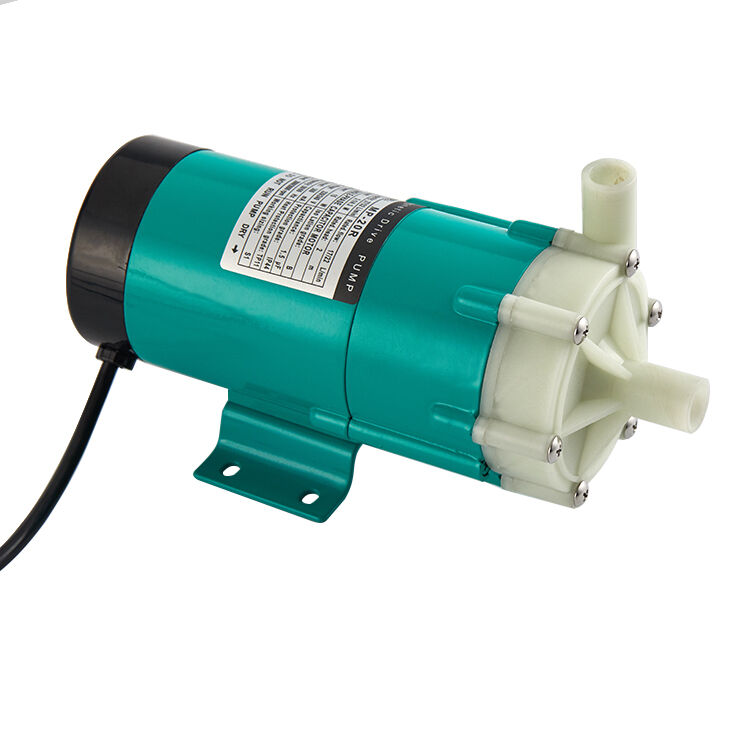
Selecting the right magnetic pump for industrial applications requires understanding the complex interplay between operational requirements, fluid characteristics, and system constraints. As magnetic drive technology continues advancing through 2026, engineers face an increasingly sophisticated array of options, each designed to address specific pumping challenges while maintaining the hermetic sealing advantages that make magnetic pump technology indispensable in critical applications.
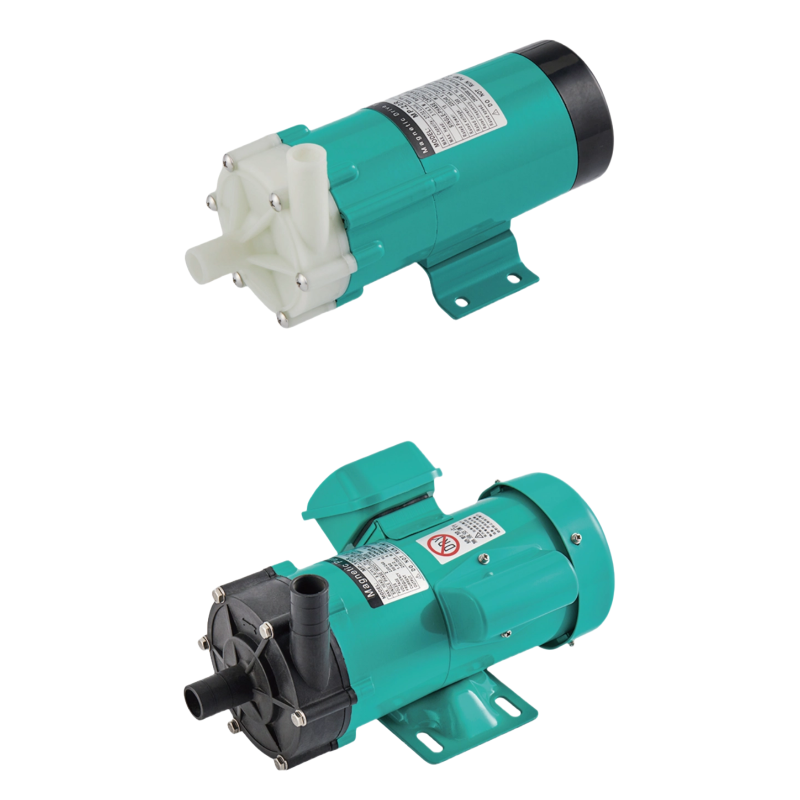
The decision-making process for magnetic pump selection has evolved significantly, driven by enhanced materials science, improved magnetic coupling designs, and stricter environmental regulations. Modern magnetic pump systems offer superior performance characteristics compared to conventional sealed pumps, eliminating the risks associated with mechanical seal failures while providing reliable operation across diverse industrial sectors including chemical processing, pharmaceutical manufacturing, and high-purity applications.
Understanding Magnetic Pump Operating Principles
Magnetic Coupling Technology Fundamentals
The core advantage of any magnetic pump lies in its hermetically sealed design, achieved through magnetic coupling rather than traditional mechanical seals. This configuration utilizes powerful rare-earth magnets to transfer torque from the motor-driven outer magnet assembly to the inner magnet assembly connected to the impeller. The containment shell, typically constructed from high-grade stainless steel or specialized alloys, provides complete isolation between the process fluid and the external environment.
Modern magnetic pump designs incorporate advanced magnetic materials that maintain coupling strength across extended temperature ranges while resisting demagnetization. The magnetic coupling efficiency directly impacts pump performance, with properly designed systems achieving torque transmission rates exceeding 95 percent under normal operating conditions. Understanding these fundamental principles enables engineers to evaluate how different magnetic pump configurations will perform within their specific application parameters.
Internal Circulation and Cooling Mechanisms
Effective internal circulation represents a critical design element that distinguishes high-performance magnetic pump systems from standard configurations. The pumped fluid serves dual purposes, providing both the primary flow output and essential cooling for the magnetic coupling assembly. Internal circulation pathways must be carefully engineered to ensure adequate cooling flow reaches the containment shell area, preventing excessive temperature buildup that could compromise magnetic coupling integrity.
Advanced magnetic pump designs incorporate sophisticated internal flow management systems, including engineered circulation channels and optimized clearances that promote consistent cooling flow distribution. These design features become particularly important when handling fluids with limited cooling capacity or when operating at elevated temperatures where thermal management directly affects system reliability and operational longevity.
Application-Specific Selection Criteria
Chemical Compatibility Assessment
Chemical compatibility evaluation forms the foundation of magnetic pump selection, requiring comprehensive analysis of how process fluids interact with wetted materials throughout the pump assembly. The containment shell, impeller, volute casing, and internal circulation components must all demonstrate chemical resistance to the specific fluids being pumped, considering not only the primary chemical composition but also trace contaminants, temperature effects, and potential chemical reactions.
Material selection for magnetic pump applications extends beyond basic corrosion resistance to include considerations such as stress corrosion cracking susceptibility, galvanic compatibility, and long-term degradation patterns. High-performance applications often require specialized materials including super duplex stainless steels, exotic alloys, or engineered polymers that provide superior resistance to aggressive chemicals while maintaining structural integrity under operational stresses.
Flow Rate and Pressure Requirements
Accurate determination of flow rate and pressure requirements enables proper magnetic pump sizing that optimizes both performance and energy efficiency. Unlike conventional pumps where oversizing provides operational flexibility, magnetic pump systems require more precise sizing due to the relationship between internal circulation flow and magnetic coupling cooling requirements. Operating significantly below design flow rates can reduce cooling effectiveness, while excessive flow rates may compromise magnetic coupling stability.
System head calculations must account for all pressure losses including piping friction, static head, equipment pressure drops, and safety margins. Modern magnetic pump selection tools incorporate computational fluid dynamics modeling that predicts performance characteristics across the complete operating envelope, enabling engineers to identify optimal operating points that balance efficiency, reliability, and operational flexibility requirements.
Performance Optimization Factors
Magnetic Coupling Strength and Temperature Considerations
Magnetic coupling strength directly influences the operational reliability and performance envelope of magnetic pump systems. High-strength magnetic materials enable greater torque transmission capacity, supporting higher flow rates and pressures while maintaining coupling integrity. However, magnetic strength decreases with temperature, requiring careful evaluation of operating temperature ranges and their impact on available magnetic coupling capacity.
Temperature considerations extend beyond simple magnetic strength calculations to include thermal expansion effects, material property changes, and cooling system effectiveness. Advanced magnetic pump designs incorporate temperature monitoring systems that provide real-time feedback on magnetic coupling conditions, enabling predictive maintenance strategies and operational optimization. These monitoring capabilities become essential when operating near temperature limits or in applications with significant temperature variations.
Efficiency and Energy Consumption Analysis
Energy efficiency optimization requires understanding how magnetic pump design characteristics affect overall power consumption and operational costs. The magnetic coupling system introduces additional losses compared to direct-drive configurations, but these losses are typically offset by elimination of seal flush systems, reduced maintenance requirements, and improved reliability. Proper magnetic pump selection considers both initial efficiency and long-term energy costs across the complete system lifecycle.
Modern magnetic pump efficiency optimization incorporates variable frequency drive compatibility, enabling operational flexibility that matches pump performance to actual system demands. This approach reduces energy consumption during periods of reduced demand while maintaining full performance capability when required. Advanced control systems can optimize magnetic pump operation in real-time, adjusting operating parameters to maintain peak efficiency across varying operational conditions.
Installation and System Integration
Piping System Design Considerations
Effective magnetic pump installation requires careful attention to piping system design that supports optimal pump performance while accommodating the unique characteristics of magnetic drive technology. Suction piping design becomes particularly critical, as magnetic pump systems are generally more sensitive to suction conditions than conventional pumps. Adequate net positive suction head margins, proper pipe sizing, and elimination of air pockets ensure reliable magnetic pump operation.
System integration considerations include provision for thermal expansion, vibration isolation, and accessibility for maintenance activities. Magnetic pump installations benefit from simplified piping configurations that minimize pressure losses and reduce potential leak points. The elimination of seal flush systems simplifies installation requirements, but proper support and alignment remain essential for long-term operational reliability.
Control System Integration and Monitoring
Modern magnetic pump applications increasingly incorporate sophisticated control and monitoring systems that optimize performance while providing early warning of potential issues. Temperature monitoring of the magnetic coupling assembly enables predictive maintenance strategies, while flow and pressure monitoring ensures operation within design parameters. These monitoring capabilities become particularly valuable in critical applications where unexpected downtime carries significant operational or safety consequences.
Advanced magnetic pump control systems can integrate with plant-wide automation platforms, enabling coordinated operation with upstream and downstream equipment. This integration capability supports process optimization strategies that maximize overall system efficiency while maintaining the operational flexibility required for varying process conditions. Remote monitoring capabilities enable expert support and troubleshooting, reducing the need for on-site specialized expertise.
Maintenance and Lifecycle Management
Preventive Maintenance Strategies
Magnetic pump maintenance strategies differ significantly from conventional pump approaches due to the hermetically sealed design and magnetic coupling technology. The elimination of mechanical seals removes a major maintenance concern, but magnetic pump systems require attention to magnetic coupling condition, internal circulation effectiveness, and containment shell integrity. Preventive maintenance programs should incorporate regular monitoring of magnetic coupling temperature, vibration analysis, and performance trending to identify developing issues before they impact operations.
Effective maintenance programs for magnetic pump systems emphasize condition-based monitoring over time-based maintenance intervals. Advanced diagnostic techniques including magnetic field analysis, thermal imaging, and vibration signature analysis provide insights into magnetic pump condition that enable optimized maintenance timing. These approaches reduce unnecessary maintenance activities while ensuring reliable operation and maximum equipment lifecycle value.
Lifecycle Cost Analysis and Replacement Planning
Comprehensive lifecycle cost analysis for magnetic pump systems must consider initial purchase price, installation costs, energy consumption, maintenance requirements, and operational reliability impacts. While magnetic pump systems typically carry higher initial costs compared to conventional alternatives, the total cost of ownership often favors magnetic pump technology due to reduced maintenance requirements, improved reliability, and elimination of environmental compliance costs associated with seal leakage.
Replacement planning for magnetic pump applications should consider evolving technology improvements, changing process requirements, and regulatory developments that may affect future operational needs. Modern magnetic pump designs offer significantly improved performance and reliability compared to earlier generations, making technology upgrades an important consideration in long-term asset management strategies. Planning for future magnetic pump requirements ensures compatibility with evolving process needs and regulatory requirements.
FAQ
What are the key advantages of magnetic pumps over conventional sealed pumps?
Magnetic pumps provide hermetic sealing that eliminates the risk of process fluid leakage, making them ideal for hazardous, toxic, or high-purity applications. They require no seal flush systems, reduce maintenance requirements, and offer improved reliability in critical applications. The magnetic coupling design also eliminates the potential for seal failure, which is a common cause of unplanned downtime in conventional pump systems.
How do I determine the appropriate magnetic pump size for my application?
Proper magnetic pump sizing requires accurate determination of flow rate, system head, fluid properties, and operating conditions. Unlike conventional pumps, magnetic pump systems require more precise sizing due to internal circulation cooling requirements. Consultation with magnetic pump specialists and use of manufacturer selection software ensures optimal sizing that balances performance, efficiency, and reliability requirements for your specific application.
What maintenance considerations are unique to magnetic pump systems?
Magnetic pump maintenance focuses on magnetic coupling condition monitoring, internal circulation effectiveness, and containment shell integrity rather than mechanical seal replacement. Key maintenance activities include temperature monitoring of the magnetic coupling assembly, vibration analysis, and performance trending. The hermetic design eliminates many conventional maintenance concerns but requires specialized diagnostic approaches to ensure optimal long-term performance.
Can magnetic pumps handle high-temperature applications effectively?
Modern magnetic pump designs can effectively handle elevated temperature applications through advanced magnetic materials and sophisticated cooling systems. However, magnetic coupling strength decreases with temperature, requiring careful evaluation of operating temperature ranges and their impact on available torque capacity. High-temperature magnetic pump applications often incorporate specialized cooling systems and temperature monitoring to ensure reliable operation within design parameters.