 EN
EN
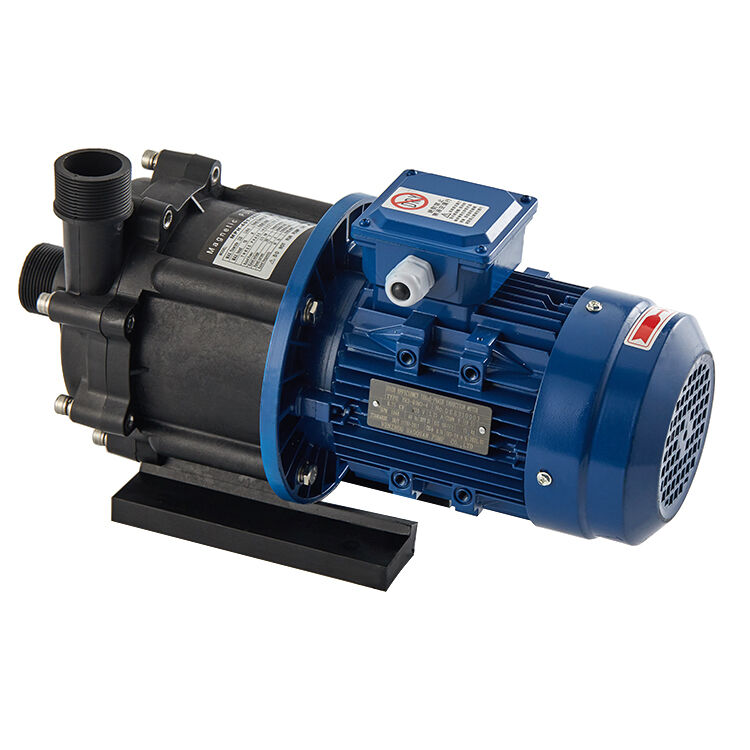
When industrial operations involve handling aggressive chemicals, acids, or other corrosive substances, selecting the right corrosive pump becomes critical to maintaining operational efficiency and preventing costly equipment failures. The market offers numerous brands claiming superior corrosion resistance, but understanding the actual performance differences requires examining specific design features, material compositions, and real-world applications. This comprehensive expert review analyzes the leading corrosive pump manufacturers, evaluating their technologies, reliability records, and suitability for different industrial environments.
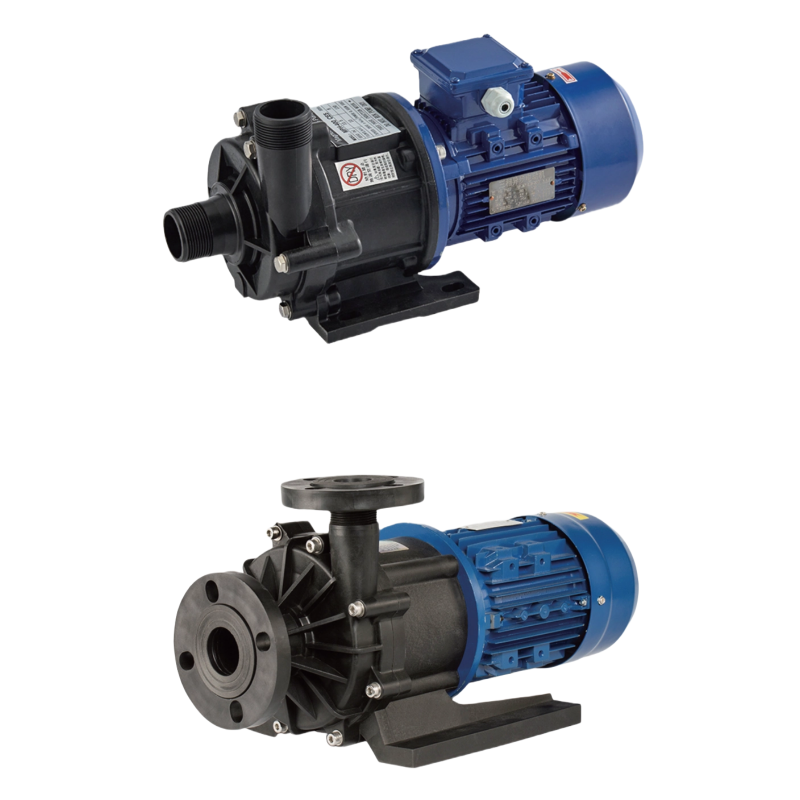
Professional engineers and procurement specialists face significant challenges when evaluating corrosive pump options, as marketing claims often overshadow technical specifications. This analysis focuses on quantifiable performance metrics, material science innovations, and documented field performance across various chemical processing industries. By examining pump design philosophies, seal technologies, and construction materials, this review provides the technical foundation necessary for informed decision-making in corrosive fluid handling applications.
Material Engineering and Construction Quality
Advanced Alloy Compositions
Leading corrosive pump manufacturers differentiate themselves through sophisticated material selections that address specific chemical compatibility requirements. High-performance brands utilize specialized stainless steel grades, including duplex and super duplex alloys, which provide exceptional resistance to pitting and stress corrosion cracking. These advanced materials undergo precise heat treatment processes to optimize their microstructure for enhanced corrosion resistance while maintaining mechanical strength under demanding operational conditions.
Premium corrosive pump designs incorporate nickel-based superalloys and titanium components in critical wear areas, particularly in impeller and volute construction. These material choices reflect extensive research into electrochemical behavior and galvanic compatibility, ensuring long-term performance in aggressive chemical environments. The manufacturing precision required for these exotic materials often distinguishes top-tier brands from conventional pump suppliers.
Quality control protocols for material verification represent another significant differentiator among corrosive pump manufacturers. Leading brands implement comprehensive testing procedures, including positive material identification, mechanical property verification, and corrosion resistance validation through standardized exposure tests. This rigorous approach to material engineering ensures consistent performance across production batches and provides reliable protection against unexpected chemical interactions.
Protective Coating Technologies
Surface engineering advances have enabled corrosive pump manufacturers to extend equipment life through innovative coating applications. High-performance brands utilize ceramic-based coatings, fluoropolymer treatments, and engineered surface modifications that create additional barriers against chemical attack. These protective systems undergo extensive adhesion testing and chemical exposure validation to ensure long-term integrity under operational stresses.
Advanced coating technologies incorporate multiple layers with specific functional properties, including primer systems for adhesion, barrier layers for chemical resistance, and topcoats for mechanical protection. The application processes require controlled atmospheric conditions and precise temperature management, reflecting the sophisticated manufacturing capabilities of premium corrosive pump suppliers. These coating systems often provide cost-effective alternatives to exotic base materials while maintaining comparable corrosion resistance.
Quality assurance for protective coatings involves comprehensive testing protocols, including thickness verification, adhesion strength measurement, and accelerated aging studies. Leading manufacturers maintain detailed coating specifications and application procedures, ensuring consistent protection across their corrosive pump product lines. This systematic approach to surface protection significantly impacts long-term operational costs and maintenance requirements.
Seal Technology and Containment Systems
Mechanical Seal Innovations
Seal technology represents a critical performance differentiator among corrosive pump manufacturers, as containment failures can result in environmental releases and safety hazards. Advanced brands develop proprietary seal designs incorporating specialized face materials, such as silicon carbide and tungsten carbide combinations, which resist chemical degradation while maintaining precise surface finishes. These engineered sealing systems undergo extensive testing under simulated operational conditions to validate their performance limits.
Premium corrosive pump designs utilize dual mechanical seals with barrier fluid systems that provide additional protection against process fluid leakage. The barrier fluid selection and circulation systems require careful engineering to maintain optimal temperatures and pressures while ensuring chemical compatibility with both the process fluid and seal materials. This sophisticated approach to containment reflects the technical expertise of leading manufacturers.
Seal monitoring systems integrated into modern corrosive pump designs enable predictive maintenance strategies and early failure detection. Advanced manufacturers incorporate pressure, temperature, and vibration sensors that provide real-time feedback on seal performance, allowing operators to schedule maintenance before catastrophic failures occur. This proactive approach to seal management significantly reduces unplanned downtime and maintenance costs.
Magnetic Drive Alternatives
Magnetic drive technology eliminates traditional shaft seals entirely, providing absolute containment for highly corrosive or toxic fluids. Leading corrosive pump manufacturers have developed sophisticated magnetic coupling systems that maintain high efficiency while ensuring reliable torque transmission across the containment barrier. These sealless designs require precise magnetic field calculations and advanced materials to prevent demagnetization under operational stresses.
Thermal management in magnetic drive corrosive pumps presents unique engineering challenges, as the containment shell limits heat dissipation from the magnetic coupling. Premium manufacturers address this through innovative cooling designs, including process fluid circulation patterns and external heat exchangers that maintain optimal operating temperatures. These thermal management systems prevent magnetic degradation and ensure long-term reliability in demanding applications.
Quality control for magnetic drive systems involves comprehensive performance testing under various loading conditions and temperature extremes. Leading manufacturers conduct extensive endurance testing to validate magnetic retention and coupling efficiency over extended operational periods. This rigorous validation process ensures that sealless corrosive pump designs meet their containment objectives while maintaining acceptable hydraulic performance.
Hydraulic Design and Efficiency Optimization
Computational Fluid Dynamics Applications
Modern corrosive pump development relies heavily on computational fluid dynamics simulations to optimize internal flow patterns and minimize erosion-corrosion effects. Leading manufacturers utilize advanced CFD modeling to analyze velocity distributions, pressure gradients, and turbulence characteristics within pump geometries. These sophisticated analysis tools enable engineers to identify potential problem areas and refine designs before physical prototyping, resulting in more efficient and durable corrosive pump configurations.
Flow visualization studies reveal how different impeller geometries and volute designs affect particle trajectories and wall shear stresses in corrosive pump applications. Premium brands invest significantly in CFD capabilities, enabling them to develop proprietary hydraulic designs that minimize wear while maximizing efficiency. These computational tools also facilitate the optimization of pump performance across different operating points, ensuring reliable operation under varying process conditions.
Validation of CFD predictions through experimental testing distinguishes serious corrosive pump manufacturers from suppliers relying solely on scaled versions of existing designs. Leading brands maintain extensive hydraulic testing facilities where prototype pumps undergo performance verification under controlled conditions. This integration of computational design and experimental validation ensures that new corrosive pump models meet their performance specifications in real-world applications.
Efficiency and Energy Considerations
Energy efficiency has become increasingly important in corrosive pump selection, as operational costs often exceed initial equipment investments over the pump's lifecycle. Advanced manufacturers focus on hydraulic optimization to minimize power consumption while maintaining required flow and pressure characteristics. These efficiency improvements typically involve careful attention to impeller blade angles, volute geometry, and internal clearances that affect volumetric losses.
Variable frequency drive compatibility represents another important consideration in modern corrosive pump applications, as process requirements often vary over time. Leading manufacturers design their pumps to maintain acceptable efficiency across broad operating ranges, enabling effective speed control for energy optimization. This capability requires careful attention to hydraulic stability and mechanical balance across the operating envelope.
Life cycle cost analysis tools provided by premium corrosive pump manufacturers help users evaluate the total economic impact of different equipment options. These analytical frameworks consider initial costs, energy consumption, maintenance requirements, and expected service life to provide comprehensive economic comparisons. Such tools reflect the technical sophistication and customer support capabilities of leading suppliers in the corrosive pump market.
Application-Specific Design Considerations
Chemical Processing Requirements
Chemical processing applications present diverse challenges for corrosive pump selection, ranging from high-temperature acids to abrasive slurries containing aggressive chemicals. Leading manufacturers develop application-specific designs that address these varied requirements through targeted material selections and design modifications. Understanding the specific chemical environment, including concentration levels, temperature ranges, and potential contamination sources, enables proper corrosive pump specification for optimal performance.
Temperature effects on corrosion rates require careful consideration in corrosive pump applications, as elevated temperatures typically accelerate chemical attack mechanisms. Premium brands provide detailed temperature-corrosion rate data for their materials and designs, enabling users to assess long-term performance expectations. These technical resources reflect the extensive testing and documentation capabilities of serious corrosive pump suppliers.
Process fluid characteristics beyond chemical composition affect corrosive pump selection, including viscosity, density, and suspended solids content. Leading manufacturers offer design variants optimized for specific fluid properties, such as modified impeller geometries for high-viscosity applications or hardened surfaces for abrasive services. This application-focused approach distinguishes specialized corrosive pump suppliers from general-purpose equipment vendors.
Industry Standards and Compliance
Regulatory compliance requirements vary significantly across industries using corrosive pumps, from pharmaceutical applications requiring FDA-approved materials to petrochemical installations following API standards. Leading manufacturers maintain comprehensive certification programs and quality management systems that address these diverse regulatory requirements. This commitment to compliance reflects the organizational maturity and technical capabilities necessary for success in demanding corrosive pump applications.
Documentation and traceability requirements for corrosive pump components become critical in regulated industries, where material certifications and manufacturing records must be maintained throughout the equipment lifecycle. Premium suppliers provide detailed documentation packages including material test reports, dimensional inspection data, and performance test results. This comprehensive documentation capability distinguishes professional corrosive pump manufacturers from suppliers focused solely on commodity markets.
International standards compliance enables corrosive pump manufacturers to serve global markets while ensuring consistent quality and performance characteristics. Leading brands maintain certifications from multiple international organizations and participate in standards development activities that shape industry best practices. This active involvement in standards organizations reflects their technical leadership and commitment to advancing corrosive pump technology.
Service Support and Technical Expertise
Application Engineering Capabilities
Technical support quality often determines the success of corrosive pump installations, as proper application engineering prevents many common operational problems. Leading manufacturers maintain experienced application engineering teams capable of analyzing complex process requirements and recommending optimal equipment configurations. These technical resources provide valuable guidance during the selection process and ongoing operational support throughout the equipment lifecycle.
Corrosive pump application engineering involves understanding not only the immediate process requirements but also potential future changes and operational variations. Experienced suppliers provide guidance on design margins, operational flexibility, and upgrade options that accommodate evolving process needs. This forward-thinking approach to application engineering adds significant value beyond the initial equipment supply.
Training and technical education programs offered by premium corrosive pump manufacturers help users optimize equipment performance and extend service life. These educational resources cover topics ranging from basic pump principles to advanced troubleshooting techniques, enabling maintenance personnel to address operational issues effectively. Such comprehensive support programs reflect the customer service philosophy of leading suppliers in the corrosive pump market.
Maintenance and Spare Parts Availability
Long-term parts availability represents a critical consideration in corrosive pump selection, as specialized materials and components may require extended lead times if not properly managed. Leading manufacturers maintain comprehensive spare parts inventories and provide clear guidance on recommended spare parts levels for different operational scenarios. This proactive approach to parts support minimizes downtime risks associated with component failures.
Field service capabilities distinguish premium corrosive pump suppliers from equipment vendors that rely primarily on third-party service providers. Experienced manufacturers maintain trained service technicians familiar with their specific designs and capable of performing complex repairs and modifications. This specialized service capability proves particularly valuable in critical applications where downtime costs are substantial.
Predictive maintenance technologies integrated into modern corrosive pump designs enable condition-based maintenance strategies that optimize equipment availability while minimizing maintenance costs. Leading suppliers provide comprehensive condition monitoring systems and analytical tools that help users identify emerging problems before they result in failures. These advanced maintenance technologies represent significant value-added services that extend beyond basic equipment supply.
FAQ
What factors should be prioritized when comparing different corrosive pump brands?
Material compatibility with your specific chemicals should be the primary consideration, followed by seal technology reliability and manufacturer technical support capabilities. Evaluate documented field performance data, not just marketing claims, and consider the total cost of ownership including energy consumption, maintenance requirements, and parts availability. Request detailed material certifications and corrosion test data to verify manufacturer claims about chemical resistance.
How do magnetic drive corrosive pumps compare to sealed designs in terms of performance and reliability?
Magnetic drive pumps eliminate seal leakage entirely but typically operate at lower efficiencies and require more careful application engineering to prevent overheating. They excel in highly toxic or environmentally sensitive applications where containment is critical. Sealed designs generally offer higher efficiency and lower initial costs but require ongoing seal maintenance and monitoring. The choice depends on your specific containment requirements, efficiency priorities, and maintenance capabilities.
What documentation should be expected from premium corrosive pump manufacturers?
Comprehensive material certifications including chemical composition analysis, mechanical property verification, and corrosion resistance test data should be standard. Performance test reports, dimensional inspection records, and detailed assembly procedures demonstrate manufacturing quality control. Application engineering calculations, installation guidelines, and maintenance recommendations provide essential technical support. Premium suppliers also provide lifecycle cost analysis tools and predictive maintenance guidance.
How important is local service support when selecting a corrosive pump brand?
Local service support becomes critical for complex corrosive pump applications where specialized knowledge is required for troubleshooting and maintenance. Consider the manufacturer's service network coverage, technician training levels, and spare parts inventory locations. Emergency response capabilities and technical support availability can significantly impact operational reliability. Evaluate the manufacturer's commitment to long-term support through their investment in local infrastructure and personnel.
Table of Contents
- Material Engineering and Construction Quality
- Seal Technology and Containment Systems
- Hydraulic Design and Efficiency Optimization
- Application-Specific Design Considerations
- Service Support and Technical Expertise
-
FAQ
- What factors should be prioritized when comparing different corrosive pump brands?
- How do magnetic drive corrosive pumps compare to sealed designs in terms of performance and reliability?
- What documentation should be expected from premium corrosive pump manufacturers?
- How important is local service support when selecting a corrosive pump brand?