 EN
EN
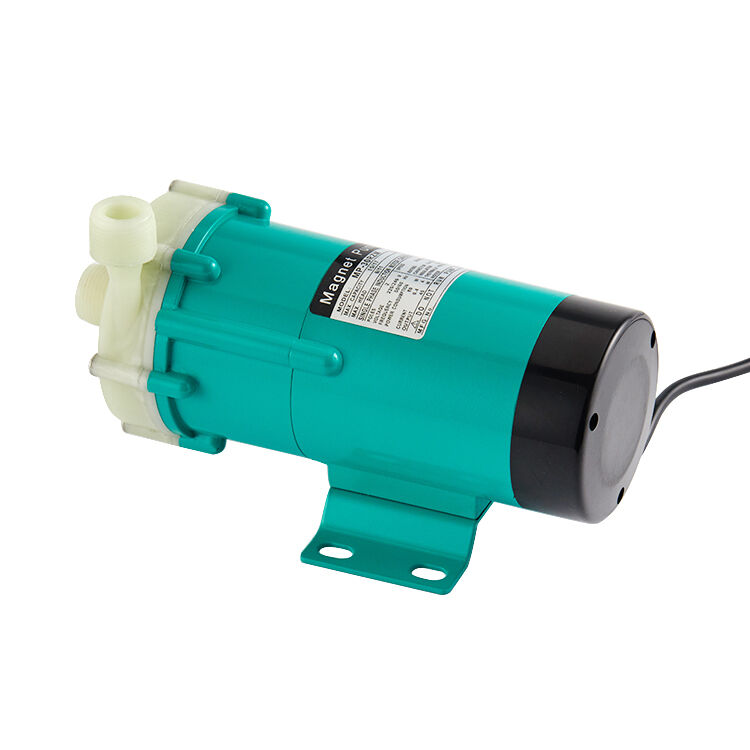
Corrosive pump failures can bring industrial operations to a costly standstill, creating downtime that impacts productivity and profitability across chemical processing, wastewater treatment, and manufacturing facilities. When dealing with aggressive chemicals, acids, and caustic solutions, standard pumping equipment quickly deteriorates, leading to frequent repairs, replacement costs, and potential safety hazards that threaten both personnel and environmental compliance.
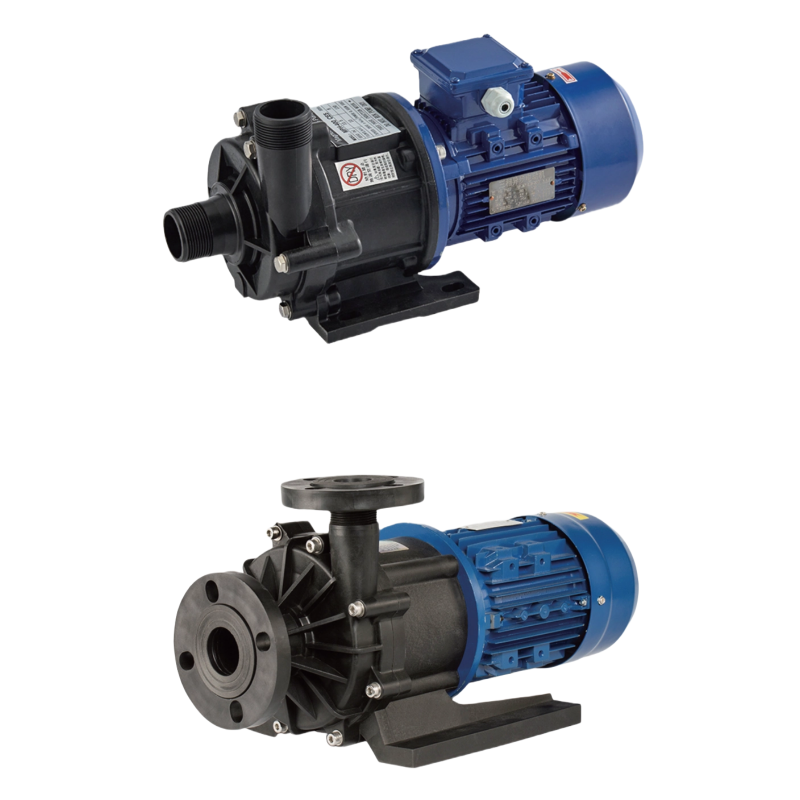
Understanding the most prevalent corrosive pump problems and their proven solutions enables facility managers and engineers to implement preventive strategies that extend equipment life, reduce maintenance expenses, and ensure reliable operation in challenging chemical environments. This comprehensive analysis examines the root causes behind common pump failures and provides actionable remedies that industrial professionals can implement to optimize their corrosive fluid handling systems.
Material Degradation and Chemical Attack Issues
Corrosion-Induced Impeller Damage
Impeller deterioration represents one of the most critical problems affecting corrosive pump performance, as chemical attack gradually erodes the metal surfaces that generate hydraulic pressure. Standard cast iron or carbon steel impellers experience rapid degradation when exposed to acidic solutions, chlorinated compounds, or alkaline chemicals, resulting in reduced efficiency, cavitation, and eventual mechanical failure that requires costly emergency repairs.
The solution involves selecting impellers manufactured from chemically resistant materials such as duplex stainless steel, Hastelloy, or specialized polymer composites that withstand specific corrosive environments. Material selection must consider the exact chemical composition, concentration levels, and operating temperatures to ensure optimal resistance and longevity in each application.
Regular impeller inspection protocols should include visual examination for pitting, erosion patterns, and dimensional changes that indicate ongoing chemical attack. Implementing condition monitoring techniques such as vibration analysis and performance trending helps detect early signs of impeller degradation before catastrophic failure occurs.
Casing and Volute Deterioration
Pump casings experience severe chemical attack that manifests as wall thinning, pitting corrosion, and stress cracking that compromises structural integrity and creates potential leak points. Conventional materials fail rapidly in corrosive environments, leading to containment loss, environmental contamination, and significant safety risks that demand immediate attention and costly emergency response measures.
Upgrading to corrosion-resistant casing materials such as fiberglass reinforced plastic (FRP), polyvinylidene fluoride (PVDF), or specialized alloys provides long-term protection against chemical attack. The selection process must evaluate chemical compatibility charts, temperature ratings, and mechanical strength requirements to ensure proper material specification for each unique application.
Protective coating systems offer an alternative solution for existing equipment, utilizing specialized chemical-resistant linings that create a barrier between the pump casing and corrosive fluids. These coatings require proper surface preparation, application techniques, and periodic inspection to maintain their protective properties throughout the service life.
Seal System Failures and Leakage Problems
Mechanical Seal Chemical Compatibility Issues
Mechanical seal failures represent a leading cause of corrosive pump downtime, as standard elastomer and metal components deteriorate rapidly when exposed to aggressive chemicals. Seal face materials may experience swelling, hardening, or chemical dissolution that destroys the precision surfaces required for effective sealing, resulting in process fluid leakage and contamination concerns.
Implementing chemically compatible seal designs requires careful selection of face materials, elastomers, and hardware components that resist the specific corrosive environment. Advanced seal materials such as silicon carbide, tungsten carbide, or specialized ceramics provide superior chemical resistance compared to standard carbon and stainless steel combinations.
Dual seal arrangements with barrier fluid systems offer enhanced protection by isolating the mechanical seal from direct contact with corrosive process fluids. The barrier fluid creates a clean, controlled environment that extends seal life while providing early warning of primary seal failure through monitoring systems that detect barrier fluid pressure changes.
Seal Support System Contamination
Corrosive pump seal support systems frequently experience contamination that degrades lubrication effectiveness and accelerates component wear. Chemical vapors, process fluid ingress, and corrosive condensates can contaminate seal flush systems, quench systems, and lubrication circuits, leading to premature seal failure and unscheduled maintenance interventions.
Installing proper filtration and purge systems prevents contaminant accumulation in seal support circuits while maintaining clean operating conditions. Nitrogen purge systems create positive pressure barriers that prevent corrosive vapors from entering seal chambers, while heated flush systems maintain optimal operating temperatures and prevent crystallization in the seal area.
Regular monitoring of seal support system parameters including pressure, temperature, and flow rates enables early detection of contamination issues before they cause seal failure. Implementing trending analysis and alarm systems provides operators with advance warning of developing problems that require corrective action.
Bearing and Rotating Assembly Degradation
Corrosive Atmosphere Bearing Damage
Bearing assemblies in corrosive pump applications suffer from chemical attack that destroys lubrication films, corrodes bearing surfaces, and contaminates lubricants with corrosive particles. Standard bearing materials and lubricants prove inadequate in aggressive chemical environments, leading to premature failure, shaft damage, and potential catastrophic pump destruction that requires complete equipment replacement.
Corrosion-resistant bearing materials such as ceramic or specialized coated bearings provide enhanced protection against chemical attack while maintaining precision tolerances required for smooth operation. These advanced bearing systems resist degradation from corrosive atmospheres and maintain lubrication integrity even under challenging operating conditions.
Implementing proper bearing protection through purge gas systems, labyrinth seals, and environmental isolation prevents corrosive vapors from reaching bearing surfaces. Positive pressure nitrogen purge systems create clean zones around bearing assemblies while specialized seal designs prevent contamination ingress without impeding normal thermal expansion.
Shaft Corrosion and Coupling Problems
Pump shafts experience corrosive attack that creates surface roughness, dimensional changes, and mechanical weakness that compromises rotational accuracy and bearing fit tolerances. Corrosion pitting and general surface deterioration interfere with seal performance while creating stress concentration points that can lead to fatigue cracking and catastrophic shaft failure.
Upgrading to corrosion-resistant shaft materials such as duplex stainless steel, Inconel, or specialized coated shafts provides long-term protection against chemical attack. Shaft sleeves manufactured from chemically compatible materials offer protection for existing equipment while enabling easy replacement when wear occurs.
Coupling systems require special attention in corrosive environments, as standard materials may deteriorate and create misalignment issues that damage bearings and seals. Non-metallic coupling materials or specialized coated couplings resist chemical attack while maintaining precise alignment throughout the service life.
Operational Performance Decline and Efficiency Issues
Flow Rate Reduction and Head Loss Problems
Corrosive pump performance deteriorates gradually as chemical attack roughens internal surfaces, reduces clearances through corrosion product buildup, and alters hydraulic profiles that govern flow characteristics. These changes manifest as reduced flow rates, increased power consumption, and inability to maintain design operating points that affect downstream process performance and product quality.
Regular performance monitoring through flow measurement, pressure monitoring, and power analysis enables early detection of performance degradation before it reaches critical levels. Establishing baseline performance parameters and implementing trending analysis helps identify when corrective action becomes necessary to restore optimal operation.
Preventive maintenance protocols should include periodic internal inspection, clearance measurement, and surface condition assessment to evaluate the extent of corrosive damage. Implementing condition-based maintenance strategies allows maintenance activities to be scheduled based on actual equipment condition rather than arbitrary time intervals.
Cavitation and Suction Performance Issues
Corrosive environments exacerbate cavitation problems as surface roughening from chemical attack reduces the net positive suction head available (NPSHA) margin and creates nucleation sites for vapor bubble formation. Cavitation damage accelerates in corrosive pump applications due to the combined effects of mechanical erosion and chemical attack at bubble collapse locations.
Optimizing suction system design through proper pipe sizing, reducing friction losses, and eliminating air entrainment helps maintain adequate NPSHA margins that prevent cavitation inception. Installing suction stabilizers, reducing suction lift requirements, and implementing pressurized tank systems improve suction conditions and reduce cavitation risk.
Material selection for cavitation-prone areas requires special consideration of both corrosion resistance and cavitation erosion resistance. Advanced materials such as Stellite overlays or specialized hard coatings provide protection against the combined effects of chemical attack and mechanical erosion in critical pump components.
Preventive Maintenance and Monitoring Solutions
Condition Monitoring Implementation
Implementing comprehensive condition monitoring programs enables early detection of corrosive pump problems before they progress to failure, reducing unplanned downtime and maintenance costs while improving safety and environmental protection. Vibration monitoring, thermal imaging, and acoustic monitoring provide continuous insight into equipment condition and developing problems.
Corrosive pump monitoring requires specialized sensors and techniques that function reliably in aggressive chemical environments. Intrinsically safe sensors, remote monitoring capabilities, and wireless transmission systems enable comprehensive monitoring without exposing personnel to hazardous conditions or creating additional leak points in the system.
Data analysis and trending software help maintenance personnel identify patterns that indicate developing problems, enabling proactive maintenance scheduling that prevents catastrophic failures. Machine learning algorithms can identify subtle changes in operating parameters that precede common failure modes in corrosive applications.
Chemical Compatibility Assessment and Material Selection
Proper material selection forms the foundation of reliable corrosive pump operation, requiring comprehensive analysis of chemical composition, concentration, temperature, and exposure duration to select components that provide adequate service life. Chemical compatibility charts and corrosion rate data guide initial material selection, but specific testing may be required for unique applications.
Laboratory testing and pilot programs provide valuable data on material performance in actual service conditions, enabling validation of material selection before full-scale implementation. Corrosion coupons and test specimens can be exposed to actual process conditions to verify predicted performance and identify potential problems before they affect production equipment.
Regular material performance evaluation through inspection, sampling, and testing helps validate ongoing material suitability and identify when changes in process conditions require material upgrades. Maintaining detailed records of material performance enables continuous improvement in material selection and application practices.
FAQ
What are the most common signs of corrosive pump failure?
Common signs include decreased flow rates, increased vibration, unusual noise, visible leakage, elevated power consumption, and frequent seal failures. Discoloration of process fluids, metallic particles in the pump discharge, and rapid deterioration of pump components also indicate ongoing corrosive damage requiring immediate attention.
How often should corrosive pumps be inspected for chemical damage?
Inspection frequency depends on the corrosivity of the handled fluids and operating conditions, but monthly visual inspections and quarterly detailed examinations are typically recommended. Critical applications may require weekly inspections, while less aggressive environments might allow longer intervals based on historical performance data and condition monitoring results.
Can standard pumps be modified for corrosive service, or is replacement always necessary?
Standard pumps can sometimes be modified through protective coatings, component upgrades, and material replacements, but complete replacement is often more cost-effective for severely corrosive applications. The decision depends on the existing equipment condition, modification costs, expected service life improvement, and reliability requirements of the specific application.
What preventive measures are most effective for extending corrosive pump life?
The most effective measures include proper material selection, regular condition monitoring, maintaining clean operating conditions, implementing appropriate seal support systems, and following manufacturer-recommended maintenance procedures. Training operators on proper startup and shutdown procedures also significantly impacts equipment longevity in corrosive environments.