
 EN
EN
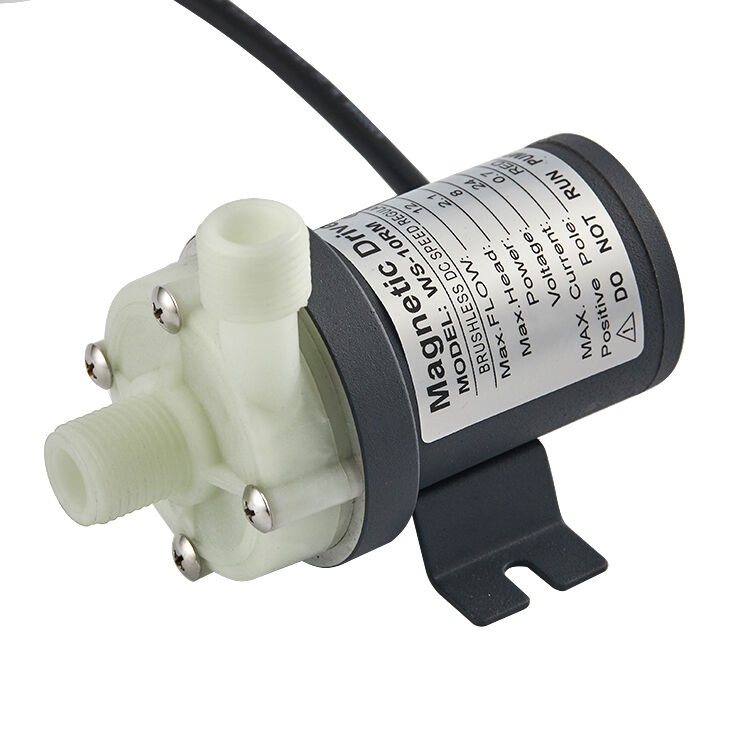
Modern industrial applications demand efficient, reliable pumping solutions that can handle diverse fluid transfer requirements while minimizing maintenance costs and operational downtime. The emergence of advanced pumping technologies has revolutionized how industries approach fluid handling, with the brushless pump representing a significant technological leap forward. This innovative pumping solution addresses many limitations associated with conventional pumping systems, offering enhanced performance characteristics that align with contemporary industrial demands. Understanding the fundamental differences between brushless pump technology and traditional pumping systems enables informed decision-making for engineers, facility managers, and procurement professionals seeking optimal fluid handling solutions.
Understanding Brushless Pump Technology
Core Operating Principles
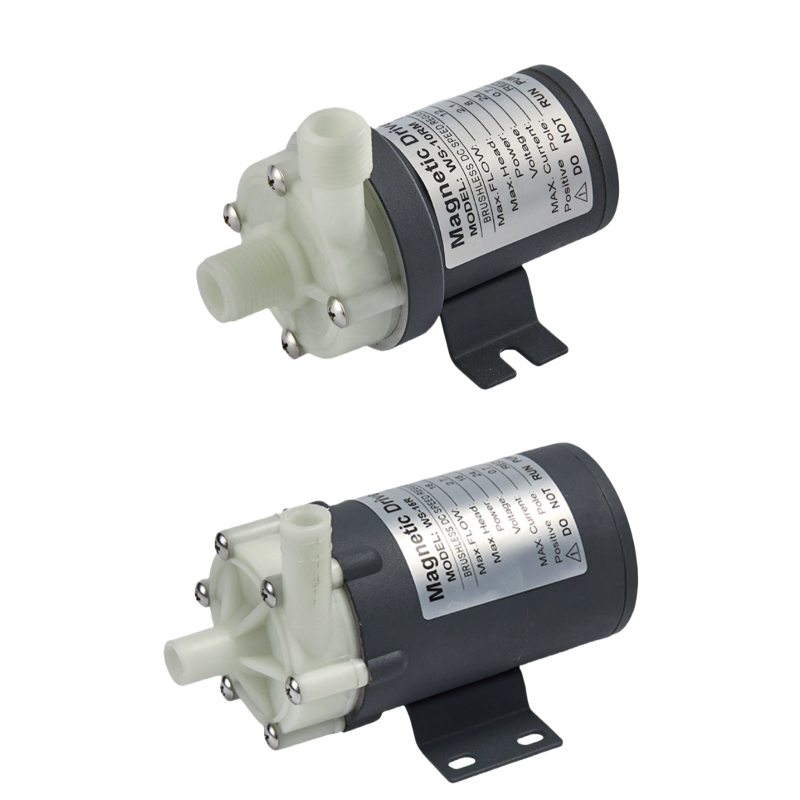
The brushless pump operates through electromagnetic field manipulation, utilizing permanent magnet rotors and electronic switching to eliminate physical contact between moving components. This design philosophy fundamentally differs from traditional mechanical systems that rely on physical brushes, bearings, and shaft connections. The electromagnetic drive system creates precise rotational control while maintaining complete isolation between the motor and fluid pathways. Advanced electronic controllers monitor and adjust motor performance in real-time, ensuring optimal efficiency across varying operational conditions. This sophisticated control mechanism enables the brushless pump to maintain consistent performance while adapting to changing system requirements automatically.
Magnetic coupling technology forms the foundation of brushless pump operation, transferring rotational energy through magnetic fields rather than mechanical connections. This approach eliminates seal-related failure points that commonly affect traditional pumps, creating a completely sealed system that prevents contamination and leakage. The permanent magnet assembly within the pump housing synchronizes with the external drive magnet, creating smooth, vibration-free operation. Electronic commutation replaces mechanical switching, reducing electrical noise and improving overall system reliability. These technological advances result in pumping systems that deliver superior performance while minimizing maintenance requirements.
Advanced Control Systems
Modern brushless pump designs incorporate sophisticated electronic control systems that monitor multiple operational parameters simultaneously. Variable frequency drives adjust motor speed and torque based on real-time system feedback, optimizing energy consumption while maintaining desired flow rates. Integrated sensors provide continuous monitoring of temperature, pressure, flow rate, and electrical parameters, enabling predictive maintenance strategies. The control system automatically adjusts operational parameters to maintain optimal efficiency, reducing energy consumption and extending component lifespan. These intelligent features distinguish the brushless pump from conventional alternatives that lack such advanced monitoring capabilities.
Digital communication interfaces enable remote monitoring and control capabilities, allowing operators to manage pump performance from centralized control rooms. Programmable logic controllers integrate seamlessly with existing industrial automation systems, providing comprehensive system integration opportunities. Alarm systems alert operators to potential issues before critical failures occur, supporting proactive maintenance strategies. Data logging capabilities track performance trends over time, facilitating optimization of operational parameters and maintenance scheduling. These advanced control features enhance operational efficiency while reducing the total cost of ownership associated with pumping system maintenance.
Traditional Pump Limitations and Challenges
Mechanical Wear Components
Traditional pumping systems rely heavily on mechanical components that experience continuous wear during operation, leading to predictable failure patterns and regular maintenance requirements. Carbon brushes within conventional motors create electrical connections through physical contact, generating heat and wearing down over time. Mechanical seals prevent fluid leakage but require periodic replacement due to degradation from chemical exposure and mechanical stress. Bearings support rotating shafts and impellers but gradually deteriorate from continuous operation, leading to increased vibration and eventual failure. These wear-prone components necessitate scheduled maintenance interventions that interrupt production processes and increase operational costs.
Shaft alignment issues commonly plague traditional pump installations, causing premature bearing failure and increased energy consumption. Coupling misalignment between motors and pumps creates vibration problems that propagate throughout the entire system. Impeller wear from abrasive fluids reduces pumping efficiency over time, requiring periodic replacement or refurbishment. Volute casing erosion from high-velocity fluids affects hydraulic performance and may lead to structural failure. These mechanical limitations contrast sharply with the brushless pump approach that eliminates many of these failure-prone components through innovative design philosophy.
Maintenance and Reliability Issues
Conventional pumping systems require extensive preventive maintenance programs to maintain acceptable reliability levels, consuming significant resources and requiring specialized technical expertise. Regular lubrication schedules demand careful attention to lubricant types, quantities, and replacement intervals to prevent premature component failure. Seal replacement procedures often require complete pump disassembly, creating extended downtime periods that affect production schedules. Bearing monitoring programs utilize vibration analysis and temperature measurement to predict failures, but cannot prevent the underlying wear mechanisms. These maintenance requirements create ongoing operational expenses that accumulate significantly over the pump's operational lifetime.
Unexpected failures of traditional pump components create emergency maintenance situations that disrupt production schedules and require expedited parts procurement. Spare parts inventory requirements increase operational costs while ensuring adequate stock levels for critical components. Specialized tools and equipment needed for pump maintenance represent additional capital investments. Training requirements for maintenance personnel add to the total cost of ownership while ensuring safe and effective maintenance procedures. The cumulative effect of these reliability challenges makes traditional pumping systems increasingly expensive to operate compared to modern alternatives.
Performance Advantages of Brushless Technology
Efficiency and Energy Consumption
The brushless pump delivers superior energy efficiency through precise electronic control of motor operation, eliminating energy losses associated with mechanical friction and electrical resistance. Variable speed operation allows the pump to match output precisely to system demands, avoiding the energy waste associated with constant-speed operation and throttling valves. Electronic commutation eliminates brush friction losses that consume energy in traditional motor designs. Optimized magnetic field control maintains peak efficiency across a wide range of operational conditions. These efficiency improvements translate directly into reduced electrical consumption and lower operational costs over the pump's service life.
Advanced power electronics within brushless pump systems recover and utilize energy that would otherwise be lost in traditional designs. Regenerative braking capabilities capture energy during deceleration phases, feeding it back into the electrical system. Power factor correction features reduce reactive power consumption, improving overall electrical system efficiency. Soft-start capabilities eliminate the high current surges associated with traditional motor starting, reducing electrical system stress and utility demand charges. These energy optimization features make the brushless pump particularly attractive for applications with stringent energy efficiency requirements or high operational duty cycles.
Operational Reliability and Longevity
Brushless pump technology achieves exceptional operational reliability through the elimination of wear-prone mechanical components that commonly cause traditional pump failures. Magnetic coupling systems transfer power without physical contact, preventing wear-related deterioration that affects conventional mechanical couplings. Sealed motor compartments protect electrical components from environmental contamination that could cause premature failure. Continuous monitoring systems detect potential issues before they develop into critical failures, enabling proactive maintenance interventions. The absence of brushes, mechanical seals, and wearing bearings significantly extends the time between maintenance interventions while improving overall system reliability.
Temperature management systems within brushless pump designs prevent overheating that could damage sensitive electronic components or reduce magnetic material effectiveness. Thermal protection circuits automatically adjust operational parameters when elevated temperatures are detected, preventing damage while maintaining continuous operation. Corrosion-resistant materials and coatings protect pump components from aggressive chemical environments that could accelerate degradation. Vibration-free operation eliminates the fatigue stresses that cause structural failures in traditional pump installations. These reliability features enable the brushless pump to operate continuously for extended periods without maintenance intervention, improving production uptime and reducing operational disruptions.
Application-Specific Considerations
Chemical Processing Applications
Chemical processing environments present unique challenges that make brushless pump technology particularly advantageous compared to traditional alternatives. Corrosive chemical compatibility requires careful material selection and seal design to prevent degradation and contamination. The sealed design of brushless pump systems eliminates potential leak paths that could allow dangerous chemicals to escape into the environment. Magnetic coupling prevents process fluid from contacting electrical components, eliminating explosion risks in hazardous environments. Electronic control systems enable precise flow control that maintains critical process parameters within tight tolerances. These safety and performance features make the brushless pump ideal for demanding chemical processing applications.
Temperature control capabilities allow brushless pump systems to handle both hot and cold chemical streams without performance degradation. Thermal expansion compensation prevents binding or damage during temperature cycling operations. Chemical compatibility databases help engineers select appropriate materials for specific process chemicals and operating conditions. Containment shell designs provide secondary containment for hazardous materials, meeting environmental and safety regulatory requirements. The combination of chemical resistance, thermal stability, and safety features makes the brushless pump technology superior for chemical processing applications compared to traditional alternatives.
Water Treatment and Distribution
Municipal water treatment facilities benefit significantly from brushless pump technology through improved efficiency, reliability, and operational flexibility. Variable speed capability allows pumps to match output to changing demand patterns while maintaining optimal system pressure. Energy-efficient operation reduces electrical costs that represent a significant portion of water treatment operational expenses. Continuous operation capability ensures uninterrupted water supply even during maintenance activities on other system components. Remote monitoring features enable centralized control of multiple pumping stations from a single location. These operational advantages make brushless pump systems increasingly popular for water treatment and distribution applications.
Chlorine and other chemical disinfectant compatibility requires specialized materials and sealing systems that resist chemical attack and prevent contamination. Stainless steel and specialty polymer components provide excellent corrosion resistance in chlorinated environments. Magnetic coupling prevents chlorine from contacting electrical components that could be damaged by chemical exposure. Precise flow control maintains proper chemical dosing rates for effective disinfection while minimizing chemical waste. The reliability and chemical compatibility of brushless pump technology make it ideal for critical water treatment applications where failure could affect public health and safety.
Economic Analysis and Cost Considerations
Initial Investment Comparison
The initial capital investment for brushless pump systems typically exceeds that of traditional alternatives, reflecting the advanced technology and sophisticated control systems incorporated into the design. Electronic control units, permanent magnet assemblies, and precision manufacturing processes contribute to higher upfront costs. However, this initial investment must be evaluated against the total cost of ownership over the pump's operational lifetime. Reduced maintenance requirements, improved energy efficiency, and extended service life often justify the higher initial cost through accumulated savings. Financial analysis tools help quantify these benefits and support investment decision-making processes.
Financing options and leasing programs make brushless pump technology more accessible to organizations with limited capital budgets. Government incentives and utility rebates for energy-efficient equipment help offset initial costs while promoting sustainable technology adoption. Volume purchasing agreements can reduce per-unit costs for organizations installing multiple pump systems. Extended warranty programs provide additional value and risk mitigation for the higher initial investment. These financial considerations make brushless pump technology increasingly attractive even for price-sensitive applications.
Operational Cost Benefits
Long-term operational cost analysis reveals significant advantages for brushless pump technology compared to traditional systems. Reduced maintenance labor requirements free up technical resources for other critical activities while reducing dependency on specialized maintenance contractors. Elimination of consumable components like brushes, seals, and lubricants reduces ongoing material costs and inventory requirements. Improved energy efficiency translates directly into lower electrical bills, with savings accumulating continuously throughout the pump's operational life. Reduced downtime from improved reliability prevents production losses that can far exceed the cost of the pumping system itself.
Predictive maintenance capabilities reduce emergency repair costs by identifying potential issues before they cause catastrophic failures. Parts inventory requirements decrease significantly when wear-prone components are eliminated from the design. Insurance premiums may be reduced for facilities using more reliable pumping systems that present lower risk profiles. Environmental compliance costs decrease when leak-proof designs eliminate the risk of hazardous material spills. The cumulative effect of these operational cost reductions often exceeds the initial price difference between brushless pump and traditional systems within a few years of operation.
Future Trends and Technology Development
Smart Connectivity and IoT Integration
The evolution of brushless pump technology increasingly emphasizes smart connectivity features that integrate seamlessly with Industrial Internet of Things platforms. Wireless communication capabilities enable remote monitoring and control without extensive wiring infrastructure. Cloud-based data analytics platforms process operational data to identify optimization opportunities and predict maintenance requirements. Machine learning algorithms analyze historical performance data to optimize operational parameters automatically. These intelligent features position the brushless pump at the forefront of Industry 4.0 manufacturing initiatives that emphasize connectivity and data-driven optimization.
Cybersecurity considerations become increasingly important as pumping systems integrate with networked control systems and cloud platforms. Encrypted communication protocols protect sensitive operational data from unauthorized access. Secure authentication systems ensure that only authorized personnel can modify pump settings or access operational data. Regular security updates maintain protection against evolving cyber threats. The implementation of robust cybersecurity measures ensures that the benefits of smart connectivity do not compromise system security or operational integrity.
Advanced Materials and Design Innovation
Ongoing research into advanced materials promises to further enhance brushless pump performance and expand application possibilities. Ceramic components offer superior chemical resistance and wear properties compared to traditional metallic materials. Carbon fiber composites provide exceptional strength-to-weight ratios while resisting corrosion in aggressive environments. Nanotechnology-enhanced coatings improve surface properties and extend component life. 3D printing technologies enable complex geometries that optimize fluid flow while reducing manufacturing costs. These material advances will continue to improve the performance and cost-effectiveness of brushless pump technology.
Design optimization through computational fluid dynamics and finite element analysis enables engineers to create more efficient hydraulic designs with reduced energy consumption. Biomimetic design principles inspired by natural fluid handling systems offer new approaches to pump efficiency improvement. Modular design concepts allow for easy customization and maintenance while reducing manufacturing complexity. Standardized interfaces and components reduce costs while improving interchangeability. These design innovations will drive continued improvement in brushless pump performance while reducing costs and expanding application ranges.
FAQ
What is the typical lifespan of a brushless pump compared to traditional pumps
Brushless pump systems typically achieve operational lifespans of 10-15 years or more with minimal maintenance, significantly exceeding the 5-8 year average lifespan of traditional pumps. The elimination of wear-prone components like brushes, mechanical seals, and bearings contributes to this extended service life. Advanced materials and precision manufacturing further enhance durability. However, actual lifespan depends on application conditions, maintenance practices, and operational parameters. The reduced frequency of major maintenance interventions makes the brushless pump particularly attractive for critical applications where reliability is paramount.
How does brushless pump efficiency compare to traditional systems across different flow rates
Brushless pump technology maintains high efficiency across a wider range of flow rates compared to traditional systems. Variable speed control allows the pump to operate at optimal efficiency points regardless of system demand, while traditional pumps often operate away from their best efficiency point. Electronic control systems automatically adjust operational parameters to maintain peak efficiency. Typical efficiency improvements range from 10-30% depending on the specific application and operating conditions. These efficiency gains translate directly into reduced energy consumption and lower operational costs over the pump's service life.
What are the main installation considerations for brushless pump systems
Installation of brushless pump systems requires careful attention to electrical supply quality, environmental conditions, and system integration requirements. Adequate electrical supply capacity and clean power are essential for optimal controller operation. Temperature and humidity control protect sensitive electronic components from environmental damage. Proper grounding and electrical shielding prevent electromagnetic interference with other equipment. Integration with existing control systems may require interface modules or protocol converters. Professional installation by qualified technicians ensures optimal performance and warranty compliance while addressing site-specific requirements.
Can existing traditional pump installations be upgraded to brushless technology
Many existing pump installations can be upgraded to brushless pump technology, though the feasibility depends on specific system requirements and infrastructure constraints. Retrofit applications may require modifications to electrical supply, mounting systems, and piping connections. Control system integration capabilities determine how easily the new pump can interface with existing automation systems. Space constraints and accessibility requirements must be evaluated during the upgrade planning process. Professional engineering analysis helps determine the most cost-effective upgrade approach while ensuring compatibility with existing system components and operational requirements.
Table of Contents
- Understanding Brushless Pump Technology
- Traditional Pump Limitations and Challenges
- Performance Advantages of Brushless Technology
- Application-Specific Considerations
- Economic Analysis and Cost Considerations
- Future Trends and Technology Development
-
FAQ
- What is the typical lifespan of a brushless pump compared to traditional pumps
- How does brushless pump efficiency compare to traditional systems across different flow rates
- What are the main installation considerations for brushless pump systems
- Can existing traditional pump installations be upgraded to brushless technology