
 EN
EN
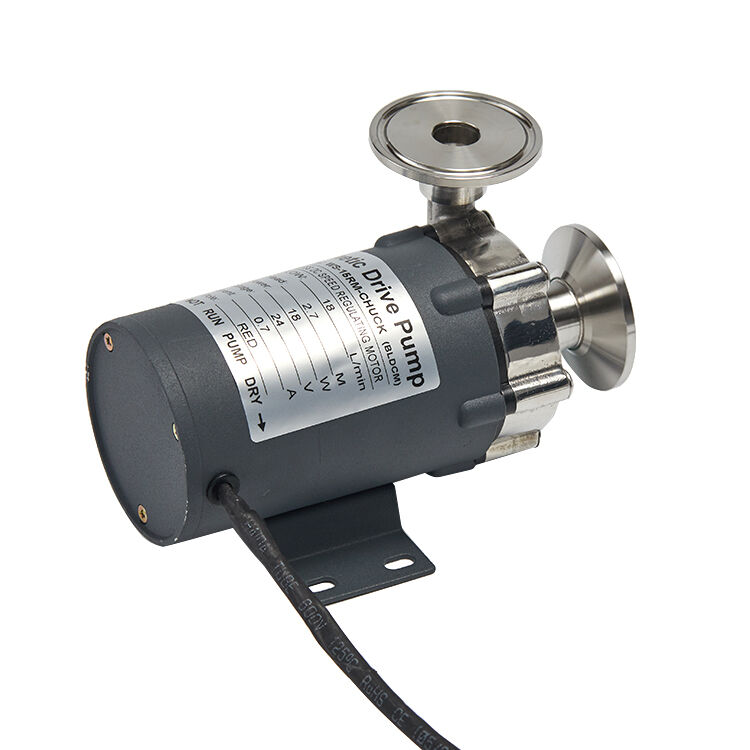
Industrial applications demand reliable, efficient, and durable pumping solutions that can withstand demanding operational conditions while delivering consistent performance. The brushless pump has emerged as a revolutionary technology in the industrial sector, offering significant advantages over traditional brushed motor pumps. This advanced pumping solution eliminates the friction and wear associated with carbon brushes, resulting in enhanced reliability and reduced maintenance requirements. Understanding the comprehensive benefits of brushless pump technology can help industrial operators make informed decisions about their fluid handling systems and optimize their operational efficiency.
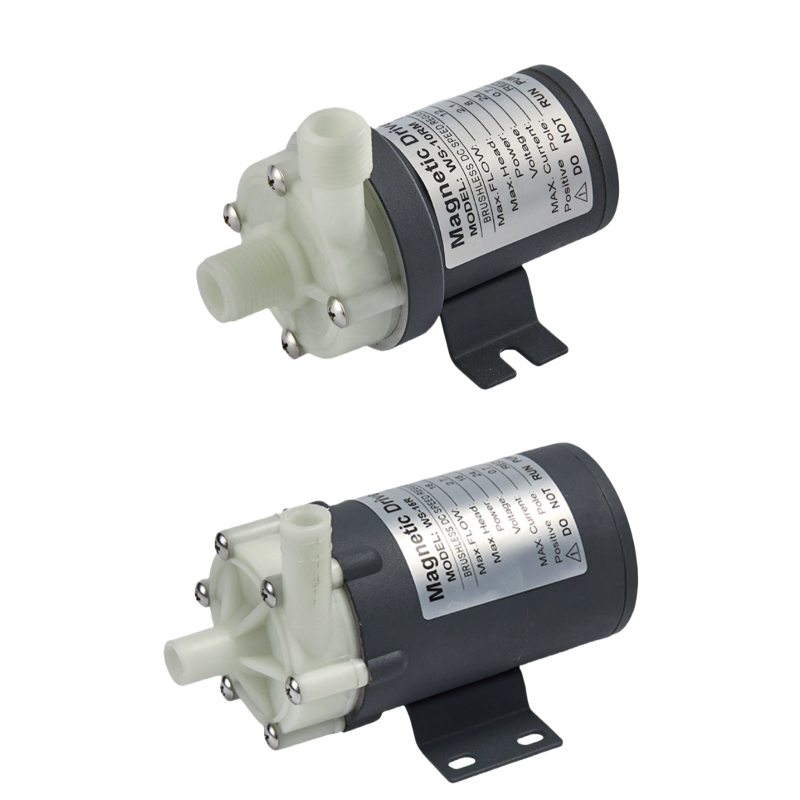
Enhanced Operational Efficiency
Superior Energy Efficiency
The brushless pump technology delivers exceptional energy efficiency compared to conventional brushed motor systems. Without the friction losses associated with carbon brushes, these pumps convert electrical energy into mechanical work more effectively. The electronic commutation system precisely controls the motor timing, optimizing power consumption across various operating conditions. Industrial facilities utilizing brushless pump systems typically experience 15-20% reduction in energy costs, making them an economically attractive long-term investment.
Advanced variable frequency drive compatibility allows brushless pump systems to adjust their operational speed based on demand requirements. This intelligent speed control feature ensures optimal energy utilization while maintaining consistent flow rates and pressure levels. The improved efficiency translates directly into reduced operational costs and enhanced environmental sustainability for industrial operations.
Precise Flow Control
Modern industrial processes require precise fluid control to maintain product quality and operational safety. The brushless pump offers superior flow control accuracy through advanced electronic feedback systems. These pumps can maintain consistent flow rates within tight tolerances, even when facing varying system pressures or temperature fluctuations. The electronic control system responds instantly to operational changes, ensuring stable performance across diverse industrial applications.
Integration with automated control systems enables remote monitoring and adjustment capabilities, allowing operators to fine-tune pump performance from central control rooms. This level of precision control is particularly valuable in chemical processing, pharmaceutical manufacturing, and other applications where exact fluid delivery is critical for process integrity and product quality.
Extended Equipment Lifespan
Elimination of Brush Wear
The fundamental advantage of brushless pump technology lies in eliminating mechanical brush contact within the motor assembly. Traditional brushed motors experience continuous wear as carbon brushes maintain contact with the rotating commutator, generating friction, heat, and particulate debris. This mechanical wear necessitates regular brush replacement and can lead to unexpected equipment failures during critical operations.
By removing this wear mechanism, the brushless pump achieves significantly longer operational lifespans. Industrial facilities report operating times exceeding 10,000 hours without major maintenance interventions, compared to 2,000-3,000 hours typical for brushed motor pumps. This extended lifespan reduces capital equipment replacement costs and minimizes production disruptions.
Reduced Component Stress
The smooth electronic commutation process in brushless pump systems creates less mechanical stress on internal components. Unlike brushed motors that experience voltage spikes and current variations during commutation, electronic switching maintains consistent power delivery to motor windings. This controlled operation reduces thermal cycling and mechanical vibration that can cause premature component failure.
Lower operating temperatures result from improved thermal management and reduced internal friction. The brushless pump typically operates 20-30 degrees cooler than equivalent brushed systems, extending the lifespan of seals, bearings, and other temperature-sensitive components. This thermal advantage is particularly beneficial in continuous-duty industrial applications where equipment runs 24/7.
Maintenance Advantages
Minimal Scheduled Maintenance
Industrial maintenance teams benefit significantly from the reduced maintenance requirements of brushless pump systems. Without carbon brushes to replace periodically, maintenance intervals can be extended substantially. Routine maintenance typically involves only basic inspections, lubrication of external bearings, and verification of electrical connections. This simplified maintenance schedule reduces labor costs and allows maintenance personnel to focus on other critical equipment.
Predictive maintenance capabilities are enhanced through integrated monitoring systems that track operational parameters in real-time. The brushless pump can provide continuous feedback on motor temperature, vibration levels, and electrical consumption patterns. This data enables condition-based maintenance strategies that optimize equipment availability while preventing unexpected failures.
Improved Reliability
Reliability improvements in brushless pump systems stem from reduced component count and elimination of high-wear items. The electronic commutation system has fewer moving parts than mechanical brush assemblies, reducing potential failure points. Industrial operations experience significantly fewer unplanned shutdowns due to pump failures, improving overall production efficiency and reducing emergency repair costs.
Environmental immunity is enhanced in brushless pump designs, as they are less susceptible to contamination from airborne particles or moisture. Traditional brush motors can experience performance degradation when carbon dust accumulates or when operating in humid conditions. The sealed electronic components in brushless systems maintain consistent performance across various environmental conditions commonly found in industrial facilities.
Performance Characteristics
Variable Speed Operation
The inherent compatibility between brushless pump technology and variable frequency drives enables sophisticated speed control strategies. Industrial processes can benefit from precise flow adjustment capabilities that match pump output to actual system demand. This variable speed operation reduces energy consumption during low-demand periods while maintaining full capacity availability when needed.
Soft start capabilities eliminate the mechanical stress associated with direct-on-line motor starting. The gradual acceleration profile reduces hydraulic shock in piping systems and minimizes electrical demand spikes that can affect facility power quality. These gentle starting characteristics extend the lifespan of both the brushless pump and associated system components.
Noise Reduction
Operational noise levels are significantly reduced in brushless pump applications due to smoother motor operation and elimination of brush friction noise. Industrial facilities benefit from improved working environments and reduced noise pollution. The electronic commutation process creates less acoustic disturbance compared to the sparking and mechanical contact associated with brushed motor systems.
Vibration levels are also minimized through balanced rotor design and precise electronic control. Reduced vibration translates into less stress on mounting structures and connected piping systems. This characteristic is particularly valuable in applications where precision equipment or sensitive instruments are located nearby the pumping system.
Economic Benefits
Total Cost of Ownership
While initial capital costs for brushless pump systems may be higher than conventional alternatives, the total cost of ownership typically favors brushless technology. Reduced energy consumption, extended maintenance intervals, and longer equipment lifespan combine to create significant cost savings over the operational lifetime. Industrial facilities often achieve payback periods of 18-24 months through operational savings alone.
Inventory management benefits include reduced spare parts requirements and simplified maintenance supply chains. Without the need to stock carbon brushes, commutators, and related wear components, facilities can reduce maintenance inventory costs and storage requirements. The standardized electronic components used in brushless pump systems often have longer shelf lives and broader supplier availability.
Production Continuity
Improved reliability and predictable maintenance scheduling enable better production planning and reduced unscheduled downtime. The brushless pump technology supports lean manufacturing principles by providing consistent, reliable fluid handling that rarely interrupts production schedules. This reliability advantage becomes increasingly valuable in high-volume manufacturing environments where even brief production interruptions can result in significant financial losses.
Integration capabilities with modern industrial automation systems allow brushless pump operations to be incorporated into overall facility management strategies. Real-time performance monitoring enables proactive maintenance scheduling that aligns with planned production breaks, minimizing the impact of maintenance activities on operational efficiency.
Application Versatility
Chemical Processing Applications
Chemical processing facilities particularly benefit from brushless pump technology due to the elimination of spark-producing carbon brushes. In environments where flammable or explosive vapors may be present, the spark-free operation of brushless systems provides enhanced safety margins. The sealed motor construction also prevents contamination of process fluids and protects internal components from corrosive atmospheres.
Precise flow control capabilities support critical chemical dosing applications where exact quantities must be delivered to maintain reaction stoichiometry. The brushless pump can maintain flow accuracy within 1-2% of setpoint values, ensuring consistent product quality and optimizing raw material utilization. This precision is essential for pharmaceutical manufacturing and specialty chemical production processes.
Food and Beverage Industry
Sanitary requirements in food and beverage processing make brushless pump technology particularly attractive. The absence of carbon brush particles eliminates a potential contamination source, supporting food safety protocols. Many brushless pump designs incorporate sanitary construction features such as smooth surfaces, cleanable connections, and FDA-approved materials that comply with industry hygiene standards.
Temperature control capabilities are enhanced through variable speed operation, allowing precise adjustment of fluid flow rates to maintain optimal processing temperatures. This capability is valuable in pasteurization processes, fermentation control, and other temperature-sensitive applications where consistent thermal management is critical for product quality and safety.
Environmental Considerations
Energy Conservation
Environmental sustainability initiatives in industrial facilities often focus on energy conservation and efficiency improvements. The brushless pump contributes to these goals through reduced electrical consumption and optimized operational characteristics. Facilities implementing brushless pump technology typically report 10-25% reduction in pumping-related energy usage, supporting corporate sustainability targets and reducing carbon footprint.
Regenerative braking capabilities in some brushless pump systems can return energy to the electrical grid during deceleration phases. This feature is particularly valuable in applications with frequent start-stop cycles or where pumps must slow down rapidly to respond to process changes. The recovered energy reduces overall facility power consumption and improves system efficiency.
Waste Reduction
Elimination of carbon brush replacement reduces maintenance waste generation and disposal requirements. Traditional brush motor maintenance generates carbon dust and worn components that require proper disposal, particularly in industries with strict environmental compliance requirements. The brushless pump eliminates these waste streams while extending overall equipment lifespans, reducing the frequency of complete pump replacement.
Improved reliability and longer operational lifespans support circular economy principles by maximizing equipment utilization before replacement becomes necessary. The extended service life of brushless pump components reduces raw material consumption and manufacturing energy associated with frequent equipment replacement cycles.
Future Technology Integration
Industrial Internet of Things
Modern brushless pump systems are designed with connectivity features that support Industrial Internet of Things (IIoT) implementations. Integrated sensors and communication interfaces enable real-time data collection and transmission to central monitoring systems. This connectivity supports predictive maintenance strategies, performance optimization, and integration with enterprise resource planning systems.
Machine learning algorithms can analyze operational data from brushless pump systems to identify optimization opportunities and predict potential issues before they impact production. This advanced analytics capability enables continuous improvement in pump performance and supports data-driven decision making for maintenance scheduling and system upgrades.
Smart Control Systems
Advanced control algorithms in modern brushless pump systems can automatically adjust operational parameters based on system feedback and learned patterns. These intelligent systems optimize energy consumption while maintaining required performance levels, adapting to changing operational conditions without manual intervention. Self-tuning capabilities ensure optimal performance throughout the equipment lifecycle.
Integration with building management systems and facility automation platforms enables coordinated operation of multiple brushless pump units. This coordination optimizes overall system efficiency and supports load sharing strategies that extend equipment lifespans while maintaining required system capacity and redundancy.
FAQ
What makes a brushless pump more efficient than traditional pumps
Brushless pumps achieve higher efficiency by eliminating the friction and electrical losses associated with carbon brushes. The electronic commutation system precisely controls motor timing and eliminates the voltage drops across brush contacts. This results in 15-20% better energy efficiency compared to brushed motor pumps. Additionally, variable speed capabilities allow the pump to match output to demand, further reducing energy consumption during low-demand periods.
How long do brushless pumps typically last in industrial applications
Industrial brushless pumps typically operate for 10,000-15,000 hours before requiring major maintenance, compared to 2,000-3,000 hours for brushed motor pumps. The elimination of brush wear and reduced mechanical stress on components significantly extends operational lifespan. Many facilities report continuous operation for 2-3 years without significant maintenance interventions, depending on application conditions and operational demands.
Are brushless pumps suitable for hazardous environments
Yes, brushless pumps are particularly well-suited for hazardous environments because they eliminate the sparking associated with carbon brush commutation. The spark-free operation reduces ignition risks in areas with flammable vapors or combustible dust. Many brushless pump designs are available with explosion-proof ratings and certifications for use in classified hazardous locations, making them safer than traditional brushed motor alternatives.
What maintenance is required for brushless pump systems
Brushless pump maintenance is significantly simplified compared to brushed systems. Routine maintenance typically includes periodic inspection of electrical connections, lubrication of external bearings, and verification of seal integrity. There are no carbon brushes to replace, which eliminates the most frequent maintenance task in traditional pump systems. Most maintenance can be performed during scheduled facility shutdowns rather than requiring emergency repairs during production periods.