
 EN
EN
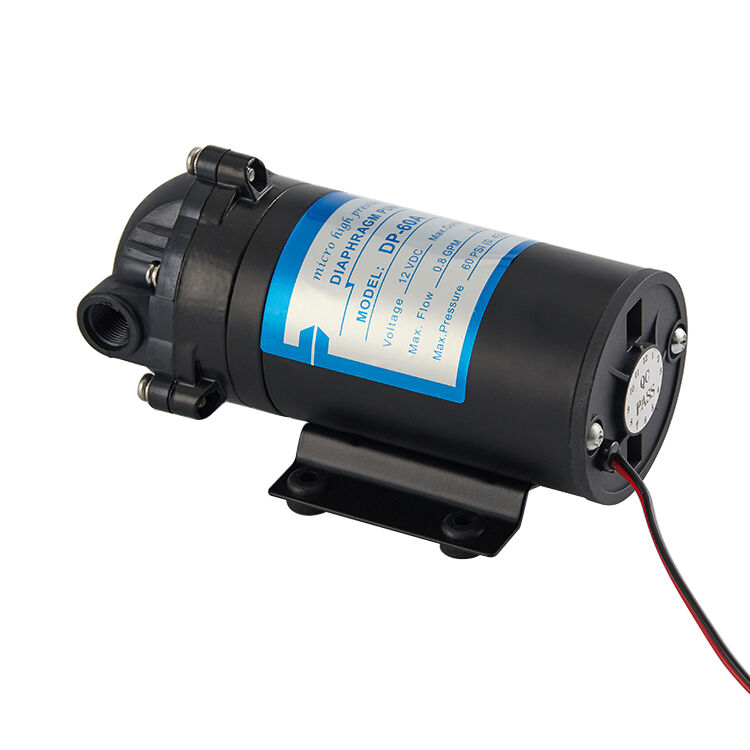
The demand for efficient and reliable 24v water pump systems has surged dramatically in 2026, driven by advancements in automotive, marine, and industrial applications. These compact yet powerful pumping solutions offer exceptional performance while maintaining energy efficiency, making them ideal for applications where standard 12v pumps fall short and 110v systems prove impractical. Modern 24v water pump technology has evolved to deliver superior flow rates, enhanced durability, and reduced noise levels compared to previous generations. Understanding the key features and specifications of today's leading models is crucial for making an informed purchasing decision that meets your specific operational requirements.
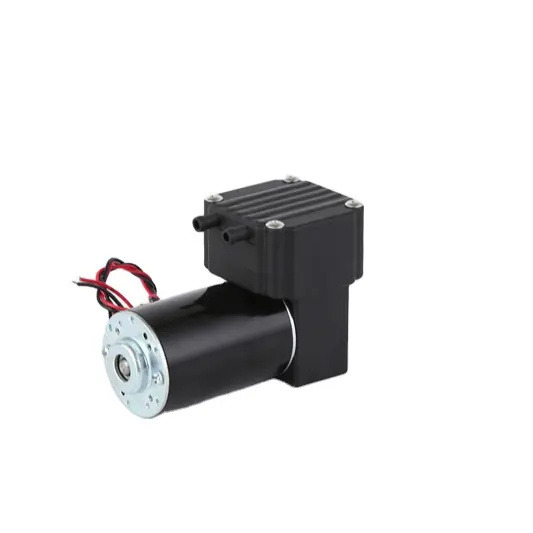
Understanding 24v Water Pump Technology
Core Components and Operating Principles
A 24v water pump operates on direct current power, utilizing electromagnetic principles to create the mechanical force necessary for fluid movement. The motor assembly consists of permanent magnets, copper windings, and a rotor system that converts electrical energy into rotational motion. This motion drives the impeller or diaphragm mechanism, which creates the pressure differential required to move water through the system. The 24-volt configuration provides an optimal balance between power consumption and performance output, delivering nearly double the torque of equivalent 12v systems while remaining more energy-efficient than higher voltage alternatives.
Modern 24v water pump designs incorporate advanced materials such as corrosion-resistant alloys, high-grade plastics, and precision-engineered sealing systems. These components work together to ensure long-term reliability even in demanding environments. The electronic control systems often feature built-in protection circuits that prevent damage from voltage fluctuations, thermal overload, and dry-run conditions. Many contemporary models also include variable speed control capabilities, allowing users to adjust flow rates according to specific application requirements while optimizing energy consumption.
Advantages Over Alternative Voltage Systems
The 24v water pump configuration offers distinct advantages over both lower and higher voltage alternatives in numerous applications. Compared to 12v systems, the increased voltage allows for higher power output without proportionally increasing current draw, resulting in reduced cable heating and improved efficiency over longer wire runs. This makes 24v pumps particularly suitable for applications where the pump must be located at a considerable distance from the power source, such as in large vehicles, boats, or industrial installations.
When compared to 110v or 220v AC pumps, 24v DC systems provide superior safety characteristics, especially in wet environments or portable applications. The lower voltage reduces the risk of electrical shock, while the DC power source eliminates concerns about phase relationships and power factor issues. Additionally, 24v water pump systems can be easily integrated with solar panels, battery banks, and other renewable energy sources, making them ideal for off-grid applications and environmentally conscious installations.
Key Performance Specifications
Flow Rate and Pressure Characteristics
Flow rate represents one of the most critical specifications when selecting a 24v water pump, typically measured in gallons per minute (GPM) or liters per minute (LPM). Modern high-performance models can achieve flow rates ranging from 1 GPM for precision applications to over 15 GPM for heavy-duty industrial use. The relationship between flow rate and pressure is inverse, meaning maximum flow occurs at minimum head pressure, while maximum pressure is achieved at zero flow conditions. Understanding this relationship is essential for proper pump sizing and application matching.
Pressure specifications for 24v water pump systems are commonly expressed in pounds per square inch (PSI) or meters of head. Entry-level models typically provide 15-30 PSI, suitable for basic transfer and circulation applications. Mid-range pumps offer 30-60 PSI, appropriate for pressurization tasks and moderate lift requirements. High-performance units can exceed 100 PSI, enabling them to handle demanding applications such as pressure washing, irrigation systems, and industrial process water supply. The pump curve, which graphically represents the flow-pressure relationship, serves as the definitive guide for application suitability.
Power Consumption and Efficiency Metrics
Energy efficiency has become a paramount consideration in 24v water pump selection, particularly for battery-powered and solar applications. Power consumption is typically specified in watts or amperes at rated voltage, with efficient models consuming between 50-300 watts depending on capacity and design. The efficiency rating, expressed as a percentage, indicates how effectively the pump converts electrical energy into hydraulic energy. Premium 24v water pump models achieve efficiency ratings of 40-60%, significantly higher than basic designs that may operate at only 20-30% efficiency.
Motor technology plays a crucial role in determining overall efficiency, with brushless DC motors offering superior performance compared to traditional brushed designs. Brushless motors eliminate friction losses associated with carbon brushes, reduce maintenance requirements, and provide more precise speed control. Variable frequency drive capabilities allow the 24v water pump to adjust its operating speed based on demand, further improving energy efficiency by avoiding the energy waste associated with constant-speed operation and throttling valves.
Application-Specific Selection Criteria
Marine and Boat Applications
Marine environments present unique challenges for 24v water pump systems, requiring specialized features to ensure reliable operation in harsh saltwater conditions. Corrosion resistance becomes paramount, necessitating pumps constructed from marine-grade materials such as bronze, stainless steel, or specialized polymer composites. Sealing systems must be designed to prevent saltwater ingress while maintaining long-term flexibility in temperature variations. Many marine-rated 24v water pump models include integrated strainer systems to prevent debris from damaging internal components.
Installation considerations for marine applications include vibration resistance, compact mounting options, and easy serviceability in confined spaces. Self-priming capability is often essential, as marine pumps frequently operate above the waterline and must be able to draw water through suction lines containing air. Flow rates for marine applications vary significantly, from 2-5 GPM for freshwater systems to 10-20 GPM for washdown and firefighting applications. Pressure requirements typically range from 20-45 PSI for general use, with some specialized applications requiring higher pressures for effective spray patterns.
Recreational Vehicle and Automotive Uses
The recreational vehicle market has embraced 24v water pump technology for its superior performance in mobile applications. RV water systems require pumps capable of delivering consistent pressure throughout the vehicle while operating efficiently on battery power. Quiet operation becomes critical in recreational applications, with noise levels typically specified below 50 decibels to ensure comfortable living conditions. Thermal protection and automatic cycling capabilities prevent damage during extended use periods common in RV applications.
Automotive cooling system applications utilize 24v water pump technology for electric vehicles and hybrid systems where traditional belt-driven pumps are impractical. These applications demand precise flow control, rapid response times, and integration with electronic control systems. The ability to operate independently of engine speed allows for optimized cooling regardless of vehicle operating conditions. Durability requirements are extreme, with automotive-grade pumps expected to operate reliably for 100,000+ miles under varying temperature and vibration conditions.
Installation and Maintenance Best Practices
Proper Installation Techniques
Successful 24v water pump installation begins with careful planning of the entire system layout, including power supply routing, plumbing connections, and mounting locations. Electrical connections must utilize properly sized conductors to minimize voltage drop, which can significantly impact pump performance and longevity. For runs exceeding 10 feet, conductor sizing should be calculated based on the pump's full-load current draw plus a 25% safety margin. All electrical connections should be protected with appropriately rated fuses or circuit breakers located as close to the power source as practical.
Plumbing installation requires attention to suction line design, which should be kept as short and straight as possible to minimize friction losses and prevent cavitation. The suction line should be one pipe size larger than the pump inlet to reduce velocity and associated turbulence. Discharge plumbing should include appropriate pressure relief valves to protect against deadhead conditions and check valves to prevent backflow. Mounting the 24v water pump should utilize vibration-isolating hardware to reduce noise transmission and extend component life, particularly in mobile applications.
Preventive Maintenance Protocols
Regular maintenance ensures optimal 24v water pump performance and extends service life significantly beyond basic operational expectations. Visual inspections should be conducted monthly, checking for signs of leakage, corrosion, or unusual wear patterns. Electrical connections require periodic cleaning and tightening to prevent voltage drop and overheating issues. For pumps equipped with replaceable filters or strainers, cleaning intervals depend on water quality but typically range from weekly to monthly for most applications.
Performance monitoring provides early warning of developing issues before complete failure occurs. Flow rate and pressure measurements should be recorded periodically and compared to baseline values established during initial commissioning. Significant deviations may indicate impeller wear, internal blockages, or seal deterioration requiring immediate attention. For critical applications, maintaining spare parts inventory including seals, impellers, and motor brushes enables rapid repair and minimizes downtime. Documentation of maintenance activities and performance trends facilitates warranty claims and supports predictive maintenance programs.
Troubleshooting Common Issues
Performance Degradation Problems
Reduced flow or pressure output represents the most common performance issue encountered with 24v water pump systems. Several factors can contribute to this problem, including partially blocked suction strainers, air leaks in the suction line, or worn internal components. Systematic troubleshooting begins with verification of power supply voltage under load, as voltage drop can significantly impact pump performance. Suction line integrity should be checked by performing a vacuum test to identify any air leaks that could cause priming issues.
Internal component wear, particularly impeller erosion or seal degradation, gradually reduces 24v water pump efficiency over time. These issues typically manifest as slowly declining performance rather than sudden failure. Impeller inspection requires pump disassembly but provides definitive diagnosis of wear patterns and remaining service life. Seal problems often present as external leakage or reduced suction capability, both of which compromise system performance and should be addressed promptly to prevent secondary damage.
Electrical and Control System Malfunctions
Electrical problems in 24v water pump systems range from simple connection issues to complex motor failures requiring professional repair or replacement. Intermittent operation often indicates loose connections, corroded terminals, or failing pressure switches. Systematic electrical diagnosis begins with voltage measurements at the pump terminals under both no-load and full-load conditions. Voltage readings significantly below the nominal 24-volt specification indicate supply issues requiring attention to wiring, connections, or power source capacity.
Motor protection systems, including thermal overload devices and electronic controllers, occasionally require reset or recalibration to restore normal operation. Many modern 24v water pump systems include diagnostic capabilities that store fault codes indicating the specific nature of protection system activation. Understanding these codes enables rapid identification of root causes and appropriate corrective actions. For pumps equipped with variable speed drives, software configuration errors or sensor malfunctions can cause erratic operation requiring specialized diagnostic equipment and expertise.
FAQ
What is the typical lifespan of a quality 24v water pump
A well-maintained 24v water pump typically operates reliably for 3,000 to 8,000 hours of active use, depending on application conditions and build quality. Marine and automotive applications with continuous duty cycles may experience shorter lifespans due to harsh operating environments, while intermittent-use applications like RV freshwater systems often exceed the upper end of this range. Premium models with brushless motors and advanced materials can achieve 10,000+ hour service lives with proper maintenance. Regular maintenance, appropriate system design, and operating within manufacturer specifications significantly extend pump longevity.
Can I replace a 12v pump with a 24v water pump directly
Direct replacement requires careful consideration of both electrical and hydraulic compatibility factors. The 24v water pump will require a compatible power supply, which may necessitate electrical system modifications or the addition of a DC-DC converter. Hydraulically, the higher voltage pump may provide significantly different flow and pressure characteristics compared to the original 12v unit. Plumbing connections, mounting configurations, and control system integration should be evaluated to ensure proper system operation. Professional consultation is recommended for critical applications to avoid compatibility issues and ensure optimal performance.
How do I calculate the correct flow rate requirements for my application
Flow rate calculation depends on the specific application and desired performance characteristics. For water transfer applications, determine the volume to be moved and the acceptable time frame to establish minimum flow requirements. Pressurization systems require flow calculations based on simultaneous outlet usage and pressure loss through distribution piping. The 24v water pump selection should provide 20-30% excess capacity above calculated requirements to account for system aging and future expansion needs. Consulting manufacturer pump curves ensures the selected model operates efficiently at the required flow and pressure conditions.
What safety considerations apply to 24v water pump installations
Although 24v systems present lower electrical shock risks than higher voltage installations, proper safety protocols remain essential. All electrical connections should be protected from moisture ingress using appropriate enclosures and sealing methods. Ground fault protection is recommended for wet location installations to provide additional safety margins. The 24v water pump should include appropriate thermal protection to prevent overheating and potential fire hazards. Installation should comply with relevant electrical codes and manufacturer recommendations, particularly regarding conductor sizing, overcurrent protection, and grounding requirements for specific applications.