
 EN
EN
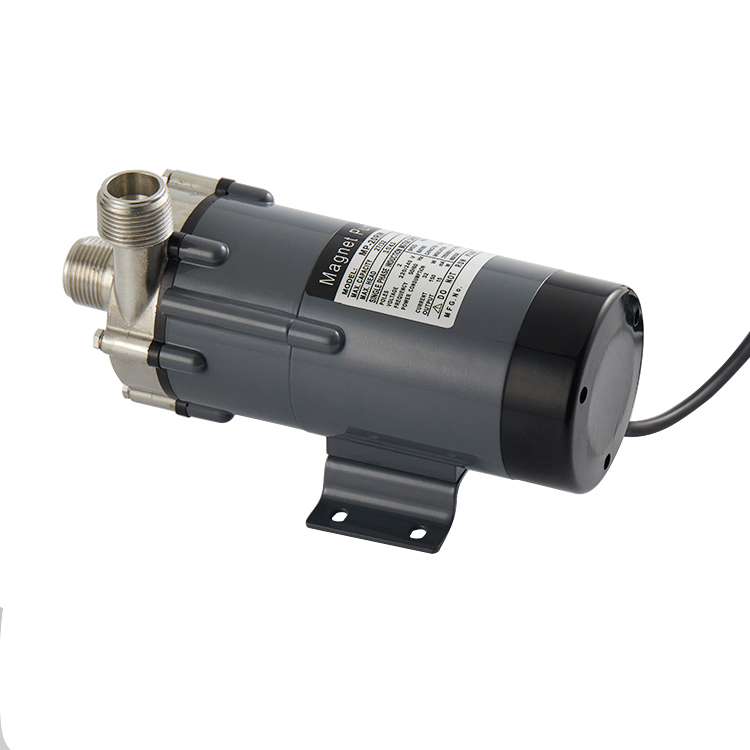
In industrial and commercial operations, the cooling pump is one of the most continuously running mechanical components in the entire facility. Whether it is driving coolant through a chilled water system, circulating fluid in a manufacturing process, or supporting temperature control in chemical processing, the cooling pump consumes a significant share of a facility's total electrical energy. As energy costs rise and sustainability targets tighten, improving cooling pump efficiency has moved from a cost-saving afterthought to a strategic operational priority. Understanding how efficiency gains are achieved — and sustained — is essential for any facility manager, process engineer, or procurement specialist looking to reduce operating expenses without compromising system performance.
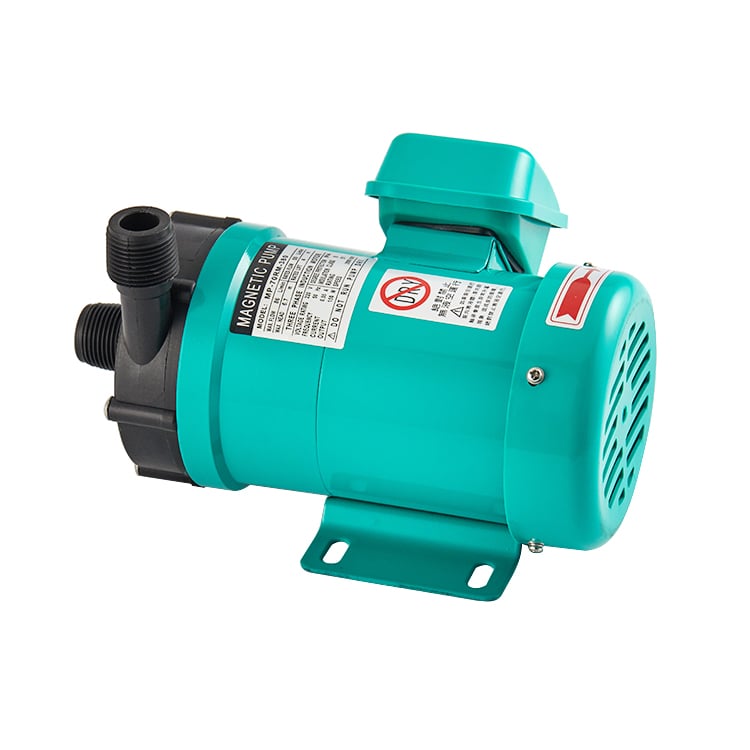
The path to energy savings in cooling pump systems is not a single intervention but a layered approach that combines smart equipment selection, operational optimization, and proactive maintenance. Across industries ranging from pharmaceuticals to electronics manufacturing, facilities that have systematically addressed cooling pump efficiency report energy reductions of a meaningful scale, translating directly to lower utility bills and reduced carbon footprints. This article explores the core mechanisms behind cooling pump energy loss, the most effective strategies to recover that lost efficiency, and how to evaluate whether your current setup is delivering the performance it should. Every decision made about your cooling pump — from specification to daily operation — has a measurable impact on your total energy consumption.
Understanding Where Cooling Pump Energy Is Lost
Mechanical and Hydraulic Losses Within the Pump
A cooling pump converts electrical energy into fluid kinetic energy, but no conversion process is perfectly efficient. Mechanical losses occur in the bearings, seals, and drive components that transmit power from the motor to the impeller. Even small friction losses accumulate significantly over thousands of operating hours. Hydraulic losses, on the other hand, arise from turbulence, recirculation, and poor flow geometry inside the pump casing and impeller passages. These internal inefficiencies reduce the effective work delivered to the fluid and force the motor to draw more power than the load theoretically requires.
When a cooling pump is operating away from its best efficiency point (BEP) — the flow and head condition at which the pump was designed to perform — both mechanical and hydraulic losses increase substantially. Many systems run their cooling pump at partial load for the majority of their operating life, which means the pump is chronically working outside its optimal range. This is one of the most prevalent and underappreciated sources of energy waste in industrial cooling systems. Correcting this through proper system design or variable speed control can yield dramatic efficiency improvements.
System Resistance and Pipe Network Losses
The cooling pump does not operate in isolation — it works against the resistance of the entire piping network, including valves, fittings, heat exchangers, and filters. Oversized or undersized pipework, excessive bends, poorly positioned isolation valves, and fouled heat exchanger surfaces all add unnecessary resistance to the system. This forces the cooling pump to work harder and consume more energy than the thermal load alone would require. A well-designed hydraulic circuit significantly reduces the burden placed on the cooling pump and directly lowers energy demand.
Scaling and fouling inside pipes and heat transfer surfaces are particularly damaging to overall cooling pump system efficiency. As deposits build up, flow resistance increases and heat transfer effectiveness drops, compelling operators to increase pump flow or speed to compensate. This reactive approach compounds energy waste. Proactive system cleaning, water treatment, and periodic hydraulic audits help maintain the design resistance profile that the cooling pump was originally sized to overcome, keeping energy consumption stable and predictable over time.
Energy Saving Technologies for Cooling Pump Systems
Variable Frequency Drives and Speed Control
The single most impactful energy saving technology applicable to a cooling pump installation is the variable frequency drive (VFD). Because pump power consumption follows the cube law of affinity — meaning that a small reduction in speed produces a proportionally much larger reduction in power — even modest speed reductions deliver significant energy savings. A cooling pump operating at 80% of its rated speed, for example, requires only approximately 51% of the power it would need at full speed. This relationship makes VFDs an extraordinarily effective tool for systems where flow demand varies over time, such as in HVAC cooling towers or process cooling loops with fluctuating thermal loads.
Implementing VFD control on a cooling pump does require careful attention to the pump's minimum speed thresholds, motor compatibility, and control strategy. Pressure-based feedback control, temperature-based control, and flow-based control are all viable approaches depending on the system's specific requirements. The capital investment in VFD retrofits or new installations is typically recovered within one to three years through energy bill reductions, making it one of the highest-return upgrades available for cooling pump systems. Modern VFDs also provide soft-start capabilities that reduce mechanical stress on the cooling pump during startup, extending service life.
High-Efficiency and Magnetically Driven Pump Designs
Pump technology itself has advanced considerably, and selecting a high-efficiency cooling pump model is a foundational energy saving decision. Modern pump designs incorporate hydraulically optimized impellers, precision-machined casings, and low-friction bearing assemblies that operate closer to their BEP across a wider range of conditions. In applications involving corrosive or chemically aggressive cooling fluids, magnetically driven pump designs eliminate the traditional mechanical shaft seal entirely, removing a significant source of both energy loss and maintenance downtime.
A magnetic drive cooling pump uses a magnetically coupled drive system that transfers torque without direct mechanical contact between the motor shaft and the wetted components. This design eliminates seal leakage, which is not only an environmental and safety concern but also a loss of pressurized fluid that the pump must continuously compensate for. In corrosion-resistant applications — such as acid circulation, alkali processing, or electroplating cooling systems — the magnetic drive cooling pump provides both superior energy efficiency and greatly extended operational reliability. The absence of a seal means no seal replacement costs and no progressive efficiency degradation from seal wear.
Operational Strategies That Improve Cooling Pump Efficiency
Right-Sizing and System Matching
One of the most common and costly mistakes in cooling pump deployment is oversizing. When a cooling pump is specified with excessive flow or head margins 'just to be safe,' the system is forced to throttle flow using control valves, which wastes energy by artificially increasing system resistance. The pump continues to run near full power even though the actual thermal load may require only a fraction of that capacity. Right-sizing a cooling pump to the actual system demand — with appropriate safety margins but without excessive oversizing — is fundamental to efficient operation.
System matching also extends to the motor selection. A cooling pump paired with an oversized motor will run at lower motor efficiency, as electric motors are most efficient when loaded to between 75% and 100% of their rated capacity. Proper motor and pump pairing, ideally confirmed through hydraulic modeling before installation, ensures that both components operate in their high-efficiency zones simultaneously. For existing systems where oversizing is already in place, trimming the impeller diameter is a low-cost mechanical adjustment that permanently reduces the pump's output to better match actual system needs without replacing the entire unit.
Monitoring, Diagnostics, and Predictive Maintenance
A cooling pump that was efficient at commissioning may gradually lose that efficiency due to internal wear, impeller erosion, bearing degradation, or changes in the system resistance profile. Without active monitoring, this efficiency degradation is invisible until it manifests as a dramatically higher energy bill or an unplanned failure. Implementing vibration monitoring, flow and pressure trending, and motor current analysis allows facility teams to detect developing problems in a cooling pump before they cause significant energy loss or process disruption.
Predictive maintenance programs that use condition data rather than fixed time intervals are particularly effective for cooling pump systems that operate continuously. A pump that shows increasing motor current draw at a constant flow rate is signaling internal hydraulic deterioration — a trend that, if acted upon early, can be corrected through impeller cleaning or replacement at a fraction of the cost of an emergency failure repair. Monitoring the delta between actual and theoretical power consumption for a given operating point gives a direct, quantifiable measure of cooling pump efficiency over time and supports data-driven maintenance scheduling.
Designing Cooling Systems for Long-Term Energy Efficiency
System Architecture and Pump Staging
Large-scale cooling systems often benefit from a staged or parallel pump architecture rather than relying on a single large cooling pump. When multiple smaller pumps are arranged in parallel and brought online sequentially based on demand, the system can match actual thermal load far more precisely than a single pump can. This load-following approach keeps each active cooling pump operating closer to its BEP and avoids the severe efficiency penalties associated with running a large pump at a small fraction of its design flow. Properly staged systems consistently outperform single-pump designs in real-world energy consumption comparisons.
The staging logic should be informed by detailed load profiling of the cooling demand over time. Facilities with highly variable thermal loads — such as data centers with fluctuating compute loads or batch chemical processes with cyclic heat generation — benefit most from flexible staging strategies. The investment in additional cooling pump units and the associated control system is typically offset by the energy savings achieved across diverse load profiles. Redundancy also improves system reliability, reducing the risk of total cooling failure if one pump requires maintenance or experiences a fault.
Fluid Quality and Thermal Management Integration
The quality of the cooling fluid circulated by the cooling pump has a direct effect on both system efficiency and equipment longevity. Corrosive, particulate-laden, or poorly maintained fluids increase internal wear on pump components, reduce heat transfer effectiveness in the cooling circuit, and can cause blockages that raise system resistance. Appropriate fluid treatment — including inhibitors, biocides, and filtration — protects the cooling pump and the broader system infrastructure, preserving the efficiency levels established at system commissioning for a much longer operational period.
Integrating cooling pump operation with broader thermal management strategy also creates efficiency opportunities. For example, using economizer modes during cooler ambient conditions to reduce compressor load, adjusting coolant supply temperature setpoints based on actual equipment requirements rather than fixed conservative values, and coordinating cooling pump speed with chiller or cooling tower fan controls can collectively deliver system-level energy savings that far exceed what pump optimization alone achieves. A holistic view of the entire cooling system — with the cooling pump as a critical but integrated component — is the most effective framework for long-term energy efficiency.
FAQ
How does a variable frequency drive improve cooling pump energy efficiency?
A variable frequency drive reduces the speed of a cooling pump motor in proportion to the actual cooling demand, rather than running the pump at full speed and throttling flow with a control valve. Because power consumption drops with the cube of speed reduction, even small speed reductions produce large energy savings. This makes VFDs one of the most cost-effective efficiency upgrades available for cooling pump applications with variable load profiles.
What is the best efficiency point and why does it matter for a cooling pump?
The best efficiency point (BEP) is the specific combination of flow rate and pressure head at which a cooling pump operates with the least energy waste. Operating significantly above or below the BEP increases hydraulic losses, raises motor current draw, and accelerates internal component wear. Selecting a cooling pump whose BEP aligns closely with the system's actual operating conditions is one of the most important decisions in achieving long-term energy efficiency and equipment reliability.
Why is a magnetic drive cooling pump considered more energy efficient in corrosive fluid applications?
A magnetic drive cooling pump eliminates the mechanical shaft seal found in conventional pumps, removing both the friction energy loss associated with the seal and the progressive efficiency degradation that occurs as seals wear over time. In corrosive or aggressive fluid applications where seal leakage would also compromise fluid containment, the magnetic drive design maintains consistent efficiency levels across a much longer service life, reducing both energy consumption and total maintenance costs compared to sealed alternatives.
How often should a cooling pump system be audited for energy efficiency?
A cooling pump system should be subject to a comprehensive hydraulic and electrical efficiency audit at least once per year, and more frequently in systems with high continuous duty cycles or chemically aggressive fluids. Key audit metrics include comparing actual power draw against theoretical requirements at the current operating point, measuring differential pressure and flow to assess hydraulic performance, and reviewing vibration and temperature data to detect early signs of mechanical wear. Regular audits allow corrective actions to be taken before efficiency losses become severe.
Table of Contents
- Understanding Where Cooling Pump Energy Is Lost
- Energy Saving Technologies for Cooling Pump Systems
- Operational Strategies That Improve Cooling Pump Efficiency
- Designing Cooling Systems for Long-Term Energy Efficiency
-
FAQ
- How does a variable frequency drive improve cooling pump energy efficiency?
- What is the best efficiency point and why does it matter for a cooling pump?
- Why is a magnetic drive cooling pump considered more energy efficient in corrosive fluid applications?
- How often should a cooling pump system be audited for energy efficiency?