
 EN
EN
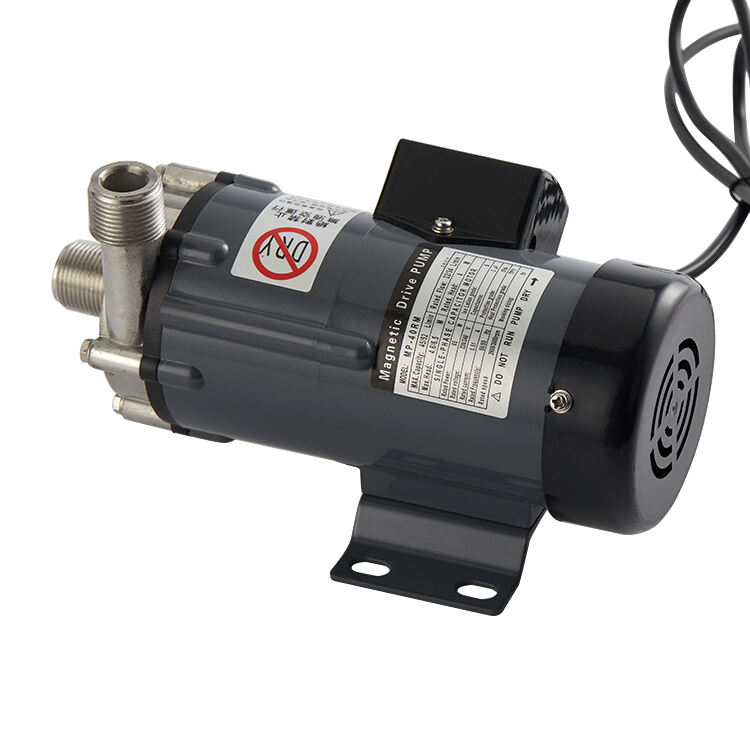
Industrial facilities handling corrosive chemicals face significant safety and operational challenges when selecting appropriate pumping equipment. Traditional mechanical pumps with shaft seals often fail when exposed to aggressive chemicals, leading to costly leaks, environmental contamination, and worker safety risks. Chemical magnetic pumps have emerged as a revolutionary solution, offering seal-less operation that eliminates the primary failure point in conventional pumping systems. These advanced pumps utilize magnetic coupling technology to transfer power from the motor to the impeller without any direct mechanical connection, creating a completely sealed system that prevents hazardous fluid leakage.
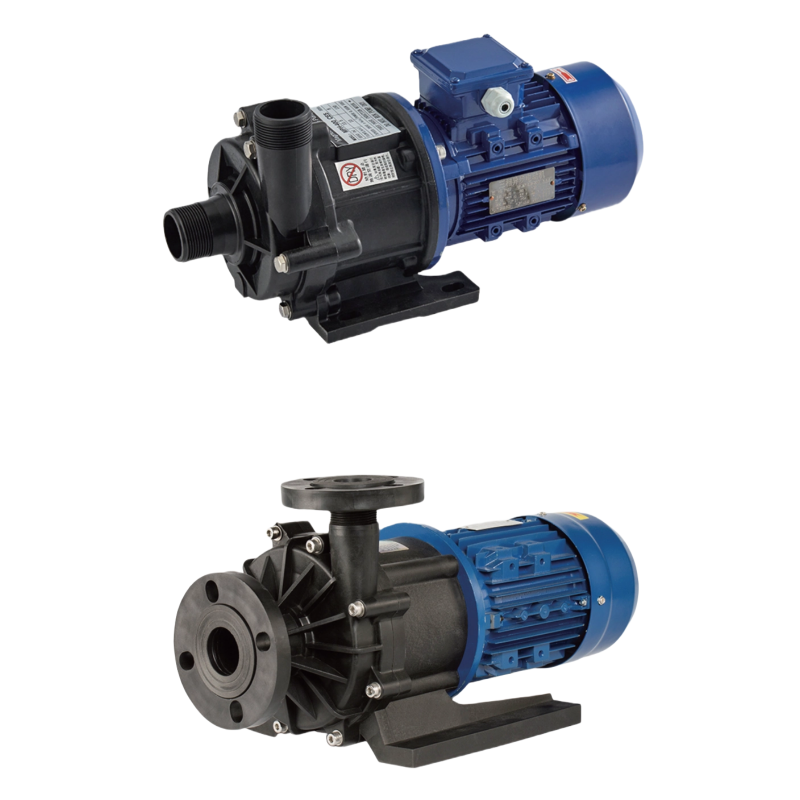
The growing demand for safer chemical handling equipment has driven significant innovations in magnetic pump technology. Modern chemical magnetic pumps incorporate advanced materials, enhanced magnetic coupling systems, and sophisticated monitoring capabilities that ensure reliable operation in the most demanding industrial environments. These pumps serve critical roles in pharmaceutical manufacturing, petrochemical processing, water treatment facilities, and specialty chemical production where contamination prevention and operator safety are paramount concerns.
Magnetic Coupling Technology and Operating Principles
Fundamental Design Architecture
Chemical magnetic pumps operate on the principle of magnetic coupling, where two sets of permanent magnets create a magnetic field that transfers rotational force without physical contact. The outer magnet assembly connects to the electric motor drive, while the inner magnet assembly attaches directly to the pump impeller inside the fluid chamber. This magnetic coupling arrangement eliminates the need for traditional shaft seals, which are the most common failure points in conventional centrifugal pumps when handling corrosive materials.
The magnetic drive system consists of rare earth permanent magnets arranged in alternating polarity patterns to maximize magnetic field strength and torque transmission efficiency. High-grade neodymium magnets provide superior magnetic properties, enabling these pumps to handle demanding applications with excellent reliability. The magnetic coupling can transmit substantial torque while maintaining perfect isolation between the motor and pumped fluid, ensuring zero leakage operation throughout the pump's service life.
Containment Shell Engineering
A critical component in magnetic pump design is the containment shell that separates the magnetic coupling from the pumped fluid while allowing magnetic field transmission. This shell must withstand full system pressure while being thin enough to minimize magnetic field attenuation. Advanced chemical magnetic pumps utilize high-strength materials such as Hastelloy, titanium, or specialized polymer composites that offer exceptional corrosion resistance and mechanical properties.
The containment shell design incorporates careful consideration of wall thickness, material selection, and surface treatments to optimize both magnetic coupling efficiency and chemical compatibility. Proper engineering of this component ensures long-term reliability while maintaining the magnetic drive system's torque transmission capabilities. Modern containment shells often feature protective coatings or linings that provide additional chemical resistance for specific applications.
Material Selection for Corrosive Service
Wetted Component Materials
The selection of appropriate materials for chemical magnetic pumps requires comprehensive evaluation of the specific corrosive media, operating temperature, pressure conditions, and required service life. Wetted components including the pump casing, impeller, and internal hardware must demonstrate excellent resistance to chemical attack while maintaining structural integrity under operational stresses. Common material options include duplex stainless steels, super austenitic alloys, and specialized polymers such as PVDF and ETFE.
Advanced alloy systems like Hastelloy C-276, Inconel 686, and titanium provide superior performance in highly aggressive chemical environments. These materials offer broad chemical compatibility, excellent mechanical properties, and proven track records in demanding industrial applications. Material selection considerations also include galvanic compatibility, thermal expansion characteristics, and long-term stability under cyclic loading conditions typical in pumping operations.
Polymer and Composite Solutions
High-performance polymers and fiber-reinforced composites offer unique advantages for certain chemical magnetic pump applications, particularly where metal corrosion is a primary concern. Fluoropolymer materials such as PTFE, PFA, and ETFE provide exceptional chemical inertness and can handle highly aggressive acids, bases, and organic solvents that would rapidly attack metallic components. These materials also offer excellent temperature stability and low friction properties that enhance pump efficiency.
Composite materials combining polymer matrices with reinforcing fibers provide enhanced mechanical strength while maintaining excellent chemical resistance. Carbon fiber reinforced PEEK and glass fiber reinforced polypropylene are examples of composite materials used in specialized chemical magnetic pump construction. These materials enable lighter weight designs while providing the structural integrity required for reliable pump operation under demanding conditions.
Safety Advantages and Risk Mitigation
Elimination of Fugitive Emissions
The most significant safety advantage of chemical magnetic pumps is the complete elimination of fugitive emissions through the pump shaft seal area. Traditional mechanical seals, even when properly maintained, can experience minor leakage that accumulates over time and poses environmental and safety risks. Chemical magnetic pumps provide hermetic sealing that prevents any process fluid from escaping the pump containment, ensuring zero emissions operation throughout the equipment lifecycle.
This zero-emission capability is particularly critical when handling toxic, flammable, or environmentally hazardous chemicals where even small leaks can have serious consequences. Regulatory compliance requirements, including EPA regulations and international environmental standards, increasingly favor technologies that eliminate potential emission sources. Magnetic pumps help facilities meet stringent environmental regulations while reducing insurance costs and liability exposure associated with chemical handling operations.
Enhanced Operational Safety
Chemical magnetic pumps contribute to enhanced workplace safety by eliminating many hazards associated with conventional pump maintenance and operation. The absence of mechanical seals removes the need for routine seal replacement, which often requires system shutdown, fluid drainage, and direct worker exposure to hazardous chemicals. Magnetic pumps can operate continuously for extended periods without maintenance intervention, reducing worker exposure risks and improving overall facility safety performance.
The sealed design also prevents process fluid contamination from external sources, maintaining product purity and preventing dangerous chemical reactions that could occur with atmospheric moisture or other contaminants. This inherent safety feature is particularly valuable in pharmaceutical and specialty chemical applications where product purity directly impacts safety and efficacy. Additionally, the absence of rotating seals eliminates the risk of seal face sparks that could ignite flammable vapors in hazardous area installations.
Performance Characteristics and Operational Benefits
Efficiency and Energy Considerations
Modern chemical magnetic pumps achieve excellent hydraulic efficiency through optimized impeller designs and advanced computational fluid dynamics modeling. The elimination of mechanical seal friction losses contributes to overall system efficiency, while the magnetic coupling system typically operates with minimal power losses when properly sized. High-efficiency motor integration and variable frequency drive compatibility enable precise flow control and energy optimization across varying operational demands.
Energy efficiency considerations extend beyond the pump itself to include reduced maintenance energy costs, elimination of seal flush systems, and decreased auxiliary equipment requirements. The reliable operation of chemical magnetic pumps reduces unplanned downtime and associated restart energy consumption. Life cycle energy analysis often shows favorable results for magnetic pumps compared to conventional alternatives when all operational factors are considered.
Maintenance and Reliability Factors
The simplified design of chemical magnetic pumps translates to reduced maintenance requirements and improved reliability compared to conventional mechanical seal pumps. The absence of wearing seal faces eliminates the most common cause of pump failure and dramatically extends mean time between maintenance intervals. Proper installation and operation of magnetic pumps can result in continuous operation periods measured in years rather than months typical with mechanical seal systems.
Maintenance activities focus primarily on bearing lubrication, magnetic coupling inspection, and periodic performance monitoring rather than frequent seal replacement. The reduced maintenance requirements contribute to lower total cost of ownership while improving process availability and reducing safety risks associated with maintenance activities. Predictive maintenance technologies, including vibration monitoring and magnetic coupling analysis, enable condition-based maintenance strategies that optimize equipment life and performance.
Application Considerations and Selection Criteria
Process Compatibility Assessment
Successful implementation of chemical magnetic pumps requires careful evaluation of process conditions, fluid properties, and operational requirements. Critical factors include chemical compatibility, temperature limits, pressure ratings, flow requirements, and net positive suction head available. The absence of external leakage makes magnetic pumps particularly suitable for handling expensive chemicals, toxic materials, and environmentally sensitive fluids where contamination prevention is essential.
Process fluid properties such as viscosity, vapor pressure, and solids content significantly influence magnetic pump performance and selection. Low-lubricity fluids require special attention to bearing design and cooling arrangements, while high-vapor-pressure fluids may necessitate enhanced NPSH management. Understanding these process interactions ensures optimal pump selection and long-term reliable operation in demanding chemical service applications.
Installation and System Integration
Proper installation of chemical magnetic pumps involves careful attention to suction system design, foundation requirements, and process integration considerations. The magnetic coupling system requires specific alignment tolerances and clearance requirements that differ from conventional pump installations. Adequate cooling and ventilation provisions ensure optimal magnetic coupling performance while preventing overheating under normal and upset operating conditions.
System integration considerations include process control requirements, monitoring capabilities, and emergency shutdown procedures. Modern chemical magnetic pumps often incorporate advanced monitoring systems that track magnetic coupling performance, bearing condition, and operational parameters. These monitoring capabilities enable predictive maintenance strategies and provide early warning of potential operational issues before they impact process reliability or safety performance.
FAQ
How do chemical magnetic pumps compare to conventional sealed pumps in terms of initial cost
Chemical magnetic pumps typically have higher initial purchase costs compared to conventional mechanical seal pumps due to the sophisticated magnetic coupling system and specialized materials required for corrosive service. However, the total cost of ownership often favors magnetic pumps when considering reduced maintenance costs, eliminated seal replacement expenses, improved reliability, and reduced environmental compliance costs. The investment in magnetic pump technology pays dividends through improved safety, reduced downtime, and lower long-term operational expenses.
What are the flow and pressure limitations of magnetic drive pumps
Modern chemical magnetic pumps can handle flow rates from a few gallons per minute to several thousand GPM, with pressure capabilities extending to 600 PSI or higher depending on the specific design. The magnetic coupling system can transmit substantial torque, enabling these pumps to meet demanding industrial flow and pressure requirements. However, each application requires careful evaluation to ensure the selected magnetic pump meets specific performance criteria while maintaining adequate safety margins for reliable long-term operation.
How do you prevent dry running damage in magnetic pumps
Preventing dry running in chemical magnetic pumps is critical because the absence of process fluid can lead to rapid overheating of the magnetic coupling and bearing systems. Effective protection methods include low-flow detection systems, temperature monitoring of the magnetic coupling area, and automated shutdown systems activated by process conditions. Many modern magnetic pumps incorporate internal cooling and lubrication systems that provide some protection against brief dry running conditions, though continuous monitoring and proper system design remain essential.
What maintenance is required for chemical magnetic pumps
Chemical magnetic pumps require significantly less maintenance than conventional sealed pumps due to the elimination of mechanical seals. Primary maintenance activities include periodic bearing inspection and lubrication, magnetic coupling performance monitoring, and routine operational parameter checks. The absence of seal replacement dramatically reduces maintenance frequency and complexity while improving overall equipment reliability. Recommended maintenance intervals are typically measured in years rather than months, contributing to reduced operational costs and improved process availability.