
 EN
EN
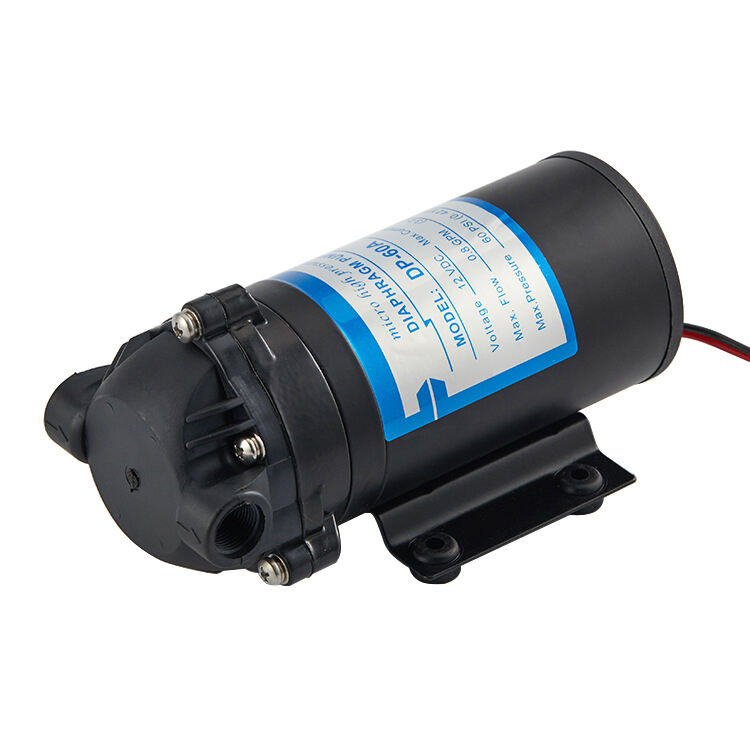
In industrial environments where corrosive chemicals like sulfuric and nitric acid are handled daily, selecting the right pumping solution becomes critical for operational safety and efficiency. A chemical magnetic pump represents one of the most advanced and reliable technologies available for these challenging applications. Unlike conventional pumps with mechanical seals, magnetic drive pumps eliminate shaft penetration through the pump casing, creating a completely sealed system that prevents dangerous chemical leaks and reduces maintenance requirements significantly.
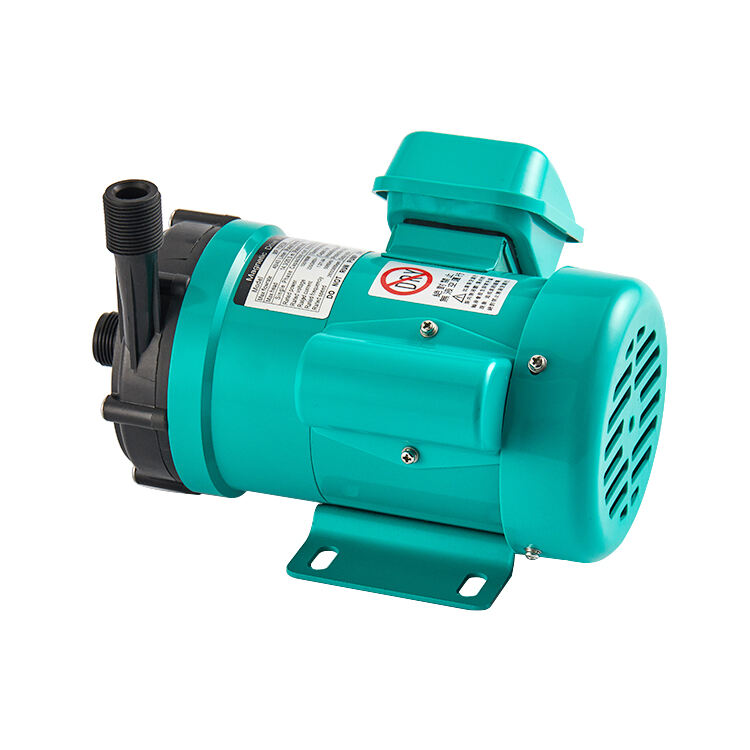
The importance of choosing appropriate equipment for acid handling cannot be overstated, as improper pump selection can lead to catastrophic failures, environmental contamination, and substantial financial losses. Modern manufacturing facilities processing sulfuric acid, nitric acid, and other aggressive chemicals require pumping systems that deliver consistent performance while maintaining the highest safety standards throughout their operational lifespan.
Understanding Magnetic Drive Technology in Chemical Processing
Sealless Design Advantages
The fundamental advantage of a chemical magnetic pump lies in its sealless design, which eliminates the primary failure point found in conventional centrifugal pumps. Traditional pumps rely on mechanical seals or packing to prevent fluid leakage around the rotating shaft, creating potential failure points that can result in hazardous chemical spills. Magnetic drive technology transfers power from the motor to the impeller through a magnetic coupling, completely isolating the pumped fluid from the external environment.
This innovative approach ensures that even in the event of internal component wear or failure, the chemical being pumped remains contained within the pump housing. The magnetic coupling consists of an outer magnet assembly connected to the motor shaft and an inner magnet assembly attached to the impeller, with a containment shell separating these components while allowing magnetic force transmission.
Containment Shell Protection
The containment shell, typically manufactured from high-grade stainless steel or specialized alloys, serves as a critical barrier between the chemical process fluid and the external magnetic assembly. This component must withstand the full system pressure and temperature while resisting corrosion from aggressive chemicals like sulfuric and nitric acid. Advanced manufacturing techniques ensure the containment shell maintains structural integrity throughout extended operation cycles.
Material selection for the containment shell depends on specific application requirements, with options including duplex stainless steel, Hastelloy, and other exotic alloys designed to resist particular chemical environments. The thickness and design of the containment shell are engineered to provide safety factors well beyond normal operating conditions, ensuring reliable performance even under upset conditions or process variations.
Material Selection for Acid Resistance
Wetted Parts Construction
When handling sulfuric acid and nitric acid, the selection of materials for all wetted components becomes paramount to pump longevity and safe operation. A quality chemical magnetic pump utilizes carefully selected materials that demonstrate proven resistance to these aggressive chemicals across the expected temperature and concentration ranges.
Common material choices include PTFE-lined casings for maximum chemical resistance, ceramic or silicon carbide for bearing surfaces, and specialized elastomers for O-ring applications. The pump casing itself may be constructed from polypropylene, PVDF, or metal alloys depending on pressure requirements and chemical compatibility needs. Each material selection must consider not only chemical resistance but also mechanical properties, thermal expansion characteristics, and long-term stability under operating conditions.
Bearing and Wear Ring Materials
Internal bearing systems in magnetic drive pumps require materials that can operate effectively while submerged in the pumped chemical, as these components rely on the process fluid for lubrication and cooling. Silicon carbide and tungsten carbide represent popular choices for bearing materials due to their exceptional hardness, corrosion resistance, and low friction characteristics when properly paired.
The selection of bearing materials must account for the specific gravity and lubricating properties of the chemicals being pumped, as some acids provide better lubrication than others. Advanced ceramic bearings offer superior performance in many acid applications, providing extended service life and reduced maintenance requirements compared to traditional metallic bearing materials.
Safety Benefits in Hazardous Chemical Environments
Leak Prevention and Environmental Protection
The sealless design of magnetic drive pumps provides unparalleled safety advantages when handling dangerous chemicals such as sulfuric and nitric acid. Traditional mechanical seals can fail due to wear, improper installation, or process upsets, potentially releasing hazardous chemicals into the work environment or surrounding areas. The elimination of dynamic seals in magnetic pump designs virtually eliminates this risk, providing peace of mind for facility operators and environmental compliance officers.
Environmental regulations governing the handling and transfer of corrosive chemicals continue to become more stringent, making leak prevention a critical consideration in pump selection. A chemical magnetic pump design helps facilities maintain compliance with environmental regulations while reducing the risk of costly cleanup operations, regulatory fines, and potential liability issues associated with chemical spills or releases.
Personnel Safety Considerations
Worker safety represents another compelling advantage of magnetic drive technology in chemical processing applications. The elimination of potential leak points reduces the risk of personnel exposure to dangerous chemicals, which can cause severe burns, respiratory problems, or other serious health issues. Maintenance activities on magnetic pumps can often be performed with greater safety margins, as the risk of unexpected chemical release during servicing is significantly reduced.
Emergency response procedures can also be simplified when magnetic pumps are employed, as the contained design limits the potential scope and severity of chemical release incidents. This factor becomes particularly important in facilities processing large volumes of concentrated acids, where even small leaks can create significant safety hazards for nearby personnel.
Performance Characteristics and Operational Benefits
Flow Rate and Pressure Capabilities
Modern chemical magnetic pump designs offer impressive performance characteristics that meet the demanding requirements of industrial acid processing applications. These pumps can deliver substantial flow rates while maintaining consistent pressure across varying system conditions, making them suitable for applications ranging from small-scale laboratory operations to large industrial manufacturing processes.
The absence of mechanical seals eliminates the friction losses and potential performance degradation associated with seal wear, allowing magnetic pumps to maintain their rated performance throughout their service life. This consistent performance characteristic translates to more predictable process operations and reduced need for system adjustments or compensatory measures as the pump ages.
Energy Efficiency and Operating Costs
Energy efficiency represents a significant consideration in pump selection, particularly for continuous-duty applications common in chemical processing facilities. Chemical magnetic pump designs optimize hydraulic efficiency while minimizing energy losses through the magnetic coupling, resulting in competitive power consumption compared to conventional pump designs. The elimination of mechanical seal systems also reduces parasitic power losses and eliminates the need for seal support systems such as barrier fluid circulation.
Long-term operating costs favor magnetic pump technology due to reduced maintenance requirements, eliminated seal replacement costs, and minimized downtime for repairs. While the initial investment in a quality magnetic pump may be higher than conventional alternatives, the total cost of ownership typically proves favorable when all operational factors are considered over the pump's service life.
Installation and Maintenance Considerations
System Integration Requirements
Proper installation of a chemical magnetic pump requires attention to several critical factors that ensure optimal performance and longevity. Suction piping must be designed to prevent cavitation and air entrainment, which can damage internal components and reduce pump efficiency. The system should incorporate adequate NPSH (Net Positive Suction Head) margins and proper pipe sizing to maintain stable operation across the expected operating range.
Discharge piping considerations include proper support to prevent excessive loads on the pump casing, appropriate valve selection for isolation and control functions, and provision for system pressure monitoring. Temperature considerations may require expansion joints or flexible connections to accommodate thermal growth in high-temperature acid applications.
Maintenance Protocols and Procedures
While magnetic pumps require less frequent maintenance than conventional sealed pumps, proper maintenance protocols remain essential for maximizing service life and reliability. Regular monitoring of operating parameters such as flow rate, pressure, temperature, and motor current can provide early warning of developing problems before they result in pump failure or performance degradation.
Scheduled maintenance activities typically include inspection of external components, verification of proper alignment, and monitoring of magnetic coupling condition through temperature or vibration analysis. The sealed nature of the pump design means that internal inspection requires pump disassembly, making preventive maintenance and condition monitoring particularly important for avoiding unexpected failures.
Applications in Sulfuric and Nitric Acid Processing
Industrial Manufacturing Processes
Sulfuric acid applications span numerous industrial processes, including fertilizer production, petroleum refining, metal processing, and chemical synthesis operations. A chemical magnetic pump serves these applications by providing reliable fluid transfer while maintaining process integrity and safety standards. The concentration and temperature ranges encountered in these applications vary widely, requiring careful pump selection and material specification to ensure compatibility and performance.
Nitric acid applications include explosive manufacturing, metal etching, semiconductor processing, and various chemical synthesis operations. The oxidizing nature of nitric acid presents unique challenges for pump materials and design, making the corrosion-resistant construction of magnetic pumps particularly valuable in these demanding applications.
Waste Treatment and Environmental Applications
Environmental applications for acid-handling pumps include wastewater treatment systems, acid recovery operations, and neutralization processes. These applications often involve varying chemical concentrations and may include solid particles or other contaminants that can affect pump performance and wear characteristics. The robust design of magnetic pumps makes them well-suited for these challenging applications where reliability and containment are critical.
Acid recovery systems in particular benefit from the leak-tight design of magnetic pumps, as these systems often handle valuable chemicals that must be contained and recycled rather than lost to the environment. The ability to maintain system integrity over extended operating periods makes magnetic pumps an economical choice for these applications.
FAQ
What makes magnetic pumps safer than conventional pumps for acid applications?
Magnetic pumps eliminate mechanical seals and shaft penetrations that can fail and cause dangerous chemical leaks. The sealless design contains corrosive acids completely within the pump housing, preventing exposure to personnel and the environment even if internal components wear or fail during operation.
How do I determine if my acid application is suitable for a magnetic pump?
Evaluate your specific acid type, concentration, temperature, and required flow rate against the pump manufacturer's specifications. Consider factors such as specific gravity, vapor pressure, and any solid particles present. Most sulfuric and nitric acid applications within typical industrial parameters are well-suited for magnetic pump technology.
What maintenance advantages do chemical magnetic pumps offer?
Magnetic pumps eliminate seal replacement requirements, reduce scheduled maintenance intervals, and minimize unplanned downtime. The sealed design prevents chemical exposure during maintenance activities and reduces the complexity of maintenance procedures compared to conventional pumps with mechanical seals.
Can magnetic pumps handle high-temperature acid applications?
Yes, magnetic pumps can handle elevated temperatures when properly specified with appropriate materials and design features. The containment shell and internal components must be selected for the specific temperature range, and adequate cooling provisions may be required for the magnetic coupling in high-temperature applications.
Table of Contents
- Understanding Magnetic Drive Technology in Chemical Processing
- Material Selection for Acid Resistance
- Safety Benefits in Hazardous Chemical Environments
- Performance Characteristics and Operational Benefits
- Installation and Maintenance Considerations
- Applications in Sulfuric and Nitric Acid Processing
- FAQ