
 EN
EN
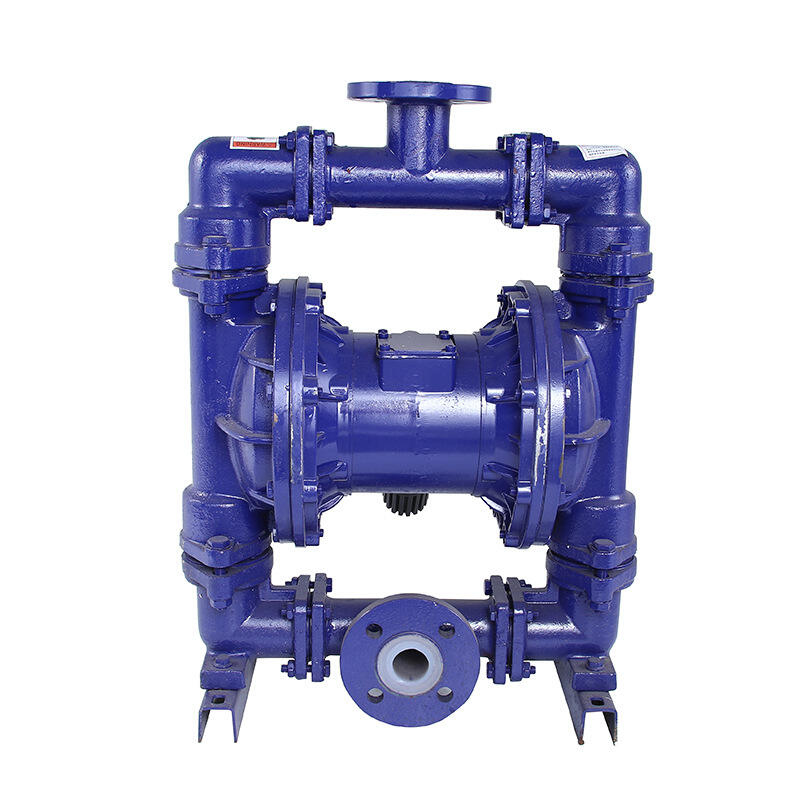
Industrial processes in electroplating and filtration require precision, reliability, and most importantly, leak-free operation when handling corrosive chemicals. Chemical magnetic pumps have emerged as the gold standard for these demanding applications, offering unparalleled safety and efficiency in fluid transfer operations. These innovative pumping solutions eliminate the risks associated with traditional mechanical seals while ensuring consistent performance in harsh chemical environments.
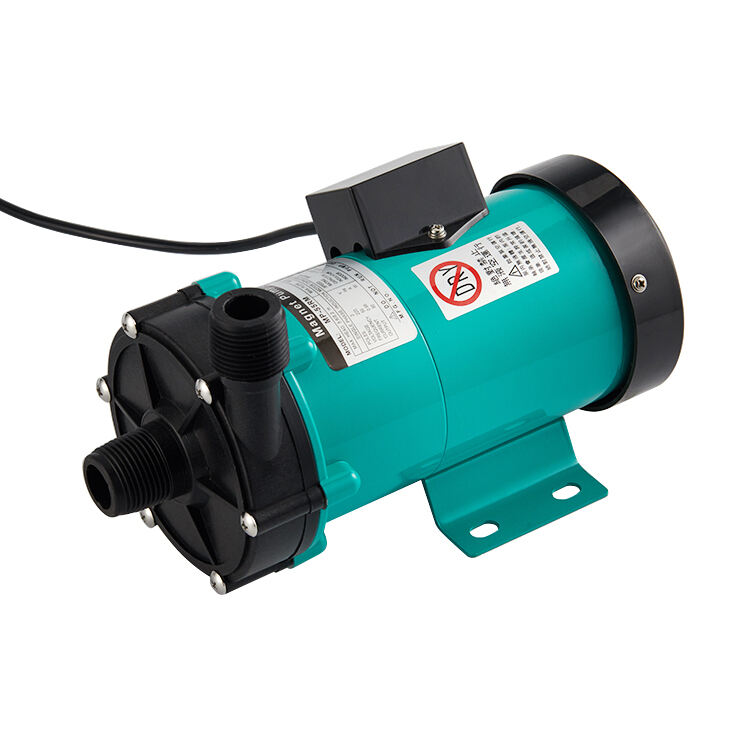
The evolution of magnetic drive technology has revolutionized how industries approach chemical handling. Unlike conventional pumps that rely on mechanical seals prone to wear and failure, magnetic drive pumps utilize a magnetic coupling to transfer power from the motor to the impeller without any physical connection through the pump casing. This breakthrough design eliminates the primary source of pump leakage while maintaining exceptional operational efficiency across diverse chemical applications.
Understanding Magnetic Drive Technology in Chemical Applications
Core Principles of Magnetic Coupling
The fundamental principle behind chemical magnetic pumps lies in the magnetic coupling system that creates a hermetic seal between the motor and the pumped fluid. This system consists of two sets of permanent magnets separated by a containment shell, which forms the barrier between the process fluid and the atmosphere. The outer magnet assembly connects directly to the motor shaft, while the inner magnet assembly drives the impeller within the pump casing.
When the motor rotates the outer magnets, the magnetic field penetrates through the containment shell and causes the inner magnets to rotate synchronously. This magnetic interaction ensures that torque is transmitted efficiently without any mechanical connection, eliminating the need for dynamic seals that are common failure points in traditional pumps. The containment shell, typically made from high-strength materials like Hastelloy or ceramic, provides complete isolation of the pumped fluid.
Material Selection for Chemical Resistance
The selection of appropriate materials for chemical magnetic pumps is critical to their performance and longevity in aggressive chemical environments. Wetted components must resist corrosion from acids, bases, solvents, and other reactive chemicals commonly found in electroplating and filtration processes. Common material options include fluoropolymers like PTFE and PFA for exceptional chemical resistance, along with ceramic components for abrasive applications.
The containment shell material plays a particularly crucial role in pump performance, as it must maintain structural integrity while allowing efficient magnetic coupling. Advanced materials like silicon carbide and alumina ceramics offer superior corrosion resistance and magnetic permeability, ensuring reliable operation even in the most challenging chemical environments. These material choices directly impact the pump's ability to handle specific chemicals while maintaining operational efficiency over extended periods.
Applications in Electroplating Industries
Precision Chemical Dosing
Electroplating operations demand precise control over chemical concentrations and flow rates to achieve consistent plating quality. Chemical magnetic pumps excel in these applications by providing accurate, pulsation-free flow that maintains the delicate chemical balance required for optimal plating results. The absence of mechanical seals eliminates contamination risks that could compromise the quality of electroplated surfaces.
In typical electroplating setups, chemical magnetic pumps handle various solutions including chromic acid, nickel sulfate, copper sulfate, and zinc chloride. The magnetic drive design ensures that these corrosive solutions remain completely contained within the pump system, protecting both personnel and equipment from potentially hazardous exposure while maintaining process integrity.
Waste Treatment and Recovery
Electroplating facilities generate significant volumes of chemical waste that require careful handling and treatment. Chemical magnetic pumps play a vital role in waste recovery systems, transferring spent solutions to treatment facilities or recycling systems without the risk of environmental contamination. The leak-free design is particularly important when handling heavy metal solutions and other hazardous waste streams.
Recovery operations often involve pumping solutions with varying viscosities and chemical compositions, conditions that can quickly degrade conventional pump seals. Magnetic drive pumps maintain their integrity across these diverse operating conditions, ensuring reliable waste handling while minimizing maintenance requirements and operational downtime.
Filtration System Integration
High-Purity Filtration Processes
Modern filtration systems require pumps that maintain fluid purity throughout the transfer process. Chemical magnetic pumps are ideally suited for these applications because their seal-less design eliminates potential contamination sources that could compromise filtration efficiency. This is particularly critical in semiconductor manufacturing, pharmaceutical production, and other high-purity applications where even trace contamination can result in significant quality issues.
The smooth, non-pulsating flow characteristics of magnetic drive pumps complement advanced filtration technologies by maintaining consistent pressure differentials across filter media. This steady flow helps optimize filter performance and extends media life while ensuring consistent filtration quality throughout the process cycle.
Corrosive Chemical Handling
Filtration systems often handle aggressive chemicals that would quickly damage conventional pump components. Chemical magnetic pumps address these challenges through careful material selection and design optimization that resists chemical attack while maintaining operational reliability. The containment shell provides an additional barrier against chemical exposure, protecting critical pump components from process fluids.
Temperature variations common in chemical filtration processes can cause thermal expansion and contraction that stress conventional pump seals. Magnetic drive designs accommodate these thermal cycles without compromising performance, maintaining leak-free operation across wide temperature ranges typical in industrial filtration applications.
Performance Advantages and Operational Benefits
Maintenance Cost Reduction
The elimination of mechanical seals in chemical magnetic pumps significantly reduces maintenance requirements and associated costs. Traditional pumps require regular seal replacement, alignment checks, and lubrication maintenance that can result in substantial operational expenses over time. Magnetic drive pumps eliminate these maintenance needs while providing extended service life that reduces total cost of ownership.
Predictive maintenance strategies become more effective with magnetic drive technology because the primary failure modes are well understood and can be monitored through vibration analysis, temperature monitoring, and magnetic field measurements. This predictability allows maintenance teams to schedule interventions during planned downtime rather than responding to unexpected seal failures.
Environmental and Safety Compliance
Regulatory compliance in chemical processing has become increasingly stringent, with zero-tolerance policies for chemical leaks in many jurisdictions. Chemical magnetic pumps help facilities meet these requirements by providing inherently leak-free operation that eliminates the environmental and safety risks associated with mechanical seal failures. This compliance advantage can be particularly important in facilities handling regulated chemicals or operating in environmentally sensitive areas.
The safety benefits extend beyond leak prevention to include reduced exposure risks during maintenance operations. Without mechanical seals to replace, maintenance personnel have fewer opportunities for chemical exposure, contributing to improved workplace safety and reduced insurance costs.
Design Considerations and Selection Criteria
Flow Rate and Pressure Requirements
Proper sizing of chemical magnetic pumps requires careful analysis of system flow and pressure requirements. Unlike conventional pumps where slight oversizing might be acceptable, magnetic drive pumps must be sized more precisely to ensure efficient magnetic coupling and prevent overheating. The magnetic coupling strength limits the maximum torque that can be transmitted, making proper application engineering essential for reliable operation.
System head calculations must account for the specific characteristics of chemical fluids, including viscosity effects and temperature variations that can impact pump performance. Chemical magnetic pumps typically operate most efficiently at or near their design point, making accurate system analysis crucial for optimal performance and longevity.
Temperature and Viscosity Considerations
Operating temperature affects both the magnetic coupling efficiency and the mechanical properties of pump materials. High temperatures can reduce magnetic field strength and potentially cause thermal stress in pump components, while low temperatures may increase fluid viscosity and affect flow characteristics. Chemical magnetic pumps must be selected with appropriate temperature ratings and thermal management features for specific applications.
Viscosity effects are particularly important in chemical applications where fluid properties may change due to temperature variations or chemical reactions. Higher viscosity fluids require more torque to pump, potentially approaching the magnetic coupling limits and affecting overall system efficiency. Proper viscosity analysis ensures that the magnetic drive can handle expected fluid conditions throughout the operating range.
FAQ
What makes chemical magnetic pumps more reliable than conventional pumps?
Chemical magnetic pumps eliminate the mechanical seal, which is the most common failure point in conventional pumps. The magnetic coupling provides power transmission without physical contact through the pump casing, creating a completely sealed system that prevents leaks and reduces maintenance requirements significantly.
Can chemical magnetic pumps handle abrasive materials?
While chemical magnetic pumps are primarily designed for clean chemical applications, they can handle mildly abrasive materials when equipped with appropriate wear-resistant materials such as silicon carbide or ceramic components. However, highly abrasive applications may require special design considerations or alternative pump technologies.
How do you prevent overheating in magnetic drive pumps?
Overheating prevention involves proper pump sizing, maintaining adequate flow rates to provide cooling, and using appropriate materials for the operating temperature range. Many chemical magnetic pumps include temperature monitoring systems and may require minimum flow bypass systems to ensure adequate internal circulation for cooling.
What are the typical maintenance requirements for chemical magnetic pumps?
Chemical magnetic pumps require minimal routine maintenance compared to conventional pumps. Primary maintenance tasks include periodic inspection of magnetic coupling components, monitoring for wear in bearings and bushings, and checking containment shell integrity. The absence of mechanical seals eliminates the most frequent maintenance requirement of traditional chemical pumps.