
 EN
EN
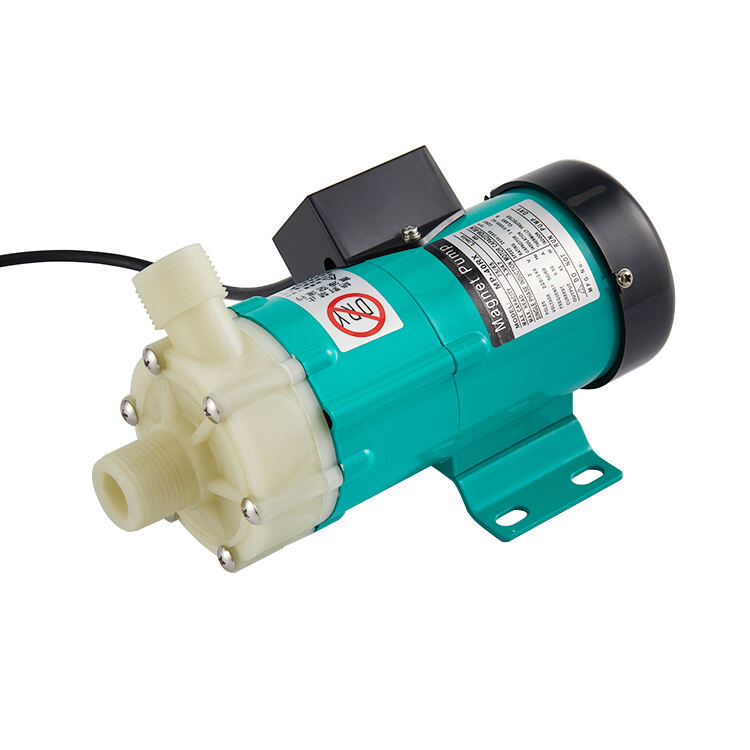
Chemical magnetic pumps have revolutionized fluid handling in processing industries by providing leak-free, maintenance-efficient solutions for demanding applications. These innovative pumping systems utilize magnetic coupling technology to eliminate the need for traditional mechanical seals, making them ideal for handling corrosive, toxic, and hazardous chemicals. The sealed design prevents contamination and ensures operator safety while maintaining optimal performance in critical industrial processes. Processing industries worldwide have embraced these advanced pumping solutions due to their reliability, environmental compliance, and operational efficiency.
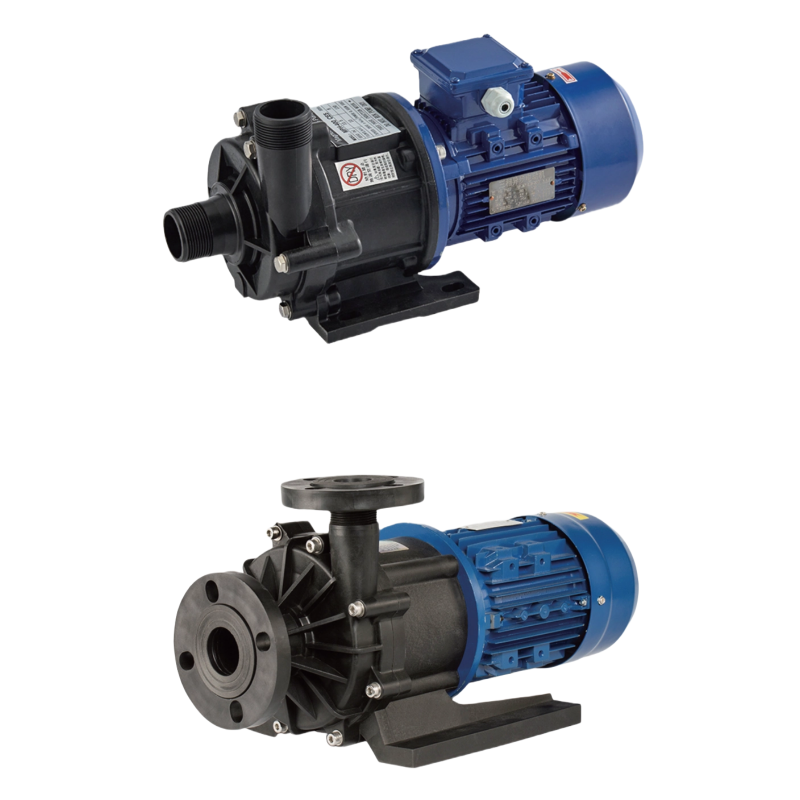
Chemical Manufacturing and Production
Acid and Base Processing
Chemical manufacturing facilities rely heavily on chemical magnetic pumps for handling concentrated acids and bases throughout production processes. These pumps excel in transferring sulfuric acid, hydrochloric acid, nitric acid, and various alkaline solutions without the risk of seal failure or chemical leakage. The magnetic coupling technology ensures complete containment of aggressive chemicals, protecting both equipment and personnel from hazardous exposure. Manufacturing plants benefit from reduced maintenance costs as these pumps eliminate the need for frequent seal replacements that traditional pumps require when handling corrosive media.
Production efficiency increases significantly when chemical magnetic pumps are deployed in acid and base processing lines. The pumps maintain consistent flow rates even when handling chemicals with varying viscosities and temperatures. Their robust construction withstands thermal cycling and chemical attack, ensuring uninterrupted production schedules. Quality control processes also benefit from the contamination-free operation that magnetic pumps provide, as there is no risk of lubricants or seal materials entering the process stream.
Specialty Chemical Production
Specialty chemical manufacturers depend on chemical magnetic pumps for producing high-value, low-volume chemicals that require absolute purity. These applications include pharmaceutical intermediates, electronic chemicals, and advanced materials where even trace contamination can render entire batches unusable. The hermetically sealed design of magnetic pumps prevents any external contamination while maintaining the integrity of sensitive chemical formulations. Temperature-sensitive reactions benefit from the precise flow control capabilities that these pumps offer.
Research and development laboratories within chemical companies utilize magnetic pumps for pilot-scale production and process development. The ability to handle small volumes with high precision makes these pumps invaluable for testing new chemical processes and optimizing production parameters. Scale-up from laboratory to production becomes more seamless when the same pumping technology is used throughout the development process.
Pharmaceutical Industry Applications
Active Pharmaceutical Ingredient Manufacturing
Pharmaceutical companies utilize chemical magnetic pumps extensively in active pharmaceutical ingredient manufacturing where product purity and sterility are paramount. These pumps handle organic solvents, reaction mixtures, and purified compounds without introducing contaminants that could compromise drug safety or efficacy. The FDA-compliant design meets stringent pharmaceutical manufacturing standards while providing the reliability needed for continuous production operations. Clean-in-place and sterilize-in-place procedures are simplified due to the pump's smooth internal surfaces and absence of dead zones where bacteria could accumulate.
Multi-step synthesis processes in pharmaceutical manufacturing benefit from the versatility of magnetic pumps in handling different chemical media within the same production campaign. These pumps can transfer acidic compounds, basic solutions, and neutral solvents without cross-contamination between batches. The ability to operate at elevated temperatures supports reaction processes that require heated transfer lines and vessels. Documentation and validation requirements are streamlined due to the pump's consistent performance characteristics and minimal maintenance needs.
Biotechnology and Bioprocessing
Biotechnology companies employ chemical magnetic pumps for handling biologically active compounds, enzymes, and fermentation products that require gentle handling to maintain their activity. The shear-sensitive nature of many biotechnology products demands pumping solutions that minimize mechanical stress while providing reliable fluid transfer. Magnetic pumps operate smoothly without the pulsations and vibrations associated with traditional mechanical pumps, preserving the integrity of delicate biological molecules. Sterile processing environments benefit from the contamination-free operation that eliminates the risk of microbial ingress through failed seals.
Cell culture and fermentation processes utilize magnetic pumps for media preparation, product harvesting, and downstream processing operations. The pumps handle viscous fermentation broths and cell suspensions without damaging cellular structures or reducing product yields. Temperature control during bioprocessing is critical, and magnetic pumps provide precise flow control for heating and cooling systems that maintain optimal process conditions.
Water and Wastewater Treatment
Chemical Dosing and pH Control
Water treatment facilities depend on chemical magnetic pumps for accurate dosing of treatment chemicals including coagulants, flocculants, disinfectants, and pH adjustment chemicals. The precise flow control capabilities ensure optimal chemical dosing ratios that maximize treatment efficiency while minimizing chemical consumption and operating costs. Corrosive chemicals such as sodium hypochlorite, ferric chloride, and aluminum sulfate are handled safely without the risk of seal failure that could result in dangerous chemical spills or treatment process disruptions.
Municipal water treatment plants utilize these pumps for continuous chemical injection systems that maintain water quality standards. The reliability of magnetic pumps reduces the risk of treatment failures that could compromise public health or violate regulatory requirements. Remote monitoring capabilities integrate seamlessly with plant control systems, enabling operators to optimize chemical dosing based on real-time water quality parameters.
Industrial Wastewater Processing
Industrial wastewater treatment systems employ chemical magnetic pumps for handling aggressive chemicals used in neutralization, precipitation, and advanced oxidation processes. Heavy metal removal processes require precise dosing of precipitating agents and pH adjustment chemicals, which magnetic pumps deliver with exceptional accuracy. The corrosion-resistant construction withstands the harsh chemical environment typical of industrial wastewater treatment, reducing maintenance requirements and extending equipment life.
Zero liquid discharge systems in industrial facilities rely on magnetic pumps for handling concentrated brines and chemical precipitates that would quickly damage conventional pumps. The ability to operate with high-solids content fluids makes these pumps essential for advanced wastewater treatment technologies that maximize water recovery and minimize waste disposal.
Petrochemical and Refining Operations
Catalyst and Additive Handling
Petrochemical refineries utilize chemical magnetic pumps for transferring catalysts, additives, and processing chemicals that enhance fuel quality and optimize refining processes. These applications include handling organometallic catalysts, antioxidants, corrosion inhibitors, and fuel additives that require contamination-free transfer to maintain their effectiveness. The hermetic sealing prevents air exposure that could deactivate sensitive catalysts or cause unwanted chemical reactions.
Hydroprocessing units employ magnetic pumps for circulating hydrogen sulfide scavenging chemicals and other specialty additives that improve product quality. The ability to handle both aqueous and organic phases makes these pumps versatile for various refining applications. Temperature stability ensures reliable operation in the elevated temperature environments common in refining processes.
Crude Oil Processing
Crude oil processing facilities use chemical magnetic pumps for handling desalting chemicals, corrosion inhibitors, and demulsifiers that separate water and impurities from crude oil. The pumps maintain precise injection rates that optimize crude oil quality while minimizing chemical consumption. Offshore drilling platforms benefit from the leak-free operation that eliminates environmental contamination risks in sensitive marine environments.
Pipeline chemical injection systems rely on magnetic pumps for continuous addition of flow improvers, corrosion inhibitors, and biocides that ensure safe and efficient crude oil transportation. The pumps operate reliably in remote locations with minimal maintenance requirements, reducing operational costs and improving system availability.
Semiconductor and Electronics Manufacturing
Ultrapure Chemical Delivery
Semiconductor fabrication facilities require chemical magnetic pumps for delivering ultrapure chemicals used in wafer processing, including acids, bases, solvents, and specialty etching solutions. The contamination-free operation is critical for maintaining the purity levels required for advanced semiconductor devices. Even parts-per-billion contamination can cause device failures, making the hermetic sealing of magnetic pumps essential for reliable semiconductor manufacturing.
Chemical mechanical planarization processes utilize magnetic pumps for delivering slurries and cleaning chemicals that achieve the precise surface finishes required for advanced integrated circuits. The gentle pumping action prevents particle generation that could damage sensitive semiconductor surfaces. Flow pulsation dampening ensures consistent delivery pressure that maintains process stability and improves yield rates.
Electronic Component Manufacturing
Electronic component manufacturers employ chemical magnetic pumps for handling plating solutions, etching chemicals, and cleaning solvents used in printed circuit board production. The precise flow control enables accurate chemical delivery that ensures consistent plating thickness and etching profiles. Corrosion-resistant materials withstand the aggressive chemicals used in electronic manufacturing while maintaining dimensional stability for precise flow control.
Surface mount technology assembly lines use magnetic pumps for flux application and cleaning processes that require precise chemical delivery. The pumps handle low-viscosity solvents and cleaning agents without generating vapors that could contaminate sensitive electronic components. Temperature control capabilities support processes that require heated chemical delivery for optimal performance.
Food and Beverage Processing
Cleaning and Sanitization
Food processing facilities utilize chemical magnetic pumps for circulating cleaning and sanitizing chemicals throughout processing equipment and pipelines. The FDA-approved materials and sanitary design comply with food safety regulations while providing reliable chemical delivery for clean-in-place systems. Caustic cleaning solutions, acid sanitizers, and chlorine-based disinfectants are handled safely without the risk of contamination from pump lubricants or seal materials.
Beverage production lines depend on magnetic pumps for precise dosing of cleaning chemicals that maintain product quality and prevent microbial contamination. The pumps operate at various temperatures required for effective cleaning cycles while maintaining flow accuracy for optimal chemical utilization. Hygienic design features facilitate easy cleaning and inspection to meet strict food safety standards.
Ingredient Processing
Food ingredient manufacturers use chemical magnetic pumps for handling acidic ingredients, flavor compounds, and processing aids that require gentle handling to preserve quality characteristics. The shear-sensitive nature of many food ingredients benefits from the smooth operation that magnetic pumps provide. Stainless steel construction ensures compatibility with food-grade applications while resisting corrosion from acidic ingredients.
Nutritional supplement production utilizes magnetic pumps for transferring vitamin solutions, mineral complexes, and other nutritional compounds that require precise dosing for product consistency. The contamination-free operation ensures that supplement purity meets regulatory requirements and consumer expectations. Temperature control capabilities support processes that require heated transfer to maintain ingredient solubility.
Environmental and Safety Benefits
Emission Control
Chemical magnetic pumps contribute significantly to environmental protection by eliminating fugitive emissions that occur with traditional sealed pumps. The hermetic containment prevents volatile organic compounds from escaping during pumping operations, helping facilities comply with air quality regulations and reduce their environmental footprint. Industries handling solvents, fuels, and other volatile chemicals benefit from the zero-emission operation that magnetic pumps provide.
Greenhouse gas reduction initiatives in processing industries often include replacing conventional pumps with magnetic drive alternatives to eliminate methane, carbon dioxide, and other greenhouse gas emissions. The energy efficiency of modern magnetic pumps also contributes to reduced carbon footprints by minimizing electrical power consumption while maintaining process performance.
Workplace Safety Enhancement
Worker safety improvements result from implementing chemical magnetic pumps in hazardous chemical handling applications. The elimination of seal leakage reduces exposure risks for maintenance personnel and operators working near pumping systems. Toxic chemical containment is assured even during pump maintenance, as the magnetic coupling can be serviced without breaking the process containment barrier.
Emergency response procedures are simplified when magnetic pumps are used for hazardous chemical service, as the risk of catastrophic seal failure and chemical release is eliminated. Fire and explosion risks are reduced in facilities handling flammable chemicals, as magnetic pumps do not generate sparks or heat that could ignite vapors. Insurance costs often decrease when facilities demonstrate improved safety through magnetic pump implementation.
Cost-Effectiveness and ROI Analysis
Maintenance Cost Reduction
Chemical magnetic pumps deliver substantial maintenance cost savings compared to conventional sealed pumps through elimination of seal replacement requirements. Traditional mechanical seals require regular replacement every 12-18 months in aggressive chemical service, while magnetic pumps can operate for years without seal-related maintenance. Labor costs for seal replacement, including system shutdown time and skilled technician requirements, are eliminated with magnetic drive technology.
Predictive maintenance programs become more effective when chemical magnetic pumps are implemented, as the primary failure modes are bearing wear and magnet demagnetization, both of which provide advance warning through vibration monitoring and performance degradation. Maintenance scheduling becomes more predictable, allowing facilities to optimize maintenance resources and reduce unplanned downtime costs.
Energy Efficiency Benefits
Modern chemical magnetic pumps incorporate energy-efficient motor technologies and optimized hydraulic designs that reduce electrical power consumption compared to older pump designs. Variable frequency drive compatibility enables precise flow control that matches process requirements, eliminating energy waste from throttling valves and oversized pumping systems. Power factor correction and high-efficiency motors contribute to reduced electrical demand charges and improved facility power utilization.
Life cycle cost analysis consistently demonstrates favorable returns on investment for chemical magnetic pumps in demanding chemical service applications. The combination of reduced maintenance costs, eliminated environmental compliance risks, improved safety performance, and energy efficiency typically provides payback periods of 2-3 years for most industrial applications.
FAQ
What makes chemical magnetic pumps different from conventional centrifugal pumps
Chemical magnetic pumps utilize magnetic coupling technology instead of mechanical seals to transfer power from the motor to the impeller. This design creates a completely sealed pumping chamber that prevents any leakage of pumped fluid, making them ideal for handling hazardous, toxic, or environmentally sensitive chemicals. The magnetic coupling consists of an outer magnet assembly connected to the motor and an inner magnet assembly connected to the impeller, with a containment shell separating them. This hermetic sealing eliminates the primary failure point of conventional pumps while maintaining reliable fluid transfer capabilities.
How do I select the right chemical magnetic pump for my specific application
Selecting the appropriate chemical magnetic pump requires evaluation of several critical factors including the chemical compatibility of pump materials with your process fluid, required flow rate and discharge pressure, operating temperature range, and specific gravity of the pumped medium. Material selection is crucial, with options including fluoropolymer linings, ceramic components, and various metal alloys designed for specific chemical resistance. Consulting with pump manufacturers and providing detailed process information ensures optimal pump selection that meets both performance and safety requirements while maximizing equipment life and reliability.
What maintenance is required for chemical magnetic pumps during operation
Chemical magnetic pumps require minimal maintenance compared to conventional sealed pumps, with primary maintenance activities including bearing lubrication, alignment verification, and periodic inspection of the containment shell for wear or damage. Vibration monitoring helps detect bearing wear before failure occurs, allowing for planned maintenance scheduling. The magnetic coupling should be inspected periodically for proper alignment and magnet strength, though these components typically last many years in normal operation. Regular monitoring of pump performance parameters such as flow rate, pressure, and power consumption helps identify potential issues before they cause equipment failure.
Can chemical magnetic pumps handle high-temperature applications effectively
Chemical magnetic pumps are designed to handle elevated temperatures through specialized materials and cooling systems that protect the magnetic coupling from demagnetization. High-temperature models incorporate cooling jackets, thermal barriers, and temperature-resistant magnetic materials that maintain coupling strength at operating temperatures up to 350°F or higher depending on the specific design. Proper thermal management is essential to prevent magnet degradation and maintain pump reliability in high-temperature service. Application-specific engineering ensures that temperature requirements are met while maintaining chemical compatibility and operational safety.
Table of Contents
- Chemical Manufacturing and Production
- Pharmaceutical Industry Applications
- Water and Wastewater Treatment
- Petrochemical and Refining Operations
- Semiconductor and Electronics Manufacturing
- Food and Beverage Processing
- Environmental and Safety Benefits
- Cost-Effectiveness and ROI Analysis
-
FAQ
- What makes chemical magnetic pumps different from conventional centrifugal pumps
- How do I select the right chemical magnetic pump for my specific application
- What maintenance is required for chemical magnetic pumps during operation
- Can chemical magnetic pumps handle high-temperature applications effectively