
 EN
EN
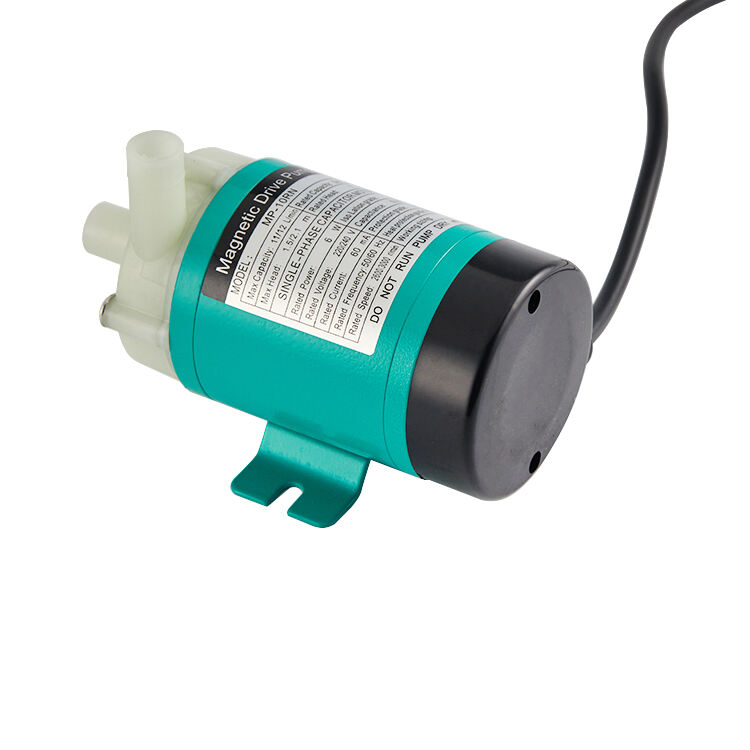
Chemical processing facilities handling corrosive acids face critical challenges when selecting appropriate pumping equipment. The transfer of sulfuric and nitric acids requires specialized pumping solutions that can withstand extreme chemical environments while maintaining operational safety and efficiency. Understanding the unique requirements for acid handling applications is essential for engineers and facility managers to make informed equipment decisions that protect both personnel and infrastructure.
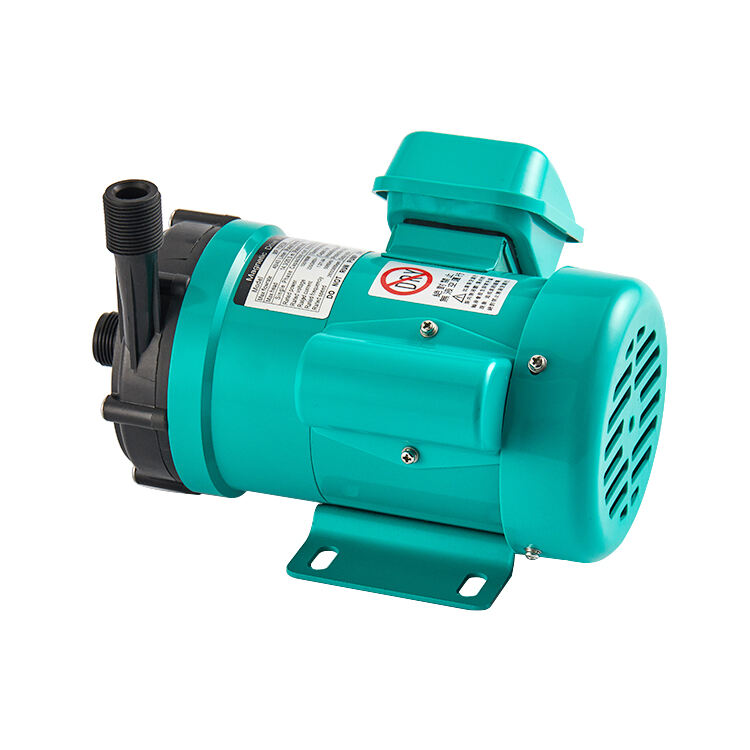
Magnetic drive pumps have emerged as the preferred solution for corrosive acid applications due to their leak-free design and superior chemical compatibility. These pumps eliminate the traditional shaft seal, which represents the most common failure point in conventional centrifugal pumps when handling aggressive chemicals. The magnetic coupling technology ensures complete containment of hazardous fluids while providing reliable performance in demanding industrial environments.
Understanding Magnetic Drive Technology for Acid Applications
Sealless Design Advantages
The fundamental advantage of magnetic drive pumps lies in their sealless construction, which eliminates the risk of dangerous acid leaks that can occur with traditional mechanical seals. The magnetic coupling transfers torque from the motor to the impeller through a containment shell, creating a hermetically sealed pumping chamber. This design principle ensures that corrosive acids remain completely contained within the pump housing, preventing environmental contamination and worker exposure.
Traditional mechanical seals require regular maintenance and replacement when handling acids, as the aggressive chemistry rapidly degrades elastomeric components. The sealless design of magnetic pumps eliminates these maintenance requirements while providing superior long-term reliability. This advantage becomes particularly significant in continuous process applications where unplanned downtime can result in substantial production losses and safety hazards.
Magnetic Coupling Efficiency
Modern magnetic couplings achieve transmission efficiencies exceeding 95% when properly sized for the application. The magnetic field strength and coupling design must be carefully matched to the pump's torque requirements to prevent decoupling under normal operating conditions. High-strength rare earth magnets provide the necessary magnetic force while maintaining compact coupling dimensions that minimize bearing loads and extend component life.
The containment shell material selection critically impacts coupling performance and chemical compatibility. Hastelloy, PTFE, and specialized ceramic materials offer excellent corrosion resistance while maintaining the magnetic field strength necessary for reliable torque transmission. Proper material selection ensures that the containment shell maintains its integrity throughout the pump's operational life while providing optimal magnetic coupling efficiency.
Material Selection for Sulfuric and Nitric Acid Compatibility
Wetted Component Materials
Sulfuric acid applications require careful consideration of concentration and temperature effects on material compatibility. At concentrations below 80% and temperatures under 150°F, 316 stainless steel provides adequate corrosion resistance for many applications. However, higher concentrations or elevated temperatures necessitate more exotic materials such as Hastelloy C-276 or specialized fluoropolymer linings to ensure long-term reliability.
Nitric acid presents different corrosion challenges, with 316 stainless steel generally providing good compatibility across a wide range of concentrations and temperatures. The oxidizing nature of nitric acid requires materials that form protective passive layers, making austenitic stainless steels the preferred choice for most applications. However, applications involving mixed acids or elevated temperatures may require upgraded materials to prevent unexpected corrosion failures.
Non-Wetted Component Considerations
The pump casing and magnetic coupling assembly must be fabricated from materials that provide structural integrity while resisting external corrosion. Cast iron and carbon steel housings are typically unsuitable for acid service due to vapor phase corrosion concerns. Stainless steel or specialized polymer housings offer superior durability in corrosive environments while providing the mechanical strength necessary for reliable operation.
Bearing materials require special attention in chemical magnetic pump applications, as traditional lubrication methods may not be suitable for acid service. Silicon carbide and tungsten carbide bearings provide excellent wear resistance and chemical compatibility, while PTFE and carbon-graphite materials offer cost-effective alternatives for less demanding applications. The bearing lubrication system must be compatible with the pumped fluid to prevent contamination and ensure reliable operation.
Performance Characteristics and Sizing Considerations
Flow Rate and Head Requirements
Proper pump sizing requires accurate determination of system flow requirements and total dynamic head losses. Acid transfer applications often involve significant elevation changes and long piping runs that contribute to system head losses. The pump must be sized to overcome these losses while maintaining adequate net positive suction head margin to prevent cavitation damage to internal components.
Magnetic drive pumps typically exhibit slightly different performance characteristics compared to conventional centrifugal pumps due to the additional losses in the magnetic coupling. These efficiency differences must be considered during pump selection to ensure that the selected unit can meet system requirements while operating within its optimal efficiency range. Operating pumps at low flow conditions can result in reduced component life due to increased internal circulation and heating.
Temperature and Viscosity Effects
Acid temperature significantly impacts both pump performance and material compatibility requirements. Elevated temperatures reduce the viscosity of most acids, which can improve pump efficiency but may also increase corrosion rates and reduce magnetic coupling strength. The pump selection must account for both the maximum operating temperature and any temperature variations that may occur during normal operation.
Viscosity effects become particularly important when handling concentrated acids at lower temperatures. Higher viscosity fluids require additional power input and may reduce the pump's maximum achievable flow rate. The pump manufacturer's performance curves should be consulted to ensure that the selected unit can handle the expected viscosity range while maintaining acceptable efficiency levels.
Safety and Regulatory Compliance
Containment and Leak Detection
While magnetic drive pumps provide superior leak prevention compared to conventional designs, proper installation practices and monitoring systems enhance overall safety performance. Secondary containment systems should be implemented to capture any potential leaks from flanged connections or component failures. Leak detection systems can provide early warning of developing problems before they become significant safety hazards.
The pump installation should include appropriate safety interlocks and monitoring systems to prevent operation under dangerous conditions. Temperature monitoring of the magnetic coupling can detect potential problems before they result in component failure. Vibration monitoring systems can identify bearing wear or impeller damage that could compromise pump integrity and lead to containment loss.
Emergency Response Planning
Comprehensive emergency response procedures must be developed for acid handling systems, even when using leak-free magnetic drive technology. Personnel training should cover proper shutdown procedures, emergency containment measures, and appropriate personal protective equipment requirements. Regular drills and training updates ensure that operators can respond effectively to any unexpected situations.
Maintenance procedures should emphasize safety protocols for working with acid-handling equipment. Proper decontamination procedures must be followed before performing any maintenance activities, and specialized tools and protective equipment may be required for certain operations. Documentation of all maintenance activities helps ensure regulatory compliance and provides valuable data for optimizing maintenance intervals.
Installation and Maintenance Best Practices
Proper Installation Techniques
Correct pump installation is critical for achieving optimal performance and reliability in acid service applications. The pump must be properly aligned with connected piping to minimize stress on pump flanges and internal components. Thermal expansion considerations are particularly important in acid applications where temperature variations may be significant during normal operation.
Suction piping design requires special attention to ensure adequate net positive suction head and prevent air entrainment. Eccentric reducers should be installed with the flat side up to prevent air pocket formation, and adequate straight run lengths should be provided upstream of the pump suction to ensure uniform flow distribution. Proper support of suction and discharge piping prevents transmission of external loads to the pump casing.
Maintenance Scheduling and Procedures
Preventive maintenance programs for magnetic drive pumps should focus on monitoring key performance parameters and conducting regular inspections of accessible components. Vibration analysis, temperature monitoring, and performance trending can identify developing problems before they result in unplanned downtime. The maintenance schedule should be adjusted based on actual operating conditions and performance history.
Component replacement intervals depend on the specific acid being handled and operating conditions. Bearing replacement may be required more frequently in high-temperature applications, while impeller wear rates vary depending on acid concentration and the presence of suspended solids. Maintaining adequate spare parts inventory ensures that maintenance activities can be completed efficiently without extended downtime periods.
FAQ
What are the main advantages of magnetic drive pumps over conventional pumps for acid applications
Magnetic drive pumps offer complete elimination of shaft seals, which are the most common failure point when handling corrosive acids. This sealless design prevents hazardous leaks, reduces maintenance requirements, and provides superior long-term reliability in aggressive chemical environments. The hermetically sealed design also eliminates the need for seal flush systems and associated complexity.
How do I determine the correct materials of construction for my specific acid application
Material selection depends on the specific acid type, concentration, temperature, and presence of other chemicals. Consult corrosion resistance charts and conduct compatibility testing when necessary. For sulfuric acid applications, consider concentration and temperature effects, while nitric acid typically works well with 316 stainless steel across most conditions. Always verify material compatibility with your pump manufacturer.
What performance differences should I expect compared to conventional centrifugal pumps
Magnetic drive pumps typically exhibit 2-5% lower efficiency due to losses in the magnetic coupling, but this difference is often offset by elimination of seal flush requirements and reduced maintenance needs. The performance curves may show slightly different characteristics, particularly at low flow conditions where internal circulation effects become more significant.
What are the key maintenance considerations for chemical magnetic pumps in acid service
Focus on monitoring bearing condition through vibration analysis and temperature measurement, as bearings are often lubricated by the pumped fluid in these applications. Regular performance monitoring helps detect developing problems early. Proper decontamination procedures must be followed before any maintenance work, and specialized procedures may be required for handling acid-wetted components safely.
Table of Contents
- Understanding Magnetic Drive Technology for Acid Applications
- Material Selection for Sulfuric and Nitric Acid Compatibility
- Performance Characteristics and Sizing Considerations
- Safety and Regulatory Compliance
- Installation and Maintenance Best Practices
-
FAQ
- What are the main advantages of magnetic drive pumps over conventional pumps for acid applications
- How do I determine the correct materials of construction for my specific acid application
- What performance differences should I expect compared to conventional centrifugal pumps
- What are the key maintenance considerations for chemical magnetic pumps in acid service