
 EN
EN
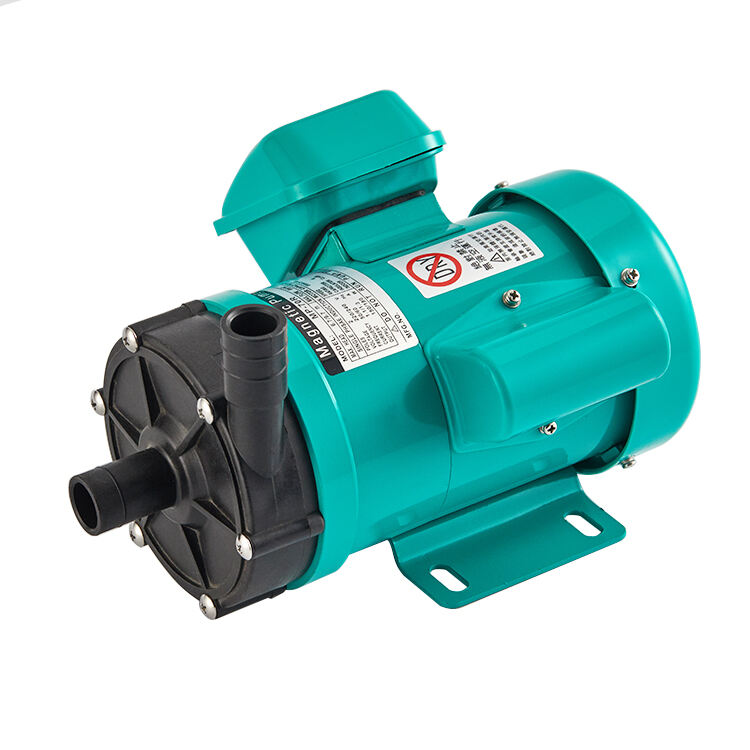
Chemical magnetic pumps represent a revolutionary advancement in fluid handling technology, specifically designed to manage aggressive chemicals and acids with unparalleled safety and efficiency. These specialized pumping systems eliminate the risk of hazardous leaks by utilizing magnetic coupling technology, making them indispensable for industries dealing with corrosive substances. The unique design of these pumps ensures zero contact between the pumped fluid and the external environment, providing superior protection for both personnel and equipment. Modern industrial facilities increasingly rely on these innovative solutions to maintain operational integrity while handling dangerous chemicals that could otherwise pose significant safety risks.
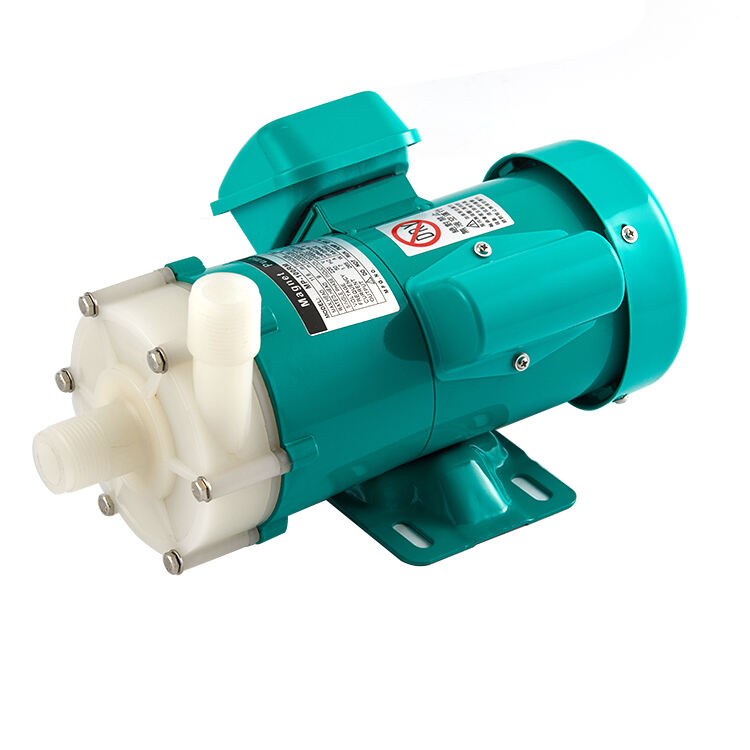
Understanding Magnetic Drive Technology
Core Principles of Magnetic Coupling
The fundamental principle behind chemical magnetic pumps lies in the innovative use of magnetic coupling to transfer rotational energy from the motor to the impeller without direct mechanical connection. This technology employs two sets of permanent magnets separated by a containment shell, with the inner magnet assembly attached to the impeller and the outer magnet connected to the motor drive. When the outer magnet rotates, it creates a magnetic field that causes the inner magnet to rotate synchronously, effectively driving the pump without any physical shaft penetration through the pump casing. This design eliminates the need for traditional mechanical seals, which are often the primary source of leakage in conventional pumps.
The magnetic coupling system operates on the principle of magnetic attraction and repulsion, where the strength of the magnetic field determines the torque transmission capability. High-grade rare earth magnets, typically neodymium or samarium cobalt, provide the necessary magnetic strength to handle demanding applications. The containment shell, usually made from non-magnetic materials like stainless steel or specialized alloys, maintains complete isolation between the process fluid and the atmosphere while allowing magnetic forces to pass through unimpeded.
Advantages of Sealless Design
The sealless architecture of chemical magnetic pumps offers numerous operational benefits that make them superior to traditional sealed pumps in chemical handling applications. The absence of dynamic seals eliminates the most common failure point in conventional pumps, significantly reducing maintenance requirements and extending operational life. This design feature is particularly crucial when handling aggressive chemicals that can rapidly degrade elastomeric seals and cause catastrophic failures.
Zero emission operation is another critical advantage, as the hermetically sealed design prevents any process fluid from escaping to the environment. This characteristic is essential for meeting stringent environmental regulations and maintaining workplace safety standards when dealing with toxic or hazardous chemicals. The elimination of seal flush systems also reduces operational complexity and eliminates the need for compatible flush fluids, which can be expensive and difficult to source for exotic chemical applications.
Material Selection and Corrosion Resistance
PVDF Construction Benefits
Polyvinylidene fluoride (PVDF) has emerged as the material of choice for chemical magnetic pumps due to its exceptional chemical resistance and mechanical properties. This fluoropolymer exhibits outstanding resistance to acids, bases, organic solvents, and oxidizing agents, making it ideal for handling a wide range of aggressive chemicals. PVDF maintains its structural integrity across a broad temperature range and offers excellent fatigue resistance, ensuring long-term reliability in demanding applications.
The non-stick properties of PVDF prevent chemical buildup and scaling, which can impair pump performance over time. This characteristic is particularly valuable when handling chemicals that tend to crystallize or deposit solids during processing. Additionally, PVDF's excellent electrical insulation properties make it suitable for applications where static electricity generation could pose safety risks, such as when pumping flammable solvents or chemicals.
Alternative Material Options
While PVDF is highly versatile, certain applications may require alternative materials to achieve optimal performance and longevity. Stainless steel variants, particularly 316L and duplex grades, offer superior mechanical strength and thermal conductivity for high-temperature applications or when handling abrasive chemicals. These metallic options provide enhanced durability in applications where physical impact or extreme pressure conditions are encountered.
For ultra-pure applications or when handling highly aggressive chemicals like hydrofluoric acid, specialized materials such as Hastelloy C-276 or PFA-lined components may be necessary. The selection of appropriate materials requires careful consideration of the specific chemical being handled, operating conditions, and compatibility requirements to ensure optimal performance and safety.
Application Areas and Industry Uses
Chemical Processing Applications
The chemical processing industry represents the largest market for chemical magnetic pumps, where they serve critical roles in reactor circulation, chemical transfer, and process fluid handling. These pumps excel in applications involving concentrated acids, caustic solutions, and organic solvents that would quickly destroy conventional sealed pumps. The ability to maintain zero emissions while handling these dangerous chemicals makes magnetic pumps essential for meeting environmental and safety regulations.
Reactor circulation systems particularly benefit from the reliability and safety of magnetic drive technology, as pump failures in these applications can result in costly production shutdowns and potential safety hazards. The consistent flow rates and pressure delivery of magnetic pumps ensure optimal reaction conditions and product quality, while their low maintenance requirements minimize operational disruptions.
Semiconductor and Electronics Manufacturing
The semiconductor industry relies heavily on chemical magnetic pumps for handling ultra-pure chemicals used in wafer processing and cleaning operations. These applications demand exceptional purity levels, as even trace contamination can result in defective products and significant financial losses. The sealless design of magnetic pumps eliminates potential contamination sources associated with traditional seals and lubricants.
Etching processes, photoresist application, and chemical mechanical planarization (CMP) all utilize chemical magnetic pumps to ensure precise chemical delivery and contamination-free operation. The ability to maintain consistent flow rates and pressures is critical for achieving uniform processing results across large wafer surfaces, making these pumps indispensable in modern semiconductor fabrication facilities.
Performance Characteristics and Specifications
Flow Rate and Pressure Capabilities
Modern chemical magnetic pumps offer impressive performance characteristics that rival or exceed conventional sealed pumps in many applications. Flow rates typically range from a few liters per minute for precision dosing applications to several hundred liters per minute for high-volume transfer operations. The magnetic coupling efficiency ensures that these flow rates can be maintained consistently throughout the pump's operational life without degradation due to seal wear or adjustment.
Pressure capabilities vary depending on pump design and size, with many models capable of generating heads up to 80 meters or more. The relationship between flow and pressure follows typical centrifugal pump curves, allowing engineers to select appropriate models based on specific system requirements. Advanced hydraulic designs optimize efficiency across the operating range, reducing energy consumption and operational costs.
Temperature and Viscosity Handling
Chemical magnetic pumps demonstrate excellent performance across a wide range of operating temperatures, typically from -20°C to 120°C for standard PVDF models. This temperature range covers most chemical processing applications, while specialized designs can extend these limits for extreme conditions. The magnetic coupling remains effective across these temperature ranges, ensuring reliable operation regardless of process conditions.
Viscosity handling capabilities allow these pumps to process everything from water-thin solvents to moderately viscous chemicals up to several hundred centipoise. The hydraulic design optimizations ensure efficient operation even with viscous fluids, though flow rates may be reduced compared to low-viscosity applications. This versatility makes chemical magnetic pumps suitable for a broad range of fluid handling requirements within a single facility.
Installation and Maintenance Considerations
Proper Installation Practices
Successful installation of chemical magnetic pumps requires attention to several critical factors that ensure optimal performance and longevity. Proper alignment between the pump and motor is essential to prevent magnetic coupling issues and premature wear of components. The pump should be installed on a rigid foundation that minimizes vibration and maintains dimensional stability over time.
Suction line design is particularly critical for chemical magnetic pumps, as cavitation can cause rapid degradation of the magnetic coupling and internal components. Adequate net positive suction head (NPSH) must be maintained, and suction lines should be designed to minimize friction losses and air entrainment. Proper venting of the pump casing is essential to remove trapped air that could impair performance or cause cavitation damage.
Maintenance and Troubleshooting
The maintenance requirements for chemical magnetic pumps are significantly reduced compared to conventional sealed pumps, primarily due to the absence of mechanical seals and associated wear components. Regular inspection focuses on magnetic coupling integrity, bearing condition, and impeller wear. Visual inspection of the containment shell for cracks or corrosion should be performed regularly, as damage to this component can compromise the sealless operation.
Troubleshooting procedures for magnetic pumps involve checking for signs of magnetic decoupling, which can occur due to overload conditions or partial blockages. Monitoring systems can be implemented to detect decoupling events and shut down the pump before damage occurs. Regular performance monitoring, including flow rate and pressure measurements, helps identify developing issues before they result in pump failure.
Safety Features and Environmental Benefits
Leak Prevention and Containment
The primary safety advantage of chemical magnetic pumps lies in their ability to provide absolute containment of hazardous chemicals through their sealless design. This feature eliminates the risk of fugitive emissions that can occur with traditional sealed pumps, protecting both personnel and the environment from exposure to toxic or corrosive substances. The hermetic sealing provided by the magnetic coupling system ensures that even in the event of component failure, the process fluid remains contained within the pump casing.
Secondary containment features can be integrated into pump designs to provide additional protection in critical applications. Double-walled construction with leak detection systems can alert operators to any breach of the primary containment boundary, allowing for immediate corrective action. These safety features are particularly important in applications involving highly toxic or environmentally sensitive chemicals.
Regulatory Compliance and Standards
Chemical magnetic pumps help facilities achieve compliance with increasingly stringent environmental regulations governing fugitive emissions and workplace safety. The zero-emission operation of these pumps supports LDAR (Leak Detection and Repair) programs and helps facilities meet air quality standards. Many regulatory agencies recognize the superior environmental performance of magnetic drive pumps and may provide compliance credits for their use.
International standards such as API 685 provide specifications for sealless magnetic drive pumps used in petroleum and chemical applications. Compliance with these standards ensures that pumps meet rigorous safety and performance requirements, providing assurance to both operators and regulatory authorities. Third-party certifications and testing validate pump performance claims and support regulatory compliance efforts.
FAQ
What are the main advantages of chemical magnetic pumps over conventional pumps
Chemical magnetic pumps offer several key advantages including zero emission operation through their sealless design, elimination of mechanical seal maintenance, superior chemical compatibility, and enhanced safety when handling hazardous substances. The magnetic coupling technology prevents leakage while maintaining reliable performance, making these pumps ideal for critical chemical handling applications where safety and environmental protection are paramount.
How do I select the right chemical magnetic pump for my application
Selection requires careful consideration of the chemical being pumped, required flow rate and pressure, operating temperature, and material compatibility. Key factors include chemical concentration, pH levels, temperature range, and any special purity requirements. Consulting with pump manufacturers and providing detailed application information ensures proper sizing and material selection for optimal performance and longevity.
What maintenance is required for chemical magnetic pumps
Maintenance requirements are minimal compared to sealed pumps, primarily involving periodic inspection of the magnetic coupling, bearings, and impeller condition. Regular monitoring of performance parameters helps identify potential issues early. The absence of mechanical seals eliminates the most common maintenance task in conventional pumps, significantly reducing operational costs and downtime.
Can chemical magnetic pumps handle high-temperature applications
Standard PVDF chemical magnetic pumps typically operate effectively up to 120°C, while specialized high-temperature designs can handle even higher temperatures. The magnetic coupling system maintains effectiveness across these temperature ranges, though specific temperature limits depend on material selection and pump design. For extreme temperature applications, consultation with manufacturers is recommended to ensure proper specification.