
 EN
EN
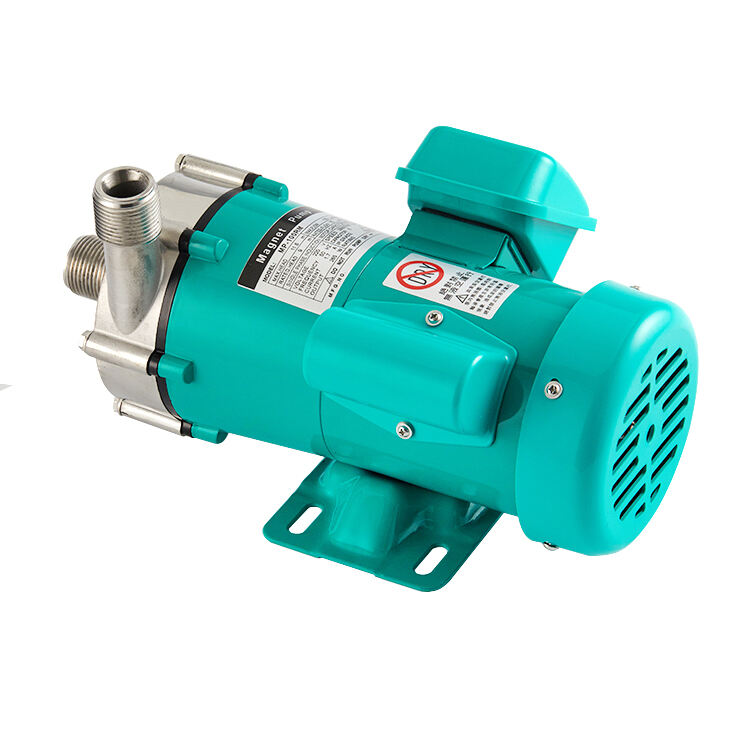
In food processing and beverage production industries, maintaining strict hygiene standards while ensuring efficient fluid transfer is paramount to product quality and safety. Food-grade stainless steel magnetic pumps have emerged as the gold standard for applications requiring contamination-free handling of liquids in brewing, dairy processing, pharmaceutical manufacturing, and other sensitive industries. These specialized pumps eliminate the risk of seal failure and contamination while providing reliable, long-term operation in demanding food production environments.
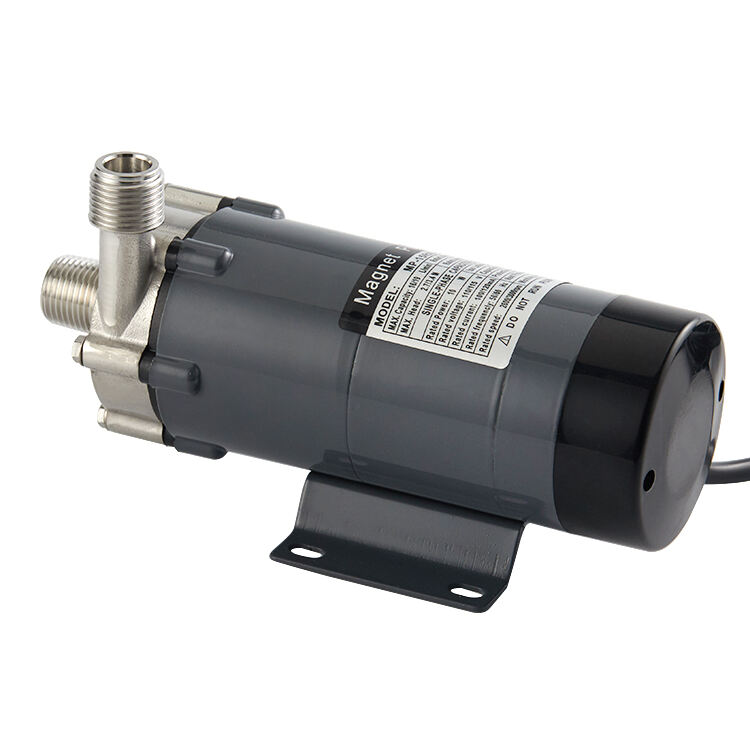
The design philosophy behind magnetic drive pumps centers on eliminating mechanical seals that can harbor bacteria, wear out over time, and create potential contamination points. Instead of traditional shaft seals, these pumps use magnetic coupling to transfer power from the motor to the impeller, creating a completely sealed system that prevents any external contamination from entering the fluid path. This innovative approach has revolutionized how food processors handle sensitive liquids, from fruit juices and dairy products to pharmaceutical solutions and brewing ingredients.
Understanding the critical role these pumps play in modern food processing requires examining their construction materials, operational principles, and specific applications across various industries. The stainless steel construction ensures compatibility with food products while providing the durability and corrosion resistance necessary for frequent cleaning and sanitization procedures. These pumps must withstand aggressive cleaning agents, high-temperature sanitization cycles, and the corrosive nature of certain food products without compromising performance or introducing contaminants.
Essential Design Features of Magnetic Drive Pumps
Magnetic Coupling Technology
The heart of any magnetic drive pump lies in its innovative coupling system that eliminates the need for mechanical seals. This technology employs powerful rare earth magnets arranged in both the drive assembly and the impeller assembly, creating a magnetic field that transfers rotational force through a non-magnetic containment shell. The drive magnets, typically mounted on the motor shaft, rotate outside the pump casing while the driven magnets, integrated into the impeller assembly, follow this rotation inside the sealed pump chamber.
This magnetic coupling provides several critical advantages in food processing applications. The complete elimination of shaft seals removes potential leak points that could allow contamination or create breeding grounds for bacteria. The sealed design also prevents product loss, which is particularly important when handling expensive ingredients or formulated products. Additionally, the magnetic coupling operates smoothly and quietly, reducing vibration and mechanical stress that could lead to premature component failure.
The strength and arrangement of the magnets directly impact pump performance, with stronger magnetic fields enabling higher torque transmission and improved efficiency. Modern food-grade stainless steel magnetic pumps utilize advanced magnetic materials and optimized coupling designs to maximize power transmission while maintaining the integrity of the containment barrier. This ensures reliable operation across a wide range of flow rates and pressure conditions typical in food processing applications.
Stainless Steel Construction Standards
The selection and treatment of stainless steel components in food-grade magnetic pumps follows stringent industry standards designed to ensure compatibility with food products and cleaning procedures. Most food-grade applications require 316L stainless steel for wetted parts, which provides superior corrosion resistance compared to standard 304 stainless steel. The 316L designation indicates low carbon content and the addition of molybdenum, which enhances resistance to chloride corrosion and pitting that can occur when exposed to cleaning chemicals and certain food products.
Surface finish quality plays a crucial role in preventing bacterial adhesion and facilitating thorough cleaning. Food-grade stainless steel magnetic pumps typically feature electropolished surfaces with roughness values below 32 microinches Ra, creating a smooth, non-porous finish that resists bacterial colonization. This mirror-like finish also reduces the tendency for product residues to adhere to pump surfaces, making cleaning and sanitization more effective and reducing the time required for changeover between different products.
Beyond material selection, the welding and assembly processes must meet food industry standards to ensure no crevices or dead spaces where bacteria could accumulate. All welds should be smooth and properly passivated, while threaded connections are typically avoided in favor of sanitary tri-clamp fittings that provide reliable sealing without creating areas where contaminants might collect. These construction standards ensure that the pumps can withstand repeated exposure to high-temperature sanitization, aggressive cleaning chemicals, and the thermal cycling common in food processing operations.
Applications Across Food Processing Industries
Brewing and Beverage Production
In brewing operations, magnetic drive pumps serve multiple critical functions throughout the production process, from ingredient handling to final product transfer. During the brewing process, these pumps handle everything from malt extracts and hop solutions to finished beer, maintaining product integrity while preventing contamination that could affect flavor, clarity, or shelf life. The ability to operate without mechanical seals is particularly valuable when handling carbonated beverages, as traditional seal-based pumps can experience problems with gas liberation and cavitation.
Temperature control capabilities make these pumps ideal for brewery applications where precise thermal management is essential. Many brewing processes require maintaining specific temperatures during transfer operations, and the sealed design of magnetic pumps eliminates heat transfer through mechanical seals that might affect product temperature. Whether transferring hot wort from the brew kettle or moving cold-conditioned beer from fermentation tanks, these pumps maintain product quality while providing reliable flow control.
The cleaning and sanitization requirements in brewing operations align perfectly with the capabilities of food-grade stainless steel magnetic pumps. These facilities typically employ clean-in-place systems that circulate cleaning solutions and sanitizers through all product contact surfaces. The smooth, crevice-free construction of magnetic pumps ensures thorough cleaning while the robust stainless steel construction withstands repeated exposure to caustic cleaners, acid sanitizers, and high-temperature rinses without degradation.
Dairy Processing Operations
Dairy processing presents unique challenges that make magnetic drive pumps particularly valuable, including the need to handle products with varying viscosities, temperatures, and fat contents without introducing contamination or causing product damage. From raw milk reception to final packaging, these pumps maintain the sterile conditions essential for dairy product safety while providing the gentle handling necessary to preserve product quality and nutritional content.
The temperature sensitivity of dairy products requires pumps that can operate efficiently across a wide temperature range without compromising product integrity. Magnetic drive pumps excel in this environment because they generate minimal heat during operation and maintain consistent performance whether handling cold raw milk or warm pasteurized products. The absence of mechanical seals eliminates heat generation points that might cause localized temperature increases and potential product spoilage.
Dairy operations also demand frequent and thorough cleaning cycles to prevent bacterial growth and maintain product quality. The smooth internal surfaces and sanitary design of magnetic pumps facilitate complete cleaning and sanitization, while the robust construction withstands the thermal shock associated with rapid temperature changes during cleaning cycles. This durability is essential in dairy plants where cleaning procedures might involve alternating between hot cleaning solutions and cold rinses multiple times per day.
Performance Optimization and Maintenance
Flow Rate and Pressure Considerations
Optimizing the performance of food-grade stainless steel magnetic pumps requires careful consideration of system requirements, including flow rates, discharge pressures, and fluid characteristics. Unlike centrifugal pumps with mechanical seals, magnetic drive pumps have specific operating limitations related to magnetic coupling strength and heat dissipation. Understanding these limitations is crucial for selecting the appropriate pump size and ensuring reliable long-term operation in food processing applications.
The magnetic coupling strength determines the maximum torque that can be transmitted from the motor to the impeller, which directly affects the pump's ability to generate pressure and maintain flow under varying system conditions. Operating beyond the magnetic coupling capacity can result in decoupling, where the driven magnets can no longer follow the drive magnets, leading to complete loss of pumping action. This makes proper sizing particularly important in applications with variable system pressures or when handling fluids with changing viscosities.
Heat generation within the magnetic coupling assembly requires attention to cooling and circulation to prevent temperature buildup that could damage the magnets or affect pump performance. Most food-grade magnetic pumps incorporate internal circulation systems that use the pumped fluid to cool the magnetic coupling area. This design requires maintaining minimum flow rates to ensure adequate cooling, making these pumps less suitable for applications requiring frequent dead-head operation or extended periods of low-flow conditions.
Cleaning and Sanitization Protocols
Effective cleaning and sanitization protocols are essential for maintaining the hygienic integrity of magnetic drive pumps in food processing applications. These procedures must address all product contact surfaces while considering the unique design characteristics of magnetic pumps, including internal circulation paths and the containment shell that separates the magnetic coupling from the pumped fluid. Developing appropriate cleaning protocols requires understanding both the pump design and the specific contamination risks associated with the products being processed.
Clean-in-place procedures for magnetic pumps typically begin with a thorough rinse to remove gross product residues, followed by circulation of alkaline cleaning solutions to remove protein deposits and organic soils. The smooth internal surfaces and absence of mechanical seals facilitate this cleaning process, but attention must be paid to ensuring adequate circulation through all internal passages. The magnetic coupling chamber, while isolated from the product flow, may require periodic inspection and cleaning if the containment shell develops any damage.
Sanitization procedures must consider the temperature limitations of the magnetic coupling while ensuring effective microbial kill throughout the system. Hot water sanitization is typically preferred over chemical sanitizers due to the temperature stability of stainless steel construction and the absence of elastomeric seals that might be damaged by high temperatures. However, maximum operating temperatures must be observed to prevent damage to the magnetic coupling assembly, typically limiting sanitization temperatures to below 200°F for extended periods.
Selection Criteria and Specifications
Material Compatibility Assessment
Selecting the appropriate magnetic drive pump for food processing applications requires thorough evaluation of material compatibility with both the process fluids and cleaning chemicals used in the facility. While 316L stainless steel provides excellent compatibility with most food products, certain applications may require special consideration for unusual pH levels, chloride content, or specific chemical interactions that could affect pump longevity or product quality.
The evaluation process should include analysis of all chemicals that will contact the pump during normal operation and cleaning cycles. Some food processing operations use specialized cleaning agents or sanitizers that may be more aggressive than standard caustic and acid cleaners. Additionally, certain food products contain natural acids, salts, or other compounds that could potentially cause corrosion or contamination issues if the pump materials are not properly selected.
Temperature cycling effects on material integrity represent another critical consideration in material selection. Food processing operations often involve significant temperature variations between production, cleaning, and sanitization cycles. The thermal expansion and contraction associated with these temperature changes can create stress on pump components, particularly at joints and connection points. Understanding these thermal effects is essential for ensuring long-term reliability and preventing premature failure of critical components.
Power and Control Requirements
The electrical requirements for food-grade stainless steel magnetic pumps must align with facility power systems while providing the control capabilities necessary for integration into automated processing systems. Most industrial food processing facilities operate on three-phase power systems, but smaller operations or specific applications may require single-phase capabilities. Motor sizing must account for the efficiency characteristics of magnetic drive systems, which typically operate at slightly lower efficiencies than comparable direct-drive pumps due to magnetic coupling losses.
Variable speed control capabilities are increasingly important in modern food processing operations where flow rates must be adjusted to match production requirements or maintain optimal processing conditions. Magnetic drive pumps can be equipped with variable frequency drives to provide precise flow control, but the control system must account for the minimum flow requirements necessary to maintain adequate cooling of the magnetic coupling assembly.
Integration with plant control systems requires consideration of feedback systems, alarm capabilities, and safety interlocks that protect both the pump and the process. Many food processing applications benefit from flow monitoring, temperature sensing, and coupling status indication to ensure optimal operation and early detection of potential problems. These monitoring capabilities are particularly important in critical applications where pump failure could result in product loss or contamination.
FAQ
What makes magnetic drive pumps more hygienic than traditional centrifugal pumps
Magnetic drive pumps eliminate mechanical seals that can harbor bacteria and create contamination points in traditional pumps. The completely sealed design prevents external contaminants from entering the fluid path while the smooth, crevice-free construction facilitates thorough cleaning and sanitization. The absence of wear-prone seals also eliminates the risk of seal degradation that could introduce foreign particles into the product stream.
How do I determine the correct size magnetic pump for my food processing application
Proper sizing requires evaluation of required flow rate, discharge pressure, fluid characteristics, and system conditions including temperature ranges and cleaning requirements. The magnetic coupling strength must be sufficient to handle the maximum system pressure while maintaining adequate internal circulation for cooling. Consulting with pump manufacturers and providing detailed application information ensures optimal selection for specific processing requirements.
What maintenance is required for food-grade magnetic drive pumps
Routine maintenance primarily involves inspection of the containment shell for damage, monitoring of operating temperatures and pressures, and verification of proper cleaning effectiveness. The magnetic coupling should be inspected periodically for signs of wear or damage, though these components typically provide long service life when operated within design parameters. Unlike traditional pumps, there are no mechanical seals to replace, significantly reducing maintenance requirements.
Can magnetic drive pumps handle viscous food products effectively
Magnetic drive pumps can handle moderately viscous products, though performance may be reduced compared to thin liquids due to increased power requirements and potential heating effects. The magnetic coupling strength limits the maximum viscosity that can be effectively pumped, and higher viscosity fluids may require larger coupling assemblies or reduced operating speeds. Applications involving highly viscous products should be carefully evaluated with pump manufacturers to ensure appropriate selection.