
 EN
EN
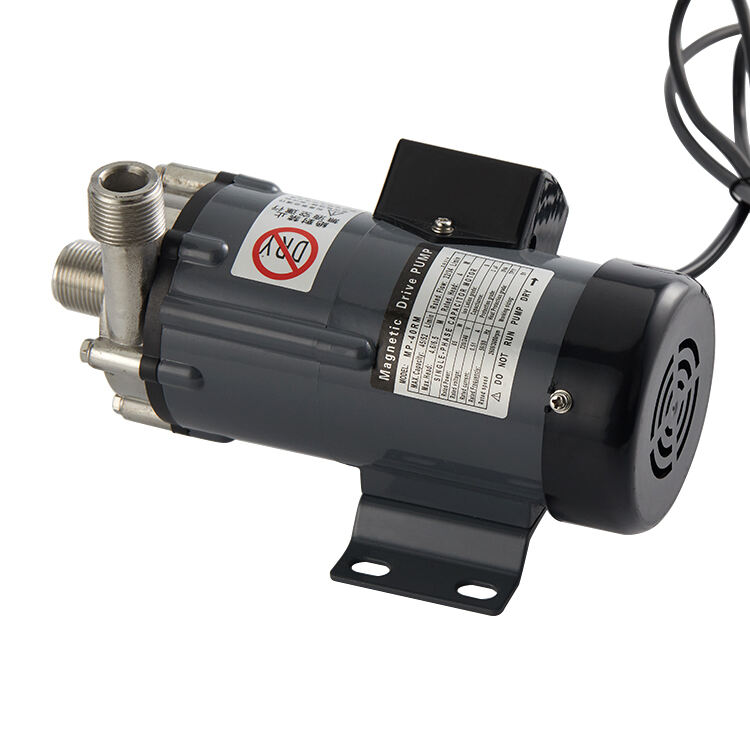
When it comes to reliable water pumping solutions for recreational vehicles, campers, and marine applications, selecting the right diaphragm pump is crucial for ensuring consistent water flow and long-term performance. These versatile pumps have become the go-to choice for mobile water systems due to their ability to handle varying pressure demands while maintaining steady operation across different environments. Understanding the key factors that influence diaphragm pump selection will help you make an informed decision that meets your specific water delivery needs.
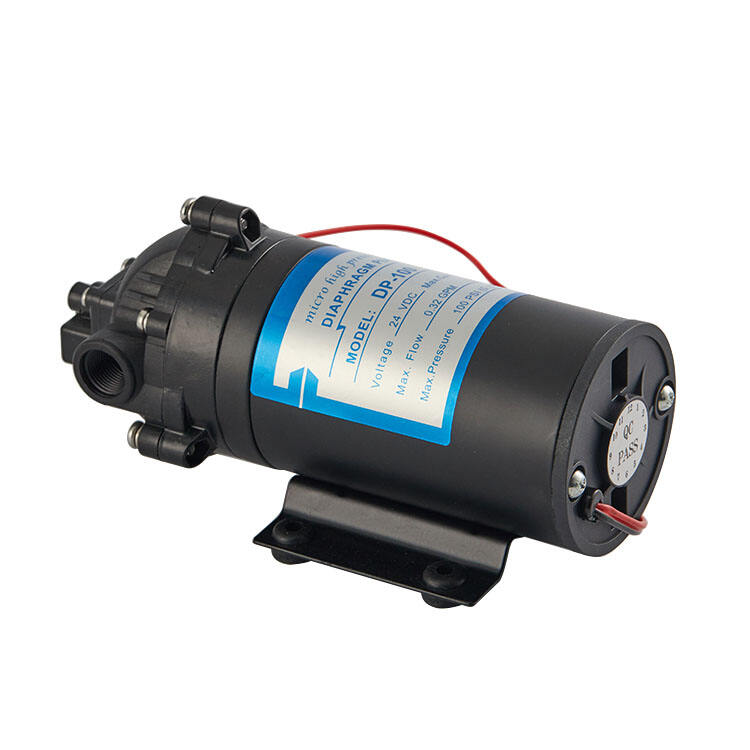
The popularity of diaphragm pumps in mobile applications stems from their unique design advantages and operational characteristics. These pumps utilize a flexible membrane that creates suction and pressure cycles, enabling them to handle both continuous and intermittent water demands effectively. For RV enthusiasts, boat owners, and camping professionals, choosing the appropriate diaphragm pump involves evaluating multiple technical specifications alongside practical considerations such as installation requirements and maintenance accessibility.
Understanding Diaphragm Pump Technology
Basic Operating Principles
A diaphragm pump operates through the rhythmic movement of a flexible membrane that alternately creates vacuum and pressure within the pump chamber. This action draws water through the inlet valve during the suction stroke and expels it through the outlet valve during the pressure stroke. The diaphragm itself acts as a barrier between the pumping mechanism and the water, preventing contamination while ensuring consistent flow rates across various operating conditions.
The self-priming capability of diaphragm pumps makes them particularly suitable for mobile applications where the water source may be located below the pump level. This characteristic eliminates the need for manual priming procedures that are often required with centrifugal pumps, providing immediate water availability when the system is activated. Additionally, the positive displacement design ensures consistent output regardless of back pressure variations commonly encountered in RV and marine plumbing systems.
Key Components and Design Features
Modern diaphragm pumps incorporate several critical components that contribute to their reliability and performance in mobile environments. The motor housing typically features corrosion-resistant materials suitable for marine conditions, while the pump head includes check valves that prevent backflow and maintain system pressure when the pump cycles off. These valves are designed to handle the mineral content and temperature variations commonly found in different water sources.
The diaphragm material itself plays a crucial role in pump longevity and chemical compatibility. High-quality pumps utilize food-grade materials that resist degradation from water treatment chemicals while maintaining flexibility across temperature ranges encountered in mobile applications. The motor design typically incorporates thermal protection and variable speed control to optimize energy consumption while providing adequate flow rates for different usage scenarios.
Critical Selection Criteria
Flow Rate Requirements
Determining the appropriate flow rate for your diaphragm pump requires careful analysis of your water usage patterns and system demands. For typical RV applications, flow rates between 8 to 15 liters per minute provide adequate performance for standard fixtures including faucets, showers, and toilet systems. Marine applications may require higher flow rates to accommodate deck washing and emergency bilge pumping functions, while smaller camper installations might operate effectively with lower capacity units.
Consider peak demand scenarios when multiple fixtures operate simultaneously, as undersized pumps will struggle to maintain adequate pressure throughout the system. The pump's ability to maintain consistent flow rates under varying pressure conditions directly impacts user satisfaction and system reliability. Modern diaphragm pumps often include pressure switching capabilities that automatically adjust output based on system demand, optimizing both performance and energy consumption.
Pressure Specifications
Pressure requirements for mobile water systems depend on the vertical height between the pump and the highest fixture, system length, and desired outlet pressure at fixtures. Most RV and marine applications require operating pressures between 40 to 100 PSI to ensure adequate performance across all fixtures while preventing excessive stress on plumbing connections. The diaphragm pump pressure rating should exceed maximum system requirements with sufficient margin to account for pressure losses through fittings and hose runs.
Adjustable pressure switches allow fine-tuning of cut-in and cut-out pressures to match specific system requirements while minimizing pump cycling frequency. This feature proves particularly valuable in applications where water usage patterns vary significantly or where system pressure must be maintained within narrow tolerances. High-pressure capability also enables pumps to overcome elevation changes commonly encountered when filling overhead tanks or supplying upper-level fixtures in multi-story RV configurations.
Power and Electrical Considerations
Voltage and Power Consumption
The electrical specifications of your diaphragm pump must align with your vehicle's power system capabilities and energy management strategy. Most RV and marine applications utilize 12V DC systems that interface directly with house batteries, while some larger installations may benefit from 24V configurations that provide improved efficiency and reduced current draw. Understanding your system's voltage requirements ensures compatibility while optimizing energy consumption during extended off-grid operations.
Power consumption directly impacts battery life and charging system requirements, making efficiency a critical selection factor for boondocking and extended cruising applications. Modern diaphragm pumps typically consume between 3 to 8 amps depending on flow rate and pressure requirements, with variable speed models offering additional energy savings through demand-responsive operation. Calculate total daily water usage and pump runtime to determine the impact on your electrical system capacity and charging requirements.
Installation and Wiring Requirements
Proper electrical installation ensures reliable pump operation while protecting both the pump and your vehicle's electrical system from damage. Most diaphragm pumps require dedicated circuit protection through appropriately sized fuses or circuit breakers, with wire gauge selection based on pump current draw and cable run length. Marine installations must utilize tinned copper wiring and corrosion-resistant connections to prevent electrical failures in saltwater environments.
Consider the pump's control requirements when planning electrical connections, as some models include built-in pressure switches while others require external controllers or manual activation switches. Advanced pumps may offer variable speed control or remote monitoring capabilities that require additional wiring considerations. Ensure adequate ventilation around electrical connections and provide strain relief for power cables to prevent damage from vibration and movement during travel.
Installation and Mounting Options
Mounting Location Selection
The mounting location for your diaphragm pump significantly impacts both performance and maintenance accessibility. Ideal locations provide protection from weather exposure while maintaining proximity to water sources and electrical connections. For RV applications, utility compartments or interior storage areas offer protection while allowing access for routine maintenance and troubleshooting. Marine installations often require waterproof enclosures or locations protected from spray and flooding.
Consider vibration isolation when selecting mounting locations, as diaphragm pumps generate operational vibrations that can transmit through rigid mounting surfaces. Rubber isolation mounts or flexible mounting systems reduce noise transmission while protecting the pump from excessive vibration damage. Ensure adequate clearance around the pump for air circulation and maintenance access, particularly for models requiring periodic diaphragm replacement or valve servicing.
Plumbing Integration
Integrating a diaphragm pump into existing plumbing systems requires careful consideration of pipe sizing, fitting compatibility, and flow dynamics. Inlet connections should utilize appropriately sized hoses or pipes that minimize restriction while providing adequate support for suction lines. The pump's self-priming capability allows flexible inlet routing, but excessive lift heights or horizontal runs can impact performance and increase priming time.
Outlet plumbing must accommodate the pump's pressure and flow characteristics while providing smooth transitions to prevent pressure spikes or flow restrictions. Include pressure relief valves and accumulator tanks where appropriate to smooth system operation and protect against overpressure conditions. Consider installing bypass valves for winterization procedures and maintenance access, particularly in systems where the pump location makes direct access challenging.
Maintenance and Longevity Factors
Routine Maintenance Requirements
Regular maintenance ensures optimal diaphragm pump performance while extending service life in demanding mobile environments. Basic maintenance tasks include periodic inspection of electrical connections, verification of mounting security, and monitoring of pump performance indicators such as flow rate and pressure output. Most diaphragm pumps require annual or bi-annual inspection of internal components, including diaphragm condition and valve operation.
Water quality significantly impacts maintenance requirements, with high mineral content or contaminated water sources accelerating wear on internal components. Installing inline filtration systems protects the diaphragm pump while improving overall water quality throughout the system. Monitor pump cycling frequency and duration as indicators of system health, with excessive cycling potentially indicating pressure switch problems or system leaks that require attention.
Replacement Parts and Service Support
Consider the availability of replacement parts and service support when selecting a diaphragm pump for mobile applications. Pumps from established manufacturers typically offer comprehensive parts availability and technical support resources that prove valuable during extended travels or remote operations. Common wear items include diaphragms, check valves, and pressure switches, with quality manufacturers providing detailed service manuals and parts diagrams for user maintenance.
Evaluate the pump's serviceability design, as some models allow field replacement of key components while others require complete unit replacement. Carrying essential spare parts such as diaphragm assemblies and fuses enables quick repairs during travel, minimizing downtime and inconvenience. Establish relationships with service centers in frequently visited areas or research mobile repair services that specialize in RV and marine pump systems.
FAQ
What is the typical lifespan of a diaphragm pump in RV applications
The lifespan of a diaphragm pump in RV applications typically ranges from 5 to 10 years depending on usage patterns, water quality, and maintenance practices. Pumps operating in high-demand situations or with poor water quality may require more frequent service, while well-maintained units in moderate-use applications can exceed 10 years of reliable operation. Regular maintenance and proper installation significantly extend pump life.
Can diaphragm pumps handle hot water applications
Most diaphragm pumps are designed for cold water applications and should not be used with hot water exceeding 100°F without specific manufacturer approval. The diaphragm material and internal seals may degrade rapidly when exposed to elevated temperatures, leading to premature failure. For hot water circulation, consider pumps specifically rated for high-temperature operation or install the pump on the cold water supply side of the system.
How do I troubleshoot a diaphragm pump that won't maintain pressure
A diaphragm pump that won't maintain pressure typically indicates either internal component wear or system leaks. Start by checking all plumbing connections for leaks, then verify the pressure switch operation and settings. If external leaks are not found, the pump may require diaphragm replacement or check valve servicing. Excessive cycling without water flow often indicates diaphragm failure or valve problems requiring internal inspection.
What size accumulator tank should I use with my diaphragm pump
Accumulator tank sizing depends on your pump's flow rate and desired cycle reduction goals. A general guideline suggests using an accumulator tank with capacity equal to approximately one gallon per GPM of pump flow rate. For example, a 3 GPM pump would benefit from a 3-gallon accumulator tank. Larger tanks provide smoother operation and reduce pump cycling but require more installation space and system complexity.