
 EN
EN
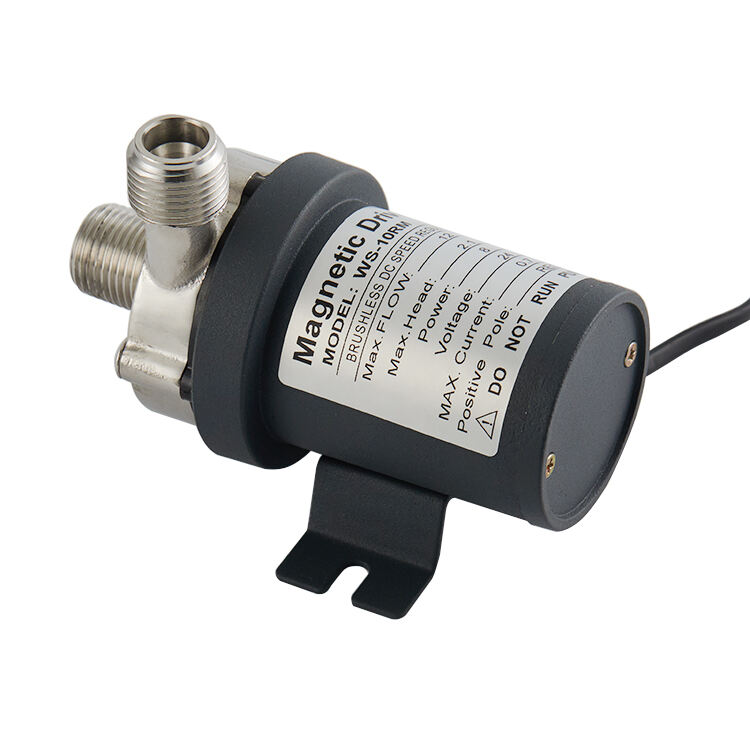
Food and beverage processing facilities demand the highest standards of hygiene and safety when transferring liquids throughout their operations. The integrity of consumable products depends heavily on contamination-free fluid handling systems that maintain sterile conditions while delivering reliable performance. Modern industrial facilities increasingly rely on advanced pumping technologies that eliminate potential contamination sources while providing efficient liquid transfer capabilities for various applications including brewing, dairy processing, pharmaceutical manufacturing, and beverage production.
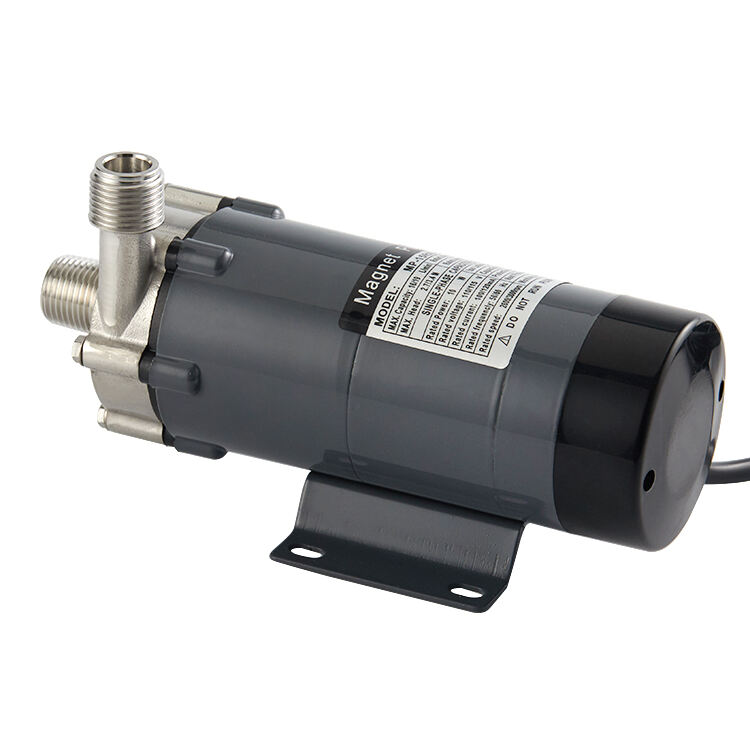
Understanding Magnetic Drive Technology in Food Processing
Sealless Design Advantages
Magnetic drive pumps eliminate traditional mechanical seals through innovative magnetic coupling technology that transfers power from motor to impeller without direct mechanical contact. This revolutionary design prevents potential leak points that could compromise product purity or create maintenance challenges in food processing environments. The absence of dynamic seals means zero risk of lubricant contamination, making these systems ideal for applications where product integrity cannot be compromised. Manufacturing facilities benefit from reduced maintenance requirements and enhanced operational reliability compared to conventional sealed pump designs.
The magnetic coupling consists of an outer magnet assembly connected to the motor shaft and an inner magnet assembly attached to the impeller within the pump chamber. These magnetic fields create a powerful coupling that transmits rotational force through the pump housing without requiring physical penetration of the containment barrier. This technology ensures complete isolation between the pumped fluid and external environment while maintaining efficient power transmission for optimal pumping performance.
Contamination Prevention Mechanisms
Food-grade applications require absolute prevention of external contamination sources that could compromise product safety or quality standards. Magnetic drive systems achieve this through hermetically sealed pump chambers that completely isolate process fluids from external components. The elimination of traditional stuffing boxes, mechanical seals, and packing glands removes potential contamination pathways that exist in conventional pumping systems. This design ensures that only food-grade materials contact the process fluid during transfer operations.
Advanced materials engineering ensures that all wetted surfaces meet stringent food safety requirements while providing resistance to cleaning chemicals and sanitizing agents commonly used in food processing facilities. The smooth internal surfaces of properly designed magnetic pumps minimize bacterial growth opportunities and facilitate thorough cleaning between production batches. This capability is essential for facilities processing multiple product types or maintaining strict allergen control protocols.
Stainless Steel Construction Benefits
Corrosion Resistance Properties
Stainless steel construction provides exceptional resistance to corrosion from acidic beverages, alkaline cleaning solutions, and various chemical sanitizers used in food processing operations. The chromium content in stainless steel creates a passive oxide layer that self-repairs when damaged, ensuring long-term protection against rust and degradation. This inherent corrosion resistance translates to extended equipment lifespan and reduced replacement costs for processing facilities operating in demanding environments.
Different grades of stainless steel offer varying levels of chemical resistance and mechanical properties suitable for specific applications. Grade 316 stainless steel provides enhanced corrosion resistance in chloride environments, making it particularly valuable for facilities processing saltwater-based products or using chlorinated cleaning compounds. The superior metallurgical properties of stainless steel ensure dimensional stability and structural integrity under varying temperature and pressure conditions commonly encountered in food processing applications.
Hygienic Design Standards
Modern food processing regulations require equipment designs that facilitate thorough cleaning and sanitization while minimizing contamination risks. Stainless steel surfaces can be polished to extremely smooth finishes that prevent bacterial adhesion and allow complete removal of product residues during cleaning cycles. The non-porous nature of properly finished stainless steel prevents absorption of flavors, odors, or contaminants that could affect subsequent product batches.
Hygienic design principles incorporate smooth transitions, minimal crevices, and accessible surfaces that enable effective cleaning-in-place operations. A stainless steel magnetic pump designed for food applications features sanitary connections, smooth internal pathways, and materials that withstand repeated exposure to hot caustic cleaning solutions and acidic sanitizers. These design elements ensure compliance with food safety regulations while maintaining operational efficiency.
Applications in Food and Beverage Industries
Brewing and Fermentation Processes
Brewing operations require precise control over fluid transfers to maintain product quality and prevent contamination during various stages of production. Magnetic pumps excel in transferring wort, finished beer, and cleaning solutions without introducing oxygen or contaminants that could affect flavor profiles or shelf stability. The gentle pumping action preserves delicate hop aromatics and prevents excessive foam generation during transfer operations. Temperature control capabilities allow proper handling of both hot wort and cold finished products throughout the brewing process.
Fermentation facilities benefit from the ability to transfer yeast slurries, sanitizing solutions, and finished beverages using the same pump system after appropriate cleaning procedures. The sealless design eliminates concerns about yeast contamination or cross-contamination between different beer styles. Craft breweries particularly appreciate the versatility and reliability of magnetic drive systems for handling diverse product types while maintaining strict quality standards.
Dairy and Beverage Processing
Dairy processing operations demand equipment capable of handling viscous products, maintaining temperature control, and preventing bacterial contamination throughout the production chain. Magnetic pumps provide gentle handling of milk-based products without mechanical shear that could affect protein structures or create undesirable texture changes. The smooth flow characteristics preserve product quality while ensuring efficient transfer rates for high-volume production requirements.
Beverage manufacturers benefit from the versatility of magnetic drive systems for handling fruit juices, soft drinks, and specialty beverages with varying viscosities and pH levels. The chemical resistance of stainless steel construction accommodates acidic fruit juices and carbonated beverages without degradation or flavor contamination. Temperature handling capabilities support both hot-fill and cold-fill processes while maintaining product integrity throughout the packaging operation.
Technical Specifications and Performance Parameters
Flow Rate and Pressure Capabilities
Modern stainless steel magnetic pumps deliver precise flow control across a wide range of operating conditions suitable for diverse food processing applications. Flow rates typically range from small-scale laboratory operations to high-volume production lines, with some models capable of handling several thousand gallons per hour. Pressure capabilities accommodate both low-pressure transfer applications and higher-pressure processes such as reverse osmosis pre-filtration or tank pressurization operations.
Variable speed control options allow operators to adjust flow rates precisely to match process requirements while optimizing energy consumption. Electronic controls can integrate with automated systems to provide consistent flow rates regardless of system pressure variations or fluid viscosity changes. This capability ensures reproducible results in critical applications such as ingredient dosing or final product packaging where accuracy directly affects quality and regulatory compliance.
Temperature and Viscosity Handling
Food processing applications often involve fluids at elevated temperatures or with varying viscosity characteristics that challenge conventional pumping systems. Magnetic drive technology accommodates temperature ranges from near-freezing to over 200 degrees Fahrenheit, enabling handling of both hot sanitizing solutions and cold storage products. Thermal isolation between the motor and pump chamber prevents heat transfer that could affect temperature-sensitive products or create condensation issues.
Viscosity handling capabilities extend from water-like beverages to moderately viscous sauces and syrups without significant performance degradation. The magnetic coupling maintains consistent torque transmission across varying fluid conditions, ensuring reliable operation regardless of product characteristics. This versatility allows facilities to use standardized pumping equipment for multiple product lines while maintaining optimal performance for each application.
Installation and Maintenance Considerations
System Integration Requirements
Successful installation of stainless steel magnetic pumps requires careful consideration of system design parameters including piping layout, electrical connections, and control integration. Proper support and alignment prevent mechanical stress that could affect magnetic coupling efficiency or create premature wear conditions. Piping design should minimize pressure drops and provide adequate NPSH to ensure optimal pump performance and prevent cavitation damage.
Electrical installation must comply with food processing facility requirements including appropriate motor protection, variable speed drives where applicable, and integration with facility automation systems. Ground fault protection and moisture-resistant enclosures ensure safe operation in wash-down environments typical of food processing facilities. Control system integration allows remote monitoring and automated operation while providing diagnostic capabilities for predictive maintenance programs.
Cleaning and Sanitization Protocols
Effective cleaning procedures are essential for maintaining food safety standards and preventing cross-contamination between product batches. The sealless design of magnetic pumps simplifies cleaning protocols by eliminating potential contamination points associated with mechanical seals or packing materials. Standard cleaning-in-place procedures using approved sanitizers and detergents ensure thorough removal of product residues and biological contaminants.
Maintenance requirements for magnetic drive systems are significantly reduced compared to conventional sealed pumps due to the absence of wear-prone sealing components. Routine inspections focus on motor condition, magnetic coupling alignment, and bearing lubrication where applicable. The elimination of seal replacement reduces maintenance costs and minimizes production downtime for routine service operations. Predictive maintenance programs can monitor vibration levels and electrical parameters to optimize service intervals and prevent unexpected failures.
FAQ
What makes stainless steel magnetic pumps suitable for food-grade applications
Stainless steel magnetic pumps are specifically designed for food-grade applications due to their sealless construction that eliminates contamination pathways, corrosion-resistant materials that meet food safety standards, and smooth internal surfaces that facilitate thorough cleaning and sanitization between product batches.
How do magnetic drive pumps prevent product contamination
Magnetic drive technology eliminates mechanical seals and creates a hermetically sealed pump chamber that completely isolates process fluids from external components. This design prevents lubricant leakage, external contamination, and cross-contamination while maintaining sterile conditions throughout the pumping operation.
What maintenance advantages do magnetic pumps offer over conventional designs
Magnetic pumps require significantly less maintenance due to the absence of mechanical seals, packing materials, and other wear-prone components. This translates to reduced maintenance costs, extended service intervals, and minimized production downtime for routine maintenance operations.
Can magnetic pumps handle different types of food and beverage products
Yes, properly designed stainless steel magnetic pumps can handle a wide variety of food and beverage products including water-like beverages, viscous sauces, acidic fruit juices, dairy products, and hot sanitizing solutions while maintaining product integrity and meeting hygiene standards across all applications.