
 EN
EN
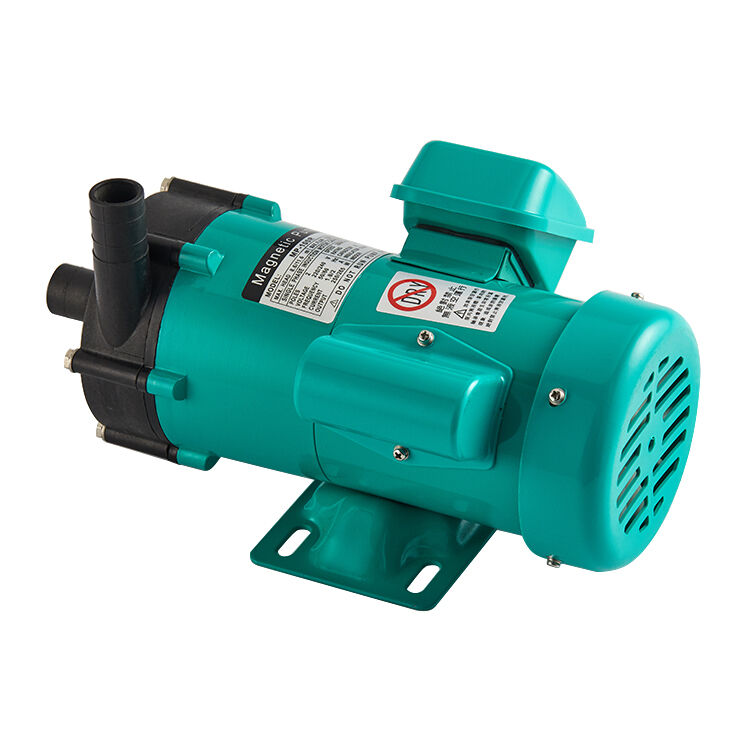
Industrial fluid transfer has undergone a remarkable transformation with the introduction of advanced magnetic pump technology. These innovative systems have eliminated many traditional challenges associated with conventional pumping solutions, offering unprecedented reliability and efficiency. The magnetic pump represents a breakthrough in engineering that addresses critical concerns such as leakage prevention, maintenance reduction, and operational safety across diverse industrial applications.
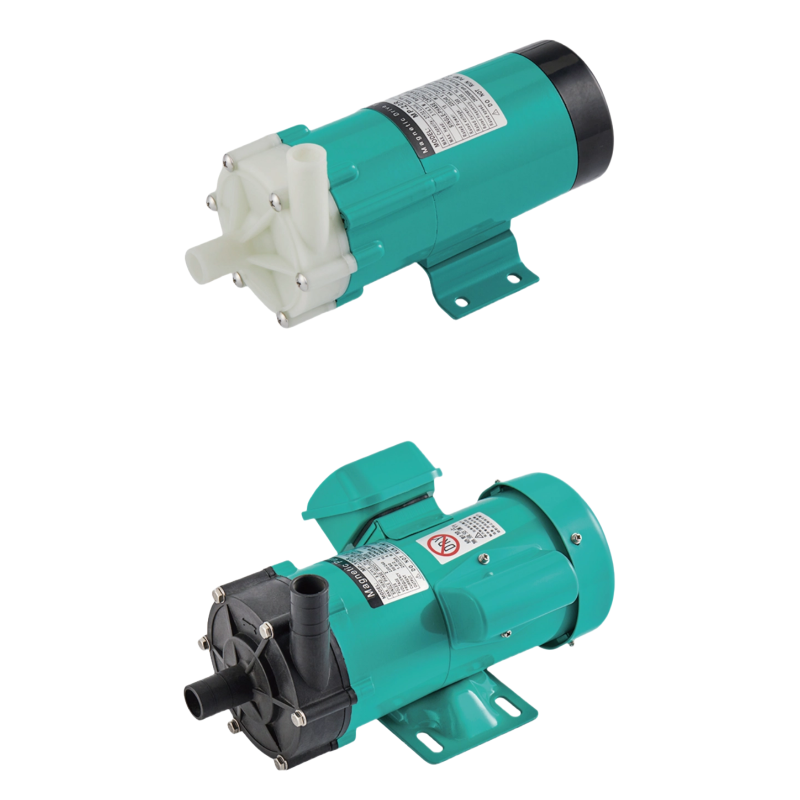
Modern manufacturing facilities demand pumping solutions that deliver consistent performance while minimizing environmental impact and operational costs. The magnetic pump technology has emerged as the preferred choice for handling corrosive chemicals, pharmaceuticals, and other critical fluids where contamination prevention is paramount. This revolutionary approach to fluid transfer has fundamentally changed how industries approach their pumping requirements, establishing new standards for reliability and safety.
Understanding Magnetic Pump Technology
Core Operating Principles
The magnetic pump operates on the principle of magnetic coupling, utilizing powerful permanent magnets to create a non-contact drive mechanism between the motor and impeller. This innovative design eliminates the need for traditional mechanical seals, which are often the primary source of leakage in conventional pumps. The magnetic coupling consists of an outer magnetic rotor connected to the motor shaft and an inner magnetic rotor attached to the impeller shaft, separated by a containment shell.
When the motor drives the outer magnetic rotor, the magnetic field passes through the containment shell and causes the inner rotor to rotate synchronously. This magnetic coupling ensures that no physical connection exists between the motor and the pumped fluid, creating a completely sealed system. The containment shell serves as a barrier that prevents any fluid from escaping while allowing the magnetic field to transmit torque effectively.
The absence of dynamic seals in a magnetic pump design significantly reduces the risk of leakage and eliminates the need for regular seal replacement. This fundamental advantage makes magnetic pumps ideal for handling hazardous, toxic, or environmentally sensitive fluids where even minimal leakage could have serious consequences.
Advanced Magnetic Coupling Systems
Contemporary magnetic pump designs incorporate sophisticated rare-earth magnets that provide exceptional coupling strength and operational efficiency. These high-performance magnets maintain their magnetic properties across wide temperature ranges and resist demagnetization under normal operating conditions. The magnetic coupling strength is carefully calibrated to handle the specific torque requirements while providing adequate safety margins for varying load conditions.
The containment shell material plays a crucial role in magnetic pump performance, with options including stainless steel, Hastelloy, and specialized polymer composites. Material selection depends on the chemical compatibility requirements and operating temperature ranges of specific applications. Advanced manufacturing techniques ensure precise tolerances and optimal magnetic field transmission through the containment shell.
Modern magnetic pump systems feature intelligent monitoring capabilities that detect potential coupling issues before they affect performance. These systems can identify magnetic decoupling events, temperature anomalies, and other operational parameters that indicate maintenance needs or system optimization opportunities.
Industrial Applications and Benefits
Chemical Processing Excellence
Chemical processing facilities have widely adopted magnetic pump technology for handling aggressive chemicals, acids, and solvents that would quickly degrade conventional pump seals. The leak-free design ensures that expensive chemicals remain contained while protecting workers and the environment from exposure to hazardous substances. This capability has made the magnetic pump an essential component in pharmaceutical manufacturing, petrochemical processing, and specialty chemical production.
The corrosion resistance of magnetic pumps stems from their construction materials and seal-less design, allowing them to handle highly corrosive fluids that would destroy traditional pumps within weeks or months. Wetted parts can be manufactured from exotic alloys, ceramics, or specialized plastics to match the most demanding chemical compatibility requirements.
Process reliability in chemical applications benefits significantly from the elimination of seal-related failures, which historically account for the majority of pump downtime. The magnetic pump design provides consistent performance over extended periods, reducing unplanned maintenance and production interruptions.
Pharmaceutical and Food Industries
Pharmaceutical manufacturing requires pumping solutions that maintain product purity while meeting strict regulatory standards for contamination prevention. The magnetic pump design eliminates potential contamination sources associated with seal leakage or lubricant migration, making it ideal for transferring active pharmaceutical ingredients, sterile solutions, and finished products.
Food and beverage processing facilities utilize magnetic pumps for handling various liquids including fruit juices, dairy products, and cleaning solutions. The hygienic design features smooth surfaces, crevice-free construction, and materials approved for food contact applications. Many magnetic pump models meet FDA, 3-A Sanitary Standards, and EHEDG requirements for food processing equipment.
The ability to perform clean-in-place (CIP) and sterilize-in-place (SIP) procedures makes magnetic pumps particularly valuable in pharmaceutical and food applications. These automated cleaning processes can be executed without disassembling the pump, reducing downtime and maintaining sterile conditions throughout the system.
Performance Advantages and Efficiency
Energy Efficiency Optimization
Energy consumption represents a significant operational cost in industrial pumping applications, making efficiency optimization a critical consideration. The magnetic pump design offers several efficiency advantages over conventional pumps, including reduced friction losses from eliminated mechanical seals and optimized hydraulic designs that minimize internal recirculation and turbulence.
Advanced impeller designs in magnetic pumps incorporate computational fluid dynamics (CFD) optimization to maximize hydraulic efficiency across the operating range. These impellers feature precisely contoured vanes and optimized blade angles that reduce energy consumption while maintaining desired flow and pressure characteristics. Variable frequency drives (VFDs) can be integrated with magnetic pumps to further optimize energy usage by matching pump output to actual system demands.
The elimination of mechanical seals also reduces parasitic power losses associated with seal friction and cooling requirements. Traditional pumps often require auxiliary systems for seal cooling and lubrication, which consume additional energy and add complexity to the installation.
Operational Reliability Enhancement
Reliability improvements in magnetic pump systems stem from the reduction of wear components and the elimination of dynamic sealing elements. The magnetic coupling operates without physical contact, eliminating wear between rotating components and extending operational life significantly. This design advantage translates into reduced maintenance requirements and longer mean time between failures (MTBF) compared to conventional pumps.
Bearing systems in magnetic pumps are typically designed for extended life, with options including product-lubricated bearings for clean fluids and isolated bearing systems for abrasive or contaminated applications. Advanced bearing materials and coatings provide excellent wear resistance and chemical compatibility for demanding applications.
Predictive maintenance capabilities in modern magnetic pump systems include vibration monitoring, temperature sensing, and magnetic coupling strength assessment. These monitoring systems provide early warning of potential issues and enable condition-based maintenance strategies that optimize reliability while minimizing maintenance costs.
Installation and Maintenance Considerations
System Integration Requirements
Successful magnetic pump installation requires careful attention to system design parameters including suction conditions, temperature management, and proper pipe sizing. The Net Positive Suction Head Required (NPSHr) for magnetic pumps may be higher than equivalent conventional pumps due to internal recirculation requirements, necessitating careful suction system design to prevent cavitation.
Temperature control becomes particularly important in magnetic pump applications because excessive heat can cause magnetic decoupling or permanent magnet damage. Proper sizing and installation of cooling systems, thermal barriers, and temperature monitoring equipment ensures reliable operation within design parameters. Many magnetic pump installations include temperature interlocks that shut down the system if operating temperatures exceed safe limits.
Pipe sizing and layout considerations for magnetic pump installations focus on minimizing system pressure losses and ensuring adequate flow rates for internal cooling and lubrication. Proper valve selection and placement help maintain optimal operating conditions while providing necessary isolation capabilities for maintenance activities.
Preventive Maintenance Strategies
Maintenance requirements for magnetic pump systems are significantly reduced compared to conventional pumps, but specific procedures ensure optimal performance and longevity. Regular inspection of containment shell integrity, magnet coupling strength, and bearing condition forms the foundation of effective preventive maintenance programs.
Bearing replacement intervals in magnetic pumps are typically much longer than in conventional pumps due to the absence of seal-related contamination and reduced mechanical stress. However, bearing condition monitoring through vibration analysis and temperature measurement helps identify optimal replacement timing and prevents unexpected failures.
Magnetic coupling inspection procedures include checking for signs of decoupling, magnet degradation, or containment shell damage. Advanced diagnostic equipment can measure magnetic field strength and identify potential coupling issues before they affect pump performance or cause system damage.
Future Developments and Innovation
Advanced Materials and Design
Ongoing research in magnetic pump technology focuses on developing new materials that extend operating temperature ranges, improve chemical compatibility, and enhance magnetic coupling efficiency. Advanced ceramic and composite materials offer superior corrosion resistance and mechanical properties for extreme service conditions.
Magnet technology continues to evolve with the development of new rare-earth alloys and improved manufacturing processes that increase magnetic strength while reducing costs. These advances enable magnetic pump designs with higher power density and improved efficiency characteristics.
Computational design tools including advanced CFD analysis and magnetic field modeling enable optimized magnetic pump designs that maximize efficiency while minimizing manufacturing costs. These tools allow engineers to evaluate multiple design iterations virtually before committing to physical prototypes.
Smart Technology Integration
Industry 4.0 initiatives are driving the integration of intelligent monitoring and control systems into magnetic pump designs. These smart systems provide real-time performance data, predictive maintenance alerts, and remote diagnostic capabilities that optimize operational efficiency and reduce maintenance costs.
Wireless sensor networks enable comprehensive monitoring of magnetic pump performance parameters including flow rate, pressure, temperature, vibration, and power consumption. This data can be integrated with plant-wide control systems and analyzed using artificial intelligence algorithms to optimize performance and predict maintenance needs.
Digital twin technology is being applied to magnetic pump systems to create virtual models that mirror real-world performance and enable advanced optimization strategies. These digital twins can simulate various operating scenarios and predict system behavior under different conditions.
FAQ
What makes magnetic pumps more reliable than conventional pumps
Magnetic pumps achieve superior reliability by eliminating mechanical seals, which are the primary failure point in conventional pumps. The magnetic coupling creates a hermetically sealed system with no dynamic sealing elements, preventing leakage and reducing maintenance requirements. This design results in significantly longer operating life and reduced downtime compared to traditional pumps with mechanical seals.
How do magnetic pumps handle different fluid viscosities
Magnetic pump designs can be optimized for various fluid viscosities through impeller geometry modifications and magnetic coupling adjustments. For low-viscosity fluids, standard designs provide excellent performance, while high-viscosity applications may require modified impeller profiles and increased magnetic coupling strength. The absence of mechanical seals also eliminates viscosity-related seal face heating issues common in conventional pumps.
What are the temperature limitations of magnetic pump systems
Temperature limitations in magnetic pump systems depend primarily on magnet materials and containment shell design. Standard magnetic pumps typically operate effectively up to 200°C, while specialized high-temperature designs can handle fluids up to 350°C or higher. Proper thermal management and cooling systems are essential for maintaining magnetic coupling integrity at elevated temperatures.
Can magnetic pumps handle abrasive or particulate-laden fluids
While magnetic pumps can handle fluids containing small amounts of particles, they are generally not recommended for highly abrasive applications. The close tolerances in magnetic coupling systems and product-lubricated bearings can be damaged by abrasive particles. For applications with moderate particle content, specialized designs with increased clearances and wear-resistant materials provide acceptable performance and service life.