 EN
EN
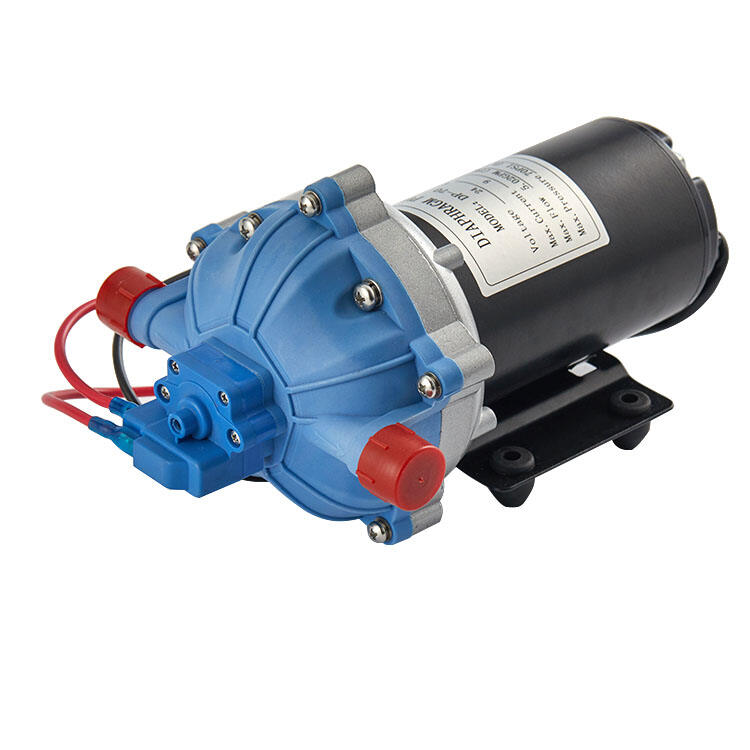
Selecting the appropriate industrial pump for your facility represents one of the most critical decisions in industrial operations management. The performance, efficiency, and reliability of your entire system depend heavily on choosing the right pumping solution that matches your specific requirements. Whether you're dealing with water transfer, chemical processing, or specialized fluid handling applications, understanding the fundamental principles of industrial pump selection will ensure optimal performance and long-term cost-effectiveness for your operations.
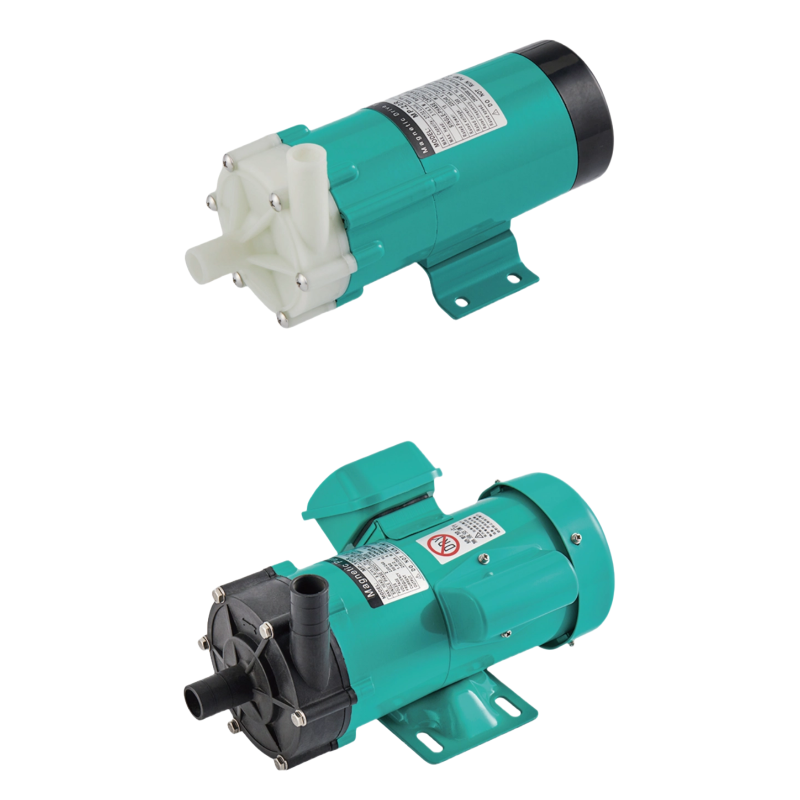
Modern industrial facilities require pumping systems that deliver consistent performance while minimizing operational costs and maintenance requirements. The complexity of today's industrial processes demands careful consideration of multiple factors including flow rates, pressure requirements, fluid characteristics, and environmental conditions. A well-chosen industrial pump not only meets immediate operational needs but also provides scalability for future expansion and adaptation to changing process requirements.
Understanding Industrial Pump Classifications and Applications
Centrifugal Pump Technologies
Centrifugal pumps represent the most widely used type of industrial pump across various industries due to their versatility and reliability. These pumps utilize rotational kinetic energy to move fluids through the system, making them ideal for applications requiring high flow rates and moderate pressure levels. The simplicity of their design translates into lower maintenance costs and easier troubleshooting compared to more complex pumping mechanisms.
The selection of a centrifugal industrial pump depends primarily on the specific gravity of the fluid, required flow rate, and total dynamic head. These pumps excel in applications involving clean liquids, mild chemicals, and water-based solutions. Their ability to handle varying flow demands makes them particularly suitable for processes where demand fluctuates throughout operational cycles.
Advanced centrifugal designs incorporate features such as self-priming capabilities, corrosion-resistant materials, and variable speed drives to enhance performance and efficiency. When properly selected and installed, a centrifugal industrial pump can provide decades of reliable service with minimal intervention, making them an excellent investment for long-term operational stability.
Positive Displacement Pump Solutions
Positive displacement pumps offer superior performance characteristics for applications requiring precise flow control, high-pressure delivery, or handling of viscous fluids. Unlike centrifugal designs, these pumps deliver consistent flow rates regardless of pressure variations, making them essential for processes where accuracy and repeatability are critical operational requirements.
These industrial pump systems excel in applications involving thick liquids, slurries, or materials with suspended solids that would challenge centrifugal designs. The positive displacement principle ensures complete evacuation of pump chambers, minimizing waste and maximizing efficiency in critical processes where every drop of fluid represents significant value.
Modern positive displacement industrial pump designs incorporate advanced sealing technologies, precision-machined components, and intelligent control systems to deliver exceptional performance across demanding applications. Their ability to generate high pressures while maintaining flow consistency makes them indispensable for specialized industrial processes requiring precise fluid delivery.
Critical Performance Parameters for Industrial Pump Selection
Flow Rate and Pressure Requirements
Determining accurate flow rate requirements forms the foundation of successful industrial pump selection. Flow rates must account not only for current operational needs but also for anticipated future expansion and peak demand scenarios. Understanding the relationship between flow rate and system pressure helps optimize pump selection for maximum efficiency and longevity.
System pressure requirements encompass both static head and dynamic losses throughout the piping network. A comprehensive analysis of pressure drops across valves, fittings, and pipe runs ensures proper sizing of the industrial pump to maintain adequate performance under all operating conditions. This analysis prevents both oversizing, which leads to energy waste, and undersizing, which results in inadequate performance.
The relationship between flow and pressure characteristics varies significantly among different pump types, making it essential to match pump curves with system demand curves. Proper analysis of these interactions ensures optimal operation at the duty point, maximizing efficiency while minimizing wear and energy consumption throughout the operational lifecycle of the industrial pump system.
Fluid Characteristics and Compatibility
Fluid properties significantly influence industrial pump selection, performance, and longevity. Temperature, viscosity, specific gravity, and chemical compatibility all play crucial roles in determining the most suitable pump design and materials of construction. Failure to properly account for these characteristics can result in premature failure, safety hazards, and costly downtime.
Chemical compatibility between pump materials and process fluids requires careful evaluation to prevent corrosion, erosion, and contamination issues. Modern industrial pump manufacturers offer extensive material options including specialized alloys, ceramic coatings, and polymer linings to address challenging chemical environments while maintaining operational reliability.
Temperature considerations affect not only material selection but also pump performance characteristics, sealing requirements, and thermal expansion allowances. High-temperature applications may require special cooling systems, thermal barriers, and expansion joints to ensure reliable operation of the industrial pump throughout varying thermal conditions.
Energy Efficiency and Operational Cost Optimization
Motor Selection and Variable Speed Drives
Motor efficiency plays a pivotal role in the overall energy consumption of an industrial pump system. Premium efficiency motors, while requiring higher initial investment, deliver significant energy savings over their operational lifetime, particularly in continuous-duty applications. The selection of appropriate motor horsepower ensures optimal matching between pump requirements and available power.
Variable frequency drives provide exceptional flexibility in matching pump output to actual system demands, resulting in substantial energy savings compared to constant-speed operation with throttling control. These drives enable precise flow control while reducing mechanical stress on pump components, extending operational life and reducing maintenance requirements for the entire industrial pump system.
Advanced motor technologies including permanent magnet designs and synchronous reluctance motors offer even greater efficiency improvements for specialized applications. When combined with intelligent control systems, these technologies enable industrial pump systems to automatically optimize performance based on real-time operating conditions and demand patterns.
Lifecycle Cost Analysis
Total cost of ownership extends far beyond initial purchase price to include energy consumption, maintenance costs, spare parts availability, and expected service life. A comprehensive lifecycle cost analysis provides the foundation for making informed decisions that optimize long-term value rather than simply minimizing upfront investment in industrial pump systems.
Energy costs typically represent the largest component of lifecycle expenses for continuously operating industrial pump installations. Selecting energy-efficient designs and implementing appropriate control strategies can result in energy savings that far exceed the additional initial investment over the pump's operational lifetime.
Maintenance accessibility, spare parts availability, and service support quality significantly impact operational costs and downtime risks. Choosing established manufacturers with comprehensive support networks ensures long-term parts availability and technical assistance, minimizing the risk of extended outages that can severely impact production schedules and profitability.
Installation and Maintenance Considerations
Piping System Design and Integration
Proper piping design significantly influences industrial pump performance, efficiency, and reliability. Suction piping configuration requires particular attention to prevent cavitation, air entrainment, and excessive pressure losses that can compromise pump operation. Adequate suction line sizing, minimal fittings, and proper pipe routing ensure optimal hydraulic conditions for maximum pump performance.
Discharge piping design must accommodate system pressure requirements while providing adequate support for thermal expansion and vibration isolation. Proper placement of check valves, isolation valves, and pressure relief devices ensures safe operation and facilitates maintenance activities without disrupting other system components or compromising safety.
Foundation design and pump alignment procedures directly impact operational reliability and service life. Proper foundation design minimizes vibration transmission while providing stable support for the industrial pump assembly. Precision alignment procedures ensure optimal power transmission and minimize premature wear of rotating components, maximizing operational efficiency and reliability.
Preventive Maintenance Programs
Implementing comprehensive preventive maintenance programs maximizes industrial pump reliability while minimizing unexpected failures and associated downtime costs. Regular inspection schedules, predictive maintenance technologies, and condition monitoring systems enable early detection of potential issues before they develop into costly failures.
Vibration analysis, thermal monitoring, and performance trending provide valuable insights into pump condition and help optimize maintenance intervals. These technologies enable maintenance teams to schedule repairs during planned outages rather than responding to emergency failures that can disrupt production schedules and increase repair costs.
Proper maintenance procedures, including correct lubricant selection, seal replacement techniques, and component inspection protocols, ensure maximum service life from industrial pump installations. Training maintenance personnel on proper procedures and safety requirements prevents damage from improper maintenance practices while ensuring safe working conditions.
Emerging Technologies and Future Trends
Smart Pump Technologies
Digital integration and Internet of Things technologies are revolutionizing industrial pump operations through enhanced monitoring, control, and diagnostic capabilities. Smart sensors provide real-time data on pump performance, enabling predictive maintenance strategies and optimized operational parameters that maximize efficiency and reliability.
Advanced control algorithms utilize machine learning and artificial intelligence to optimize pump performance automatically based on changing operational conditions. These systems can adjust operational parameters in real-time to maintain optimal efficiency while extending component life and reducing energy consumption across industrial pump installations.
Remote monitoring capabilities enable centralized oversight of distributed pump systems, allowing maintenance teams to monitor multiple installations from a central location. This capability reduces the need for routine site visits while ensuring prompt response to developing issues that could impact system performance or reliability.
Environmental and Sustainability Considerations
Environmental regulations and sustainability initiatives are driving development of more efficient and environmentally friendly industrial pump designs. Energy-efficient motors, advanced materials, and optimized hydraulic designs contribute to reduced environmental impact while delivering improved operational performance.
Seal-less designs and magnetic drive technologies eliminate potential leakage paths, improving safety and environmental protection in applications handling hazardous or valuable fluids. These advanced designs provide superior containment while maintaining operational reliability and performance characteristics of traditional industrial pump configurations.
Lifecycle sustainability considerations include recyclable materials, extended service life, and reduced energy consumption throughout the operational period. Manufacturers are increasingly focusing on designs that minimize environmental impact from production through end-of-life disposal or recycling, supporting corporate sustainability goals and regulatory compliance requirements.
FAQ
What factors should I prioritize when selecting an industrial pump for my facility
The most critical factors in industrial pump selection include flow rate requirements, pressure specifications, fluid characteristics, and energy efficiency considerations. Start by accurately determining your system's hydraulic requirements, then evaluate fluid compatibility with available pump materials. Consider lifecycle costs including energy consumption, maintenance requirements, and expected service life to make the most cost-effective decision for your specific application.
How do I determine the correct size for an industrial pump installation
Proper industrial pump sizing requires accurate calculation of system flow requirements and total dynamic head including static lift, friction losses, and pressure requirements. Create a detailed system curve that accounts for all pressure losses throughout the piping network, then select a pump whose performance curve intersects the system curve at the desired operating point. Avoid oversizing as this leads to energy waste and potential operational issues.
What maintenance practices will maximize the lifespan of my industrial pump
Implement a comprehensive preventive maintenance program including regular inspections, proper lubrication, and condition monitoring. Monitor vibration levels, bearing temperatures, and performance parameters to detect developing issues early. Ensure proper alignment, maintain clean suction conditions, and follow manufacturer's recommended maintenance intervals. Train operators to recognize early warning signs of potential problems and respond appropriately to prevent minor issues from becoming major failures.
How can I improve the energy efficiency of my existing industrial pump system
Energy efficiency improvements can be achieved through several approaches including variable frequency drive installation, system optimization, and pump replacement or modification. Evaluate current operating conditions against original design parameters to identify inefficiencies. Consider upgrading to premium efficiency motors, optimizing piping configurations to reduce system losses, and implementing automated controls that match pump output to actual demand rather than running at constant speed with throttling control.
Table of Contents
- Understanding Industrial Pump Classifications and Applications
- Critical Performance Parameters for Industrial Pump Selection
- Energy Efficiency and Operational Cost Optimization
- Installation and Maintenance Considerations
- Emerging Technologies and Future Trends
-
FAQ
- What factors should I prioritize when selecting an industrial pump for my facility
- How do I determine the correct size for an industrial pump installation
- What maintenance practices will maximize the lifespan of my industrial pump
- How can I improve the energy efficiency of my existing industrial pump system