 EN
EN
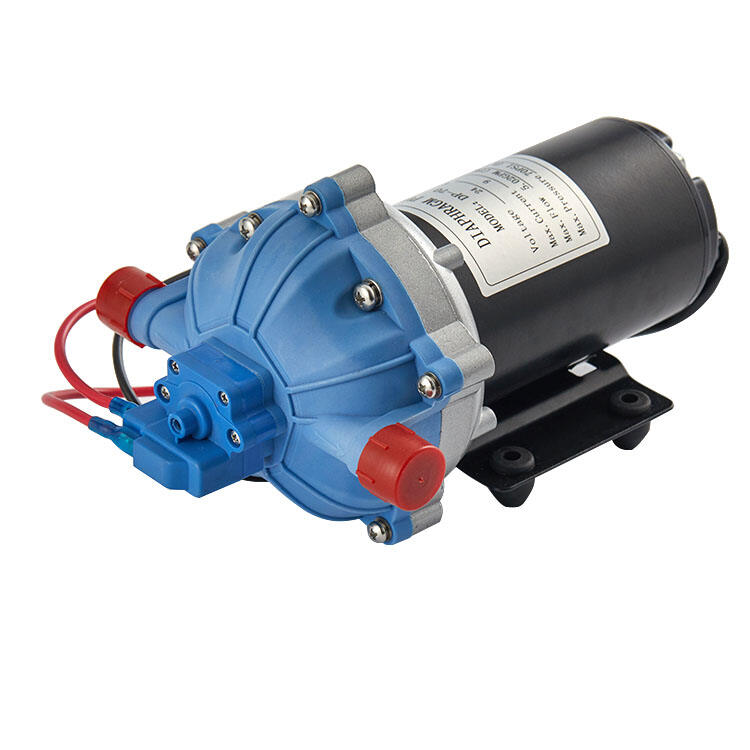
Maintaining optimal performance in manufacturing and processing facilities requires careful attention to critical equipment, particularly when it comes to ensuring your industrial pump systems operate at peak efficiency. Regular maintenance protocols can significantly extend equipment lifespan while reducing operational costs and minimizing unexpected downtime that disrupts production schedules.
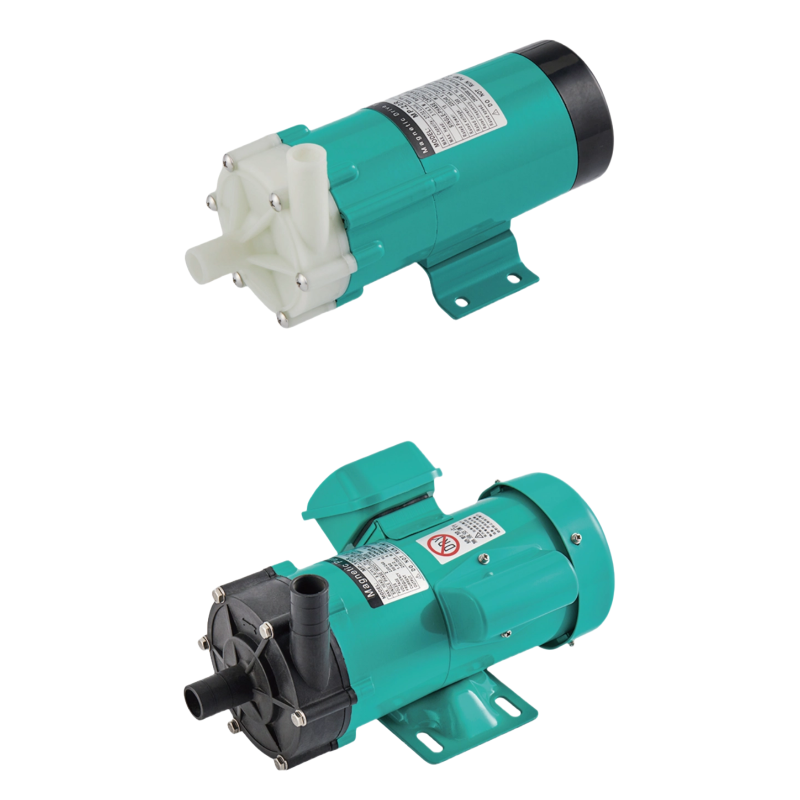
Industrial facilities across various sectors depend heavily on reliable pumping systems to maintain continuous operations. From chemical processing plants to water treatment facilities, proper maintenance practices ensure that industrial pump equipment delivers consistent performance while meeting demanding operational requirements. Understanding the fundamental principles of pump maintenance helps facility managers develop comprehensive strategies that protect their investment and maintain competitive advantages.
Essential Pre-Maintenance Inspection Protocols
Visual Assessment Procedures
Conducting thorough visual inspections forms the foundation of effective industrial pump maintenance programs. Trained technicians should examine external components for signs of wear, corrosion, or damage that could indicate potential problems. These inspections help identify issues before they escalate into costly failures that require emergency repairs or complete equipment replacement.
During visual assessments, maintenance personnel should carefully examine pump housings, mounting brackets, and connection points for any unusual wear patterns or structural concerns. Proper documentation of these findings creates valuable historical records that help predict future maintenance needs and optimize scheduling for maximum operational efficiency.
Performance Monitoring Standards
Establishing baseline performance metrics enables maintenance teams to detect subtle changes in industrial pump operation that might signal developing problems. Regular monitoring of flow rates, pressure readings, and energy consumption patterns provides valuable insights into equipment health and helps identify optimization opportunities that improve overall system efficiency.
Advanced monitoring systems can automatically track key performance indicators and alert maintenance staff when parameters exceed acceptable ranges. This proactive approach allows teams to address potential issues during scheduled maintenance windows rather than responding to emergency failures that disrupt production schedules and increase repair costs.
Lubrication Management Strategies
Optimal Lubricant Selection
Selecting appropriate lubricants for industrial pump applications requires careful consideration of operating conditions, temperature ranges, and chemical compatibility requirements. Different pump designs and applications may require specialized lubricants that provide optimal protection while maintaining proper viscosity under varying operational demands.
Quality lubricants help reduce friction between moving components, dissipate heat effectively, and provide protective barriers against contamination. Regular analysis of lubricant samples can reveal valuable information about internal component wear and help predict maintenance needs before critical failures occur in industrial pump systems.
Lubrication Scheduling Protocols
Implementing consistent lubrication schedules ensures that industrial pump bearings and other critical components receive adequate protection throughout their operational lifespan. Proper scheduling considers factors such as operating hours, environmental conditions, and manufacturer recommendations to establish optimal intervals for lubricant replacement and system servicing.
Automated lubrication systems can help maintain consistent lubricant delivery while reducing manual labor requirements and minimizing the risk of human error. These systems provide precise control over lubricant quantities and timing, helping extend component life while reducing overall maintenance costs for industrial pump installations.
Mechanical Seal Maintenance Excellence
Seal Inspection Techniques
Mechanical seals represent critical components in industrial pump systems that require specialized attention during maintenance procedures. Regular inspection of seal faces, springs, and housing components helps identify wear patterns and potential failure modes before they result in costly leaks or contamination issues that compromise system performance.
Proper seal inspection involves examining both stationary and rotating components for signs of wear, corrosion, or damage that could affect sealing effectiveness. Understanding the relationship between operating conditions and seal performance helps maintenance teams optimize replacement schedules and select appropriate seal materials for specific applications.
Seal Replacement Best Practices
When replacing mechanical seals in industrial pump applications, following manufacturer specifications and proper installation procedures ensures optimal performance and longevity. Careful attention to surface preparation, alignment, and torque specifications helps prevent premature failure and maintains reliable sealing throughout the operational cycle.
Quality replacement seals designed for specific industrial pump models provide superior performance compared to generic alternatives. Investing in premium seal components often results in longer service intervals and reduced maintenance costs over the equipment's operational lifespan.
Impeller and Volute Care Procedures
Impeller Condition Assessment
Regular inspection of impeller components helps maintain optimal hydraulic performance in industrial pump systems. Examining blade surfaces for erosion, cavitation damage, or buildup helps identify conditions that could reduce efficiency and increase energy consumption throughout the pumping system.
Proper impeller maintenance includes checking clearances, balance, and surface conditions that affect pump performance characteristics. Understanding how different operating conditions impact impeller wear helps maintenance teams develop strategies that maximize component life while maintaining optimal efficiency levels.
Volute Housing Maintenance
Volute housings play crucial roles in converting kinetic energy to pressure energy within industrial pump systems. Regular cleaning and inspection of volute surfaces help maintain proper flow characteristics while preventing buildup that could reduce performance or cause unbalanced loading conditions.
Maintaining proper clearances between impellers and volute housings ensures optimal hydraulic efficiency while minimizing wear on critical components. Regular measurement and adjustment of these clearances help maintain peak performance throughout the equipment's operational life.
Motor and Drive System Optimization
Motor Performance Evaluation
Electric motors driving industrial pump systems require regular evaluation to ensure efficient operation and prevent unexpected failures. Monitoring motor current, temperature, and vibration levels provides valuable insights into motor health while helping identify potential problems before they result in costly downtime.
Proper motor maintenance includes regular inspection of electrical connections, cooling systems, and mounting arrangements that affect overall system performance. Understanding the relationship between motor condition and pump performance helps optimize maintenance schedules for maximum operational reliability.
Variable Frequency Drive Maintenance
Variable frequency drives used with industrial pump installations require specialized maintenance attention to ensure reliable operation and optimal energy efficiency. Regular cleaning of cooling fins, inspection of electrical connections, and verification of control parameters help maintain proper drive performance throughout varying operational demands.
Proper VFD maintenance includes monitoring harmonics, checking insulation resistance, and verifying proper grounding connections that protect both drive electronics and connected equipment. These practices help extend drive life while maintaining optimal control of industrial pump systems.
Predictive Maintenance Technologies
Vibration Analysis Applications
Vibration analysis provides powerful diagnostic capabilities for industrial pump maintenance programs, enabling early detection of bearing wear, misalignment, and other mechanical issues that could lead to unexpected failures. Regular vibration monitoring helps establish baseline conditions and track changes that indicate developing problems.
Advanced vibration analysis techniques can identify specific fault frequencies associated with different failure modes in industrial pump systems. This information enables maintenance teams to schedule repairs during planned outages while optimizing spare parts inventory and resource allocation.
Thermal Imaging Benefits
Infrared thermal imaging offers valuable insights into industrial pump operation by revealing temperature patterns that indicate potential problems with bearings, seals, or electrical components. Regular thermal surveys help identify hot spots and temperature anomalies that could signal developing issues requiring maintenance attention.
Thermal imaging data provides objective evidence of equipment condition that helps prioritize maintenance activities and justify repair investments. Combining thermal data with other diagnostic techniques creates comprehensive condition monitoring programs that maximize industrial pump reliability and performance.
FAQ
How often should industrial pump maintenance be performed
Industrial pump maintenance frequency depends on several factors including operating conditions, application requirements, and manufacturer recommendations. Generally, basic inspections should occur monthly, while comprehensive maintenance may be scheduled quarterly or semi-annually based on equipment criticality and operating hours accumulated.
What are the most common causes of industrial pump failures
The most frequent causes of industrial pump failures include inadequate lubrication, mechanical seal problems, cavitation damage, and misalignment issues. Poor maintenance practices, improper installation, and operating equipment outside design parameters also contribute significantly to premature failures and reduced equipment reliability.
Can predictive maintenance reduce industrial pump operating costs
Predictive maintenance programs can substantially reduce industrial pump operating costs by identifying potential problems before they result in catastrophic failures. Early detection enables planned maintenance during scheduled outages, reduces emergency repair costs, and helps optimize spare parts inventory while extending equipment operational life.
What safety precautions should be followed during industrial pump maintenance
Industrial pump maintenance requires strict adherence to safety protocols including proper lockout/tagout procedures, personal protective equipment usage, and hazard assessment before beginning work. Understanding potential risks associated with pressurized systems, rotating equipment, and hazardous chemicals helps ensure worker safety during maintenance activities.