
 EN
EN
When selecting the right industrial pump for your operation, understanding the diverse range of available options can make the difference between optimal performance and costly downtime. An industrial pump serves as the backbone of countless manufacturing processes, from chemical processing and water treatment to oil refining and pharmaceutical production. Each application demands specific pump characteristics, making it essential to comprehend the unique advantages and limitations of different pump technologies.
The selection process for an industrial pump requires careful consideration of factors including fluid characteristics, flow rates, pressure requirements, and operational environment. Modern industrial facilities rely heavily on pump systems that can handle everything from clean water to highly corrosive chemicals, abrasive slurries, and high-temperature fluids. This comprehensive analysis will explore the most common pump types used across industrial applications, providing essential insights to help you make informed decisions for your specific operational needs.
Centrifugal Pump Systems in Industrial Applications
Single-Stage Centrifugal Pumps
Single-stage centrifugal pumps represent the most widely used industrial pump configuration across numerous industries. These pumps feature a single impeller that imparts kinetic energy to the fluid through rotational motion, converting this energy into pressure as the fluid exits the volute casing. The simplicity of their design makes them highly reliable for applications requiring moderate pressure increases and high flow rates.
The operational principles of single-stage centrifugal pumps make them particularly suitable for water supply systems, cooling circuits, and general fluid transfer applications. Their efficiency typically peaks within a specific flow range, making proper sizing crucial for optimal performance. Most industrial facilities utilize these pumps for applications where the total dynamic head requirements do not exceed 150 meters, though specialized high-head versions can achieve greater pressures.
Multi-Stage Centrifugal Configuration
Multi-stage centrifugal pumps incorporate multiple impellers arranged in series within a single casing, allowing each stage to contribute additional pressure to the fluid stream. This design enables the generation of significantly higher discharge pressures compared to single-stage alternatives, making them essential for high-pressure applications such as boiler feed systems and reverse osmosis processes.
The industrial pump market has seen increasing demand for multi-stage configurations in applications requiring precise pressure control and high reliability. These pumps excel in scenarios where space limitations prevent the use of multiple single-stage units in series. However, their increased complexity requires more sophisticated maintenance protocols and higher initial investment costs compared to simpler alternatives.
Positive Displacement Pump Technologies
Reciprocating Piston Pumps
Reciprocating piston pumps operate through the linear motion of pistons within cylinders, creating alternating suction and discharge cycles that move precise volumes of fluid with each stroke. This positive displacement mechanism makes them ideal for applications requiring accurate flow control and the ability to handle high-pressure systems. The industrial pump category includes various piston configurations, from single-acting designs to complex multi-cylinder arrangements.
These pumps demonstrate exceptional performance in high-pressure applications such as hydraulic systems, chemical injection processes, and pressure testing equipment. Their ability to maintain consistent flow rates regardless of system pressure variations makes them valuable in applications where precision is paramount. However, the pulsating flow characteristics may require dampening systems in applications sensitive to pressure fluctuations.
Rotary Gear and Screw Pumps
Rotary positive displacement pumps utilize rotating elements such as gears, screws, or lobes to transport fluid through mechanical action rather than centrifugal force. Gear pumps employ meshing gears to create sealed chambers that carry fluid from suction to discharge, while screw pumps use helical rotors to move fluid axially through the pump housing. These designs provide smooth, pulse-free flow characteristics that benefit sensitive applications.
The versatility of rotary positive displacement pumps makes them suitable for handling viscous fluids, lubricating oils, and applications requiring self-priming capabilities. Each industrial pump in this category offers unique advantages depending on the specific application requirements. Their ability to maintain efficiency across varying viscosities and pressures makes them particularly valuable in chemical processing and petroleum industries.
Specialized Industrial Pump Designs
Magnetic Drive Circulation Pumps
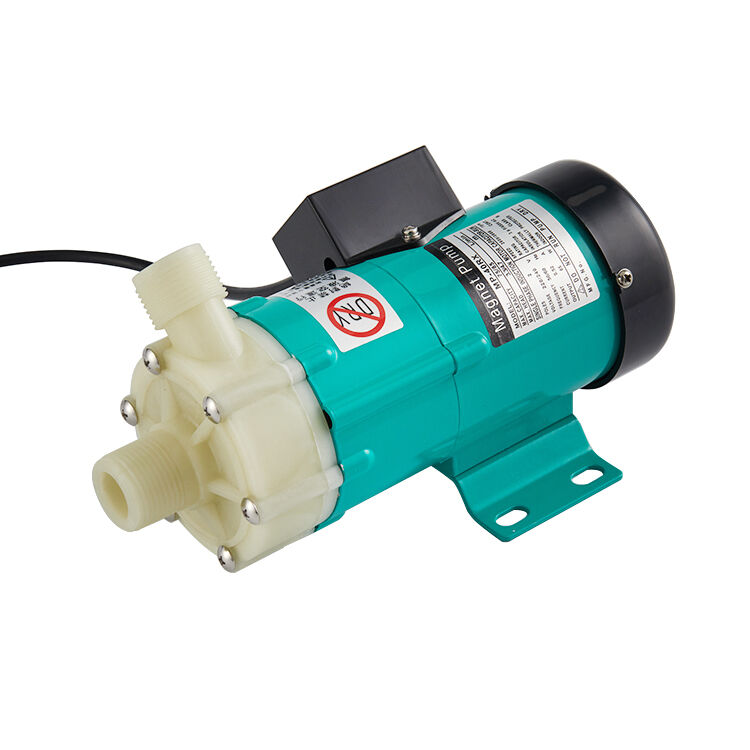
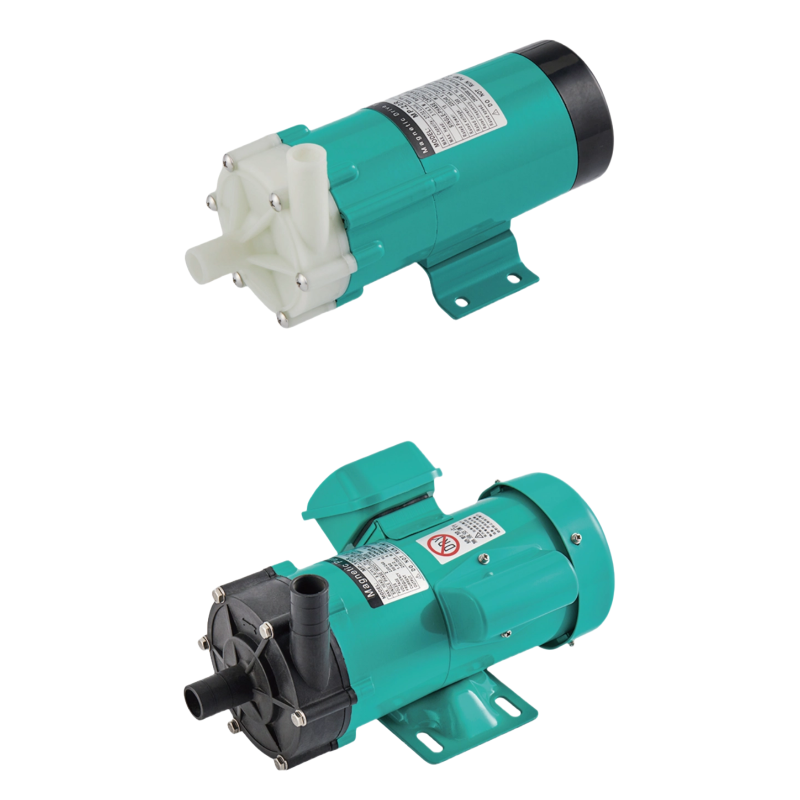
Magnetic drive pumps eliminate the need for traditional shaft seals by using magnetic coupling to transfer power from the motor to the impeller, creating a hermetically sealed system that prevents fluid leakage. This innovative design makes them particularly suitable for handling hazardous, toxic, or environmentally sensitive fluids where containment is critical. The absence of dynamic seals significantly reduces maintenance requirements and eliminates the risk of seal failure.
Industrial applications increasingly favor magnetic drive technology for circulation systems handling corrosive chemicals, pharmaceutical compounds, and other fluids where contamination must be prevented. The industrial pump sector has embraced these designs for their reliability in continuous operation scenarios, though their power transmission limitations make them most suitable for moderate pressure applications.
Submersible Pump Systems
Submersible pumps operate while completely submerged in the fluid being pumped, with the motor and pump assembly designed as a single hermetically sealed unit. This configuration eliminates priming issues and provides efficient operation in applications such as groundwater extraction, sewage handling, and sump drainage systems. The close coupling between motor and pump reduces energy losses associated with long drive shafts.
The industrial pump market has seen significant advancement in submersible technology, with modern designs capable of handling abrasive fluids, high temperatures, and corrosive environments. Their ability to operate in flooded conditions makes them essential for applications where conventional surface-mounted pumps would be impractical or inefficient. However, maintenance access limitations require careful consideration during system design phases.
Performance Characteristics and Selection Criteria
Flow Rate and Pressure Considerations
Determining the appropriate flow rate and pressure requirements forms the foundation of proper industrial pump selection. Flow rate requirements depend on process demands, system losses, and safety margins, while pressure calculations must account for static head, friction losses, and any additional system resistances. Understanding the relationship between these parameters and pump performance curves ensures optimal efficiency and longevity.
Each industrial pump type exhibits unique performance characteristics that affect their suitability for specific operating conditions. Centrifugal pumps typically show decreasing flow rates with increasing pressure, while positive displacement pumps maintain relatively constant flow regardless of pressure variations. This fundamental difference influences selection decisions based on whether constant flow or variable flow characteristics better match the application requirements.
Fluid Compatibility and Materials
Material selection for industrial pump components must consider fluid chemistry, temperature ranges, and potential contamination issues. Corrosive fluids require specialized alloys or coatings, while abrasive applications benefit from hardened surfaces or ceramic components. The interaction between fluid properties and pump materials directly affects service life and maintenance requirements.
Modern industrial pump designs incorporate advanced materials science to extend operating life in challenging environments. Stainless steel, exotic alloys, and engineered polymers provide solutions for specific fluid compatibility requirements. Understanding these material options enables proper selection that balances initial costs with long-term operational reliability and maintenance expenses.
Maintenance and Operational Considerations
Preventive Maintenance Strategies
Effective maintenance programs for industrial pump systems require understanding the specific wear patterns and failure modes associated with each pump type. Centrifugal pumps typically require monitoring of bearing condition, impeller wear, and seal integrity, while positive displacement pumps focus on valve operation, packing condition, and internal clearances. Regular inspection schedules should align with manufacturer recommendations and operational experience.
The complexity of modern industrial pump systems demands sophisticated monitoring techniques including vibration analysis, thermal imaging, and performance trending. These predictive maintenance tools enable early detection of developing problems before catastrophic failure occurs. Proper maintenance scheduling balances operational availability with the need to address wear before it affects system reliability or efficiency.
Energy Efficiency Optimization
Energy consumption represents a significant operational cost for industrial pump systems, making efficiency optimization a critical consideration throughout the pump lifecycle. Variable frequency drives enable centrifugal pumps to adjust speed based on system demands, while proper impeller trimming can optimize performance for specific operating conditions. Understanding these optimization techniques helps minimize energy costs while maintaining required performance levels.
Each industrial pump application presents unique opportunities for efficiency improvements through proper sizing, control system integration, and operational optimization. Modern pump systems benefit from intelligent controls that automatically adjust operation based on real-time demand signals. These advanced control strategies can significantly reduce energy consumption while extending equipment life through reduced wear and optimal operating conditions.
FAQ
What factors determine the best industrial pump type for a specific application
The selection of an appropriate industrial pump depends on several critical factors including fluid properties, required flow rates, system pressure requirements, and environmental conditions. Fluid viscosity, chemical compatibility, and temperature ranges significantly influence pump type selection, while operational factors such as suction conditions and available space affect configuration choices.
How do maintenance requirements differ between centrifugal and positive displacement pumps
Centrifugal pumps typically require less frequent maintenance due to their simpler design with fewer moving parts, focusing primarily on bearing lubrication and seal replacement. Positive displacement pumps generally need more attention to internal clearances, valve operation, and wear surfaces, but often provide longer service life when properly maintained in appropriate applications.
What are the advantages of magnetic drive pumps over traditional sealed designs
Magnetic drive industrial pump designs eliminate shaft seals, preventing fluid leakage and reducing maintenance requirements significantly. These pumps offer superior containment for hazardous fluids, reduced environmental impact, and lower lifecycle costs through decreased maintenance needs, though they may have power transmission limitations compared to traditional designs.
How can energy efficiency be optimized in industrial pump systems
Energy optimization in industrial pump systems involves proper sizing, variable speed control implementation, and system design optimization to match pump performance with actual demand. Regular monitoring of pump efficiency, impeller condition, and system resistance helps identify opportunities for improvement, while modern control systems enable automatic adjustment based on real-time operating conditions.
Table of Contents
- Centrifugal Pump Systems in Industrial Applications
- Positive Displacement Pump Technologies
- Specialized Industrial Pump Designs
- Performance Characteristics and Selection Criteria
- Maintenance and Operational Considerations
-
FAQ
- What factors determine the best industrial pump type for a specific application
- How do maintenance requirements differ between centrifugal and positive displacement pumps
- What are the advantages of magnetic drive pumps over traditional sealed designs
- How can energy efficiency be optimized in industrial pump systems