
 EN
EN
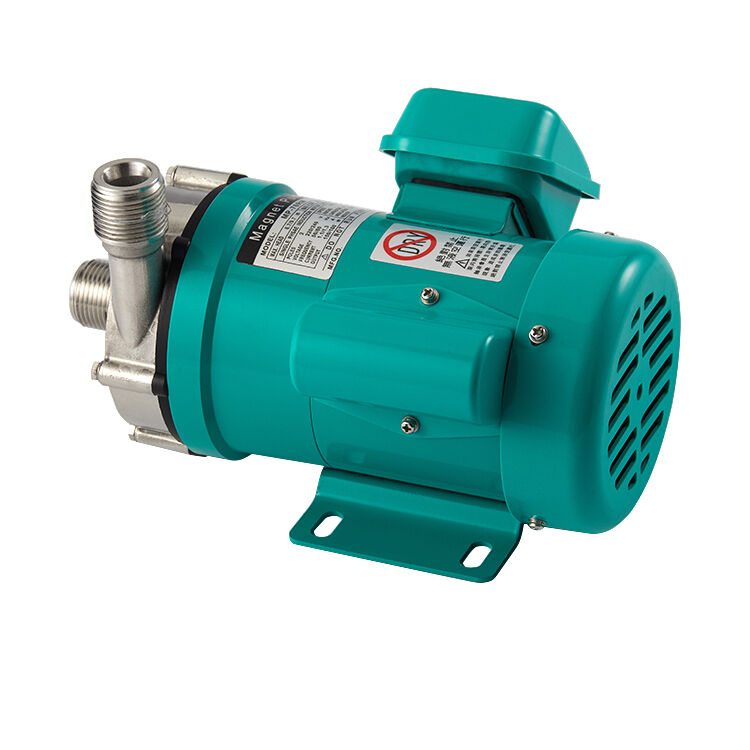
Creating the perfect home bar experience requires careful consideration of equipment that delivers consistent, professional-quality results. Among the most critical components for any serious home brewing or serving setup is a reliable beer pump system. These specialized devices ensure proper flow rates, maintain optimal pressure, and preserve the quality and flavor of your favorite beverages. Whether you're transferring homebrew from fermentation vessels or serving draft beer with precision, the right beer pump can transform your home bar into a professional-grade operation.
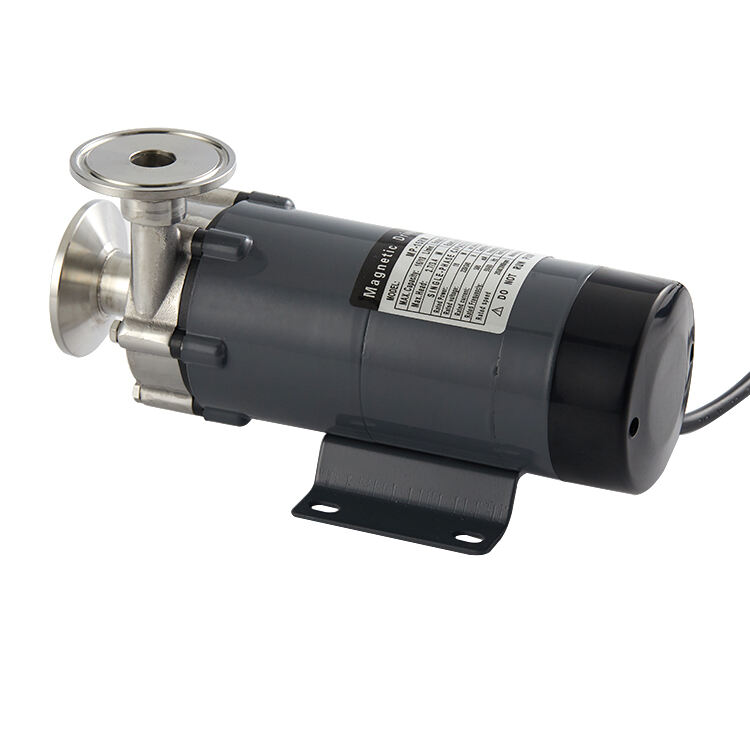
Modern home bar enthusiasts demand equipment that combines durability, efficiency, and ease of use. A quality beer pump system not only enhances the serving experience but also protects your investment in premium beverages by preventing oxidation and contamination. Understanding the various types, features, and applications of these systems will help you make an informed decision that elevates your home entertainment capabilities.
Essential Features of Premium Beer Pump Systems
Flow Rate and Pressure Control
The cornerstone of any effective beer pump lies in its ability to maintain consistent flow rates while providing precise pressure control. Professional-grade systems typically offer variable speed controls that allow users to adjust output based on specific requirements. This flexibility proves invaluable when working with different beverage types, each requiring unique handling parameters to preserve taste and carbonation levels.
Advanced beer pump models incorporate sophisticated pressure regulation mechanisms that prevent foam formation and maintain optimal serving conditions. These systems often feature built-in pressure gauges and adjustment valves, enabling users to fine-tune performance for various applications. The ability to maintain steady pressure throughout the transfer process ensures consistent results and minimizes waste from excessive foam production.
Temperature stability represents another crucial aspect of flow control. Premium beer pump systems include thermal management features that prevent heat buildup during operation, which could negatively impact beverage quality. This thermal control becomes particularly important during extended serving sessions or when transferring large volumes of temperature-sensitive beverages.
Material Construction and Durability
The materials used in beer pump construction directly impact both performance longevity and beverage quality. Food-grade stainless steel components resist corrosion and maintain hygiene standards essential for beverage handling equipment. These materials also provide excellent chemical resistance, ensuring that pump components won't interact with acidic or alcoholic beverages that could alter taste profiles.
Seal quality plays a vital role in preventing contamination and maintaining system integrity. High-quality beer pump systems utilize FDA-approved gaskets and seals designed specifically for beverage applications. These components resist degradation from alcohol exposure and frequent cleaning cycles, ensuring long-term reliability and consistent performance.
Motor housing and electrical components require robust construction to withstand the demands of regular use in home bar environments. Premium systems feature moisture-resistant enclosures and corrosion-proof fasteners that maintain structural integrity even in humid conditions typical of beverage service areas.
Types of Beer Pump Systems for Home Applications
Magnetic Drive Pump Technology
Magnetic drive beer pump systems represent the pinnacle of modern pumping technology for beverage applications. These innovative devices eliminate traditional mechanical seals by using magnetic coupling to transfer power from the motor to the impeller. This design significantly reduces the risk of leaks and contamination while providing smooth, quiet operation ideal for home bar environments.
The absence of direct mechanical contact between motor and pump chamber means magnetic drive systems require minimal maintenance compared to conventional pump designs. This reliability factor makes them particularly attractive for home users who want professional performance without complex upkeep requirements. Additionally, the sealed chamber design prevents external contaminants from entering the beverage path.
Energy efficiency represents another significant advantage of magnetic drive beer pump systems. The precise power transfer mechanism reduces energy waste and heat generation, contributing to lower operating costs and improved temperature control during beverage handling processes.
Centrifugal Pump Solutions
Centrifugal beer pump systems offer excellent versatility for various home bar applications, from transferring homebrew to serving draft beverages. These pumps utilize rotating impellers to create pressure differential, drawing liquid through the inlet and expelling it at higher pressure through the outlet. The smooth flow characteristics make them ideal for handling carbonated beverages without excessive agitation.
Self-priming capabilities distinguish quality centrifugal beer pump models from basic alternatives. This feature allows the pump to automatically evacuate air from the system and establish flow without manual intervention. For home bar operators, this convenience eliminates the need for complex priming procedures and reduces setup time between uses.
Variable speed control options enhance the flexibility of centrifugal beer pump systems, allowing users to match flow rates to specific requirements. Lower speeds work well for gentle transfers that preserve carbonation, while higher speeds accommodate rapid filling applications. This adaptability makes centrifugal pumps suitable for diverse home bar operations.
Installation and Setup Considerations
Plumbing and Connection Requirements
Proper installation of a beer pump system begins with understanding the plumbing requirements and available connection options. Most quality systems utilize standard tri-clamp fittings that provide secure, sanitary connections while allowing easy disassembly for cleaning and maintenance. These connections ensure leak-free operation and maintain hygiene standards essential for beverage handling equipment.
Inlet and outlet sizing must match the intended application and flow requirements. Larger diameter connections accommodate higher flow rates but may require more complex plumbing arrangements. Home bar installations typically benefit from flexible connection options that allow easy reconfiguration for different serving arrangements or seasonal equipment changes.
Consideration of static head and pressure requirements ensures optimal beer pump performance. The vertical distance between liquid source and serving point, combined with any horizontal runs and fittings, creates resistance that the pump must overcome. Properly sizing the pump capacity to handle these requirements prevents performance issues and ensures reliable operation.
Electrical Requirements and Safety
Electrical installation of beer pump systems requires attention to voltage requirements and safety considerations. Many premium systems offer dual voltage capability, operating on both 110V and 220V power supplies for maximum installation flexibility. This versatility allows users to choose the most appropriate power source based on their specific electrical setup and local requirements.
Ground fault circuit interrupter protection becomes essential when installing beer pump systems in areas where moisture may be present. These safety devices prevent electrical hazards by immediately shutting off power when ground faults are detected. Professional installation ensures proper GFCI protection and compliance with local electrical codes.
Motor protection features in quality beer pump systems include thermal overload protection and voltage surge suppression. These built-in safety mechanisms protect the equipment from damage due to electrical anomalies while ensuring safe operation in home environments. Understanding these features helps users select systems with appropriate protection levels for their applications.
Maintenance and Cleaning Protocols
Regular Cleaning Procedures
Maintaining hygiene standards requires implementing comprehensive cleaning protocols for beer pump systems. Regular sanitization prevents bacterial growth and off-flavors that could compromise beverage quality. Most systems accommodate cleaning-in-place procedures using food-grade sanitizing solutions circulated through the pump and connected lines.
Disassembly procedures for thorough cleaning vary among different beer pump designs, but quality systems prioritize easy access to all wetted surfaces. Tri-clamp connections and removable components facilitate complete cleaning without specialized tools. Establishing a regular cleaning schedule based on usage frequency ensures consistent performance and extends equipment life.
Chemical compatibility considerations guide the selection of appropriate cleaning and sanitizing agents. Beer pump components must resist degradation from cleaning chemicals while effectively removing residues and contaminants. Following manufacturer recommendations for cleaning agents prevents damage to seals and other sensitive components.
Preventive Maintenance Tasks
Scheduled maintenance activities extend beer pump system life and prevent unexpected failures. Regular inspection of seals, gaskets, and connections identifies wear before problems develop. Replacing these components according to manufacturer schedules maintains system integrity and prevents costly repairs or replacements.
Motor maintenance requirements vary based on pump design, but most systems benefit from periodic inspection of electrical connections and motor housing. Keeping motors clean and free from debris ensures proper cooling and prevents premature failure. Some advanced beer pump systems include diagnostic features that monitor motor performance and alert users to potential issues.
Lubrication schedules apply primarily to pumps with mechanical bearings, though many modern beer pump designs utilize maintenance-free magnetic drive technology. Understanding the specific maintenance requirements of your chosen system helps establish appropriate service intervals and prevents unexpected downtime during critical serving periods.
Performance Optimization and Troubleshooting
Flow Rate Optimization
Achieving optimal flow rates from beer pump systems requires balancing multiple factors including pump capacity, system resistance, and beverage characteristics. Understanding these relationships allows users to fine-tune performance for specific applications. Adjustable speed controls provide the flexibility needed to optimize flow rates for different serving scenarios.
Pressure drop calculations help predict system performance and identify potential bottlenecks in the distribution network. Factors such as line length, fitting quantity, and elevation changes all contribute to overall system resistance. Properly accounting for these elements during system design ensures adequate beer pump capacity and reliable performance.
Temperature effects on viscosity can significantly impact beer pump performance, particularly when handling cold beverages. Lower temperatures increase viscosity, requiring higher pump pressure to maintain desired flow rates. Understanding these effects helps users adjust system parameters for consistent performance across different operating conditions.
Common Issues and Solutions
Cavitation represents one of the most common performance issues affecting beer pump systems. This phenomenon occurs when inlet pressure drops below the vapor pressure of the liquid, creating bubbles that collapse and damage pump components. Proper inlet pressure maintenance and adequate net positive suction head prevent cavitation and ensure smooth operation.
Air entrainment problems manifest as inconsistent flow rates and excessive noise during operation. These issues often result from inadequate sealing or improper priming procedures. Systematic inspection of all connections and following proper startup procedures typically resolve air-related problems in beer pump systems.
Electrical issues may cause intermittent operation or complete system failure. Common problems include loose connections, inadequate voltage supply, or motor overheating. Regular inspection of electrical components and adherence to proper installation practices prevent most electrical-related problems in beer pump systems.
Cost Analysis and Value Considerations
Initial Investment Factors
The initial cost of a quality beer pump system represents a significant investment for home bar enthusiasts, but understanding the value proposition helps justify the expense. Premium systems with stainless steel construction and advanced features command higher prices but offer superior durability and performance that reduce long-term costs through reliable operation and minimal maintenance requirements.
Feature comparison between different price points reveals the trade-offs between cost and capability. Entry-level beer pump systems may lack variable speed control or use less durable materials, while premium models offer advanced diagnostics, superior construction, and comprehensive warranty coverage. Evaluating these differences against intended use patterns helps determine the most cost-effective solution.
Installation costs can significantly impact the total investment, particularly for complex systems requiring electrical work or extensive plumbing modifications. Some beer pump systems offer plug-and-play installation that reduces setup costs, while others may require professional installation to ensure proper operation and warranty compliance.
Long-term Operating Economics
Energy consumption patterns vary significantly among different beer pump technologies, with magnetic drive systems typically offering the best efficiency. Lower energy consumption translates to reduced operating costs over the system lifetime, making efficient pumps more economical despite potentially higher initial costs. Understanding these operating economics helps justify premium system investments.
Maintenance cost considerations include replacement parts availability, service requirements, and expected component life. Systems with readily available parts and straightforward maintenance procedures minimize long-term costs. Some beer pump manufacturers offer comprehensive service packages that include regular maintenance and parts replacement, providing predictable operating costs.
Warranty coverage and manufacturer support significantly impact long-term value propositions. Comprehensive warranties that cover both parts and labor provide protection against unexpected repair costs. Manufacturers with established service networks and technical support capabilities offer additional value through reliable assistance when issues arise.
FAQ
What flow rate should I look for in a home bar beer pump system
For most home bar applications, a beer pump with flow rates between 15-30 gallons per hour provides adequate performance for serving and transferring operations. Higher flow rates may be beneficial for rapid tank filling or commercial-style serving, while lower rates work well for gentle transfers that preserve carbonation. Consider your typical usage patterns and serving volume requirements when selecting appropriate flow capacity.
How often should I clean my beer pump system
Beer pump systems require cleaning after each use to maintain hygiene standards and prevent flavor contamination. For regular home bar use, implement a thorough cleaning cycle using food-grade sanitizers circulated through the entire system. Monthly deep cleaning with complete disassembly ensures removal of any residual buildup and maintains optimal performance. Systems used infrequently should still receive monthly maintenance cleaning to prevent bacterial growth.
Can I use a beer pump for other beverages besides beer
Quality beer pump systems designed with food-grade materials can safely handle various beverages including wine, cider, and other alcoholic drinks. The key consideration is chemical compatibility between pump materials and the specific beverage being handled. Avoid using beer pumps for dairy-based drinks or beverages with high acidity levels unless specifically rated for such applications. Always clean thoroughly between different beverage types to prevent flavor transfer.
What electrical requirements do most beer pump systems have
Most residential beer pump systems operate on standard 110V household current, though many premium models offer dual voltage capability for 110V/220V operation. Power consumption typically ranges from 100-500 watts depending on pump size and features. Installation should include proper grounding and GFCI protection, particularly in areas where moisture may be present. Always verify electrical requirements against your available power supply before purchasing a beer pump system.