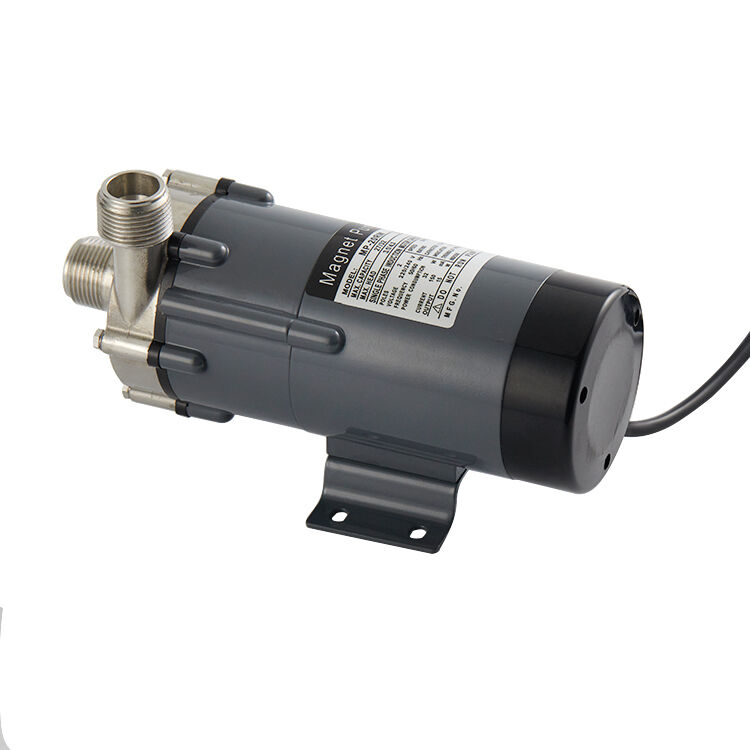
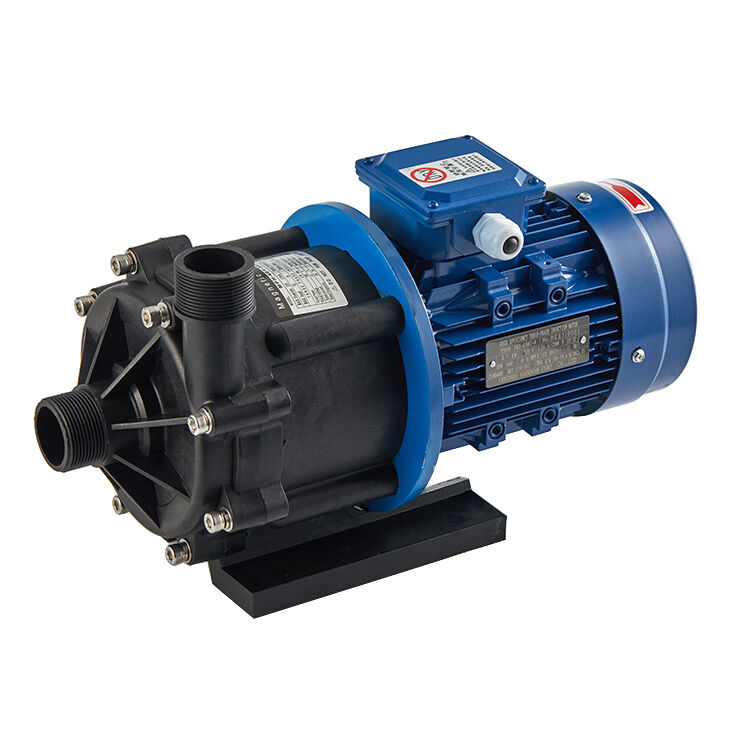
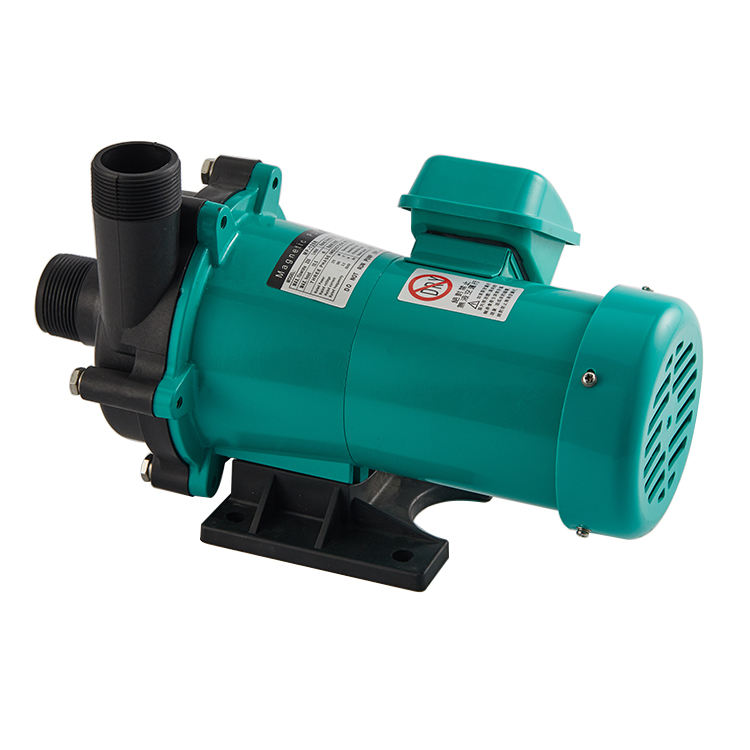
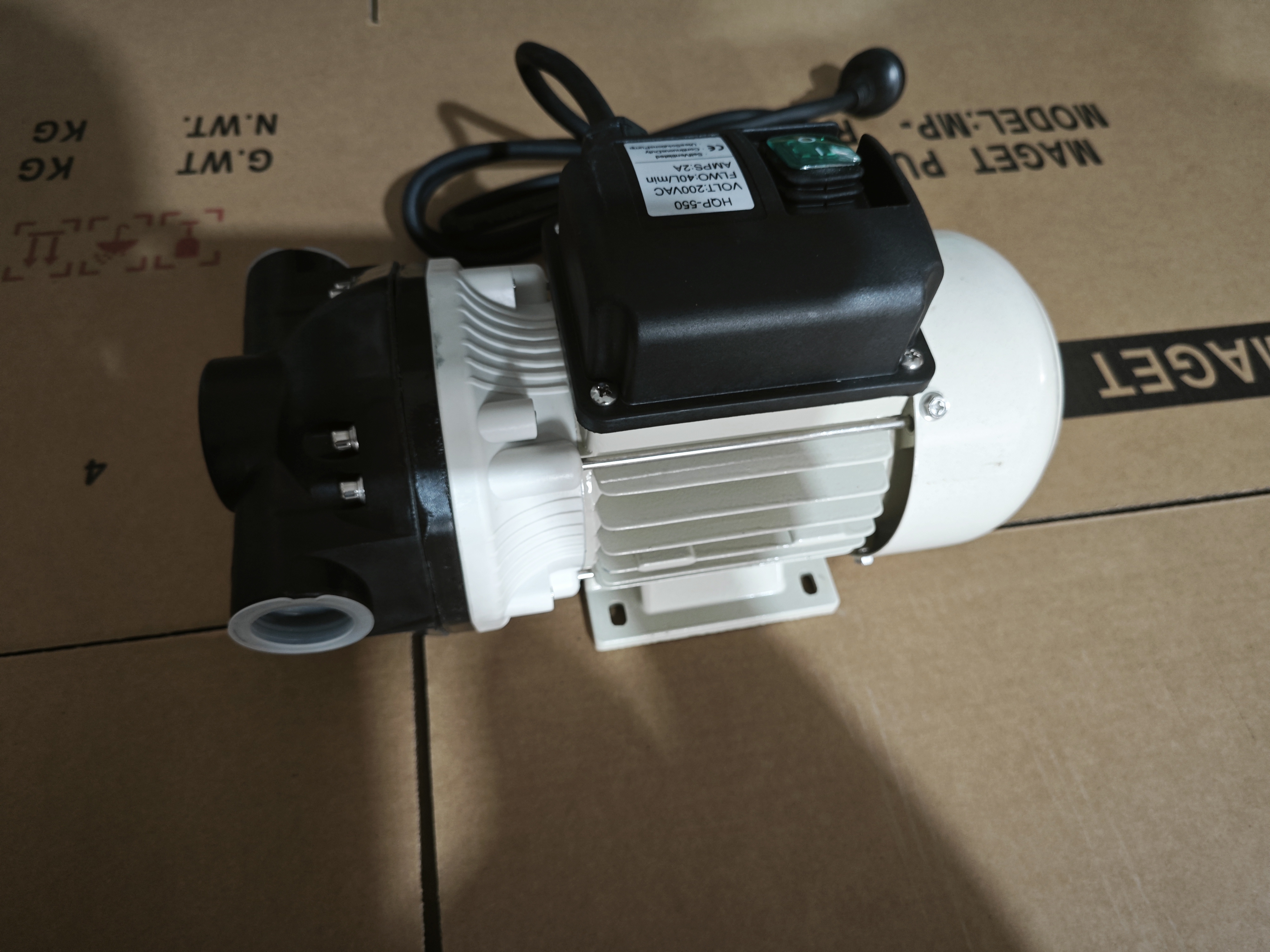
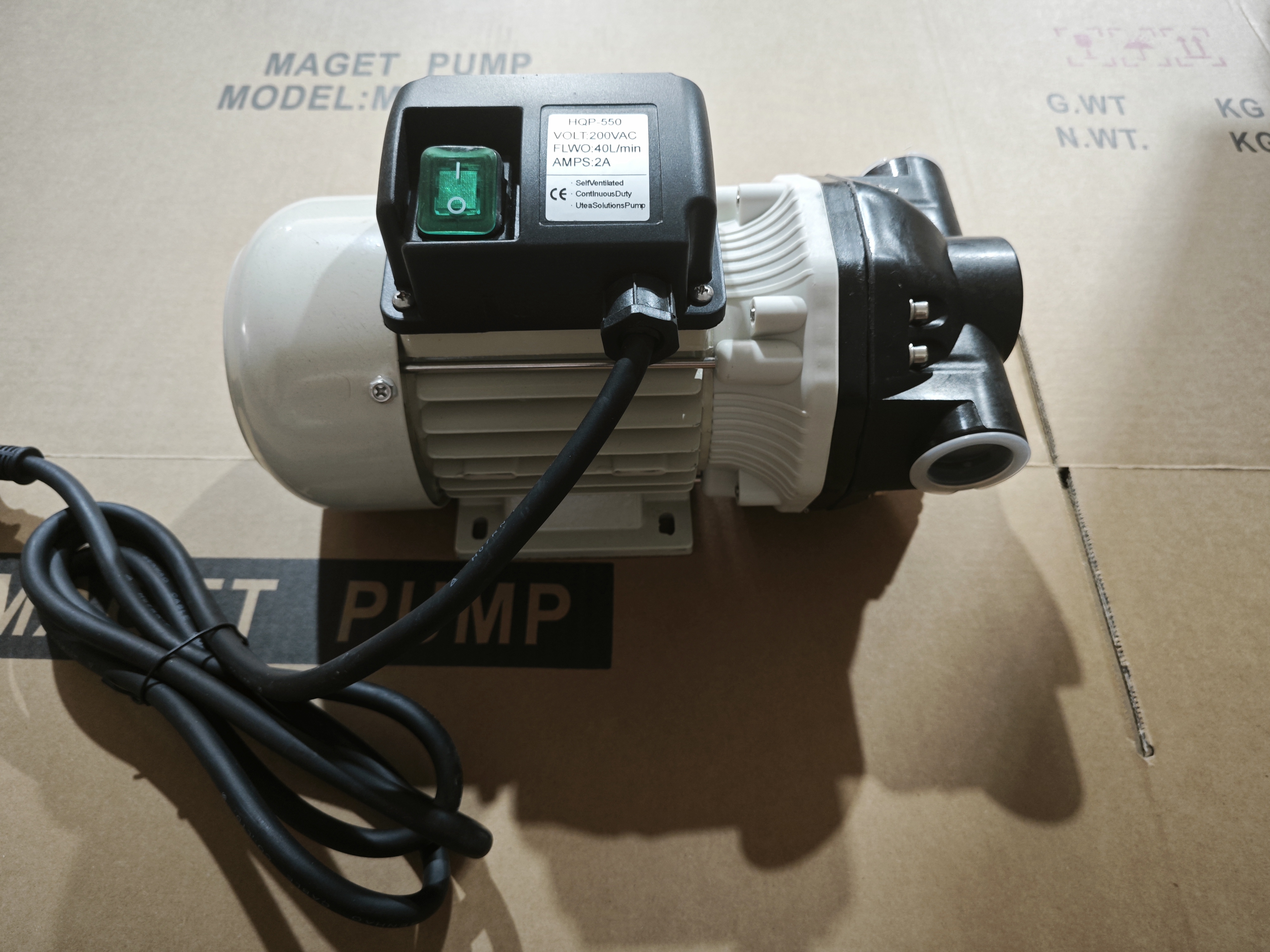
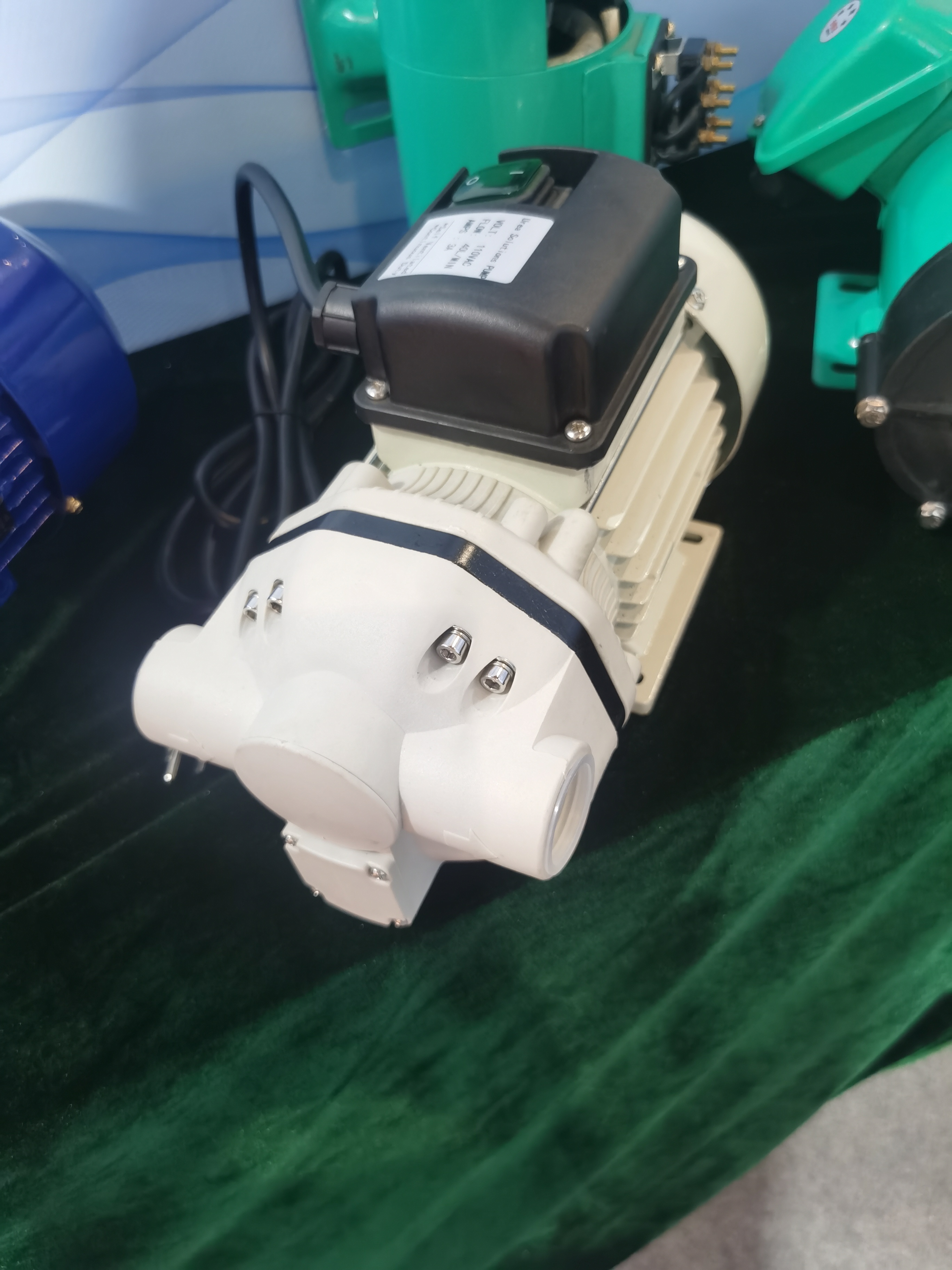
urea dosing pump
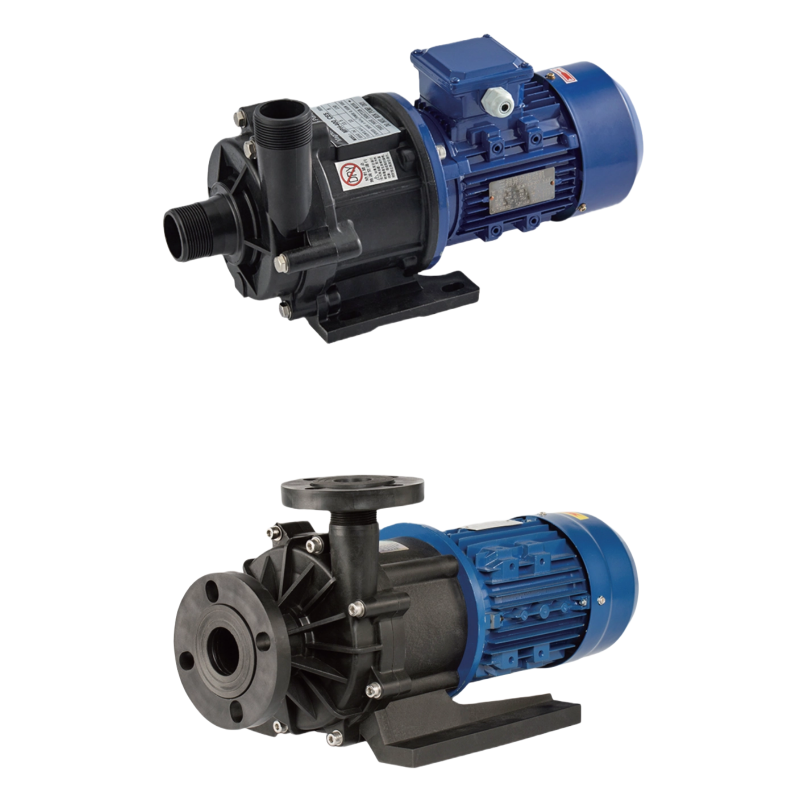
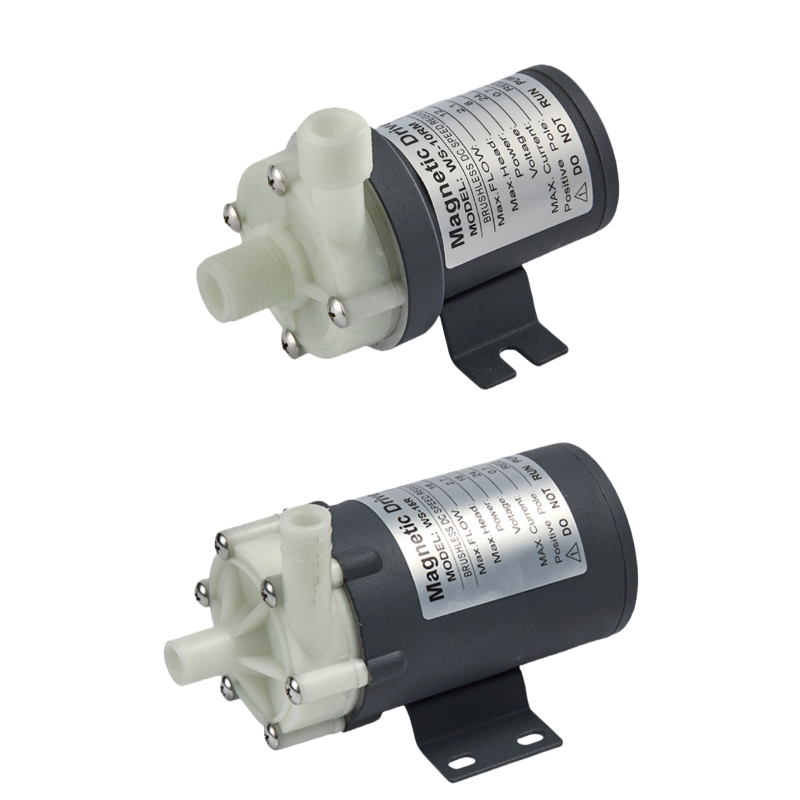
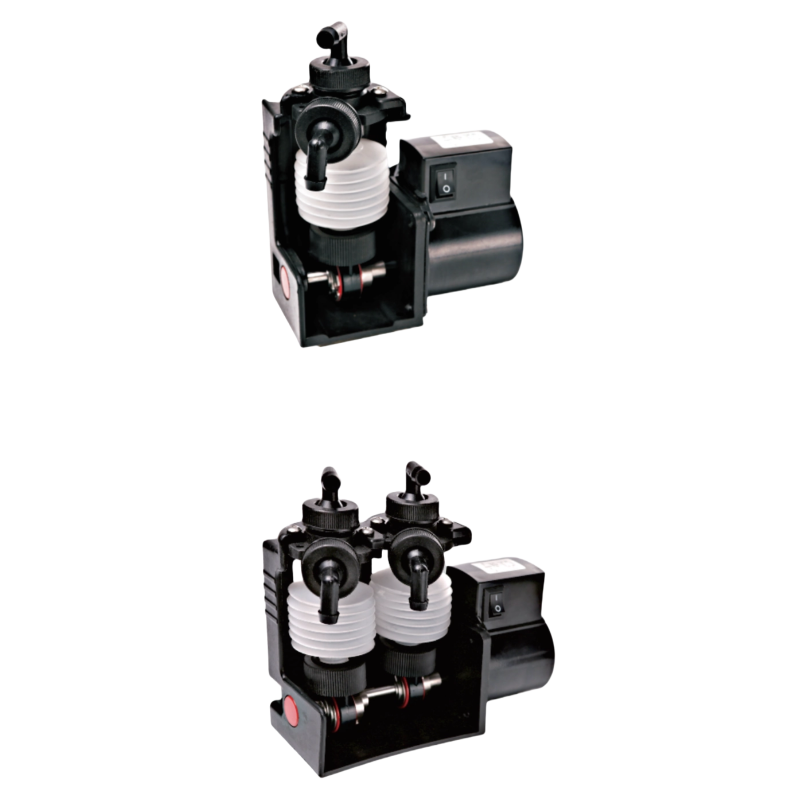
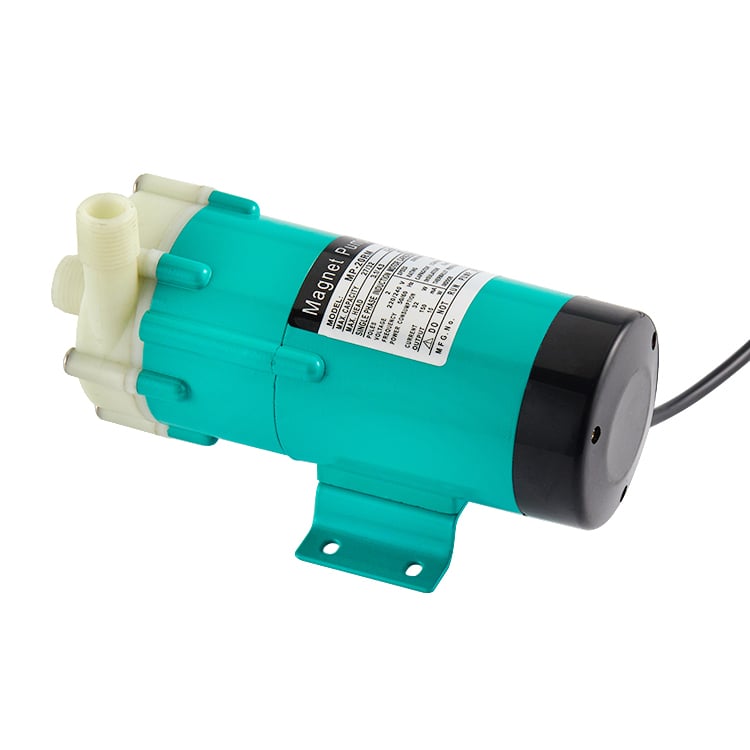
A urea dosing pump is a precision injection system designed to deliver urea solution accurately into exhaust streams for selective catalytic reduction (SCR) processes. This advanced equipment plays a critical role in reducing nitrogen oxide emissions from diesel engines and industrial applications. The urea dosing pump operates by drawing urea solution from a storage tank and injecting it in controlled quantities into the exhaust system before the catalytic converter. The urea reacts with nitrogen oxides, converting them into harmless nitrogen and water vapor. Modern urea dosing pump systems utilize electronic controls and sensors to monitor injection rates, ensuring optimal performance and compliance with environmental regulations. The technology features durable components built to withstand high temperatures and corrosive environments typical of exhaust systems. A urea dosing pump incorporates sophisticated pressure regulation and flow measurement capabilities to maintain consistent injection patterns. The system typically operates under pressures ranging from 3 to 10 bar, depending on specific engine requirements. Quality urea dosing pump units integrate heating elements to prevent solution crystallization during cold weather operation. These pumps are engineered with reliability in mind, offering long service life and minimal maintenance requirements. The urea dosing pump connects seamlessly with vehicle or equipment management systems through communication protocols, enabling real-time monitoring and diagnostics. Applications span heavy-duty trucks, commercial vehicles, industrial power generators, and marine engines across multiple continents.

 EN
EN