 EN
EN
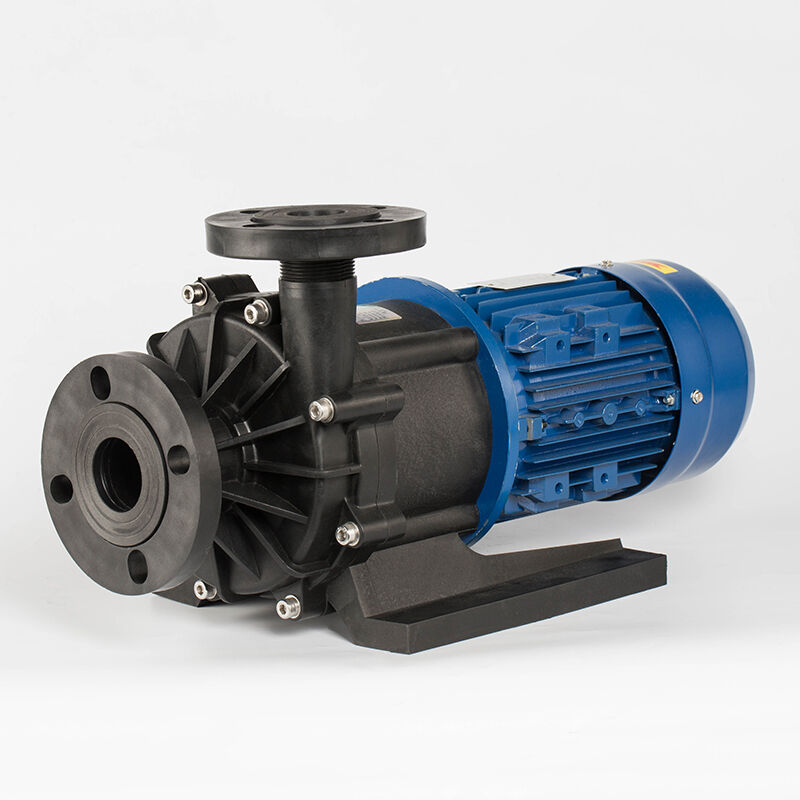
Selecting the right corrosive pump for your industrial application is crucial for ensuring operational efficiency, safety, and long-term cost-effectiveness. Chemical processing facilities, wastewater treatment plants, and manufacturing operations across various industries rely heavily on specialized pumping equipment to handle aggressive fluids that would quickly destroy conventional pumps. A properly chosen corrosive pump not only protects your valuable equipment investment but also minimizes maintenance downtime and prevents costly leaks or failures that could impact production schedules. Understanding the key factors that influence pump selection will help you make an informed decision that serves your facility's needs for years to come.
Understanding Corrosive Fluid Characteristics
Chemical Compatibility Assessment
Before selecting any corrosive pump, conducting a thorough chemical compatibility assessment is essential for preventing premature failure and ensuring safe operation. Different chemicals exhibit varying levels of aggressiveness toward materials, with some causing rapid degradation while others may create slow, insidious damage over time. Acids, bases, solvents, and oxidizing agents each present unique challenges that require specific material considerations and design approaches. Temperature effects compound these challenges, as elevated temperatures typically accelerate chemical attack rates and can transform mildly corrosive substances into highly aggressive ones.
Material compatibility charts provide valuable guidance, but they represent general recommendations under standard conditions and may not account for your specific operational parameters. Consulting with chemical engineers and pump manufacturers helps identify potential incompatibilities that standard charts might overlook. Additionally, consider the presence of trace contaminants or additives in your process fluids, as these substances can significantly alter the corrosive behavior of the primary chemical components.
Concentration and Temperature Effects
Chemical concentration plays a critical role in determining the appropriate corrosive pump selection, as many substances exhibit non-linear corrosion rates with increasing concentrations. Dilute acids may require different material considerations compared to concentrated solutions, and some chemicals become more corrosive at specific concentration ranges. Temperature variations throughout your process cycle also influence material selection, as thermal cycling can create stress patterns that accelerate corrosion and mechanical failure.
Process temperature fluctuations require careful consideration of thermal expansion coefficients and potential stress concentration points within the pump design. High-temperature applications may necessitate specialized sealing systems and bearing arrangements to maintain reliable operation. Cold applications present their own challenges, including potential freezing, increased viscosity, and brittle failure modes in certain materials.
Material Selection Criteria
Metallic Construction Options
Stainless steel grades offer excellent corrosion resistance for many applications, with 316L providing superior performance against chlorides and organic acids compared to standard 304 grades. Duplex and super duplex stainless steels deliver enhanced strength and pitting resistance, making them suitable for demanding offshore and chemical processing applications. Hastelloy alloys excel in highly corrosive environments involving hydrochloric acid, sulfuric acid, and mixed acid conditions where standard stainless steels would fail rapidly.
Titanium construction provides exceptional resistance to chlorine-containing environments and oxidizing acids, though its higher cost limits applications to critical services where alternative materials prove inadequate. When specifying metallic corrosive pump construction, consider not only the wetted components but also fasteners, gaskets, and auxiliary components that may contact the process fluid during maintenance operations.
Non-Metallic Alternatives
Fluoropolymer-lined pumps offer outstanding chemical resistance across a broad range of corrosive fluids while providing cost-effective solutions for many applications. PTFE, PFA, and ETFE linings each provide specific advantages depending on temperature requirements and mechanical stress considerations. Thermoplastic construction using materials like PVDF, PP, and CPVC delivers excellent performance for lower-temperature applications while offering significant cost advantages over metallic alternatives.
Composite materials incorporating glass fiber reinforcement provide enhanced mechanical strength while maintaining chemical resistance properties. These materials often represent optimal solutions for applications requiring both corrosion resistance and structural integrity under varying pressure conditions. Proper installation and handling procedures are critical for non-metallic corrosive pump components to prevent damage during assembly and operation.
Pump Design Configurations
Magnetic Drive Technology
Magnetic drive pumps eliminate the need for mechanical seals by using magnetic coupling to transfer power from the motor to the impeller, providing inherent leak-free operation for corrosive applications. This design approach significantly reduces maintenance requirements and eliminates the risk of seal failure that could result in hazardous fluid releases. The absence of dynamic sealing points makes magnetic drive systems particularly attractive for toxic or environmentally sensitive applications where even minor leakage is unacceptable.
Proper sizing of magnetic drive systems requires careful consideration of starting torque requirements and potential deadheading conditions that could cause magnet decoupling. Heat generation within the magnetic coupling necessitates adequate cooling flow to prevent overheating and permanent magnet damage. Modern corrosive pump designs incorporate temperature monitoring and automatic shutdown features to protect against thermal damage.
Mechanical Seal Arrangements
Double mechanical seal systems provide enhanced reliability for corrosive pump applications by incorporating a barrier fluid system that prevents process fluid contact with the atmosphere. API 682 standards define various seal arrangements suitable for different service conditions, with Plan 53A and Plan 53B representing common configurations for corrosive services. Barrier fluid selection requires compatibility with both the process fluid and seal face materials to prevent contamination or chemical reactions.
Cartridge seal designs simplify installation and maintenance procedures while ensuring proper seal positioning and loading. Face material selection for corrosive applications typically involves silicon carbide, tungsten carbide, or specialized ceramic compositions that resist chemical attack and provide extended service life. Proper seal flush and cooling arrangements help maintain optimal operating conditions and prevent thermal damage to seal faces.
Performance Specifications
Flow Rate and Head Requirements
Accurate determination of flow rate requirements involves analyzing both normal operating conditions and potential upset scenarios that may require higher capacity. System head calculations must account for static head, friction losses, and any pressure requirements at the discharge point. Corrosive pump selection should provide adequate margin above the required duty point while avoiding excessive oversizing that could lead to operational problems.
Variable speed drive systems offer flexibility in matching pump performance to changing process requirements while optimizing energy consumption. When handling corrosive fluids, minimum flow requirements become critical to prevent overheating and ensure adequate cooling of internal components. Proper system design includes recirculation provisions to maintain minimum flow conditions during low-demand periods.
NPSH and Suction Conditions
Net Positive Suction Head (NPSH) calculations for corrosive pump applications must consider the effects of temperature and vapor pressure on the specific fluids being handled. Elevated temperatures reduce NPSH available while increasing the risk of cavitation damage, which can be particularly destructive when combined with corrosive attack. Proper suction line design minimizes friction losses and eliminates potential vapor lock conditions that could damage pump components.
Suction stabilizers and pulsation dampeners help maintain steady flow conditions and reduce stress on pump internals when handling fluids with varying properties. Installation of suction strainers protects against debris while ensuring adequate cleaning and maintenance access. Consider the potential for crystallization or precipitation in suction lines when handling saturated solutions or temperature-sensitive chemicals.
Installation and Maintenance Considerations
Piping and Support Systems
Proper piping design for corrosive pump installations requires careful attention to thermal expansion, vibration control, and accessibility for maintenance operations. Piping materials must maintain compatibility with the pumped fluid while providing adequate structural support for the connected equipment. Expansion joints and flexible connections accommodate thermal movement while preventing excessive stress transmission to the pump casing.
Foundation design must account for dynamic forces generated during pump operation and provide adequate vibration isolation to prevent structure-borne noise transmission. Proper grout installation ensures uniform load distribution and prevents stress concentrations that could lead to casing distortion. Access platforms and lifting provisions facilitate safe maintenance operations while meeting applicable safety codes and standards.
Monitoring and Control Systems
Comprehensive monitoring systems for corrosive pump applications typically include vibration analysis, temperature measurement, and flow rate indication to detect developing problems before catastrophic failure occurs. Seal face leak detection systems provide early warning of mechanical seal deterioration and allow for planned maintenance scheduling. Process parameter monitoring helps optimize pump operation and extends component service life through proper operational control.
Remote monitoring capabilities enable predictive maintenance strategies and reduce the need for personnel exposure to hazardous environments during routine inspections. Data logging systems track performance trends and help identify optimal maintenance intervals based on actual operating conditions rather than arbitrary time schedules. Integration with plant control systems allows for automated shutdown and alarm functions that protect equipment and personnel safety.
Cost Analysis and Selection Process
Initial Investment Considerations
Evaluating the total cost of ownership for a corrosive pump involves analyzing initial purchase price, installation costs, and projected maintenance expenses over the equipment's expected service life. Higher-quality materials and advanced design features typically require greater initial investment but often provide superior long-term value through reduced maintenance requirements and extended service intervals. Energy efficiency considerations become particularly important for continuously operating applications where power costs represent a significant portion of operating expenses.
Spare parts availability and pricing should factor into the selection process, as specialized corrosive pump components may require longer lead times or higher costs compared to standard industrial equipment. Standardization on specific pump models and manufacturers can provide economies of scale for spare parts inventory and maintenance training. Consider the availability of local service support and the manufacturer's technical assistance capabilities when evaluating different options.
Lifecycle Cost Optimization
Predictive maintenance strategies help optimize corrosive pump performance while minimizing unexpected downtime and emergency repair costs. Condition monitoring technologies enable maintenance scheduling based on actual equipment condition rather than arbitrary time intervals, resulting in improved reliability and cost control. Proper operator training reduces the risk of operational errors that could damage equipment or compromise safety systems.
Energy efficiency improvements through proper pump sizing and variable speed control can provide significant cost savings over the equipment's operational life. Regular performance testing and optimization ensure that the corrosive pump continues to operate at peak efficiency as system conditions change over time. Documentation of maintenance activities and performance data supports informed decision-making for future equipment upgrades or replacements.
FAQ
What are the most important factors to consider when selecting a corrosive pump for chemical processing applications
The most critical factors include chemical compatibility assessment, material selection based on fluid characteristics, proper flow rate and head calculations, and consideration of temperature effects on both the pumped fluid and pump materials. Additionally, evaluate mechanical seal arrangements or magnetic drive options, NPSH requirements, and long-term maintenance accessibility. Consider the total cost of ownership including initial investment, energy consumption, maintenance costs, and spare parts availability over the expected equipment service life.
How do I determine the appropriate materials of construction for handling specific corrosive fluids
Start with chemical compatibility charts provided by material suppliers and pump manufacturers, but verify these recommendations against your specific operating conditions including temperature, concentration, and pressure. Consult with materials engineers and conduct laboratory testing if necessary, especially for mixed chemicals or unusual operating conditions. Consider not only wetted components but also gaskets, fasteners, and auxiliary parts that may contact the fluid during maintenance. Account for potential contamination or trace elements that could alter corrosion behavior.
What are the advantages and disadvantages of magnetic drive versus mechanically sealed corrosive pumps
Magnetic drive pumps offer leak-free operation, reduced maintenance requirements, and elimination of seal failure risks, making them ideal for toxic or environmentally sensitive applications. However, they typically have higher initial costs, limited power transmission capability, and potential for magnet decoupling under adverse conditions. Mechanically sealed pumps provide higher efficiency and power handling capability at lower initial cost, but require more frequent maintenance and present potential leakage risks that require proper monitoring and containment systems.
How can I optimize the performance and extend the service life of my corrosive pump system
Implement comprehensive monitoring systems including vibration analysis, temperature measurement, and flow rate indication to detect developing problems early. Maintain proper operating conditions within manufacturer specifications, ensuring adequate minimum flow rates and appropriate suction conditions. Establish predictive maintenance schedules based on actual equipment condition rather than arbitrary time intervals. Provide proper operator training to prevent operational errors, and maintain detailed documentation of maintenance activities and performance trends to support informed decision-making for optimization opportunities.
Table of Contents
- Understanding Corrosive Fluid Characteristics
- Material Selection Criteria
- Pump Design Configurations
- Performance Specifications
- Installation and Maintenance Considerations
- Cost Analysis and Selection Process
-
FAQ
- What are the most important factors to consider when selecting a corrosive pump for chemical processing applications
- How do I determine the appropriate materials of construction for handling specific corrosive fluids
- What are the advantages and disadvantages of magnetic drive versus mechanically sealed corrosive pumps
- How can I optimize the performance and extend the service life of my corrosive pump system