
 EN
EN
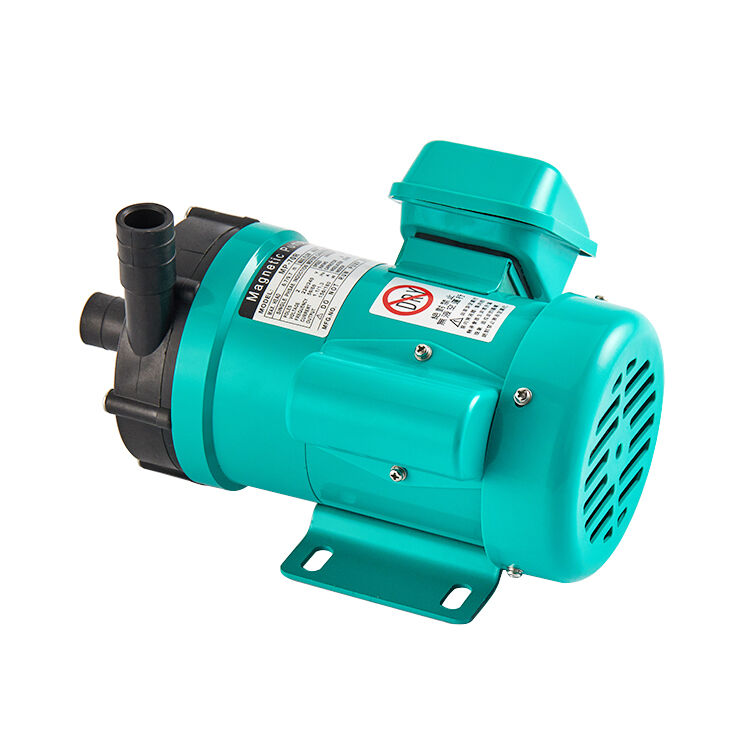
Selecting the right industrial pump is one of the most consequential decisions a facility manager, process engineer, or procurement specialist can make. The wrong choice leads to unplanned downtime, excessive maintenance costs, and compromised process integrity. With dozens of manufacturers competing across multiple pump technologies, understanding what separates a genuinely capable industrial pump brand from a mediocre one requires more than reading a product brochure — it demands a structured, expert-level evaluation framework.
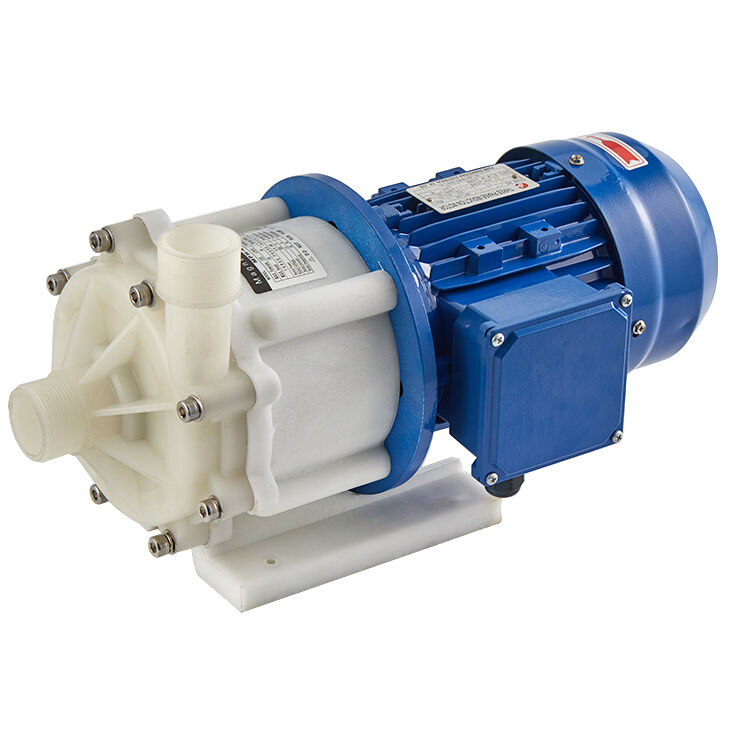
This expert review breaks down the critical dimensions that define industrial pump brand quality — from engineering depth and materials science to after-sales support and application versatility. Whether you are sourcing a centrifugal industrial pump for water treatment, a diaphragm industrial pump for chemical dosing, or a high-pressure industrial pump for hydraulic systems, the evaluation criteria remain consistent. Understanding these dimensions will help you make a confident, well-informed purchasing decision that serves your operation for years to come.
What Defines a Top-Tier Industrial Pump Brand
Engineering Pedigree and R&D Investment
The most reliable industrial pump brands share a common trait: sustained investment in research and development. This investment manifests in tighter manufacturing tolerances, more durable seal designs, and pump curves that hold their accuracy across a wide range of operating conditions. A brand that continuously refines its hydraulic geometry and impeller profiles will consistently outperform one that relies on legacy designs without iteration.
Engineering pedigree also shows up in how a brand handles edge cases — corrosive media, abrasive slurries, high-viscosity fluids, or extreme temperature differentials. A credible industrial pump manufacturer will have documented test data, not just marketing claims, to support performance specifications under these demanding conditions. When reviewing brands, always ask for third-party test certifications or independent performance validation reports.
Brands with dedicated application engineering teams are particularly valuable in complex industrial environments. These teams can model system curves, recommend optimal pump sizing, and identify potential cavitation risks before installation. This level of technical support is a strong differentiator and a reliable indicator of brand maturity in the industrial pump market.
Materials and Build Quality Standards
The material composition of an industrial pump directly determines its service life and suitability for specific media. Top brands offer a broad materials matrix — cast iron, stainless steel, duplex alloys, PTFE-lined components, and engineered polymers — and they are transparent about which materials are appropriate for which applications. A brand that offers only one or two material options is likely optimized for a narrow application range and may not be the right partner for diverse industrial environments.
Seal technology is another area where build quality separates leading brands from the rest. Mechanical seals, lip seals, and magnetic drive configurations each have specific strengths, and a reputable industrial pump brand will guide buyers through the tradeoffs rather than defaulting to the cheapest option. Seal failure is the leading cause of industrial pump downtime, so this is not an area where corners should be cut.
Casting quality, surface finish, and dimensional consistency across production batches are also meaningful quality signals. Brands that maintain ISO 9001 or equivalent quality management certifications demonstrate a systemic commitment to build consistency — which translates directly into predictable field performance and easier spare parts management.
Key Industrial Pump Technologies and Brand Specializations
Centrifugal Pump Expertise
Centrifugal pumps represent the largest segment of the industrial pump market, and the brands that excel in this category have typically invested decades in hydraulic modeling and impeller design optimization. The best centrifugal industrial pump brands offer end-suction, split-case, multistage, and vertical turbine configurations, giving buyers the flexibility to match pump geometry to system requirements rather than forcing a compromise.
Efficiency ratings are a critical evaluation point for centrifugal industrial pump brands. A pump operating at 65% hydraulic efficiency versus one at 80% efficiency represents a significant energy cost difference over a multi-year service life. Leading brands publish detailed efficiency curves and often provide energy consumption calculators to help buyers quantify lifecycle costs — not just upfront purchase price.
Noise and vibration characteristics are increasingly important in modern industrial facilities, particularly those with strict environmental or occupational health standards. Top centrifugal industrial pump brands invest in rotor balancing, bearing selection, and baseplate design to minimize vibration transmission, which also extends bearing and seal life significantly.
Positive Displacement and Diaphragm Pump Capabilities
Positive displacement industrial pump technologies — including gear pumps, lobe pumps, peristaltic pumps, and diaphragm pumps — require a different kind of engineering expertise than centrifugal designs. Brands that genuinely excel in this space understand the nuances of flow pulsation management, pressure relief valve integration, and the mechanical stresses associated with high-viscosity or high-pressure media.
Diaphragm industrial pump brands deserve particular attention in chemical processing, water treatment, and pharmaceutical applications. The diaphragm material — whether PTFE, EPDM, Santoprene, or neoprene — must be matched precisely to the chemical compatibility requirements of the process fluid. A brand with a comprehensive diaphragm materials guide and documented chemical resistance data is demonstrating the kind of application knowledge that protects buyers from costly compatibility failures.
High-pressure diaphragm industrial pump designs are especially demanding from an engineering standpoint. The hydraulic forces acting on the diaphragm at elevated pressures require robust backing plate geometry, precise stroke control, and reliable check valve performance. Brands that have validated their high-pressure industrial pump designs through extended field trials in demanding applications carry significantly more credibility than those relying solely on laboratory test data.
After-Sales Support and Spare Parts Ecosystem
Global Service Network and Technical Responsiveness
An industrial pump brand's after-sales infrastructure is as important as the pump itself. When an industrial pump fails in a critical process line, the speed and quality of technical support can mean the difference between a two-hour repair and a two-day shutdown. Brands with regional service centers, trained field technicians, and 24-hour technical hotlines provide a level of operational insurance that purely price-driven purchasing decisions often overlook.
Technical documentation quality is another meaningful indicator of brand seriousness. Comprehensive installation manuals, troubleshooting guides, exploded parts diagrams, and maintenance schedules reflect a brand's commitment to helping operators keep their industrial pump assets running efficiently. Brands that provide this documentation in multiple languages and formats — including digital platforms — are better positioned to support global industrial operations.
Factory training programs and authorized service partner networks extend a brand's support reach into markets where direct service presence may be limited. When evaluating an industrial pump brand for a long-term supply relationship, it is worth mapping the brand's service coverage against your facility locations to identify any potential support gaps before they become operational problems.
Spare Parts Availability and Interchangeability
Spare parts availability is a frequently underestimated factor in industrial pump brand selection. A pump that performs well initially but requires proprietary components with long lead times creates a hidden operational risk. Leading industrial pump brands maintain strategic spare parts inventories, publish clear parts numbering systems, and in many cases design their components to be interchangeable across pump families to simplify stocking requirements.
The total cost of ownership calculation for any industrial pump must include spare parts pricing, availability, and the labor time required for replacement. Brands that design for maintainability — with accessible seal chambers, standardized bearing sizes, and tool-free inspection access — reduce both parts costs and maintenance labor hours over the pump's service life.
Some industrial pump brands also offer predictive maintenance programs, leveraging vibration monitoring, temperature sensing, and flow data to anticipate component wear before failure occurs. This kind of proactive support model represents the leading edge of industrial pump brand value propositions and is increasingly relevant as industrial facilities move toward condition-based maintenance strategies.
Application Versatility and Industry Certifications
Cross-Industry Application Range
The most respected industrial pump brands have demonstrated performance across multiple industries — oil and gas, chemical processing, water and wastewater, food and beverage, pharmaceuticals, mining, and power generation. This cross-industry track record is not just a marketing point; it reflects the engineering depth required to handle diverse media types, pressure ranges, temperature extremes, and regulatory environments.
Application versatility also signals a brand's ability to support customers as their operations evolve. A facility that starts with a water treatment application may later need an industrial pump solution for chemical injection or slurry transfer. Working with a brand that has proven capability across these application types reduces the complexity of managing multiple supplier relationships and ensures consistent technical support standards.
Industry-specific customization capability is another dimension of application versatility. Brands that can modify impeller trim, adjust shaft sealing configurations, or provide explosion-proof motor options without requiring entirely new pump models demonstrate the kind of engineering flexibility that complex industrial environments demand.
Regulatory Compliance and Third-Party Certifications
Regulatory compliance is non-negotiable in many industrial pump applications. ATEX certification for explosive atmospheres, FDA compliance for food-contact materials, NSF/ANSI standards for drinking water applications, and API 610 compliance for petroleum industry service are examples of the certification landscape that serious industrial pump brands must navigate. Brands that proactively maintain these certifications — and keep them current as standards evolve — demonstrate a commitment to market access and customer risk management.
Third-party performance testing by recognized bodies such as Hydraulic Institute or equivalent national standards organizations provides an independent validation layer that internal factory testing cannot replicate. When an industrial pump brand publishes third-party certified performance curves, buyers can trust that the published data reflects real-world performance rather than optimistic laboratory conditions.
Environmental certifications, including energy efficiency ratings and low-emission seal designs, are becoming increasingly important as industrial facilities face tighter sustainability mandates. Industrial pump brands that have invested in meeting these standards are better positioned to support customers in regulated markets and contribute to corporate sustainability reporting requirements.
FAQ
What is the most important factor when choosing an industrial pump brand?
The most important factor is alignment between the brand's technical capabilities and your specific application requirements. This includes media compatibility, pressure and flow specifications, materials of construction, and the availability of after-sales support in your region. A brand with strong engineering depth and a proven track record in your industry is generally a safer long-term choice than one selected purely on initial purchase price.
How do I evaluate the reliability of an industrial pump brand?
Reliability evaluation should include reviewing third-party performance certifications, requesting references from existing customers in similar applications, assessing the brand's spare parts availability and lead times, and examining the quality of their technical documentation. Brands that are transparent about their manufacturing processes, quality management systems, and field performance data are generally more reliable partners than those that rely solely on marketing materials.
Are diaphragm industrial pump brands suitable for chemical applications?
Yes, diaphragm industrial pump designs are widely used in chemical applications because they offer leak-free operation, excellent chemical resistance when the correct diaphragm material is selected, and precise flow control. The key is matching the diaphragm material and wetted component materials to the specific chemical being handled. Reputable industrial pump brands will provide detailed chemical compatibility charts and application engineering support to ensure the correct configuration is selected.
What certifications should a credible industrial pump brand hold?
The relevant certifications depend on the application, but commonly important ones include ISO 9001 for quality management, ATEX or IECEx for hazardous area use, API 610 for petroleum industry service, NSF/ANSI for potable water contact, and FDA compliance for food and pharmaceutical applications. Energy efficiency ratings and environmental certifications are increasingly relevant as sustainability requirements tighten across industrial sectors. Always verify that certifications are current and applicable to the specific industrial pump model you are considering.