 EN
EN
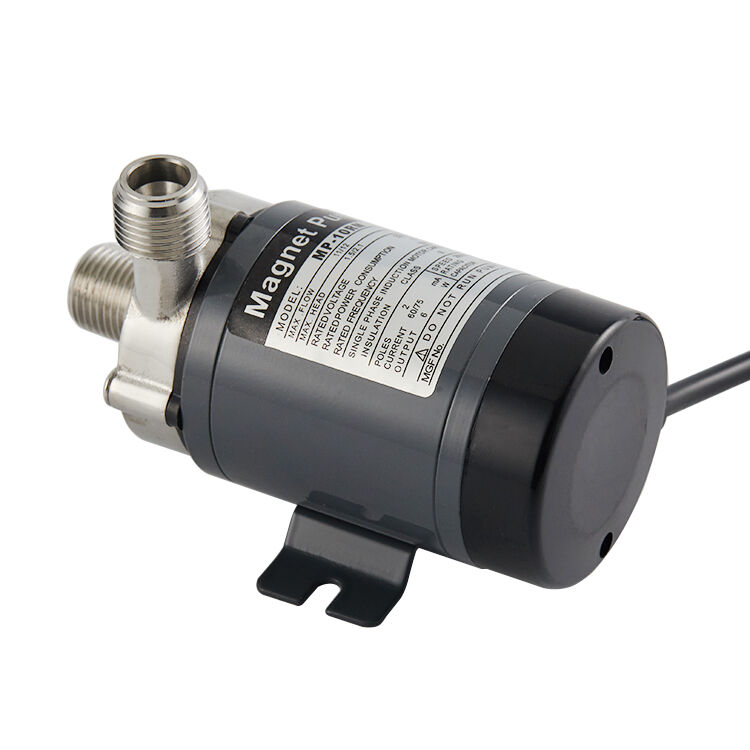
Beer pumps are essential components in breweries, bars, and beverage distribution systems, responsible for transferring beer from storage tanks to dispensing points. When a beer pump malfunctions, it can disrupt operations, affect product quality, and lead to significant financial losses. Understanding common issues and their solutions helps maintain optimal performance and ensures consistent beverage delivery throughout your establishment.
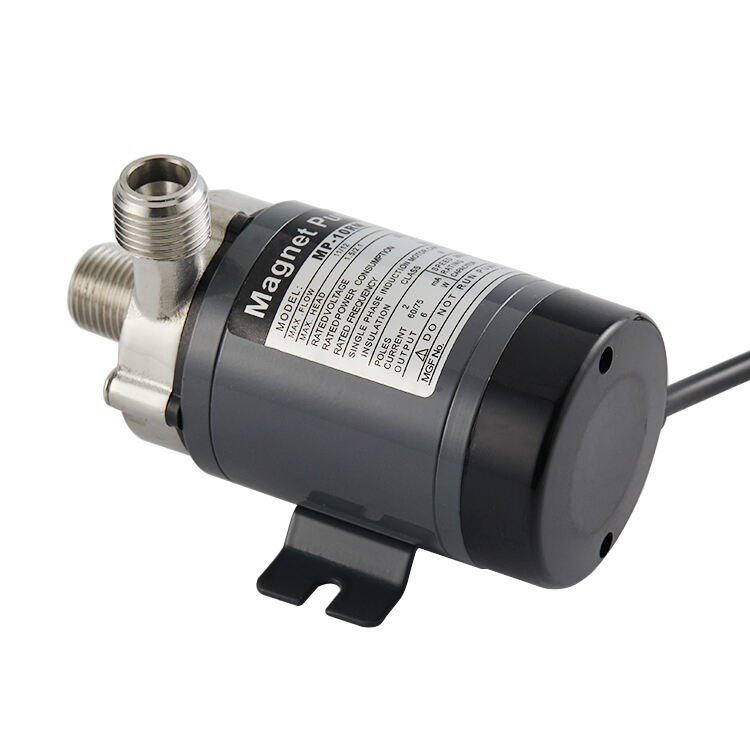
Modern brewing operations rely heavily on efficient pumping systems to maintain product integrity and operational efficiency. Whether you're managing a craft brewery or a large-scale commercial operation, recognizing early warning signs of pump problems can prevent costly downtime and maintain the quality standards your customers expect.
Mechanical Failures in Beer Pump Systems
Seal and Gasket Deterioration
One of the most frequent issues affecting beer pump performance involves the deterioration of seals and gaskets within the system. These components are exposed to various chemicals, temperature fluctuations, and constant pressure changes that can cause them to crack, harden, or lose their elasticity over time. When seals fail, the beer pump experiences reduced efficiency and potential contamination risks.
Signs of seal failure include visible leaks around pump connections, decreased flow rates, and unusual pressure readings. Regular inspection of these components should be part of your maintenance routine, as early detection can prevent more extensive damage to other pump parts. Quality replacement seals designed for brewery applications will restore proper function and extend equipment life.
To prevent premature seal failure, ensure your beer pump operates within manufacturer-specified temperature and pressure ranges. Additionally, using food-grade lubricants during installation and maintenance helps preserve seal integrity and reduces wear from friction.
Impeller and Motor Issues
The impeller assembly represents the heart of most centrifugal beer pump systems, and problems here can significantly impact performance. Common impeller issues include wear from abrasive particles, corrosion from acidic cleaning solutions, or damage from cavitation when the pump operates outside optimal parameters.
Motor problems often manifest as unusual vibrations, overheating, or complete failure to start. These issues may result from electrical problems, bearing wear, or contamination entering the motor housing. A properly functioning beer pump should operate smoothly without excessive noise or vibration.
Regular motor maintenance includes checking electrical connections, monitoring bearing condition, and ensuring adequate cooling airflow. When impeller replacement becomes necessary, selecting components with appropriate materials for brewery applications ensures longevity and maintains sanitary conditions.
Flow Rate and Pressure Problems
Reduced Flow Capacity
Decreased flow rates represent one of the most noticeable beer pump problems, often indicating underlying issues that require immediate attention. Causes range from clogged filters and blocked lines to worn internal components that no longer maintain proper clearances. This problem directly affects production schedules and customer service in dispensing applications.
Systematic troubleshooting begins with checking upstream filters and strainers for blockages. Beer contains proteins and other organic materials that can accumulate over time, restricting flow through the system. Additionally, inspect all piping connections for partial obstructions or kinks that might limit fluid movement.
Internal wear within the beer pump assembly can also reduce flow capacity. Components like impeller vanes, housing walls, and wear rings develop clearances that allow internal recirculation rather than forward flow. Measuring flow rates regularly and comparing them to baseline performance helps identify gradual deterioration before it becomes critical.
Inconsistent Pressure Output
Pressure fluctuations in beer pump systems create various operational challenges, from foam formation to inconsistent dispensing rates. These variations often stem from air entrainment, cavitation, or mechanical problems within the pump assembly. Maintaining stable pressure ensures consistent product quality and optimal system performance.
Air entering the system through loose connections or damaged seals disrupts smooth pump operation and creates pressure inconsistencies. This air can also cause oxidation issues that affect beer flavor and shelf life. Systematic leak detection using appropriate methods helps locate and eliminate air intrusion points.
Cavitation occurs when local pressure drops below the vapor pressure of the beer, forming vapor bubbles that collapse violently when pressure increases again. This phenomenon damages pump components and creates erratic pressure output. Ensuring adequate net positive suction head and avoiding excessive suction lifts prevents cavitation-related problems in your beer pump system.
Sanitation and Contamination Issues
Biofilm Formation
Biofilm development within beer pump systems poses serious contamination risks and can significantly impact product quality. These microbial communities form protective matrices that resist standard cleaning procedures, making complete removal challenging without proper protocols. Once established, biofilms can harbor pathogenic organisms and off-flavor producing bacteria.
Prevention strategies focus on eliminating conditions that promote biofilm formation. This includes maintaining proper cleaning frequencies, using appropriate sanitizing agents, and ensuring complete drainage between production runs. Dead zones within the beer pump design where flow stagnates provide ideal conditions for biofilm establishment.
Regular monitoring through microbiological testing helps detect early biofilm formation before it becomes problematic. When contamination occurs, enhanced cleaning procedures using specific enzymatic cleaners and extended contact times may be necessary to restore sanitary conditions in your beer pump system.
Cross-Contamination Prevention
Multi-product facilities face unique challenges in preventing cross-contamination between different beer styles or other beverages. Inadequate cleaning between product changeovers can transfer flavors, colors, or microorganisms that compromise product integrity. Proper protocols and equipment design minimize these risks.
Dedicated beer pump systems for different product categories eliminate cross-contamination risks but increase equipment costs and complexity. Alternatively, thorough cleaning and sanitization procedures between product runs can achieve similar results with shared equipment. Documentation of cleaning procedures ensures consistency and regulatory compliance.
Validation of cleaning effectiveness through testing residual proteins, sugars, or specific microorganisms confirms that your beer pump system is ready for the next product run. This verification step is particularly important in craft breweries producing diverse beer styles with distinct flavor profiles.
Electrical and Control System Failures
Motor Control Problems
Modern beer pump installations often incorporate sophisticated control systems that manage pump speed, pressure, and flow rates automatically. Failures in these electronic components can cause erratic pump behavior, inability to start, or protective shutdowns that interrupt production. Understanding common electrical issues helps maintain reliable operation.
Variable frequency drives used to control pump speed can experience programming errors, component failures, or interference from other electrical equipment. These devices require regular maintenance including firmware updates, connection inspections, and parameter verification to ensure proper beer pump operation.
Sensor failures in automated systems can provide incorrect feedback to control systems, leading to inappropriate pump responses. Pressure sensors, flow meters, and temperature monitors should be calibrated regularly and replaced according to manufacturer recommendations to maintain system accuracy.
Power Supply Issues
Electrical power problems can cause immediate beer pump failures or create conditions that lead to premature component wear. Voltage fluctuations, phase imbalances, and harmonic distortion all impact pump motor performance and longevity. Proper electrical installation and monitoring help prevent these issues.
Power quality monitoring reveals electrical conditions that might not cause immediate failures but reduce equipment life over time. Installing surge protection devices and voltage regulators protects sensitive electronic components from electrical disturbances common in industrial environments.
Regular electrical inspections should include connection tightness checks, insulation testing, and verification of protective device settings. These preventive measures help avoid unexpected failures that could disrupt beer pump operation during critical production periods.
Maintenance and Prevention Strategies
Scheduled Maintenance Programs
Implementing comprehensive maintenance schedules significantly reduces the frequency and severity of beer pump problems while extending equipment life. These programs should include daily inspections, periodic component replacements, and detailed performance monitoring to identify trends that indicate developing issues.
Daily maintenance tasks include visual inspections for leaks, unusual noises, or vibrations that might indicate problems. Recording operating parameters such as flow rates, pressures, and motor current helps establish baseline performance and detect gradual changes that warrant attention.
Periodic maintenance involves replacing wear items like seals, gaskets, and filters according to manufacturer recommendations or observed condition. Maintaining spare parts inventory for critical components ensures quick repairs when failures occur, minimizing production disruptions from beer pump problems.
Performance Monitoring and Diagnostics
Advanced monitoring systems can detect developing problems before they cause failures, allowing planned maintenance rather than emergency repairs. These systems track various parameters including vibration signatures, temperature patterns, and electrical characteristics that indicate component condition.
Trending analysis of beer pump performance data reveals gradual changes that might not be apparent during daily operations. This information helps optimize maintenance schedules and identify root causes of recurring problems that require design modifications or operational changes.
Regular performance testing under controlled conditions provides baseline data for comparison when problems arise. This testing should include flow rate measurements, pressure mapping, and efficiency calculations that characterize normal beer pump operation.
FAQ
What causes a beer pump to lose prime frequently
Frequent loss of prime typically results from air leaks in the suction line, inadequate net positive suction head, or problems with the pump's internal sealing. Check all connections on the suction side for tightness and inspect seals for damage. Ensure the suction line maintains proper slope and eliminate any high points where air can accumulate.
How often should beer pump seals be replaced
Seal replacement frequency depends on operating conditions, but generally ranges from 6 to 18 months in brewery applications. Factors affecting seal life include temperature extremes, cleaning chemical exposure, and operating hours. Monitor for early signs of seal failure such as minor leaks or pressure drops to optimize replacement timing.
Why does my beer pump create excessive foam during transfer
Excessive foam formation usually indicates cavitation, excessive agitation, or temperature issues during pumping. Reduce pump speed, increase suction pressure, or cool the beer before pumping. Check for partially blocked strainers or filters that create excessive pressure drops on the suction side.
What maintenance records should be kept for beer pump systems
Maintain detailed logs of all maintenance activities including seal replacements, cleaning procedures, performance measurements, and any problems encountered. Document operating parameters like flow rates and pressures to establish performance trends. Keep records of all spare parts used and their sources for quality traceability in brewery applications.