 EN
EN
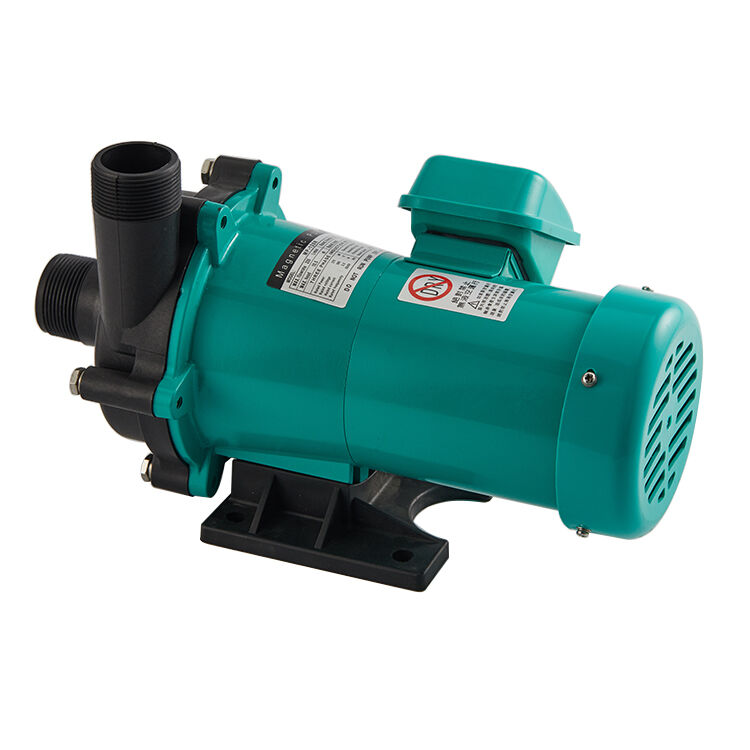
Industrial facilities handling aggressive chemicals and corrosive fluids face critical decisions when selecting pumping equipment. The wrong choice can lead to catastrophic failures, costly downtime, and safety hazards. Understanding the various corrosive pump options available helps engineers and facility managers make informed decisions that protect both equipment investments and operational safety. Modern corrosive pump technology offers numerous solutions designed to withstand harsh chemical environments while maintaining reliable performance over extended periods.
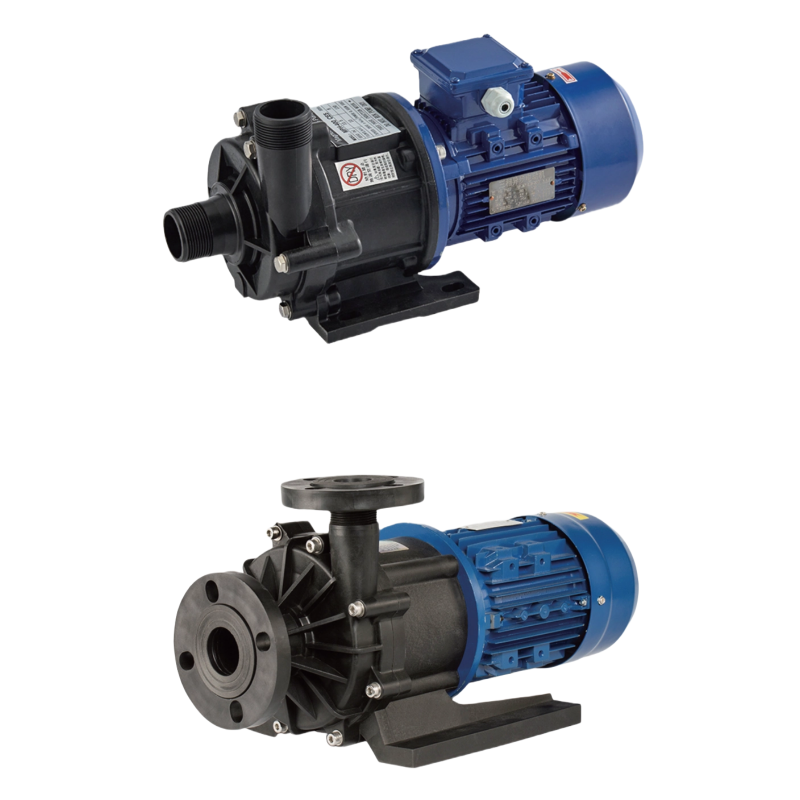
Chemical processing industries require specialized equipment capable of handling acids, bases, solvents, and other aggressive media without compromising structural integrity. A properly selected corrosive pump ensures consistent flow rates, minimizes maintenance requirements, and prevents environmental contamination. The selection process involves evaluating fluid characteristics, operating conditions, and long-term reliability requirements to identify the most suitable pumping solution for specific applications.
Understanding Corrosive Pump Materials and Construction
Stainless Steel Corrosive Pump Options
Stainless steel construction provides excellent resistance to many corrosive chemicals while offering mechanical strength and durability. Grade 316L stainless steel is commonly used in corrosive pump manufacturing due to its superior resistance to chlorides and acidic environments. The austenitic structure provides good ductility and weldability, making it suitable for complex pump geometries. However, stainless steel has limitations when exposed to highly concentrated acids or chlorinated compounds.
Duplex stainless steels offer enhanced strength and improved resistance to stress corrosion cracking compared to standard austenitic grades. These materials contain both austenite and ferrite phases, resulting in higher yield strength and better performance in challenging environments. A corrosive pump constructed from duplex stainless steel can handle higher pressures and temperatures while maintaining resistance to pitting and crevice corrosion.
Super duplex stainless steels represent the premium option for extreme corrosive applications. These alloys contain higher levels of chromium, nickel, and molybdenum, providing exceptional resistance to chloride-induced corrosion. The increased alloying content makes these materials more expensive but justifiable for critical applications where pump failure could result in significant consequences.
Fluoropolymer-Lined Pump Technology
Fluoropolymer linings provide exceptional chemical resistance across a broad spectrum of aggressive media. PTFE (polytetrafluoroethylene) linings offer virtually universal chemical compatibility, making them ideal for handling strong acids, bases, and organic solvents. The non-stick properties of PTFE prevent material buildup and facilitate easy cleaning, which is particularly valuable in pharmaceutical and food processing applications.
PFA (perfluoroalkoxy) linings combine the chemical resistance of PTFE with improved mechanical properties and higher temperature tolerance. This fluoropolymer can withstand temperatures up to 260°C while maintaining flexibility and impact resistance. A fluoropolymer-lined corrosive pump provides long service life and minimal maintenance requirements when properly installed and operated within design parameters.
ETFE (ethylene tetrafluoroethylene) linings offer excellent abrasion resistance while maintaining good chemical compatibility. This material is particularly suitable for applications involving particulate matter or slurries where traditional fluoropolymers might experience premature wear. The superior mechanical properties of ETFE make it an excellent choice for high-pressure corrosive pump applications.
Magnetic Drive Corrosive Pump Advantages
Sealless Design Benefits
Magnetic drive technology eliminates the need for mechanical seals, reducing the risk of leakage and environmental contamination. The hermetically sealed design prevents process fluids from escaping, making it ideal for handling toxic or environmentally sensitive chemicals. This sealless configuration significantly reduces maintenance requirements and extends equipment service life by eliminating seal wear and replacement cycles.
The magnetic coupling system transfers torque from the motor to the impeller without physical connection, creating a completely sealed fluid path. This design feature makes the corrosive pump particularly valuable for applications where zero leakage is mandatory. The absence of dynamic seals eliminates potential failure points and reduces the total cost of ownership through decreased maintenance and improved reliability.
Temperature management becomes critical in magnetic drive systems due to the eddy current losses in the magnetic coupling. Proper cooling and circulation design ensures the pump operates within acceptable temperature limits while maintaining magnetic coupling efficiency. Advanced magnetic materials and optimized coupling designs minimize heat generation and improve overall system performance.
Material Selection for Magnetic Components
Rare earth magnets provide high magnetic strength in compact configurations, enabling efficient torque transmission in corrosive pump applications. Neodymium magnets offer excellent performance but require protective coatings to prevent corrosion in aggressive environments. Samarium cobalt magnets provide superior temperature stability and corrosion resistance, making them suitable for high-temperature corrosive applications.
Containment shell materials must provide both magnetic transparency and chemical resistance. Hastelloy C-276 offers excellent corrosion resistance and magnetic permeability, making it suitable for demanding chemical applications. Inconel 625 provides good high-temperature performance and corrosion resistance for specialized corrosive pump requirements.
Ceramic materials like silicon carbide and tungsten carbide offer exceptional wear resistance for bearing and thrust surfaces in magnetic drive systems. These materials maintain dimensional stability and surface finish under abrasive conditions while providing long service life. Proper material selection for magnetic components ensures reliable operation and minimizes maintenance requirements throughout the pump lifecycle.
Centrifugal Corrosive Pump Design Considerations
Impeller Configuration and Performance
Open impeller designs facilitate easy maintenance and cleaning while accommodating fluids containing suspended solids. The open configuration reduces clogging tendencies and allows for easier inspection and replacement when necessary. However, open impellers typically operate with lower efficiency compared to closed designs due to recirculation losses at the impeller tips.
Closed impeller designs provide higher hydraulic efficiency and are suitable for clean corrosive fluids where maximum performance is required. The enclosed design minimizes internal recirculation and delivers better pressure generation capabilities. A properly designed closed impeller corrosive pump can achieve efficiencies exceeding 80% when operating at design conditions.
Semi-open impeller configurations offer a compromise between efficiency and maintenance accessibility. These designs provide good hydraulic performance while allowing for easier cleaning and maintenance compared to fully closed impellers. The partial shroud configuration reduces manufacturing complexity while maintaining acceptable efficiency levels for most corrosive pump applications.
Casing Design and Flow Characteristics
Volute casing designs convert kinetic energy from the impeller into pressure energy through gradually expanding cross-sectional areas. The spiral volute configuration provides smooth flow transition and minimizes hydraulic losses. Proper volute design ensures stable operation across the pump performance curve while maintaining good efficiency at various flow rates.
Diffuser-type casings use fixed guide vanes to convert velocity energy into pressure energy more efficiently than volute designs. This configuration is particularly beneficial for multistage corrosive pump applications where pressure requirements exceed single-stage capabilities. The guided flow path reduces turbulence and improves overall pump efficiency.
Split casing designs facilitate maintenance and inspection by allowing access to internal components without disconnecting piping systems. The horizontal split configuration enables easy removal of the upper casing half for routine maintenance tasks. This design feature significantly reduces maintenance time and costs for large corrosive pump installations.
Positive Displacement Corrosive Pump Technologies
Diaphragm Pump Applications
Air-operated double diaphragm pumps provide excellent chemical compatibility and self-priming capabilities for corrosive fluid handling. The reciprocating action creates suction and discharge cycles that can handle viscous fluids and accommodate varying inlet conditions. These pumps operate without electricity, making them safe for hazardous environments where explosion risks exist.
Diaphragm materials include PTFE, EPDM, and Viton, each offering specific chemical resistance properties. PTFE diaphragms provide universal chemical compatibility but have lower flexibility compared to elastomeric materials. A properly selected diaphragm material ensures long service life and reliable operation in corrosive pump applications while minimizing replacement frequency.
Pulsation dampeners help smooth flow irregularities inherent in reciprocating pump operation. These devices store energy during the discharge stroke and release it during the suction stroke, reducing system vibration and pressure fluctuations. Proper dampener sizing and installation improve system performance and extend component life in corrosive pump installations.
Peristaltic Pump Technology
Peristaltic pumps offer unique advantages for handling abrasive or shear-sensitive corrosive fluids through their gentle pumping action. The rotating mechanism compresses flexible tubing to create flow without exposing the fluid to metal components. This design eliminates contamination risks and provides excellent chemical compatibility when appropriate tubing materials are selected.
Tubing materials for peristaltic corrosive pump applications include silicone, EPDM, natural rubber, and specialized fluoropolymers. Each material offers specific advantages in terms of chemical resistance, temperature tolerance, and service life. Proper tubing selection based on fluid characteristics and operating conditions ensures optimal performance and minimizes replacement costs.
Flow rate control in peristaltic pumps is achieved through motor speed adjustment, providing precise dosing capabilities for chemical feed applications. The linear relationship between motor speed and flow rate enables accurate chemical addition and process control. This feature makes peristaltic technology particularly valuable for water treatment and chemical dosing corrosive pump applications.
Selection Criteria for Optimal Performance
Fluid Compatibility Assessment
Chemical compatibility evaluation requires comprehensive analysis of all fluid components, including active ingredients, byproducts, and cleaning agents. Concentration levels significantly impact material selection, as many materials that resist dilute solutions may fail when exposed to concentrated chemicals. Temperature effects must also be considered, as elevated temperatures can accelerate corrosion rates and reduce material performance.
pH levels provide critical information for corrosive pump material selection, but other factors like oxidizing potential and halide content are equally important. Strong oxidizing acids like nitric acid require different materials compared to reducing acids like hydrochloric acid. Comprehensive chemical analysis ensures appropriate material selection and prevents premature pump failure due to unexpected chemical interactions.
Contamination sources can introduce unexpected corrosive elements that affect pump performance and longevity. Process variations, cleaning procedures, and maintenance activities may expose the corrosive pump to different chemicals than originally specified. Robust material selection and regular monitoring help identify potential compatibility issues before they cause equipment damage.
Operating Condition Analysis
Temperature fluctuations create thermal stress in pump components and can affect material properties over time. Repeated thermal cycling may cause fatigue failures in welded joints or create leakage paths in mechanical connections. Proper material selection and design considerations help minimize thermal stress effects and ensure long-term reliability in variable temperature applications.
Pressure requirements determine structural design parameters and material thickness requirements for corrosive pump components. High-pressure applications may require special alloys or reinforced designs to maintain structural integrity while resisting chemical attack. Pressure testing and certification ensure the pump meets safety requirements and operates reliably within specified limits.
Flow rate variations affect pump performance and may influence material selection based on velocity effects. High fluid velocities can cause erosion-corrosion in certain materials, while low velocities may lead to stagnation and localized corrosion. Understanding flow characteristics helps optimize corrosive pump selection and installation for maximum service life and performance.
FAQ
What materials are most suitable for highly acidic applications
For highly acidic environments, fluoropolymer-lined pumps typically provide the best chemical resistance across the broadest range of acids. PTFE and PFA linings offer virtually universal acid compatibility, while Hastelloy C-276 and Inconel 686 provide excellent metallic alternatives for high-temperature applications. The specific acid concentration, temperature, and presence of oxidizing agents determine the optimal material selection for each corrosive pump application.
How do magnetic drive pumps compare to sealed centrifugal pumps in terms of efficiency
Magnetic drive pumps typically operate at 2-5% lower efficiency compared to equivalent sealed centrifugal pumps due to eddy current losses in the magnetic coupling. However, the elimination of seal leakage and reduced maintenance requirements often offset the efficiency penalty through improved reliability and reduced operating costs. The total cost of ownership analysis should consider both energy consumption and maintenance savings when comparing corrosive pump technologies.
What factors determine the service life of fluoropolymer linings
Service life of fluoropolymer linings depends on operating temperature, chemical exposure, mechanical stress, and installation quality. Temperatures approaching the material's thermal limit accelerate degradation, while chemical exposure to strong bases or certain organic compounds may cause swelling or cracking. Proper installation techniques, including surface preparation and curing procedures, significantly impact lining adhesion and longevity in corrosive pump applications.
When should positive displacement pumps be considered over centrifugal designs
Positive displacement pumps are preferred for applications requiring accurate flow control, high viscosity fluid handling, or self-priming capabilities. They excel when pumping shear-sensitive materials or when maintaining constant flow despite varying system pressures. Consider positive displacement corrosive pump technology when process requirements include precise chemical dosing, handling of viscous or non-Newtonian fluids, or operation with significant suction lift requirements that exceed centrifugal pump capabilities.