
 EN
EN
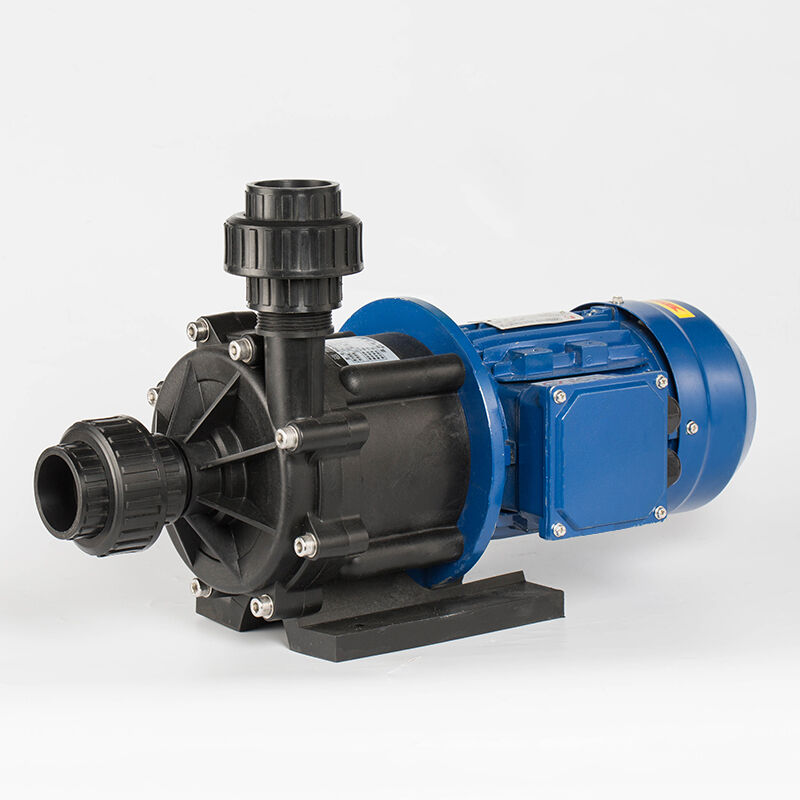
Selecting the right pump for handling aggressive chemicals is a critical decision that directly impacts worker safety, operational efficiency, and long-term maintenance costs. Industrial facilities processing acids, caustics, and other corrosive fluids face a fundamental choice: should they invest in a specialized corrosive pump or attempt to use a standard chemical pump? This decision becomes especially crucial when dealing with concentrated sulfuric acid, hydrochloric acid, sodium hydroxide, and other high-risk substances that can cause rapid equipment failure, catastrophic leaks, and workplace hazards. Understanding the material science, design differences, and safety performance characteristics between these two pump categories is essential for engineers, procurement managers, and facility operators who bear responsibility for both personnel protection and asset integrity.
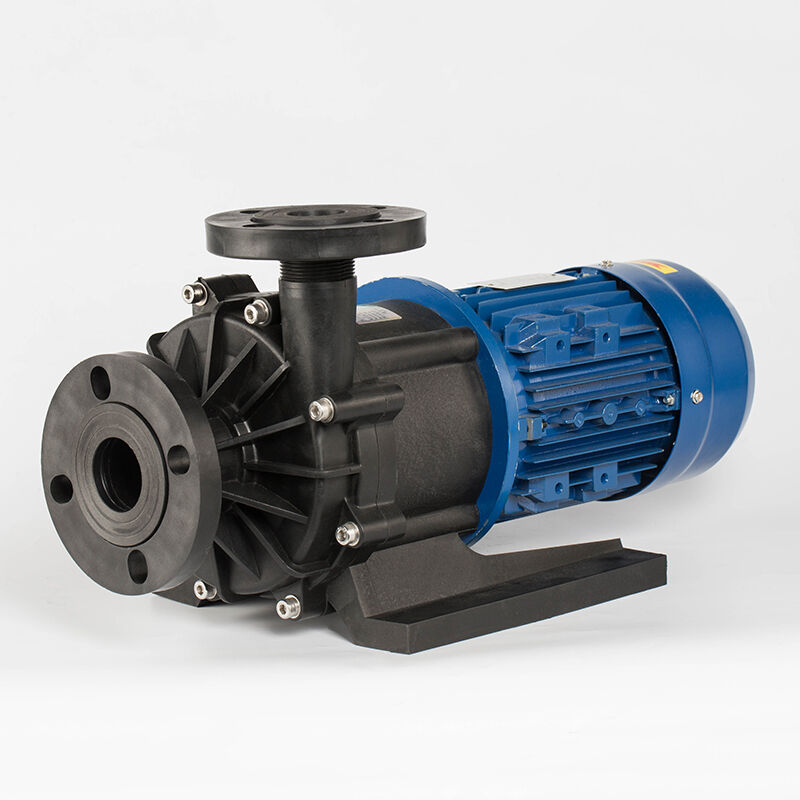
The answer to which pump handles acids and caustics more safely is not purely technical—it involves evaluating chemical compatibility limits, mechanical seal reliability under corrosive attack, material degradation rates, and the real-world consequences of pump failure in corrosive service. Standard chemical pumps are engineered for moderate chemical exposure and general industrial fluids, but they often lack the metallurgical resilience and protective design features required for sustained contact with aggressive corrosives. A corrosive pump, by contrast, is purpose-built with advanced materials such as high-grade fluoropolymers, titanium alloys, or ceramic composites that resist chemical attack, prevent leakage, and maintain structural integrity even under extreme pH conditions. This article examines the specific design attributes, material selection criteria, failure modes, and safety performance factors that distinguish these two pump types, providing decision-makers with the knowledge needed to choose the option that best protects people, processes, and profitability.
Material Engineering and Chemical Resistance Foundations
Metallurgical Limits of Standard Chemical Pumps
Standard chemical pumps typically employ materials such as cast iron, 304 or 316 stainless steel, and bronze components that provide adequate resistance to many industrial fluids including water, oils, solvents, and mild chemical solutions. These materials are selected based on cost-effectiveness and general-purpose suitability rather than specialized corrosion resistance. When exposed to strong acids like sulfuric acid at concentrations above forty percent or caustic solutions such as sodium hydroxide at elevated temperatures, these conventional materials experience accelerated corrosion rates that compromise pump integrity. The passive oxide layer that normally protects stainless steel can be breached by chloride ions in hydrochloric acid, leading to pitting corrosion, crevice corrosion, and stress corrosion cracking. Cast iron components react with acidic environments to form soluble iron salts, resulting in progressive material loss and eventual mechanical failure.
The mechanical seals and elastomeric gaskets used in standard chemical pumps are similarly vulnerable to chemical attack. Nitrile rubber, which performs adequately in petroleum applications, swells and degrades rapidly when exposed to concentrated acids or strong oxidizers. EPDM elastomers resist many alkaline solutions but fail quickly in aromatic solvents and acidic conditions. Even Viton, which offers broader chemical resistance, has limitations when confronted with concentrated acids at elevated temperatures or certain ester-based corrosives. These material vulnerabilities create safety risks because seal failure leads directly to hazardous fluid leakage, exposing workers to chemical burns, toxic vapors, and environmental contamination. Standard chemical pumps lack the comprehensive material specification rigor that corrosive service demands, making them fundamentally unsuitable for handling aggressive acids and caustics in industrial concentrations.
Advanced Materials in Corrosive Pump Construction
A corrosive pump is engineered from the ground up with materials selected specifically for their ability to withstand sustained exposure to aggressive chemicals without degradation. The wetted components—those parts in direct contact with the pumped fluid—are manufactured from specialized alloys and composites including Hastelloy C-276, titanium Grade 2, PVDF, PTFE, ceramic silicon carbide, and high-purity alumina. Hastelloy C-276, a nickel-molybdenum-chromium alloy, demonstrates exceptional resistance to both oxidizing and reducing acids, including sulfuric acid, hydrochloric acid, and phosphoric acid across a wide concentration and temperature range. Titanium offers outstanding resistance to chloride-induced corrosion and performs reliably in oxidizing acid environments where stainless steels fail rapidly.
Fluoropolymer materials such as PVDF and PTFE provide near-universal chemical resistance, making them ideal for pump casings, impellers, and shaft sleeves in corrosive pump designs. These materials exhibit virtually no chemical reactivity with acids, bases, solvents, and oxidizers, ensuring that fluid purity is maintained and no corrosion products contaminate the process stream. The mechanical seals in a corrosive pump utilize advanced face materials including silicon carbide versus silicon carbide or tungsten carbide combinations, paired with chemically resistant elastomers such as Kalrez or FFKM that maintain sealing integrity even when exposed to harsh chemicals at elevated temperatures. This comprehensive material engineering approach ensures that every component along the fluid path is protected against chemical attack, dramatically reducing the risk of unexpected failures, leaks, and safety incidents that plague standard chemical pumps operating beyond their design limits.
Long-Term Degradation Patterns and Safety Implications
The safety distinction between a corrosive pump and a standard chemical pump becomes starkly evident when examining long-term degradation patterns under actual service conditions. Standard chemical pumps exposed to corrosive fluids exhibit progressive deterioration that may not be immediately visible through routine inspections. Internal corrosion gradually thins casing walls, weakens impeller vanes, and erodes shaft surfaces, creating stress concentrations that can lead to sudden catastrophic failure. This degradation process is especially insidious because it proceeds at variable rates depending on fluid concentration, temperature, flow velocity, and the presence of abrasive particles or entrained gases. A pump that appears functional during a maintenance inspection may fail unexpectedly between service intervals, releasing large volumes of hazardous chemicals into the work environment.
Corrosive pump designs, by contrast, are built to maintain structural integrity throughout their entire service life when handling specified corrosive fluids. The corrosion-resistant materials do not degrade at measurable rates under normal operating conditions, meaning that the safety margin designed into the pump remains constant rather than eroding over time. This predictability is crucial for safety planning because it allows maintenance schedules to be based on wear mechanisms such as bearing life and seal aging rather than unpredictable chemical attack. The use of magnetic drive technology in many modern corrosive pump configurations eliminates the dynamic shaft seal entirely, removing a critical potential leak path and further enhancing safety. This design approach creates a hermetically sealed pumping chamber where the impeller is driven by magnetic coupling through a containment shell, ensuring that even if internal components wear, the corrosive fluid remains fully contained within the pump body with no risk of external leakage through a failed shaft seal.
Design Architecture and Safety-Critical Features
Seal Systems and Containment Integrity
The mechanical seal assembly represents the most vulnerable component in any chemical pump, and this vulnerability is magnified exponentially when handling corrosive fluids. Standard chemical pumps typically employ single mechanical seals with basic flush arrangements that may be adequate for benign fluids but provide insufficient protection in corrosive service. The seal faces, springs, and elastomers in these conventional designs experience rapid degradation when exposed to aggressive chemicals, leading to premature seal failure characterized by visible leakage along the shaft. Even minor leakage of concentrated acids or caustics poses serious safety risks, including chemical burns to maintenance personnel, vapor generation that may exceed workplace exposure limits, and potential for violent reactions if incompatible chemicals contact each other or reactive surfaces in the surrounding environment.
A properly specified corrosive pump addresses these seal vulnerabilities through multiple design strategies. Dual mechanical seal configurations with appropriate barrier fluid systems create redundant containment, ensuring that even if the primary seal begins to leak, the secondary seal prevents hazardous fluid from escaping to the atmosphere. The barrier fluid, selected to be chemically compatible and maintained at pressure slightly above the process fluid pressure, provides cooling, lubrication, and an immediate indication of primary seal degradation before external leakage occurs. For the most hazardous applications involving highly toxic or violently reactive corrosives, magnetic drive corrosive pump designs eliminate the dynamic seal entirely, replacing it with a static containment shell that separates the motor from the pumped fluid while allowing magnetic coupling to transmit rotational force. This sealless architecture fundamentally eliminates the most common cause of pump-related chemical releases, representing a quantum improvement in safety compared to standard chemical pump designs that rely solely on mechanical seals.
Containment Shell and Secondary Barriers
Beyond the primary wetted components, a corrosive pump incorporates secondary containment features that standard chemical pumps typically lack. The pump casing design includes provisions for detecting and containing small leaks before they escalate into major releases. Many corrosive pump models feature double-wall casing construction with leak detection ports that allow continuous monitoring for fluid migration through the primary barrier. This early warning capability enables proactive maintenance intervention, preventing minor seal weepage from developing into catastrophic seal failure. The casing materials themselves are selected not just for chemical resistance but also for their mechanical properties under corrosive attack, ensuring that even if some surface corrosion occurs, the structural integrity required to contain high-pressure fluids remains intact.
Standard chemical pumps operating in corrosive service often develop pinhole leaks, casing cracks, and seal housing erosion that go undetected until visible leakage occurs or pump performance degrades noticeably. By that point, significant chemical exposure may have already occurred, and the pump may require complete replacement rather than simple maintenance. The corrosive pump approach emphasizes prevention through material selection and detection through built-in monitoring capabilities, creating multiple layers of protection between hazardous chemicals and the surrounding environment. This defense-in-depth philosophy aligns with modern process safety management principles that recognize the inadequacy of single-barrier protection when dealing with high-consequence hazards such as concentrated acids and caustics.
Mechanical Design Adaptations for Corrosive Service
The internal mechanical design of a corrosive pump differs fundamentally from standard chemical pump architecture in ways that directly impact safety. Impeller geometry is optimized to minimize turbulence and reduce the velocity-accelerated corrosion that occurs when high-velocity corrosive fluids impact pump internals. The clearances between rotating and stationary components are carefully engineered to prevent the accumulation of crystallized chemicals or corrosion products that could cause seizure or mechanical failure. Shaft deflection is minimized through robust bearing systems and rigid shaft designs that prevent seal face distortion and maintain proper alignment even under hydraulic loading variations. These design refinements may seem minor individually, but collectively they determine whether a pump can reliably contain hazardous chemicals under real-world operating conditions that include flow variations, temperature fluctuations, and the occasional process upsets that occur in every industrial facility.
Standard chemical pumps often incorporate features optimized for cost reduction and broad applicability rather than corrosive service reliability. Impellers may be designed for maximum efficiency across various fluid types without consideration for the erosion-corrosion synergies that occur when abrasive particles are present in corrosive fluids. Bearing selections may prioritize standard industrial availability over the specialized requirements of corrosive atmosphere operation. Shaft materials and surface treatments may be adequate for clean water or mild chemicals but inadequate for preventing the pitting and stress corrosion cracking that corrosive fluids induce. These design compromises make standard chemical pumps fundamentally unsuitable for safe long-term operation in aggressive corrosive service, regardless of how frequently they are inspected or maintained. The corrosive pump, by contrast, is engineered specifically for this demanding application, incorporating the material selections, mechanical features, and safety systems necessary to protect workers and facilities from the hazards inherent in handling acids and caustics.
Operational Safety Performance and Failure Mode Analysis
Predictable Wear Versus Unpredictable Degradation
One of the most significant safety distinctions between a corrosive pump and a standard chemical pump lies in the predictability of their degradation patterns during service. A corrosive pump experiences wear mechanisms that are well-characterized and consistent: bearing degradation follows established time-to-failure distributions, seal faces wear at predictable rates based on operating hours and pressure-velocity products, and mechanical components experience fatigue according to established engineering principles. This predictability allows maintenance departments to implement condition-based monitoring programs that detect developing problems before they result in failures, enabling planned maintenance interventions that minimize safety risks and production disruptions. Vibration analysis can detect bearing deterioration, seal flush temperature monitoring can indicate seal degradation, and periodic performance testing can reveal internal wear that affects hydraulic efficiency.
Standard chemical pumps handling corrosive fluids, however, experience unpredictable chemical degradation that confounds conventional maintenance strategies. A pump casing that appears structurally sound during one inspection may develop a through-wall leak days later as localized corrosion penetrates the remaining wall thickness. An impeller that performs adequately may suddenly fracture as corrosion-induced stress risers propagate cracks through already-weakened material. Mechanical seals may fail abruptly when elastomers that have been gradually softening and swelling finally lose all sealing force. This unpredictability creates a fundamentally unsafe operating environment because traditional preventive maintenance programs based on calendar intervals or operating hours provide no assurance against sudden corrosion-related failures. The result is increased risk of unplanned chemical releases, emergency repairs under hazardous conditions, and potential for serious worker injuries during maintenance activities.
Leak Consequence Severity and Response Time
When pump failures occur in corrosive service, the consequences differ dramatically between properly specified corrosive pumps and standard chemical pumps operating beyond their design limits. A corrosive pump failure, when it does occur, typically manifests as gradual seal weepage that can be detected early through routine inspections or automated monitoring systems. The leak rates start small—perhaps a few drops per hour—providing ample time for controlled shutdown and repair before significant chemical release occurs. The containment features built into corrosive pump designs, including drip pans, leak detection systems, and secondary seals, ensure that even when the primary containment is compromised, hazardous fluids are captured and managed before they can cause harm. The corrosion-resistant materials maintain their structural integrity even as wear occurs, preventing catastrophic failures such as casing rupture or impeller disintegration that would release large volumes of chemicals instantaneously.
Standard chemical pump failures in corrosive service often occur suddenly and catastrophically because the corrosion damage that precipitates failure remains hidden until the final moment. A corroded impeller may operate normally until the remaining material thickness can no longer withstand the centrifugal forces, at which point it fragments violently, potentially rupturing the pump casing and releasing the entire casing volume of corrosive fluid in seconds. A corroded shaft may maintain adequate strength for torque transmission until a stress corrosion crack propagates to critical size, causing sudden shaft fracture and immediate seal failure with high-volume leakage. These failure modes provide little or no warning, leaving operators with seconds rather than minutes or hours to respond, evacuate personnel, and initiate emergency procedures. The safety implications are profound: rapid-onset failures in corrosive service can result in worker injuries, environmental releases, and production disruptions that far exceed the cost differential between a properly specified corrosive pump and an inadequate standard chemical pump.
Maintenance Safety and Reliability-Centered Considerations
The maintenance activities required to keep pumps operating safely differ substantially between corrosive pumps and standard chemical pumps in corrosive service, with direct implications for worker safety. Corrosive pumps are designed for maintainability, with features such as cartridge-style mechanical seals that can be replaced without extensive disassembly, back-pullout designs that allow impeller and seal removal without disturbing piping connections, and material selections that prevent galling and seizing of threaded connections. These design features minimize the time maintenance personnel must spend in close proximity to residual chemical hazards during repair activities. The predictable wear patterns of corrosive pumps also mean that maintenance can be planned during scheduled shutdowns when proper decontamination, ventilation, and safety precautions can be implemented systematically.
Standard chemical pumps subjected to corrosive service become increasingly difficult and dangerous to maintain as corrosion progresses. Threaded connections seize due to corrosion product buildup, requiring cutting and drilling for disassembly. Corroded casings may crack during removal from piping, releasing trapped process fluid. Bearing housings may be so deteriorated that removal of bearings becomes impossible without destroying the housing. These conditions force maintenance personnel to perform extensive work while exposed to chemical hazards, increasing the risk of chemical contact injuries, inhalation exposures, and accidental releases. The frequency of maintenance also increases as component degradation accelerates, multiplying the number of opportunities for maintenance-related incidents. From a safety perspective, the reliability advantages of a properly specified corrosive pump translate directly into reduced worker exposure to chemical hazards, fewer emergency repair situations, and better control over the conditions under which maintenance activities occur.
Application-Specific Selection and Risk-Based Decision Making
Chemical Concentration and Temperature Operating Windows
The decision between a corrosive pump and a standard chemical pump must be grounded in specific operating conditions rather than generic chemical categories. Many chemicals exhibit concentration-dependent corrosivity that makes material selection highly application-specific. Sulfuric acid, for example, is relatively mild to stainless steel at concentrations below ten percent and above ninety-five percent, but extremely aggressive in the fifty to seventy percent concentration range where oxidizing conditions prevail. A standard chemical pump with 316 stainless steel construction might provide adequate service for dilute or concentrated sulfuric acid, but would fail rapidly in the intermediate concentration regime. A corrosive pump specified with Hastelloy wetted components, by contrast, handles sulfuric acid safely across the entire concentration spectrum, eliminating the risk that concentration variations due to process upsets or seasonal changes will compromise pump integrity.
Temperature effects similarly determine whether a standard chemical pump can safely handle a particular corrosive fluid. Chemical reaction rates, including corrosion rates, roughly double with every ten-degree Celsius increase in temperature, meaning that a material combination adequate at ambient temperature may fail rapidly at elevated temperatures. Fluoropolymer materials in corrosive pumps maintain their chemical resistance across broad temperature ranges, while the elastomers and gasket materials in standard chemical pumps may soften, swell, or degrade at temperatures that still fall within the thermal capabilities of the metallic pump components. The safe selection criteria for corrosive pump applications must therefore include detailed specification of both chemical identity and concentration as well as minimum and maximum operating temperatures, ensuring that all materials along the fluid path remain chemically compatible under all anticipated operating conditions.
Process Criticality and Consequence Analysis
The appropriate pump selection must also reflect the consequences of pump failure in a particular application. A corrosive pump represents a higher initial investment compared to a standard chemical pump, but this cost differential must be evaluated against the potential losses from pump failure. In applications where the pumped corrosive fluid is extremely hazardous—such as concentrated hydrofluoric acid, oleum, or hot caustic solutions—the cost of a single failure incident including injury treatment, environmental remediation, production downtime, and regulatory penalties can easily exceed the entire capital cost of the pumping system. For such high-consequence applications, the corrosive pump is not just the safer choice but the only economically rational choice when total cost of ownership including risk costs is properly calculated.
Process criticality also influences appropriate pump selection. A corrosive transfer pump in a continuous process where unplanned downtime results in production losses of thousands of dollars per hour demands the reliability that only a properly specified corrosive pump can provide. A standard chemical pump might be acceptable for intermittent batch transfers of mildly corrosive solutions where pump failure would result in minor cleanup and minimal production impact. The decision framework should include formal risk assessment that quantifies both the probability of pump failure and the magnitude of consequences across safety, environmental, production, and regulatory dimensions. This risk-based approach ensures that pump selection aligns with the actual hazards and business requirements of each specific application rather than defaulting to lowest-first-cost options that may prove far more expensive over the equipment lifecycle.
Regulatory Compliance and Industry Standards
Regulatory requirements and industry standards increasingly mandate the use of properly specified corrosive pumps in applications involving hazardous chemicals. Process safety management regulations require that equipment be suitable for its intended service and that materials of construction be compatible with process chemicals. Using a standard chemical pump in corrosive service where it cannot maintain integrity throughout its design life constitutes a violation of these fundamental safety principles. Industry standards such as those published by the Hydraulic Institute, ASME, and API provide detailed guidance on material selection for corrosive service, and these standards consistently specify advanced materials and design features that define corrosive pumps rather than standard chemical pumps.
Insurance carriers and third-party auditors increasingly scrutinize equipment specifications in facilities handling hazardous chemicals, and the use of inadequate pump specifications can result in increased insurance premiums, coverage limitations, or requirements for additional risk mitigation measures. The documentation requirements for demonstrating compliance with safety regulations and industry standards are substantially simplified when pumps are properly specified as corrosive pumps with material certifications and design features appropriate for the service. This regulatory and standards landscape creates a strong case for specifying corrosive pumps in all applications involving truly corrosive chemicals, as the alternative approach of attempting to justify standard chemical pump use in corrosive service creates documentation burdens, compliance risks, and potential liability exposures that far outweigh any initial cost savings.
FAQ
What is the primary safety advantage of a corrosive pump over a standard chemical pump?
The primary safety advantage of a corrosive pump lies in its comprehensive use of materials specifically engineered to resist chemical attack from acids and caustics, preventing the degradation, leakage, and catastrophic failure modes that occur when standard chemical pumps are exposed to corrosive fluids beyond their material compatibility limits. This material integrity ensures reliable containment of hazardous chemicals throughout the pump's service life.
Can a standard chemical pump be upgraded with special seals to handle corrosive fluids safely?
While upgrading seals and gaskets can improve chemical resistance at containment interfaces, this approach does not address the fundamental vulnerability of wetted metallic components such as casings, impellers, and shafts that undergo progressive corrosion in aggressive chemical service. A truly safe corrosive fluid handling system requires that all wetted components be constructed from corrosion-resistant materials, not just the sealing elements, making a purpose-built corrosive pump the appropriate choice rather than attempting to retrofit a standard chemical pump.
How does chemical concentration affect the choice between corrosive pump and standard chemical pump?
Chemical concentration directly determines corrosivity levels and therefore material compatibility requirements. Some chemicals exhibit maximum corrosivity at intermediate concentrations rather than at full strength, meaning that apparently mild operating conditions may actually require corrosive pump specifications. A comprehensive chemical compatibility analysis considering specific concentration, temperature, and fluid velocity conditions is essential for proper pump selection, and when any uncertainty exists regarding corrosivity, the corrosive pump specification provides the safer choice.
What role does magnetic drive technology play in improving corrosive pump safety?
Magnetic drive technology eliminates the dynamic shaft seal that represents the most common leak path in conventional pump designs, replacing it with a hermetically sealed containment shell that prevents any process fluid from contacting the external environment. This sealless design fundamentally improves safety in corrosive service by removing the mechanical seal as a potential failure point, ensuring that even as internal components experience wear, the corrosive fluid remains completely contained within the pump body with zero risk of external leakage through seal failure.
Table of Contents
- Material Engineering and Chemical Resistance Foundations
- Design Architecture and Safety-Critical Features
- Operational Safety Performance and Failure Mode Analysis
- Application-Specific Selection and Risk-Based Decision Making
-
FAQ
- What is the primary safety advantage of a corrosive pump over a standard chemical pump?
- Can a standard chemical pump be upgraded with special seals to handle corrosive fluids safely?
- How does chemical concentration affect the choice between corrosive pump and standard chemical pump?
- What role does magnetic drive technology play in improving corrosive pump safety?