
 EN
EN
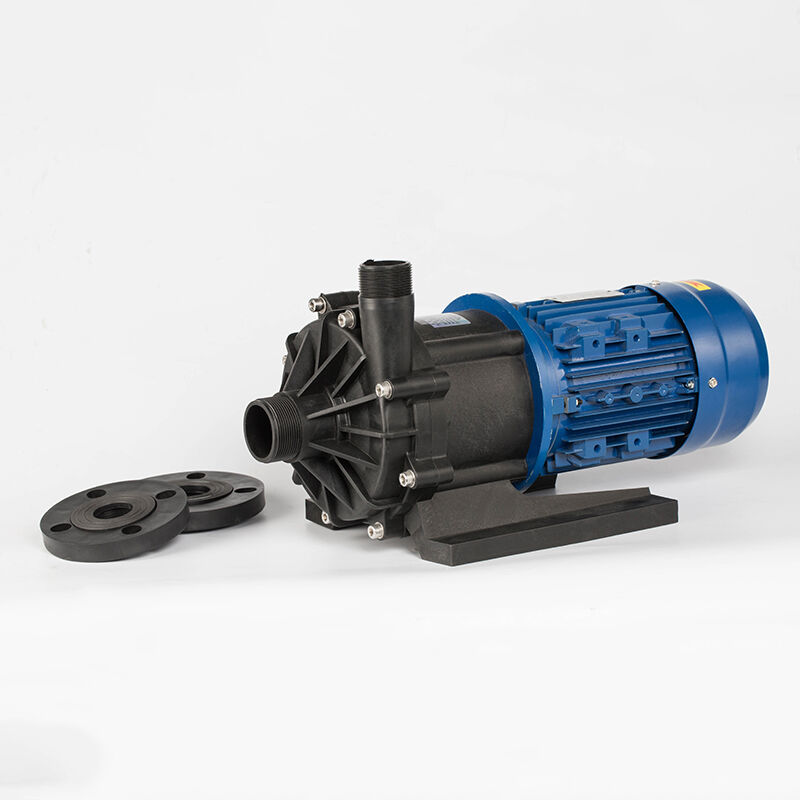
Selecting the appropriate corrosive pump for handling aggressive fluids such as sulfuric acid, sodium hydroxide, and seawater is a critical decision that directly impacts operational safety, equipment longevity, and overall process efficiency. Chemical processing plants, marine facilities, metal finishing operations, and wastewater treatment centers all rely on specialized pumping equipment capable of withstanding highly corrosive environments without degradation or failure. The wrong choice can lead to catastrophic equipment failure, costly downtime, environmental contamination, and safety hazards that put personnel at risk. Understanding the specific chemical properties of your process fluid, the operational parameters of your system, and the material compatibility requirements is essential to making an informed pump selection that balances performance, durability, and total cost of ownership.
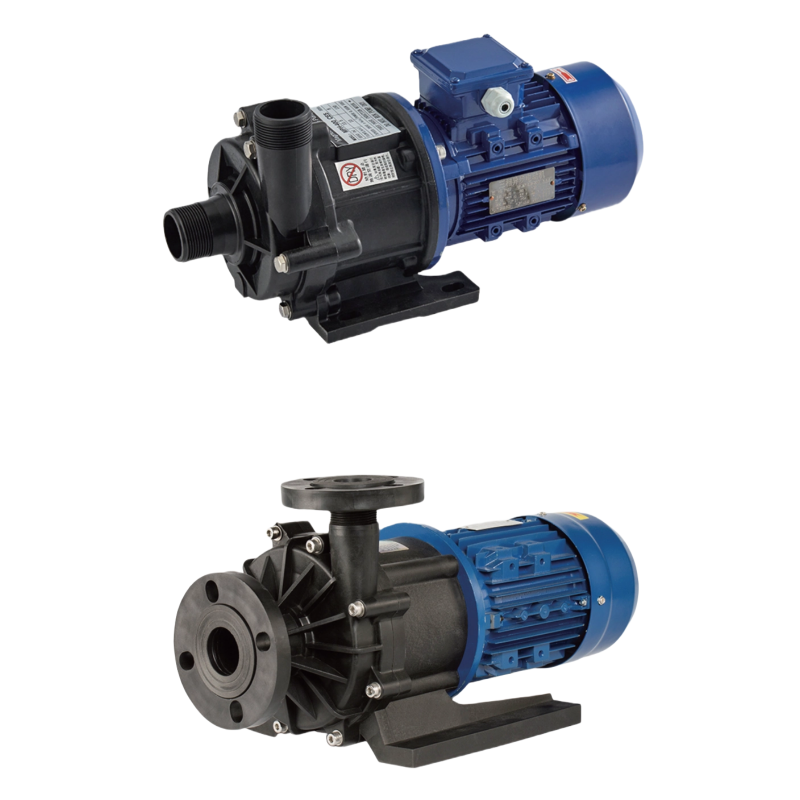
This comprehensive guide walks you through the systematic process of choosing the right corrosive pump by examining the unique challenges posed by sulfuric acid, sodium hydroxide, and seawater applications. We explore material selection criteria, pump design considerations, seal technology options, and performance specifications that determine whether a particular pump will succeed or fail in your specific application. By following a methodical evaluation framework that considers chemical concentration, operating temperature, flow requirements, pressure conditions, and maintenance accessibility, you can confidently specify a corrosive pump solution that delivers reliable long-term performance while minimizing lifecycle costs and operational risks in demanding industrial environments.
Understanding the Chemical Properties That Drive Corrosive Pump Selection
Sulfuric Acid Concentration and Temperature Dependencies
Sulfuric acid presents one of the most challenging corrosion environments because its aggressiveness varies dramatically with concentration and temperature. Dilute sulfuric acid solutions below thirty percent concentration are highly corrosive to most common metals, while concentrated sulfuric acid above ninety-three percent exhibits relatively passive behavior toward certain materials like carbon steel at ambient temperatures. However, this passivity disappears completely at elevated temperatures or when the acid is diluted during processing. When selecting a corrosive pump for sulfuric acid service, you must specify the exact concentration range throughout the operating cycle, not just the nominal concentration, because even brief exposure to intermediate concentrations during startup, shutdown, or upset conditions can cause rapid material degradation.
Temperature amplifies sulfuric acid corrosivity exponentially, making material selection highly temperature-dependent. A corrosive pump constructed from austenitic stainless steel might perform adequately with cold concentrated sulfuric acid but would fail rapidly if the same acid were heated above forty degrees Celsius. Similarly, fluoropolymer-lined pumps that excel with hot dilute sulfuric acid may have temperature limitations that restrict their use with concentrated acid at elevated temperatures. The interaction between concentration and temperature creates complex corrosion maps that guide material selection, requiring you to identify your worst-case operating scenario rather than average conditions when specifying your corrosive pump system.
Sodium Hydroxide Alkalinity and Material Attack Mechanisms
Sodium hydroxide, commonly known as caustic soda, attacks materials through entirely different mechanisms than acids, requiring a fundamentally different approach to corrosive pump selection. Concentrated sodium hydroxide solutions are particularly aggressive toward aluminum, zinc, tin, and their alloys, while also causing stress corrosion cracking in certain stainless steel grades under specific temperature and stress conditions. The corrosive pump materials that resist sulfuric acid may fail catastrophically in sodium hydroxide service, and vice versa, making it essential to avoid generic corrosion-resistant specifications that do not account for the specific chemical environment.
Concentration effects in sodium hydroxide service follow patterns distinct from sulfuric acid, with maximum corrosivity often occurring at intermediate concentrations rather than at extreme dilution or concentration. Most metals experience accelerated attack in sodium hydroxide solutions between twenty and fifty percent concentration, particularly at elevated temperatures above sixty degrees Celsius. A properly specified corrosive pump for sodium hydroxide must account for the specific caustic concentration in your process, the operating temperature profile, and any contamination from process chemicals that might accelerate corrosion through synergistic effects. Carbon steel performs adequately with strong sodium hydroxide solutions under controlled conditions, while nickel-based alloys provide superior resistance across a broader range of concentrations and temperatures.
Seawater Complexity and Chloride-Induced Corrosion
Seawater presents a uniquely complex corrosion environment combining chloride ions, dissolved oxygen, sulfate ions, biological organisms, and suspended solids that challenge corrosive pump materials through multiple simultaneous attack mechanisms. Chloride-induced pitting and crevice corrosion threaten most stainless steel grades commonly used in freshwater applications, while marine biological fouling can create localized corrosion cells and restrict flow passages. Temperature variations, seasonal salinity changes, and pollution levels all influence the corrosivity of seawater, making geographical location and specific intake source important factors in corrosive pump selection.
The most insidious aspect of seawater corrosion is its ability to initiate localized attack at welds, crevices, and areas of stagnant flow where oxygen depletion creates electrochemical cells. A corrosive pump that appears to resist general corrosion may still fail through pitting penetration at gasket interfaces, shaft seals, or internal dead zones where seawater velocity drops below critical values. Successful seawater pump applications typically employ duplex stainless steels, super austenitic grades with elevated molybdenum content, nickel-aluminum bronze, or titanium alloys depending on temperature, velocity, and cost constraints. Additionally, biological fouling requires consideration of antifouling coatings, regular cleaning protocols, and material selections that resist both corrosion and biological attachment.
Critical Design Features That Determine Corrosive Pump Performance
Magnetic Drive Technology for Zero-Leakage Applications
Magnetic drive corrosive pump designs eliminate the traditional shaft seal entirely by using magnetic coupling to transmit torque from the motor to the impeller through a non-metallic containment shell. This sealless configuration provides absolute zero-leakage performance that is essential when handling hazardous chemicals like concentrated sulfuric acid or sodium hydroxide where even minor leakage poses significant safety and environmental risks. The magnetic coupling consists of an outer magnet assembly connected to the motor shaft and an inner magnet assembly connected to the impeller, with the two assemblies separated by a pressure-containing barrier that isolates the process fluid from the atmosphere while allowing magnetic torque transmission.
When evaluating a corrosive pump with magnetic drive technology, pay particular attention to the containment shell material and thickness, as this component must resist both the chemical attack from the process fluid and the mechanical stresses from pressure and thermal cycling. Fluoropolymer shells like PTFE or PFA provide excellent chemical resistance but have lower mechanical strength, limiting their use to lower pressure applications, while ceramic or high-alloy metal shells can handle higher pressures but may be vulnerable to specific chemicals. The magnetic coupling also generates heat through eddy current losses, requiring adequate internal cooling flow to prevent demagnetization and bearing failure, making hydraulic design critical for reliability in corrosive service.
Material Compatibility Beyond Wetted Components
While obvious attention focuses on the materials in direct contact with the corrosive fluid, comprehensive corrosive pump selection must also address external components exposed to vapor phase corrosion, condensation, and spray. Sulfuric acid vapor corrodes carbon steel motor housings and mounting brackets even when the liquid is fully contained within corrosion-resistant wetted parts. Sodium hydroxide solutions generate alkaline mists and condensate that attack aluminum junction boxes and painted surfaces. Seawater splash zones create particularly aggressive environments where alternating wet and dry conditions, combined with elevated temperatures from motor heat, accelerate corrosion beyond what submerged components experience.
A properly engineered corrosive pump system specifies corrosion-resistant construction for mounting plates, hardware, electrical enclosures, and auxiliary components that share the same corrosive environment as the wetted parts. Stainless steel or coated carbon steel bases, sealed motor housings with appropriate ingress protection ratings, and corrosion-resistant fasteners throughout prevent premature failure of structural components that would otherwise compromise the entire pump assembly. When evaluating pump vendors, examine their standard offerings for external corrosion protection and confirm that the complete assembly, not just the hydraulic components, is designed for your specific chemical environment.
Internal Velocity Control and Dead Space Elimination
Fluid velocity within a corrosive pump influences corrosion rates through multiple mechanisms including protective film removal, erosion-corrosion synergy, and oxygen transport to metal surfaces. Excessive velocity strips away passive oxide layers that would otherwise protect stainless steel and titanium from chloride attack in seawater, while insufficient velocity allows suspended solids to settle and create localized corrosion cells under deposits. The optimal velocity range for a corrosive pump handling seawater typically falls between one and three meters per second through critical areas like wear rings and seal chambers, providing sufficient turbulence to prevent fouling while avoiding erosive damage to protective films.
Equally important is the elimination of dead zones and low-velocity pockets where corrosive fluids can stagnate and concentrate. Crevices between press-fitted components, threaded connections, and seal chamber designs that allow fluid stagnation create ideal conditions for crevice corrosion in seawater and localized concentration effects in evaporative service with sulfuric acid or sodium hydroxide. A well-designed corrosive pump employs smooth internal contours, minimizes threaded connections in wetted areas, uses welded rather than mechanical joints where possible, and provides adequate flushing flow to all internal cavities including bearing housings and seal chambers that might otherwise trap corrosive fluids.
Operational Parameters That Define Application Requirements
Flow Rate and Head Requirements Versus Pump Hydraulic Design
Accurate determination of required flow rate and discharge head forms the foundation of corrosive pump selection, but chemical service applications often involve viscosity variations, two-phase flow, or density changes that complicate performance prediction. Sulfuric acid density varies from approximately one point zero to one point eight four grams per cubic centimeter depending on concentration, directly affecting the head pressure that a corrosive pump must generate to achieve a given discharge elevation. Temperature changes during batch operations or process upsets alter fluid viscosity, potentially reducing pump efficiency and delivered flow rate compared to catalog performance curves generated with cold water.
When specifying your corrosive pump, document not only the nominal operating point but also the full range of operating conditions including startup, shutdown, minimum flow, and maximum flow scenarios. Chemical pumps often operate away from their best efficiency point due to batch process requirements or system resistance variations, making it essential to evaluate pump performance across the complete operating envelope rather than at a single design point. Verify that your selected corrosive pump maintains stable operation without cavitation or recirculation at minimum flow, delivers adequate head at maximum flow, and operates within acceptable efficiency and power ranges throughout the normal operating window to avoid premature wear and reliability problems.
NPSH Requirements and Suction Conditions in Corrosive Service
Net Positive Suction Head Available (NPSHA) must exceed the Net Positive Suction Head Required (NPSHR) by an adequate margin to prevent cavitation damage, which is particularly destructive in corrosive service where chemical attack and mechanical erosion combine synergistically. Cavitation creates localized turbulence and pressure pulses that remove protective films from corrosion-resistant materials, exposing fresh metal to chemical attack and creating an accelerated degradation cycle. A corrosive pump operating with marginal NPSH in sulfuric acid service may experience cavitation erosion rates ten to fifty times faster than the same pump in clean water, leading to rapid failure of impeller vanes and casing volutes.
Suction conditions in chemical applications often present challenges including vapor pressure considerations with volatile chemicals, density variations with temperature changes, and potential for air entrainment from agitated storage tanks. When selecting a corrosive pump for sulfuric acid or sodium hydroxide, calculate NPSHA at maximum operating temperature and minimum liquid level, accounting for fluid vapor pressure from published chemical data rather than assuming water-like properties. Consider using pumps with low NPSHR characteristics such as inducer-equipped designs or vertical sump configurations that eliminate suction piping losses, particularly for applications involving hot chemicals or suction lifts that constrain available NPSH margins.
Temperature Extremes and Thermal Expansion Management
Operating temperature affects not only material corrosion resistance but also mechanical integrity through thermal expansion of dissimilar materials, seal functionality, and lubricant performance. A corrosive pump designed for ambient temperature service may fail catastrophically if exposed to hot sulfuric acid or sodium hydroxide due to thermal stress at material interfaces, seal compression set that creates leakage paths, or bearing lubrication breakdown. Conversely, cold seawater applications in arctic or deep-water intake systems present challenges from reduced material toughness, lubricant viscosity increase, and potential ice formation that must be addressed through appropriate material selections and design features.
Thermal cycling during batch operations or seasonal temperature variations creates repeated expansion and contraction cycles that can loosen mechanical joints, fracture brittle materials, and fatigue structural components. When specifying a corrosive pump for applications with temperature variations exceeding twenty degrees Celsius, examine the thermal expansion compatibility of mating materials, verify that seal designs accommodate thermal growth without losing compression, and confirm that bearing clearances remain adequate across the full temperature range. Pumps with dissimilar material construction such as ceramic shafts in metallic housings require particularly careful evaluation of thermal expansion coefficients to prevent seizure at elevated temperatures or excessive clearance at cold conditions.
Seal Technology Selection for Hazardous Chemical Containment
Sealless Magnetic Drive Advantages and Limitations
Magnetic drive technology represents the ultimate solution for zero-leakage containment of hazardous chemicals, making this corrosive pump configuration the preferred choice for toxic, environmentally sensitive, or extremely corrosive fluids where even minor seal weepage is unacceptable. The complete elimination of a dynamic shaft seal removes the most common failure mode of conventional pumps, eliminating seal maintenance, flush systems, and the environmental monitoring required for potential leakage. Magnetic coupling also prevents process fluid contamination from seal flush liquids and eliminates the power loss associated with mechanical seal friction, potentially improving overall energy efficiency.
However, magnetic drive corrosive pump designs have inherent limitations that must be understood during selection. The magnetic coupling creates an absolute maximum torque capacity beyond which the magnets decouple and the pump stops pumping entirely, making it essential to verify adequate torque margin for startup, worst-case viscosity, and any potential solids handling. The eddy current heating generated within the containment shell requires continuous internal cooling flow, typically three to five percent of rated capacity, meaning magnetic drive pumps cannot run dead-headed or at shutoff without risking thermal damage to magnets, bearings, and internal components. Applications with high-temperature fluids, fluids that crystallize or polymerize, or systems subject to frequent starts and stops require particularly careful evaluation of magnetic drive suitability.
Mechanical Seal Systems for Critical Applications
Despite the advantages of sealless designs, mechanical seals remain the standard for many corrosive pump applications where cost constraints, higher power requirements, or specific process conditions favor conventional shaft sealing technology. Modern cartridge mechanical seal assemblies provide reliable service in sulfuric acid, sodium hydroxide, and seawater when properly specified with appropriate face materials, seal flush arrangements, and metallurgy for wetted components. Silicon carbide faces with fluoroelastomer secondary seals handle most acid and caustic applications, while carbon faces with ceramic or tungsten carbide mating rings perform well in seawater with proper flush and cooling.
Critical corrosive pump installations benefit from dual mechanical seal configurations with pressurized barrier fluid systems that prevent process fluid from reaching the outboard seal faces. API Plan 53A or Plan 53B systems maintain clean barrier fluid at pressure slightly above seal chamber pressure, ensuring that any seal face leakage flows inward into the process rather than allowing corrosive chemicals to leak outward. This configuration provides a secondary containment barrier and allows seal condition monitoring through barrier fluid level and pressure observation. The barrier fluid must be compatible with the process chemical in case of seal failure and should provide lubrication and cooling for the seal faces, making selection of barrier fluid composition an important specification detail for your corrosive pump system.
Dynamic Seal Material Compatibility Verification
Elastomer and polymer seal materials that contact corrosive fluids must resist chemical attack, maintain dimensional stability, and retain mechanical properties throughout the expected service life. Sulfuric acid rapidly degrades natural rubber, most synthetic rubbers, and standard fluoroelastomers at concentrations above fifty percent and temperatures above forty degrees Celsius, requiring perfluoroelastomers like FFKM for reliable sealing. Sodium hydroxide at elevated temperatures and concentrations causes swelling and hardness loss in many elastomers, with EPDM and certain fluoroelastomer grades providing the best resistance. Seawater applications generally tolerate a wider range of elastomer materials, though biological attack and ozone exposure in splash zones can degrade natural and synthetic rubbers over time.
When evaluating a corrosive pump specification, verify that all dynamic seal materials including O-rings, gaskets, diaphragms, and shaft seals are explicitly rated for your specific chemical, concentration, and temperature conditions. Generic claims of chemical resistance without supporting data should be questioned, and compatibility ratings should come from standardized immersion testing rather than theoretical predictions. Recognize that chemical compatibility charts typically represent continuous immersion conditions and may not account for thermal cycling, pressure cycling, or synergistic effects from multiple chemicals that can accelerate seal degradation in real-world service. Requesting seal material certifications and test data specific to your operating conditions provides documentation for critical applications where seal failure would create unacceptable consequences.
Lifecycle Cost Analysis and Reliability Considerations
Initial Capital Cost Versus Total Cost of Ownership
The purchase price of a corrosive pump represents only a fraction of the total lifecycle cost when energy consumption, maintenance labor, spare parts inventory, and downtime costs are considered over typical equipment service life of five to fifteen years. A lower-cost pump constructed from marginal materials may appear attractive during capital project evaluation but can generate substantially higher operating costs through frequent seal replacement, increased energy consumption from efficiency degradation, and unplanned downtime that disrupts production schedules. Conversely, specifying exotic materials beyond what your application requires wastes capital without delivering commensurate lifecycle value.
Conducting a rigorous lifecycle cost analysis for corrosive pump selection requires estimating annual operating hours, energy costs at your facility, realistic maintenance intervals based on similar service experience, and the financial impact of planned and unplanned downtime. A magnetic drive corrosive pump might cost fifty to one hundred percent more than an equivalent sealed pump initially, but elimination of seal maintenance, reduced spare parts inventory, and prevention of environmental releases may justify the premium in critical services. Similarly, upgrading from standard stainless steel construction to super duplex or nickel alloys might double pump cost but extend service life from three years to fifteen years in aggressive seawater, dramatically reducing total cost per operating hour when replacement labor, installation costs, and process interruption are properly valued.
Maintenance Accessibility and Serviceability Design
The ease with which a corrosive pump can be maintained, inspected, and repaired directly affects operational reliability and lifecycle costs, yet serviceability often receives insufficient attention during specification development. Pumps installed in congested pipe racks, elevated platforms, or confined equipment rooms may be nearly impossible to disassemble for inspection without extensive scaffolding, piping disconnection, or production shutdown, turning routine maintenance into major projects. Back-pullout designs that allow removal of the rotating assembly without disturbing suction and discharge piping reduce maintenance labor and downtime compared to pumps requiring complete removal for internal access.
When evaluating corrosive pump options, physically examine the maintenance procedures for seal replacement, bearing service, and internal inspection to verify that your maintenance personnel can perform these tasks with available tools and access. Pumps with proprietary components, non-standard fasteners, or designs requiring special tools increase spare parts costs and create single-source supply chain vulnerabilities. Modular construction with standardized seal cartridges, bearing assemblies, and wear components allows inventory consolidation across multiple pumps and facilitates rapid repairs during unplanned failures. For critical services, consider maintaining a complete rotating assembly as a spare to enable immediate pump restoration by swapping the entire internals package rather than performing detailed repairs during emergency situations.
Performance Monitoring and Predictive Maintenance Integration
Modern corrosive pump installations increasingly incorporate condition monitoring systems that track vibration, bearing temperature, seal chamber pressure, and motor power consumption to identify developing problems before catastrophic failures occur. Magnetic drive pumps benefit particularly from temperature monitoring of the containment shell and bearing housing, providing early warning of cooling flow restriction, bearing wear, or internal recirculation that could lead to sudden demagnetization and complete loss of pumping. Mechanical seal systems can be monitored through flush flow rate, flush pressure, and barrier fluid level observations that detect seal face wear progression and allow planned maintenance before external leakage occurs.
When specifying a corrosive pump for critical service, evaluate the availability of factory-integrated monitoring instrumentation and the compatibility of pump design with your facility's predictive maintenance program. Pumps with accessible vibration measurement points, thermocouple ports in critical locations, and instrumentation mounting provisions integrate more easily into comprehensive condition monitoring systems than pumps requiring aftermarket modifications for sensor installation. The data generated through continuous monitoring enables optimization of maintenance intervals based on actual equipment condition rather than conservative time-based schedules, potentially extending component life and reducing maintenance costs while simultaneously improving reliability through early detection of abnormal conditions that indicate developing problems.
FAQ
What is the most important factor when selecting a corrosive pump for sulfuric acid?
The single most critical factor is accurately determining the exact acid concentration and operating temperature throughout all phases of operation, including startup, shutdown, and upset conditions. Sulfuric acid corrosivity varies dramatically with both parameters, and materials that resist concentrated cold acid may fail rapidly with intermediate concentrations or elevated temperatures. You must specify pump materials based on worst-case combinations of concentration and temperature rather than nominal conditions, and verify that both wetted and non-wetted components are designed for the complete operating envelope. Concentration and temperature dependencies make sulfuric acid one of the most challenging corrosive pump applications requiring careful engineering analysis rather than generic corrosion-resistant material selection.
Can the same corrosive pump handle both acids and caustics if constructed from fluoropolymer materials?
While fluoropolymer materials like PTFE, PFA, and PVDF resist both acids and caustics across wide concentration and temperature ranges, using the same physical pump for both services creates serious contamination risks and operational complications. Even trace amounts of acid remaining in a pump after acid service can neutralize caustic solutions and create unexpected chemical reactions if the pump is switched to caustic service without complete cleaning. Additionally, the optimal pump hydraulic design, seal configuration, and material selection for concentrated sulfuric acid may differ from the ideal specification for hot sodium hydroxide even when the primary wetted materials are compatible with both chemicals. Best practice dedicates separate corrosive pump equipment to acid and caustic services, clearly labels piping and equipment, and implements procedural controls to prevent inadvertent chemical mixing.
How do I determine if a magnetic drive corrosive pump or mechanical seal design is better for my seawater application?
The choice between magnetic drive and mechanical seal designs for seawater service depends primarily on your facility's tolerance for seal maintenance, environmental regulations regarding potential leakage, and the specific operating conditions of your application. Magnetic drive corrosive pump technology provides absolute zero-leakage performance ideal for environmentally sensitive locations, eliminates routine seal maintenance, and prevents seawater contamination from seal flush systems, but typically costs more initially and has power limitations from magnetic coupling torque capacity. Mechanical seal designs cost less, handle higher power requirements, and allow operation with marginal NPSH conditions, but require periodic seal replacement, flush water systems, and acceptance of minor seal weepage as normal. For continuous-duty seawater intake pumps in remote locations with limited maintenance access, magnetic drive designs often prove most cost-effective despite higher initial investment, while mechanical seal pumps may be appropriate for accessible installations with established maintenance programs and less stringent environmental requirements.
What maintenance intervals should I expect for a corrosive pump in sulfuric acid or sodium hydroxide service?
Maintenance intervals for corrosive pump equipment depend heavily on material selection quality, operating severity, and design conservatism, making it impossible to specify universal service intervals applicable across all installations. Well-designed magnetic drive corrosive pump systems with appropriate materials can operate five to seven years between major overhauls in properly controlled sulfuric acid or sodium hydroxide service, with only routine condition monitoring and no internal maintenance required during that period. Mechanical seal pumps typically require seal replacement every twelve to thirty-six months depending on seal design quality, flush system effectiveness, and process conditions, with bearing and wear component inspection recommended at seal change intervals. Actual maintenance experience varies widely based on operating practices, with pumps subjected to frequent thermal cycling, process upsets, or abrasive contamination requiring more frequent attention than units operating under stable controlled conditions within design parameters. Establishing baseline maintenance intervals through initial frequent inspection, then extending intervals based on actual wear observations, provides the most reliable approach to optimizing maintenance scheduling for your specific corrosive pump application.
Table of Contents
- Understanding the Chemical Properties That Drive Corrosive Pump Selection
- Critical Design Features That Determine Corrosive Pump Performance
- Operational Parameters That Define Application Requirements
- Seal Technology Selection for Hazardous Chemical Containment
- Lifecycle Cost Analysis and Reliability Considerations
-
FAQ
- What is the most important factor when selecting a corrosive pump for sulfuric acid?
- Can the same corrosive pump handle both acids and caustics if constructed from fluoropolymer materials?
- How do I determine if a magnetic drive corrosive pump or mechanical seal design is better for my seawater application?
- What maintenance intervals should I expect for a corrosive pump in sulfuric acid or sodium hydroxide service?