
 EN
EN
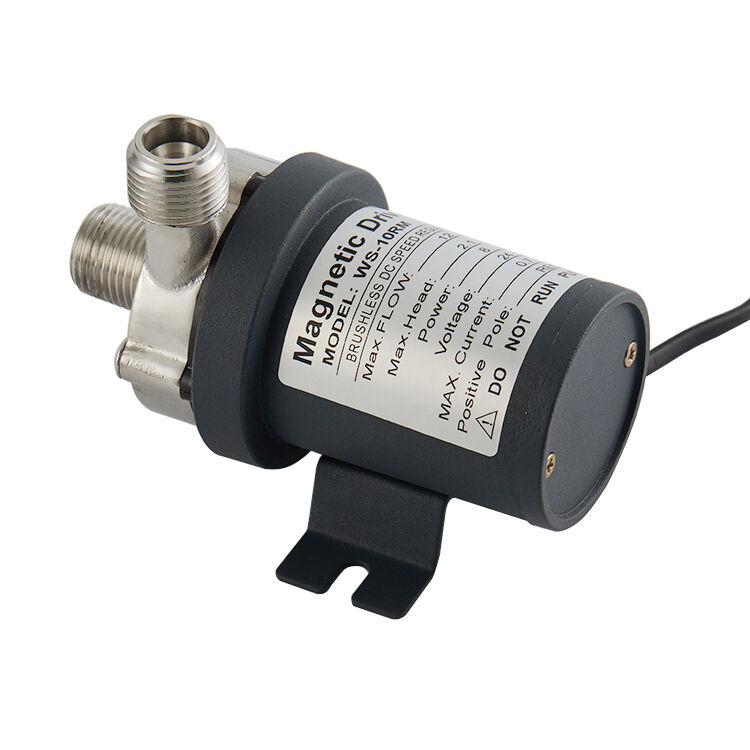
Selecting the perfect water pump for your recreational vehicle represents a critical decision that impacts your comfort and convenience during travels. Modern RV enthusiasts increasingly turn to 24v water pump systems due to their superior efficiency and reliable performance compared to traditional 12v alternatives. These advanced pumping solutions deliver consistent water pressure while consuming less power, making them ideal for extended camping adventures where energy conservation matters most. Understanding the key factors that influence pump selection will help you make an informed decision that enhances your RV experience for years to come.
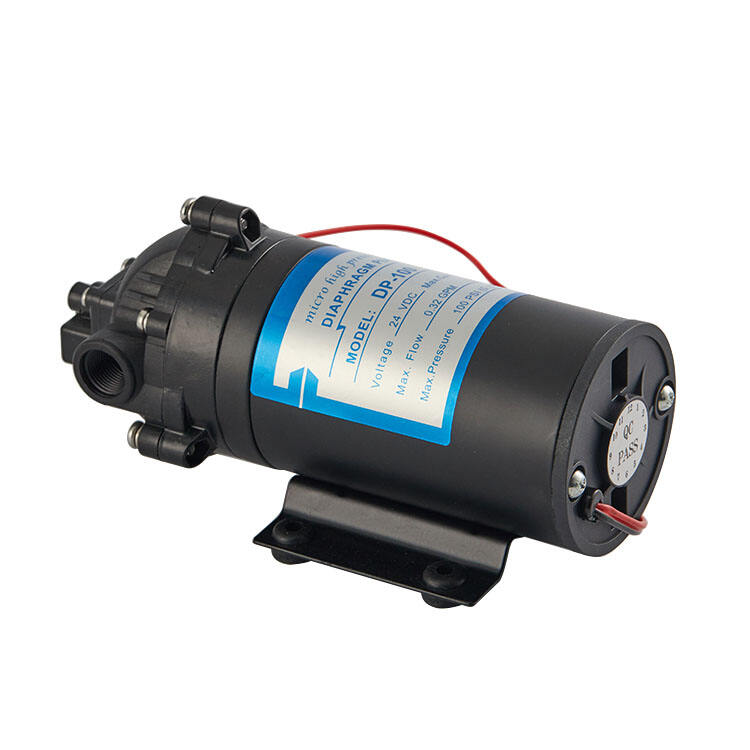
Understanding 24v Water Pump Technology
Voltage Advantages in RV Applications
The transition from 12v to 24v water pump technology brings significant benefits for recreational vehicle owners. Higher voltage systems operate more efficiently by reducing current draw, which translates to less heat generation and improved component longevity. This efficiency advantage becomes particularly noticeable during extended use periods when your 24v water pump maintains consistent performance without the voltage drop issues common in lower-voltage systems. Additionally, the reduced amperage requirements mean thinner wiring can be used, saving weight and installation costs in your RV setup.
Energy efficiency represents another compelling reason to choose 24v water pump systems for recreational vehicles. These pumps typically consume 20-30% less power than equivalent 12v models while delivering the same or better water flow rates. This efficiency translates directly into longer battery life and reduced generator runtime, allowing you to enjoy extended off-grid camping experiences without worrying about power consumption. The improved efficiency also results in quieter operation, contributing to a more peaceful camping environment for you and your neighbors.
Component Durability and Reliability
Modern 24v water pump designs incorporate advanced materials and engineering principles that enhance durability in demanding RV applications. The motor components experience less electrical stress due to the optimized voltage levels, resulting in extended service life and reduced maintenance requirements. Quality pumps feature corrosion-resistant housings, sealed bearing systems, and robust diaphragm materials designed to withstand the constant vibration and temperature fluctuations encountered during RV travel.
Reliability becomes paramount when you're camping in remote locations far from service centers. A dependable 24v water pump provides peace of mind by delivering consistent performance under varying conditions, from freezing mountain mornings to hot desert afternoons. Many modern pumps include built-in protection features such as dry-run shutoff, thermal overload protection, and pressure switches that prevent damage from common operating mistakes or system malfunctions.
Key Specifications and Performance Metrics
Flow Rate Requirements
Determining the appropriate flow rate for your RV water system requires careful consideration of your usage patterns and fixture requirements. A typical 24v water pump should deliver sufficient flow to operate multiple fixtures simultaneously without significant pressure loss. Most RV applications require flow rates between 8-15 liters per minute, with larger coaches potentially needing higher capacity units to maintain adequate pressure throughout the system.
Consider your specific usage scenarios when selecting flow rate specifications. If you frequently use multiple water outlets simultaneously, such as running the shower while someone washes dishes, you'll need a higher-capacity 24v water pump to maintain comfortable water pressure. Conversely, smaller RVs with minimal simultaneous usage can operate effectively with lower flow rate pumps, potentially saving power and reducing initial costs while still meeting daily water needs.
Pressure Capabilities and System Integration
Water pressure requirements vary significantly based on your RV's plumbing configuration and fixture types. Standard residential-style fixtures typically require 40-60 PSI for optimal performance, while some high-end shower heads and appliances may need higher pressures. Your chosen 24v water pump should provide adequate pressure headroom to account for elevation changes, pipe friction losses, and simultaneous fixture usage without cycling excessively.
Integration with existing RV systems requires attention to pressure switch settings and accumulator tank sizing. The pressure differential between cut-in and cut-out settings affects pump cycling frequency, with wider differentials reducing starts but potentially causing noticeable pressure variations. Proper accumulator tank sizing helps minimize pump cycling while maintaining steady pressure, extending pump life and reducing noise levels throughout your RV's water system.
Installation Considerations and Best Practices
Electrical System Requirements
Installing a 24v water pump in your RV requires careful attention to electrical system compatibility and wiring requirements. Most RVs come equipped with 12v electrical systems, necessitating either a voltage converter or battery configuration changes to support 24v operation. Series battery wiring can provide the required voltage, but this approach affects your overall electrical system design and may require consultation with qualified technicians to ensure safe implementation.
Proper circuit protection becomes critical when installing higher-voltage water pumps in recreational vehicles. Appropriately sized fuses or circuit breakers protect both the pump and your RV's electrical system from potential overload conditions. Wire gauge selection must account for the pump's current requirements and installation distance, with voltage drop calculations ensuring adequate power delivery under all operating conditions.
Mounting and Vibration Control
Strategic pump placement minimizes noise transmission and maximizes accessibility for maintenance activities. Your 24v water pump should be mounted on vibration-dampening materials to reduce operational noise and prevent stress on plumbing connections. Avoid mounting locations near sleeping areas or entertainment spaces where pump noise might cause disturbance during quiet hours.
Accessibility for routine maintenance and potential repairs should influence mounting location decisions. Position your pump where filters can be easily changed, connections can be inspected, and components can be serviced without major disassembly of surrounding systems. Consider future maintenance needs when routing plumbing and electrical connections, leaving adequate space for technician access and component replacement if necessary.
Maintenance and Troubleshooting
Routine Maintenance Procedures
Regular maintenance ensures your 24v water pump continues delivering reliable performance throughout its service life. Periodic inspection of electrical connections prevents corrosion-related failures, while checking mounting hardware ensures the pump remains securely positioned despite constant RV motion. Water system sanitization procedures should include pump components to prevent bacterial growth and maintain water quality standards.
Filter replacement schedules depend on water quality and usage frequency, but most systems benefit from quarterly filter changes during active camping seasons. Monitor pressure switch operation by observing cut-in and cut-out pressures, adjusting settings if performance changes occur. Keep spare parts inventory including pressure switches, check valves, and basic repair components to address common issues during remote camping adventures.
Common Issues and Solutions
Pump cycling problems represent the most frequent concern with 24v water pump systems in RV applications. Excessive cycling often indicates accumulator tank issues, internal check valve failures, or small leaks in the distribution system. Systematic diagnosis involves checking tank pre-charge pressure, inspecting visible plumbing connections, and testing pump check valve operation to identify the root cause.
Low water pressure complaints typically result from clogged filters, partially closed valves, or worn pump components. Begin troubleshooting with simple solutions like filter replacement and valve position verification before investigating more complex mechanical issues. Understanding your specific 24v water pump's performance characteristics helps identify when problems require professional attention versus simple user maintenance procedures.
Selecting the Right Pump for Your Application
RV Size and Usage Considerations
Your RV's size and typical occupancy patterns directly influence 24v water pump selection criteria. Larger coaches with multiple bathrooms and extensive plumbing systems require higher-capacity pumps to maintain adequate pressure throughout the distribution network. Consider peak demand scenarios when multiple fixtures operate simultaneously, ensuring your chosen pump can handle maximum flow requirements without excessive pressure drop.
Weekend camping versus full-time RV living presents different reliability and performance requirements. Full-time users benefit from investing in premium 24v water pump systems with enhanced durability features and longer service intervals. Weekend warriors might prioritize initial cost savings while still ensuring adequate performance for recreational use patterns and maintenance requirements that fit their lifestyle.
Budget and Quality Balance
Quality 24v water pump systems represent a significant investment, but the long-term benefits justify the initial expense for serious RV enthusiasts. Premium pumps offer superior materials, better warranties, and enhanced features that reduce maintenance costs and improve reliability over time. Compare total cost of ownership including installation, maintenance, and replacement expenses rather than focusing solely on initial purchase price.
Consider pump features that provide value for your specific application needs. Variable speed operation, built-in filtration, and advanced pressure control systems add functionality but also increase complexity and cost. Evaluate whether premium features align with your actual usage patterns and technical comfort level, choosing systems that provide optimal value for your particular RV setup and camping style preferences.
FAQ
What are the main advantages of 24v water pumps over 12v systems for RV use
The primary advantages include improved energy efficiency, reduced current draw, less heat generation, and better performance consistency. A 24v water pump typically consumes 20-30% less power while delivering equivalent or superior flow rates compared to 12v alternatives. This efficiency translates into longer battery life, reduced generator runtime, and quieter operation, making them ideal for extended off-grid camping adventures.
Can I install a 24v water pump in my existing 12v RV electrical system
Installation requires either a voltage converter or modification of your battery configuration to provide 24v power. Series wiring of two 12v batteries can supply the necessary voltage, but this approach affects your overall electrical system design. Consulting with qualified RV technicians ensures safe implementation and proper integration with existing systems while maintaining electrical code compliance.
How do I determine the correct flow rate for my RV water pump
Flow rate selection depends on your RV size, fixture count, and typical usage patterns. Most RV applications require 8-15 liters per minute flow capacity. Consider peak demand scenarios when multiple fixtures operate simultaneously, such as shower and sink usage occurring together. Larger coaches with multiple bathrooms typically need higher flow rates to maintain adequate pressure throughout the distribution system.
What maintenance is required for 24v water pump systems
Routine maintenance includes quarterly filter replacement, periodic electrical connection inspection, and pressure switch adjustment as needed. Water system sanitization should include pump components to prevent bacterial growth. Monitor pump cycling behavior and pressure performance to identify potential issues early. Keep spare parts inventory including pressure switches and check valves for remote camping maintenance needs.