 EN
EN
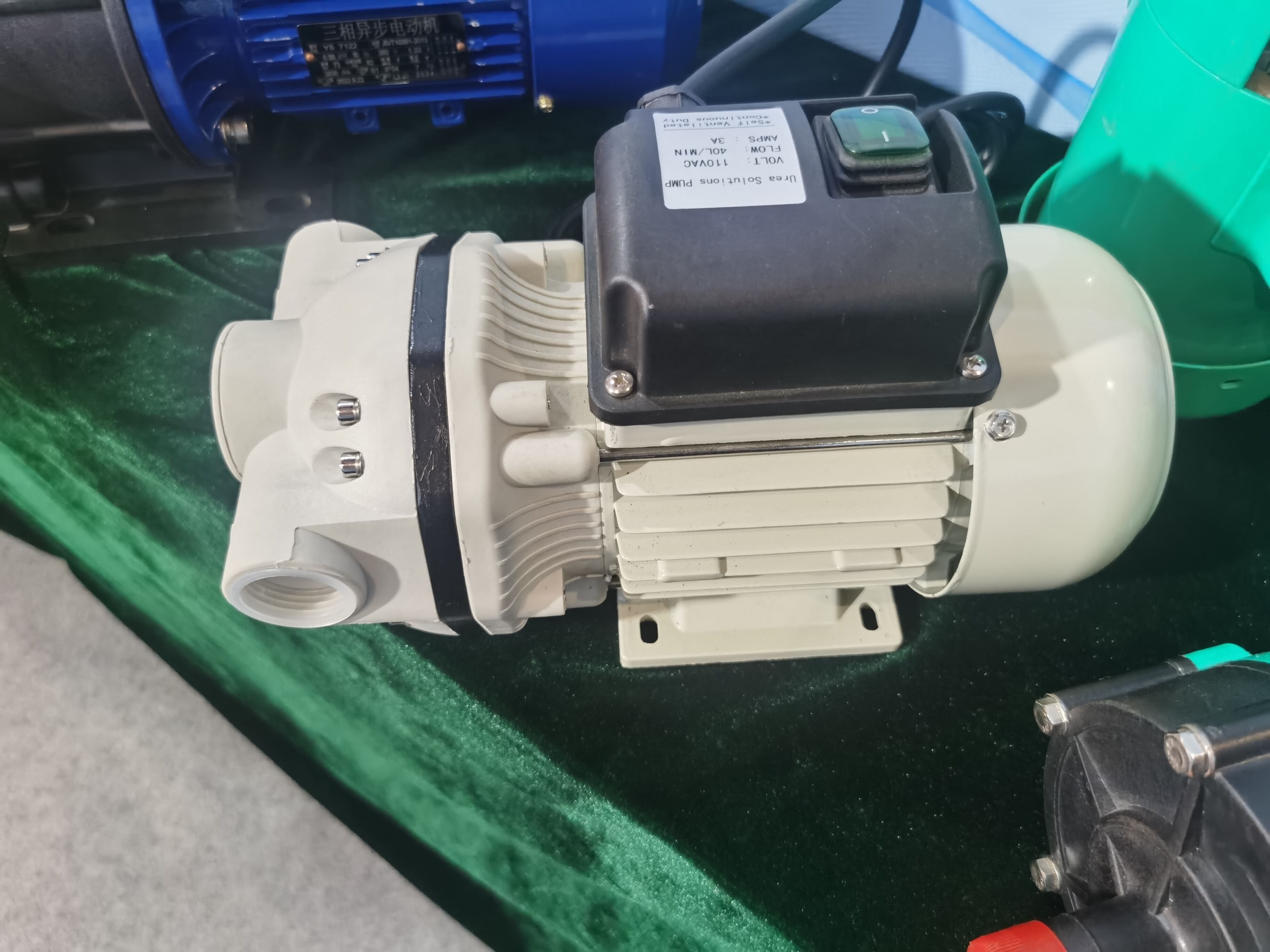
Selecting the right industrial urea pump is critical for maintaining efficient and reliable operations in agricultural, automotive, and chemical processing applications. The unique properties of urea, including its corrosive nature and crystallization tendencies, demand specialized pumping solutions that can withstand harsh operating conditions while delivering consistent performance. Understanding the essential features and benefits of industrial urea pump systems enables facility managers and engineers to make informed decisions that optimize productivity and minimize maintenance costs.
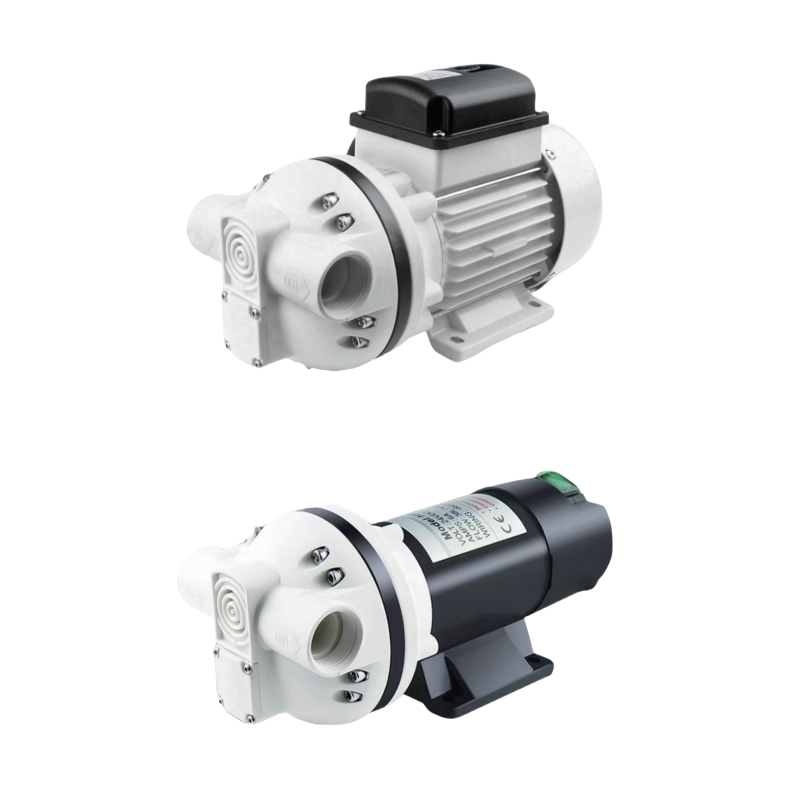
Industrial urea pump selection involves evaluating multiple technical parameters, material compatibility requirements, and operational benefits that directly impact long-term system reliability. Modern urea pump designs incorporate advanced materials and engineering solutions specifically developed to handle urea's challenging characteristics, including temperature sensitivity, abrasive properties, and potential for thermal decomposition. This comprehensive approach to pump selection ensures optimal performance across diverse industrial applications while reducing operational risks and extending equipment lifespan.
Critical Material Compatibility Features
Corrosion-Resistant Construction Materials
Industrial urea pump systems require specialized materials that can withstand the corrosive effects of urea solutions over extended operating periods. Stainless steel components, particularly 316L grade stainless steel, provide excellent resistance to urea-induced corrosion while maintaining structural integrity under varying temperature and pressure conditions. The pump housing, impeller, and internal components must be manufactured from materials that demonstrate proven compatibility with urea chemistry to prevent premature failure and ensure consistent performance.
Advanced polymer coatings and specialized alloys further enhance the corrosion resistance of urea pump components, extending operational lifespan and reducing maintenance requirements. These protective materials create barriers against chemical attack while maintaining the mechanical properties necessary for reliable pumping operations. Proper material selection also prevents contamination of urea solutions, which is essential for maintaining product quality in agricultural and industrial applications.
Seal and Gasket Technology
Effective sealing systems represent a critical feature in industrial urea pump design, as conventional sealing materials may degrade rapidly when exposed to urea solutions. Advanced elastomers and specialized gasket materials specifically formulated for urea compatibility ensure leak-free operation while withstanding thermal cycling and chemical exposure. These sealing solutions maintain their flexibility and sealing properties across wide temperature ranges, preventing costly leaks and environmental contamination.
Modern urea pump systems incorporate multiple sealing technologies, including mechanical seals, O-rings, and specialized gasket designs that provide redundant protection against fluid loss. The selection of appropriate sealing materials based on operating temperature, pressure, and urea concentration ensures optimal performance and minimizes the risk of unexpected downtime due to seal failure.
Performance and Operational Benefits
Consistent Flow Rate Control
Industrial urea pump systems deliver precise flow rate control essential for maintaining optimal process conditions in various applications. Advanced pump designs incorporate variable speed drives and flow control mechanisms that enable operators to adjust pumping rates according to specific process requirements. This flexibility ensures accurate dosing and mixing ratios while accommodating changing operational demands without compromising system efficiency.
The ability to maintain consistent flow rates across varying system pressures and temperatures represents a significant operational benefit of modern urea pump technology. Sophisticated control systems monitor and adjust pump performance in real-time, compensating for viscosity changes and other variables that could affect flow consistency. This automated control capability reduces operator intervention requirements while ensuring optimal process performance.
Energy Efficiency and Cost Reduction
Contemporary urea pump designs prioritize energy efficiency through optimized hydraulic performance and advanced motor technologies. Variable frequency drives and high-efficiency motors reduce power consumption while maintaining required pumping performance, resulting in significant operational cost savings over the pump's service life. These energy-saving features contribute to reduced carbon footprint and improved sustainability metrics for industrial operations.
The economic benefits of efficient urea pump operation extend beyond energy savings to include reduced maintenance costs and extended equipment lifespan. Properly designed pump systems minimize wear and stress on components, reducing the frequency of maintenance interventions and replacement part requirements. This reliability translates to lower total cost of ownership and improved return on investment for industrial facilities.
Temperature and Pressure Handling Capabilities
Thermal Management Systems
Industrial urea pump applications often involve elevated temperatures that can cause urea crystallization and thermal decomposition if not properly managed. Advanced thermal management features include heated pump housings, insulation systems, and temperature monitoring capabilities that maintain optimal operating conditions. These systems prevent urea crystallization within pump chambers while ensuring safe operating temperatures are maintained throughout the pumping process.
Integrated heating elements and thermal sensors enable precise temperature control, preventing both overheating and excessive cooling that could compromise pump performance or damage urea solutions. The ability to maintain consistent temperatures across varying ambient conditions ensures reliable operation in diverse industrial environments while preserving the chemical integrity of pumped urea solutions.
Pressure Rating and Safety Features
Modern urea pump systems incorporate robust pressure handling capabilities designed to accommodate the demanding requirements of industrial applications. High-pressure ratings and reinforced construction ensure safe operation under elevated system pressures while maintaining structural integrity over extended service periods. Pressure relief valves and safety interlocks provide additional protection against overpressure conditions that could damage equipment or compromise operator safety.
Safety features integrated into urea pump designs include emergency shutdown systems, pressure monitoring, and alarm functions that alert operators to potentially dangerous conditions. These protective measures ensure compliance with industrial safety standards while minimizing risks associated with high-pressure urea handling operations. Comprehensive safety systems also reduce liability concerns and support regulatory compliance in industrial facilities.
Maintenance and Reliability Advantages
Simplified Maintenance Procedures
Industrial urea pump systems designed with maintenance accessibility in mind reduce downtime and service costs through simplified component access and replacement procedures. Modular designs enable quick removal and installation of key components without requiring complete system disassembly. This maintenance-friendly approach minimizes production interruptions while reducing the specialized tools and skills required for routine service operations.
Preventive maintenance features built into modern urea pump systems include wear indicators, lubrication monitoring, and predictive maintenance capabilities that help identify potential issues before they result in equipment failure. These diagnostic tools enable maintenance teams to schedule service activities during planned downtime periods, optimizing production schedules while ensuring equipment reliability.
Extended Component Lifespan
Advanced engineering and material selection in contemporary urea pump designs significantly extend component lifespan compared to conventional pumping solutions. Hardened surfaces, specialized coatings, and optimized hydraulic designs minimize wear and erosion while maintaining pumping efficiency over extended operating periods. This durability reduces replacement part costs and extends intervals between major maintenance activities.
The use of premium materials and precision manufacturing techniques in urea pump construction ensures consistent performance throughout the equipment's service life. Quality control processes and rigorous testing protocols verify component reliability and performance characteristics, providing confidence in long-term operational stability and reducing the risk of unexpected failures that could disrupt production operations.
Application-Specific Design Considerations
Agricultural and Fertilizer Applications
Urea pump systems designed for agricultural applications must accommodate the specific requirements of fertilizer production and distribution operations. These applications typically involve high-volume pumping with consistent quality requirements to ensure effective crop nutrition delivery. Specialized pump designs incorporate features that prevent contamination and maintain urea solution purity throughout the handling process.
Agricultural urea pump applications benefit from robust construction and reliable operation under demanding environmental conditions. Weather resistance, corrosion protection, and simplified maintenance procedures are essential features for outdoor installations and remote agricultural facilities. The ability to operate reliably with minimal supervision ensures continuous fertilizer production and distribution capabilities.
Automotive and Industrial Processing
Automotive applications, particularly selective catalytic reduction systems, require precise urea dosing capabilities and consistent performance under varying operating conditions. Industrial urea pump systems designed for these applications incorporate advanced flow control and monitoring capabilities that ensure accurate injection rates and optimal emission control performance. Temperature compensation and adaptive control features maintain dosing accuracy across wide operating temperature ranges.
Chemical processing applications demand urea pump systems capable of handling varying concentrations and maintaining product quality throughout the pumping process. Specialized designs prevent cross-contamination and ensure chemical compatibility with other process fluids. The ability to handle different urea formulations and concentrations provides flexibility for diverse industrial processing requirements.
FAQ
What materials are best for urea pump construction?
The best materials for urea pump construction include 316L stainless steel for primary components, specialized polymer coatings for enhanced corrosion resistance, and advanced elastomers for sealing applications. These materials provide excellent compatibility with urea solutions while maintaining mechanical properties under varying operating conditions. Material selection should consider factors such as temperature, pressure, and urea concentration to ensure optimal performance and longevity.
How often do industrial urea pumps require maintenance?
Industrial urea pump maintenance intervals depend on operating conditions, pump design, and application requirements, but typically range from 3-6 months for routine inspections and 12-24 months for major service activities. Preventive maintenance programs that include regular monitoring of performance parameters, seal condition, and wear indicators can extend service intervals while reducing the risk of unexpected failures. Proper maintenance scheduling optimizes pump reliability while minimizing operational costs.
Can urea pumps handle different concentration levels?
Yes, properly designed industrial urea pumps can handle various concentration levels, typically ranging from 32% to 40% urea solutions commonly used in industrial applications. Advanced pump designs incorporate adjustable flow rates and pressure capabilities to accommodate different viscosities and densities associated with varying concentrations. Temperature control features help maintain optimal handling conditions regardless of concentration levels, ensuring consistent performance across different formulations.
What safety features should urea pumps include?
Essential safety features for industrial urea pumps include pressure relief valves, emergency shutdown systems, temperature monitoring, leak detection capabilities, and overpressure protection. These safety systems prevent equipment damage and protect personnel from potential hazards associated with high-pressure urea handling. Compliance with relevant safety standards and regulations ensures safe operation while reducing liability concerns for industrial facilities.