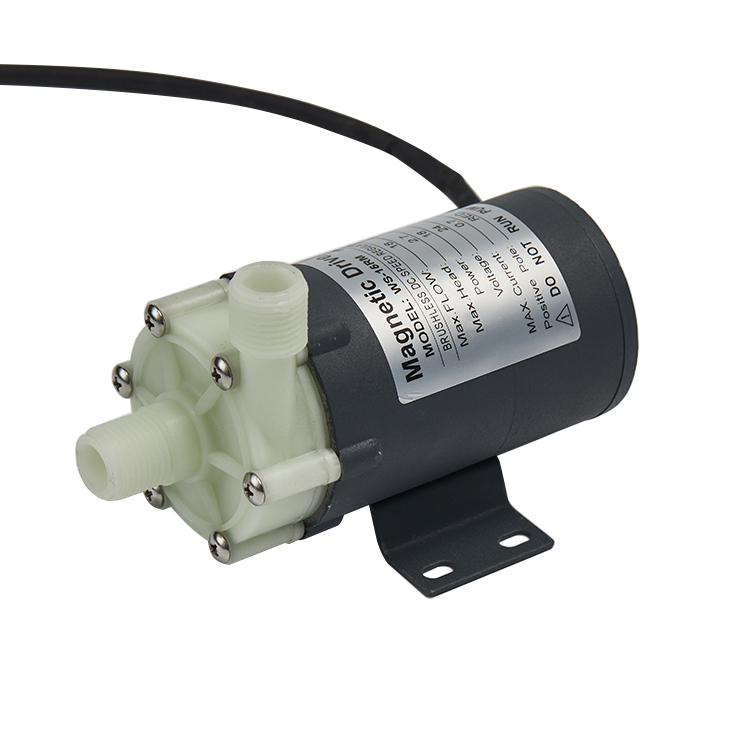
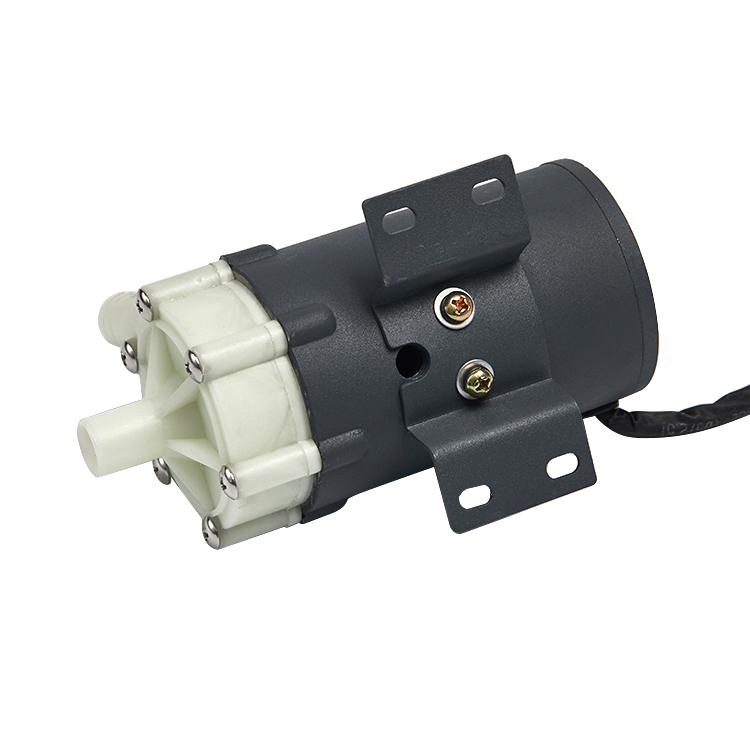
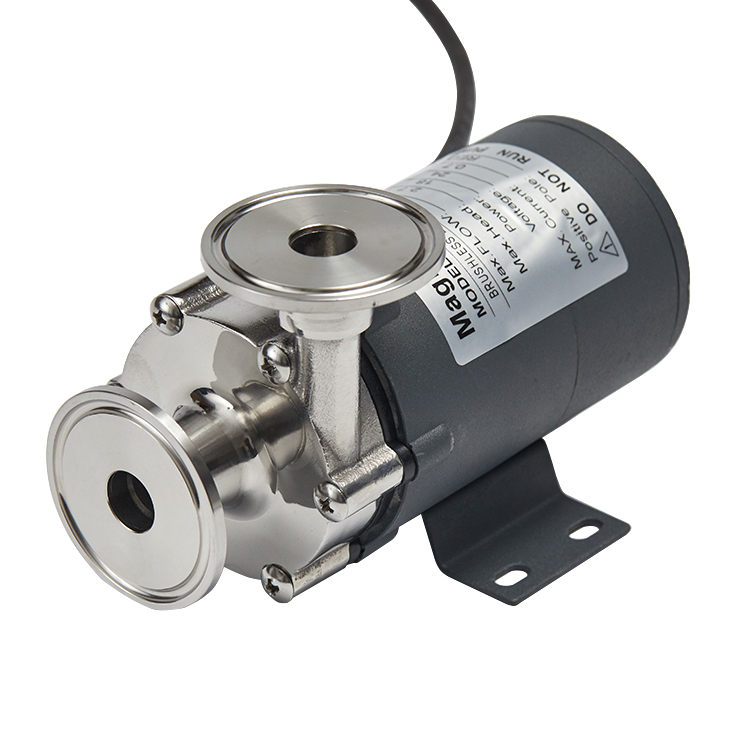
bldc pump motor
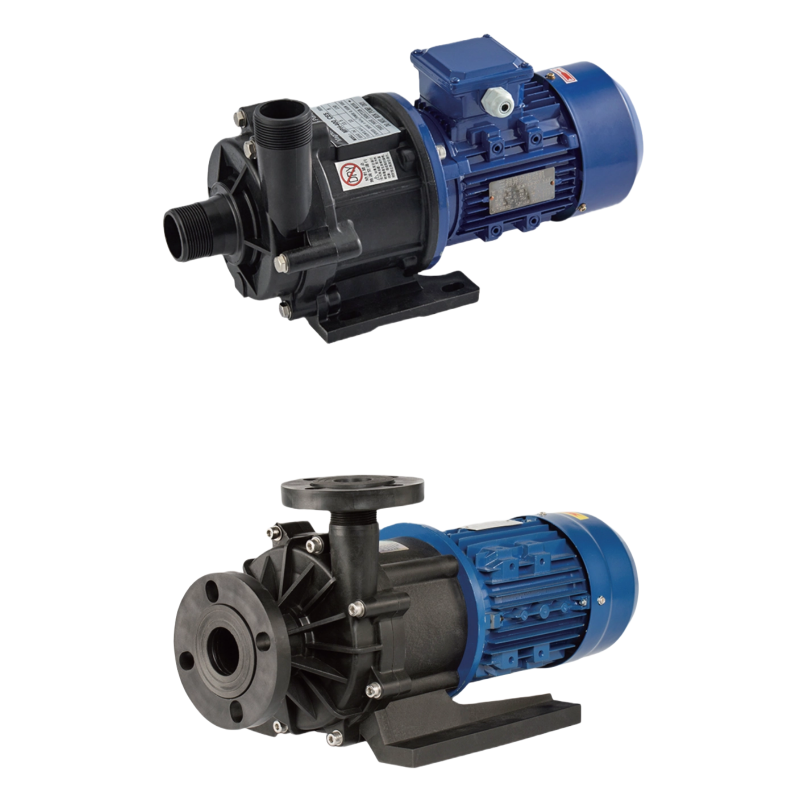
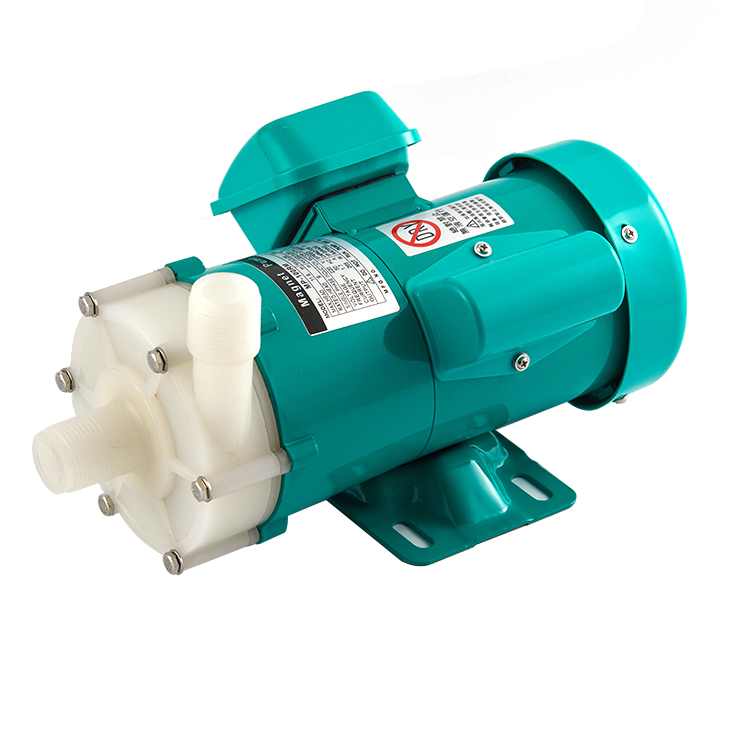
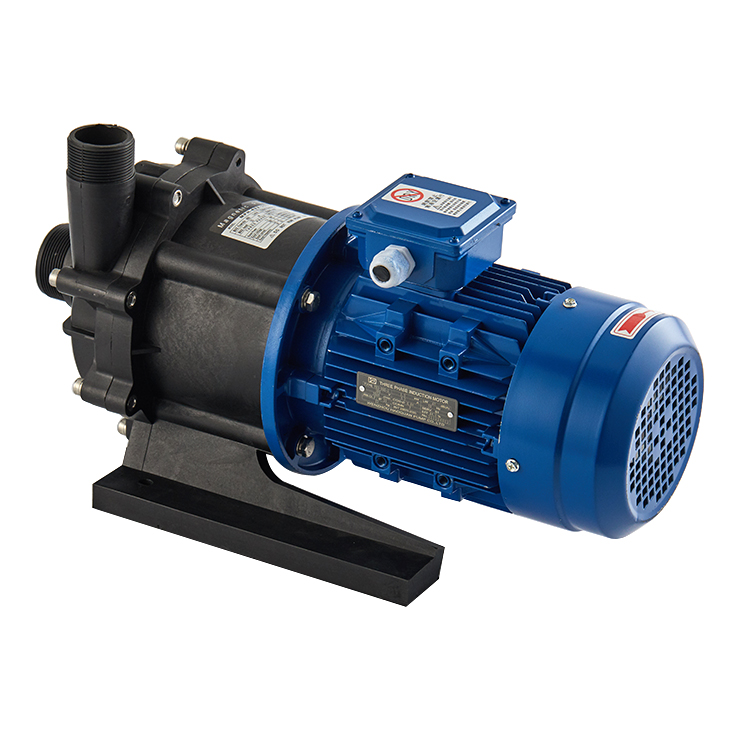
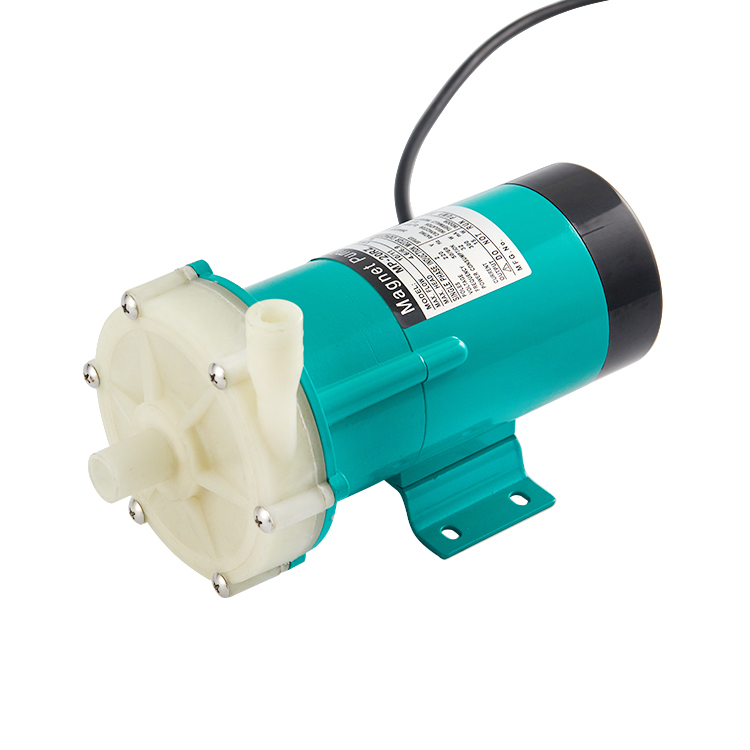
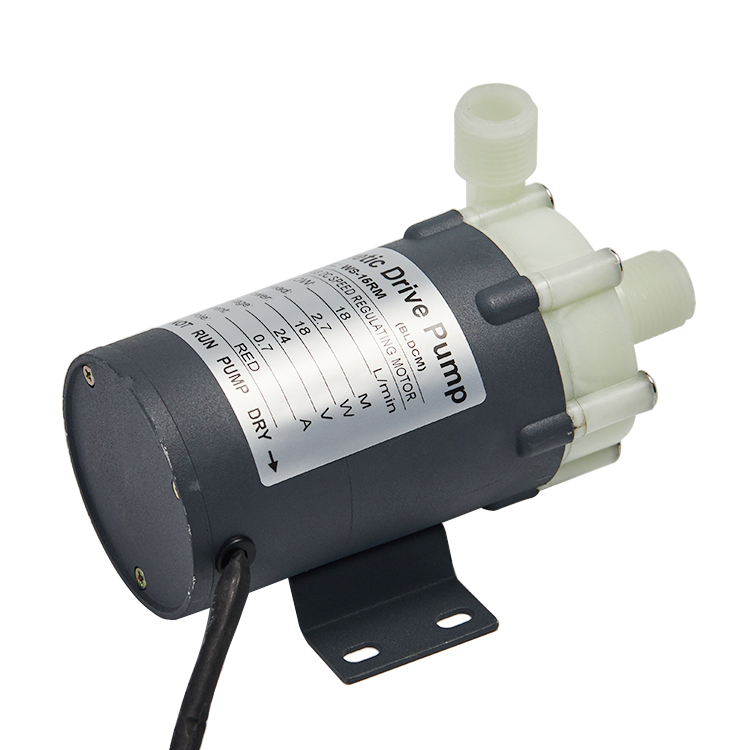
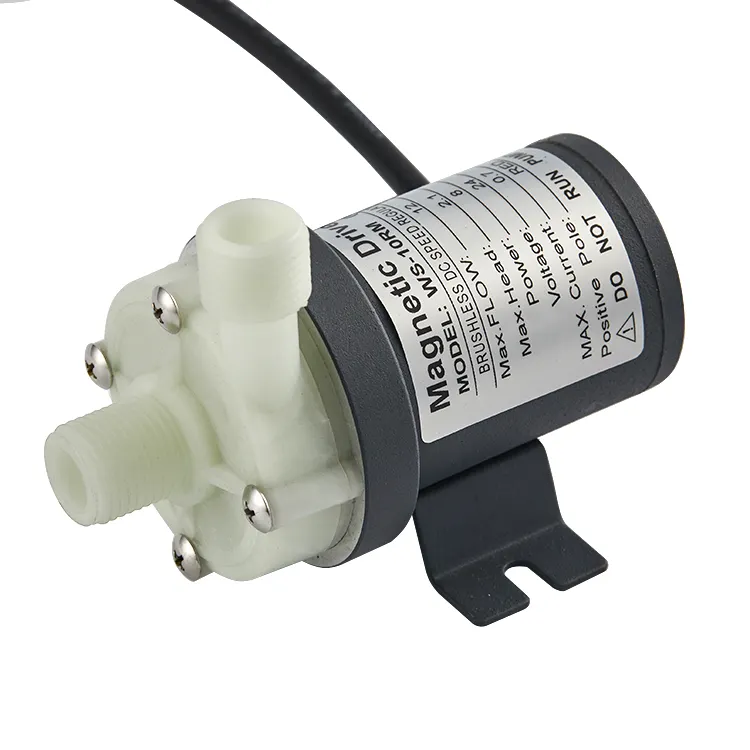
A bldc pump motor represents a revolutionary advancement in fluid transfer technology, combining brushless direct current technology with precision pump engineering. The bldc pump motor delivers exceptional performance through its electronically commutated design, eliminating traditional brushes and mechanical contacts that typically wear down over time. This innovative bldc pump motor operates by using permanent magnets and electronic controllers to generate smooth, consistent rotation, making it ideal for applications requiring reliable fluid movement.
The primary function of a bldc pump motor is to circulate, transfer, or pressurize liquids with remarkable efficiency and minimal energy waste. Unlike conventional pump motors, the bldc pump motor maintains consistent performance across varying operational conditions, adapting seamlessly to changing load demands. Key technological features include regenerative braking capabilities, reduced electromagnetic interference, and superior thermal management systems that keep the motor running cool even during extended use.
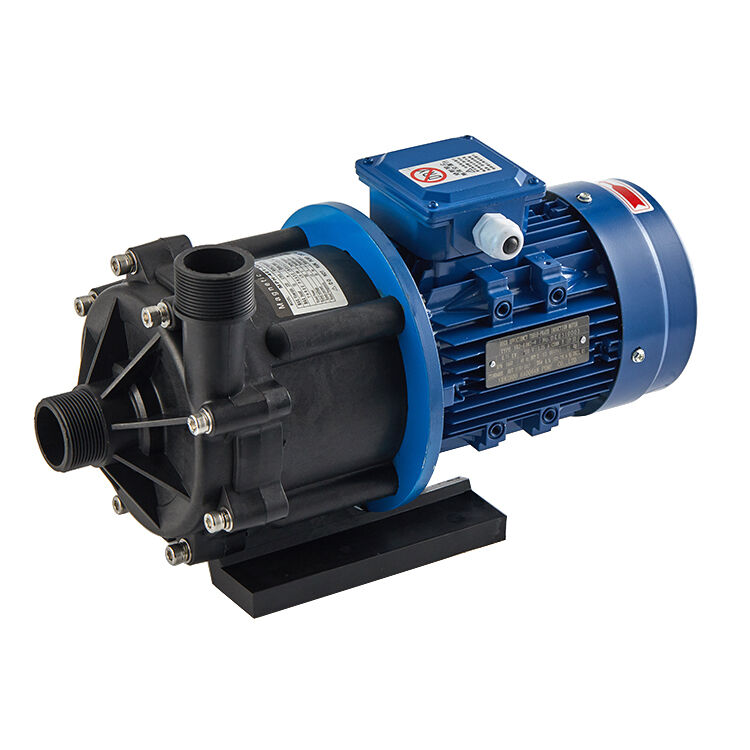
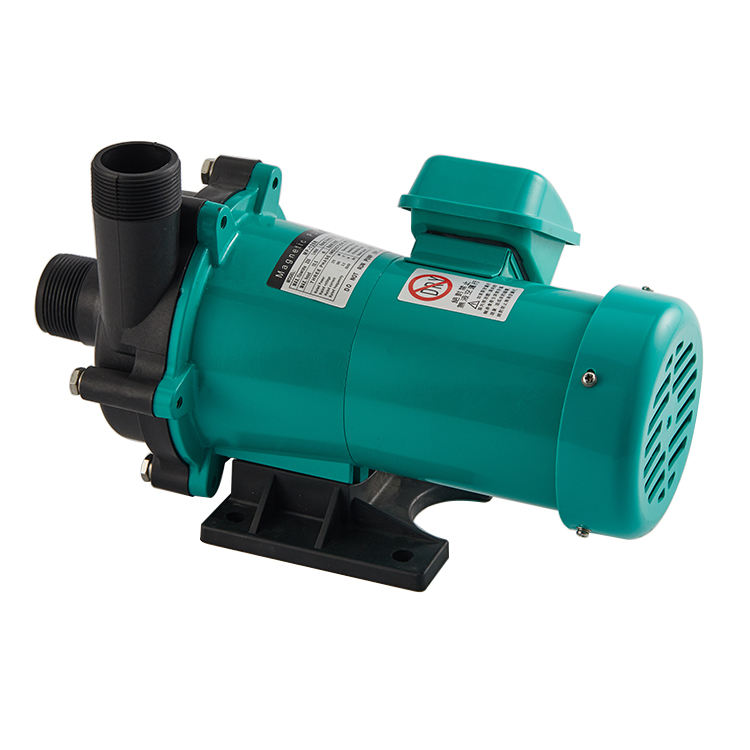
Modern bldc pump motor units incorporate advanced speed control mechanisms and intelligent monitoring systems that optimize performance in real-time. The bldc pump motor technology finds widespread application across automotive cooling systems, industrial circulation processes, medical device perfusion systems, and renewable energy installations. Its compact design allows integration into space-constrained environments while delivering maximum pumping capacity. Whether powering aquarium filtration, HVAC systems, or laboratory equipment, the bldc pump motor establishes itself as the preferred solution for demanding applications requiring durability, precision, and energy efficiency in fluid management systems.

 EN
EN