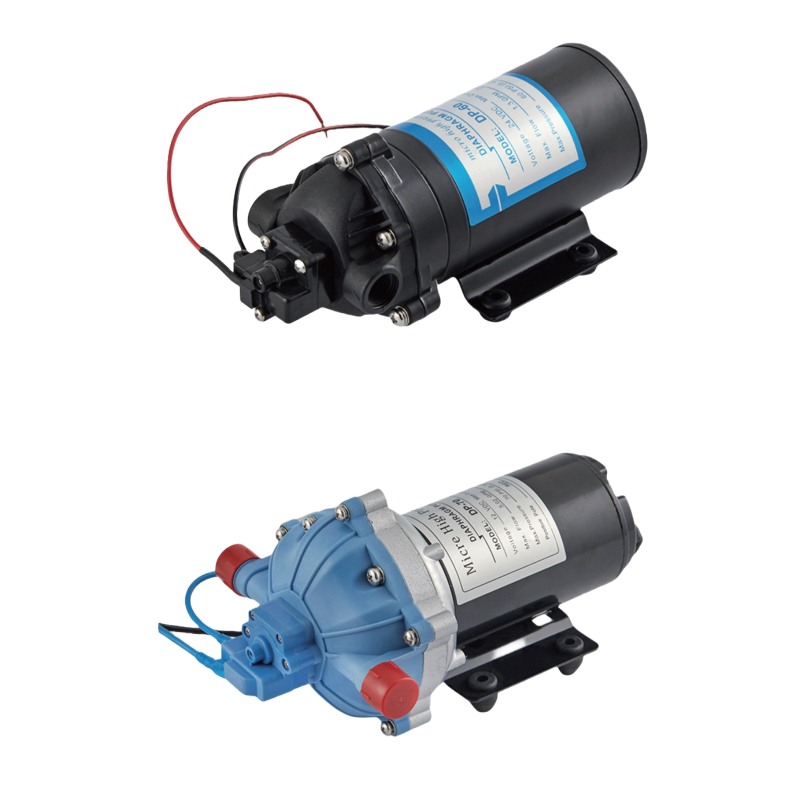
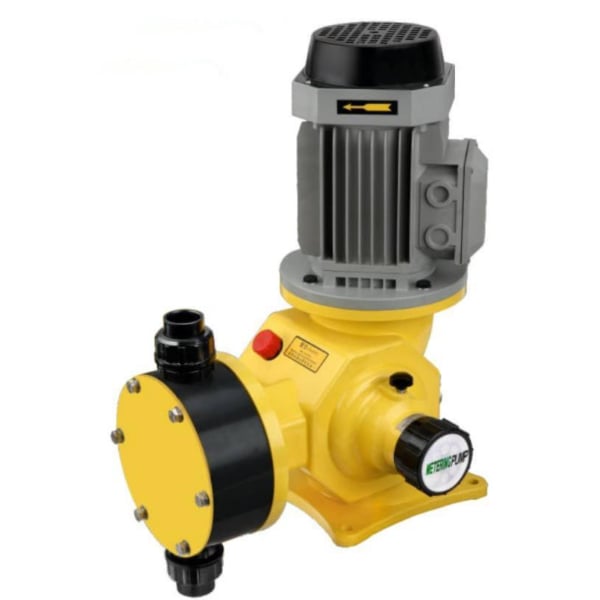
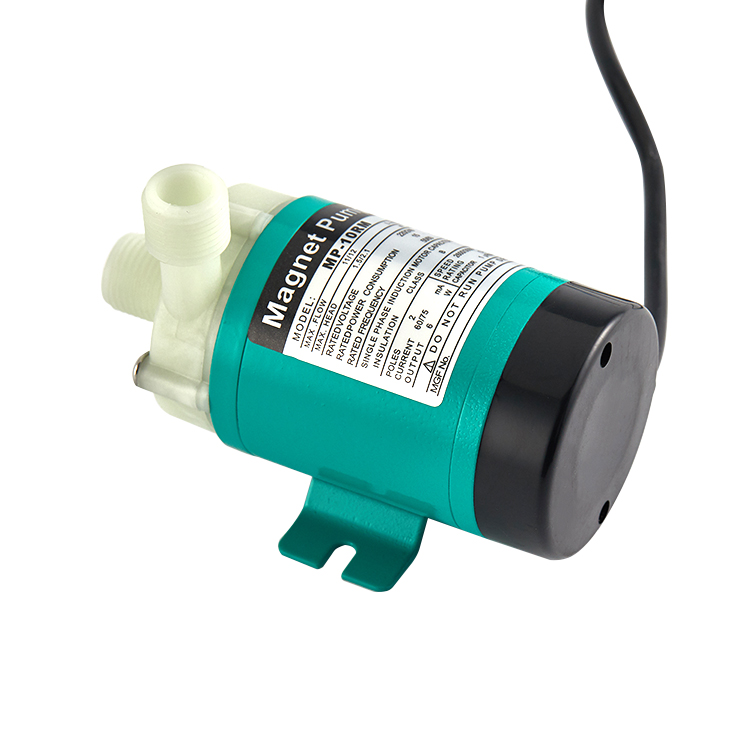
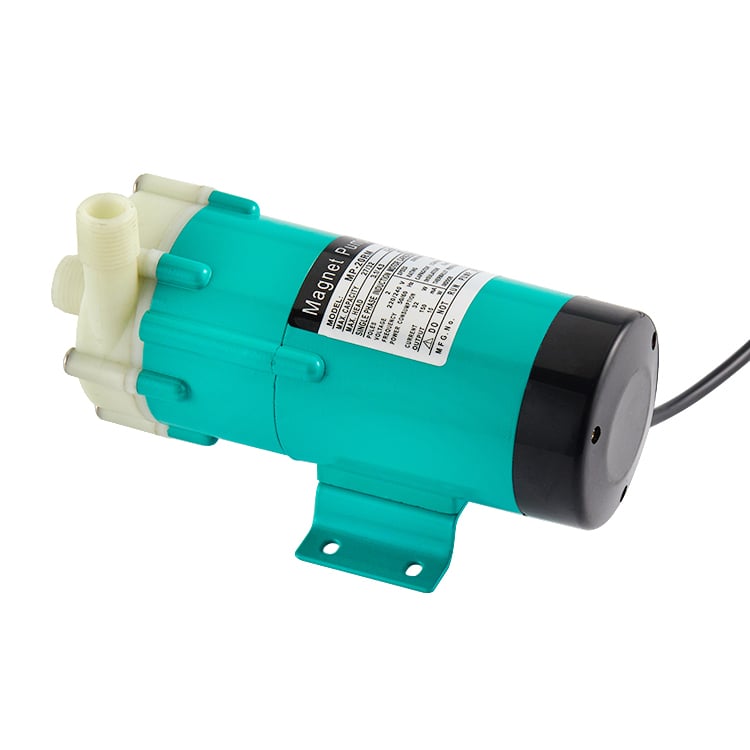
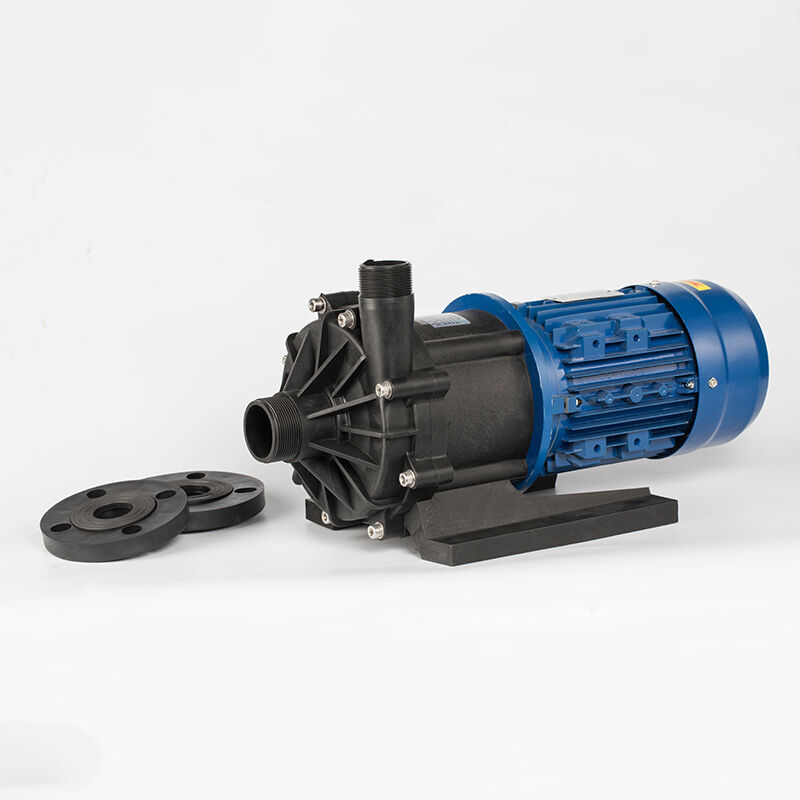
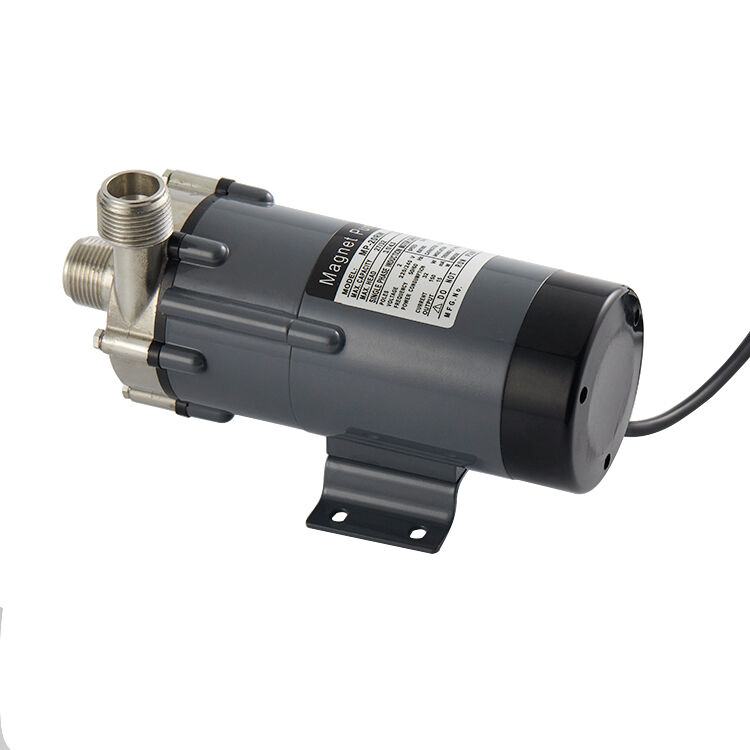
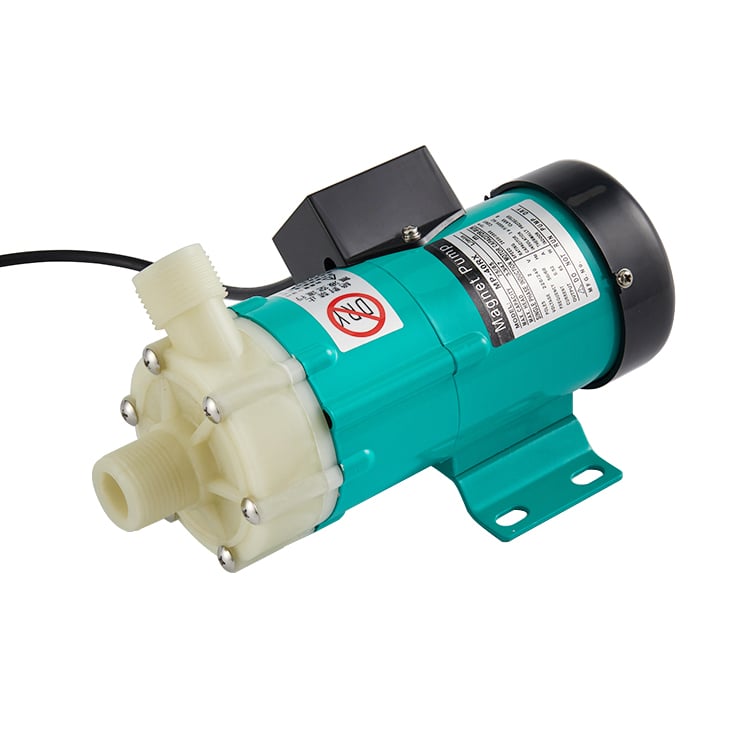
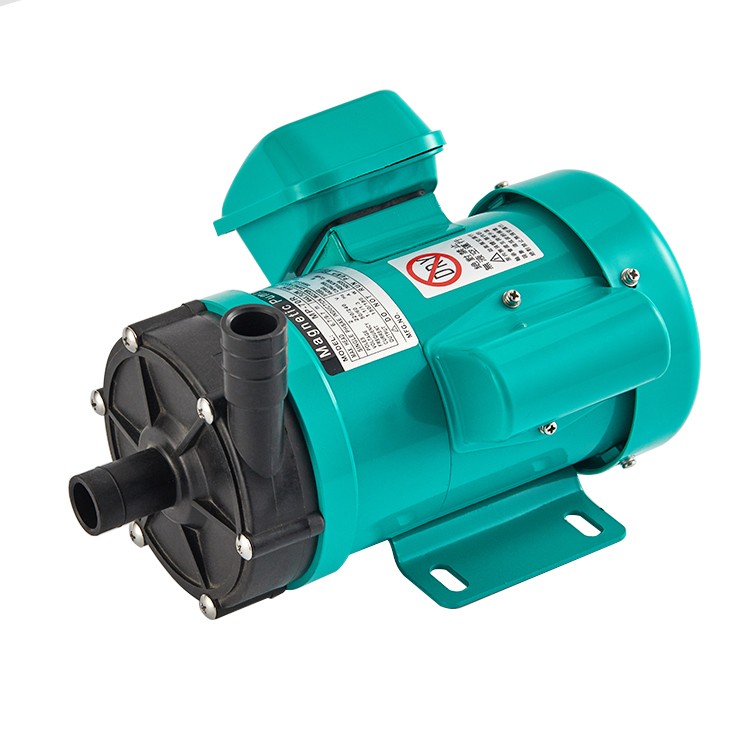
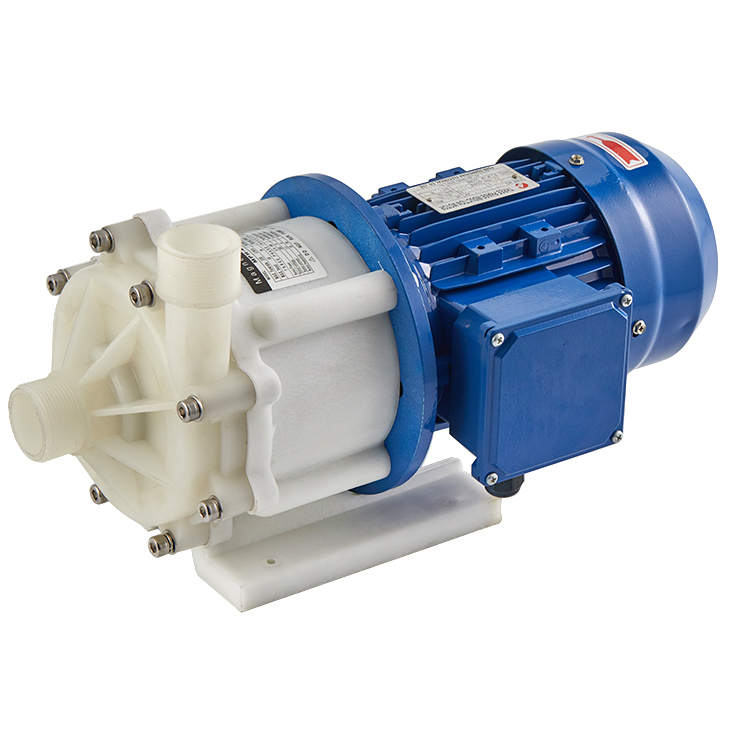
diaphragm industrial pump
A diaphragm industrial pump represents a revolutionary solution for fluid transfer applications across diverse industries. This diaphragm industrial pump operates through a reciprocating diaphragm mechanism that creates alternating pressure and vacuum cycles, enabling efficient movement of liquids without relying on traditional rotating impellers. The diaphragm industrial pump excels in handling challenging media, including abrasive slurries, viscous materials, and corrosive chemicals that would damage conventional pumping equipment.
The technological foundation of a diaphragm industrial pump incorporates precision-engineered diaphragms, typically constructed from elastomers or reinforced composites, paired with strategically positioned check valves. This configuration ensures unidirectional flow while minimizing pressure fluctuations. Modern diaphragm industrial pump designs feature advanced sealing systems that significantly reduce leakage rates and extend operational lifespan.
Applications for the diaphragm industrial pump span numerous sectors, including wastewater treatment, mining, chemical processing, food production, and pharmaceutical manufacturing. Industries choose the diaphragm industrial pump specifically for handling variable flow rates, dry-run capabilities, and superior versatility in demanding environments. The pump's ability to accommodate solids and maintain consistent performance makes it indispensable for operations requiring reliable fluid management. Whether processing mining tailings, transferring food-grade substances, or moving hazardous chemicals, the diaphragm industrial pump delivers dependable performance that industries can trust for critical operational requirements.

 EN
EN