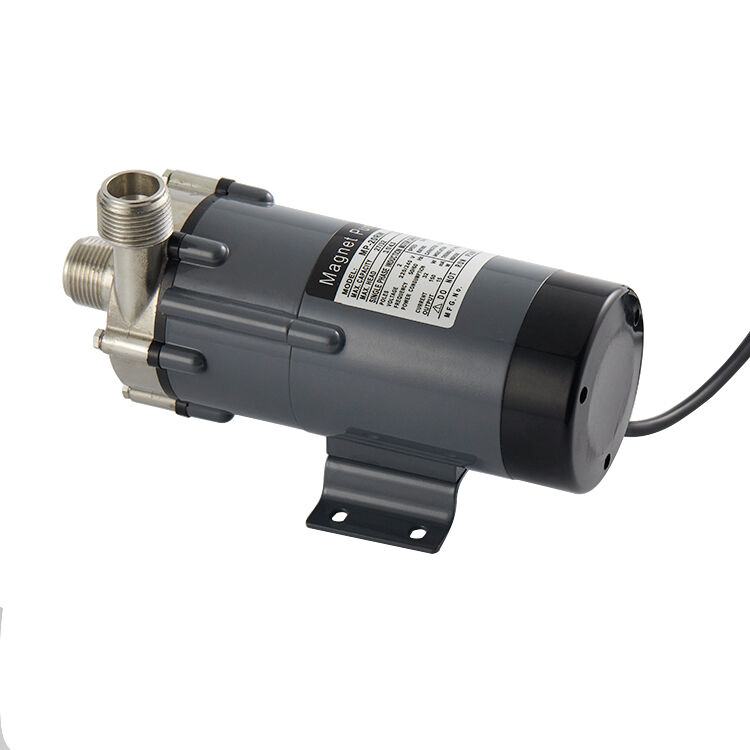
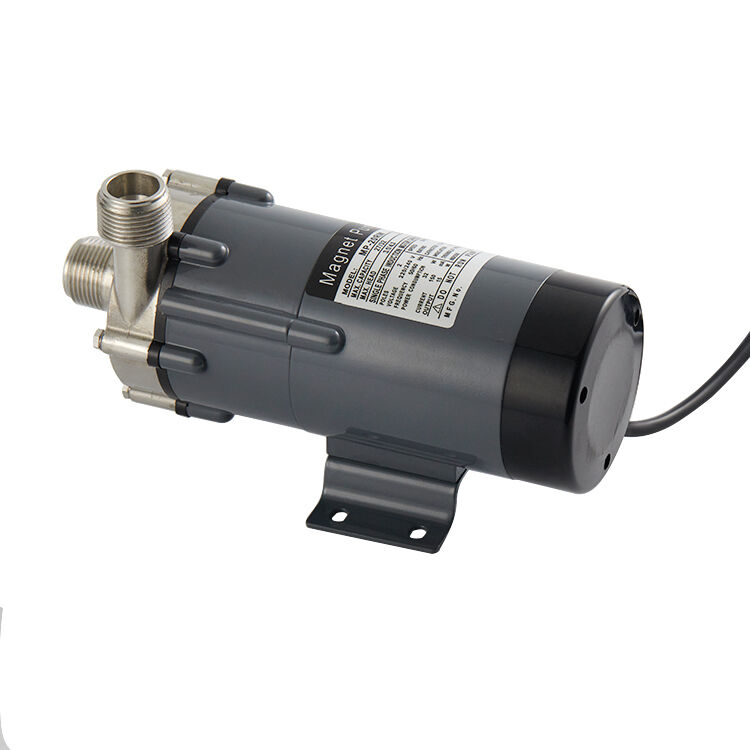
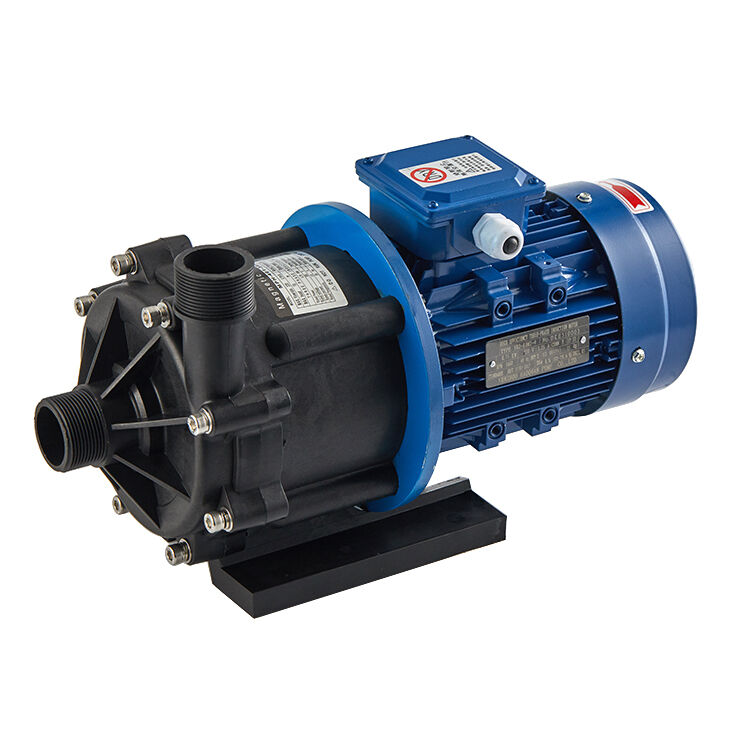
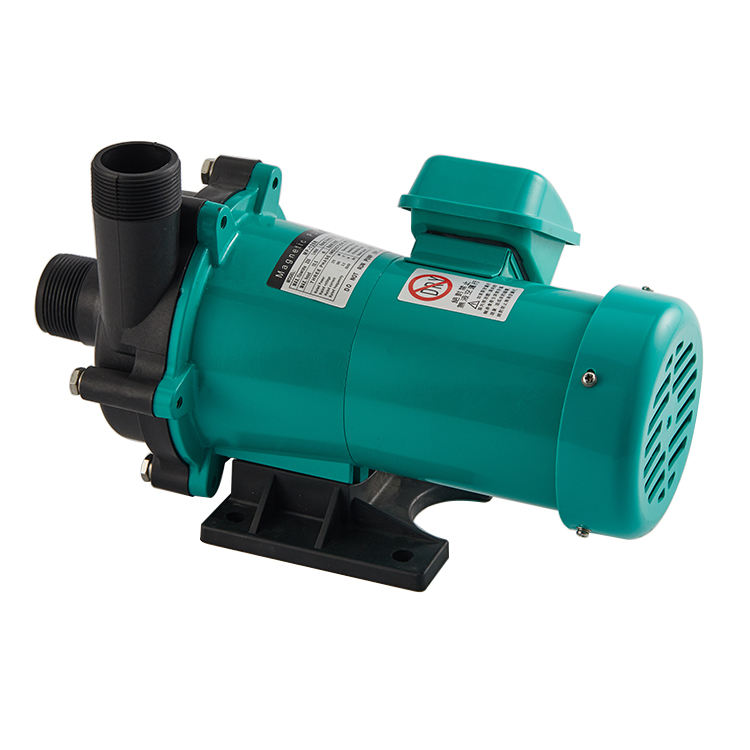
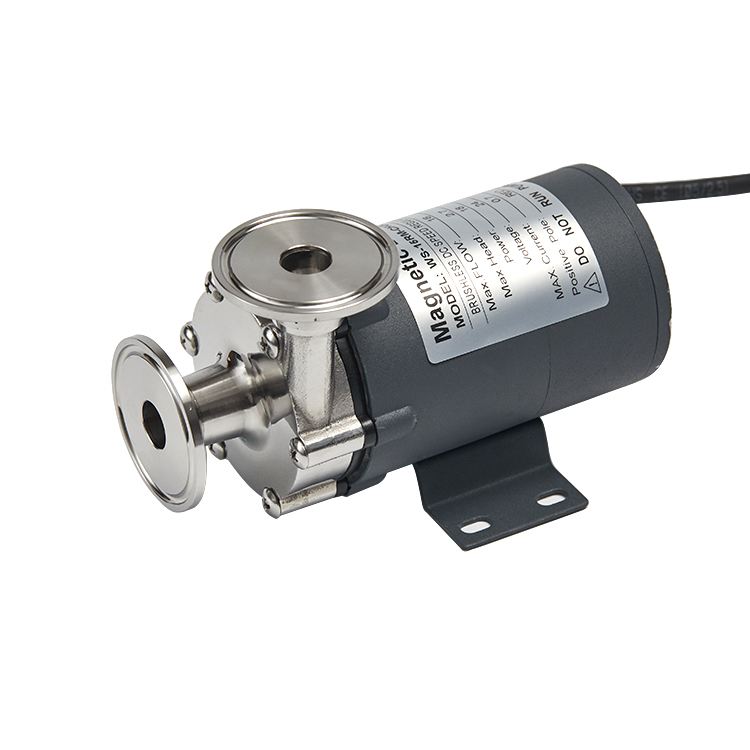
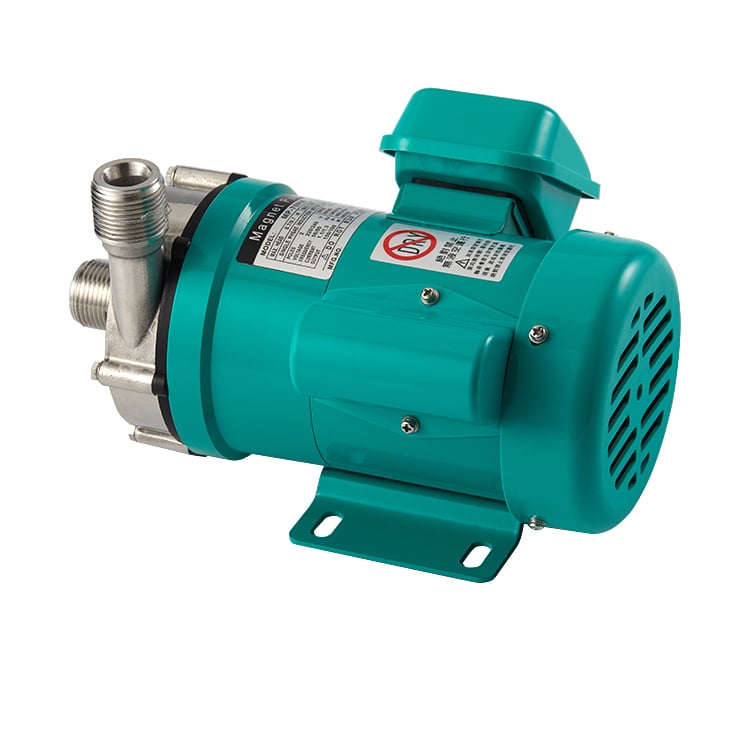
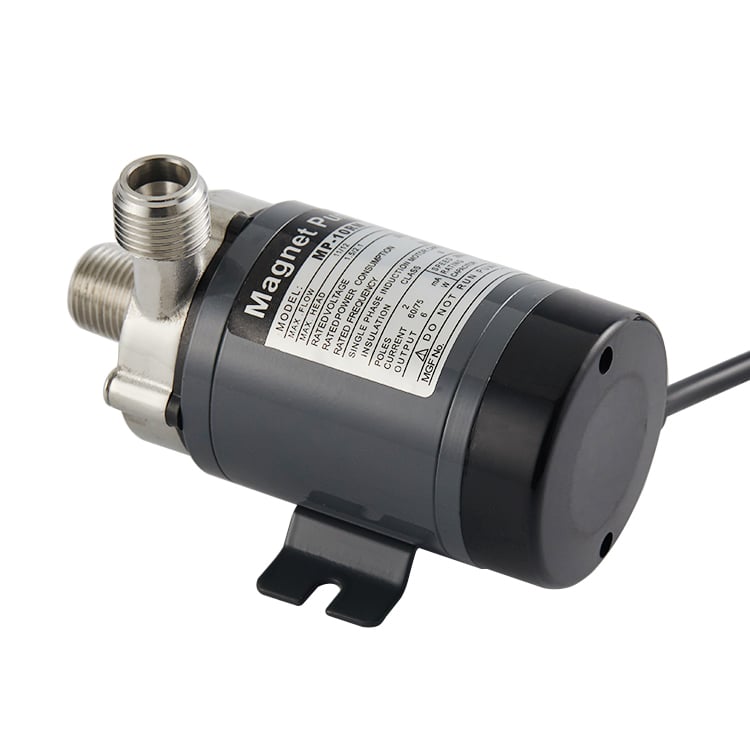
draft beer pump
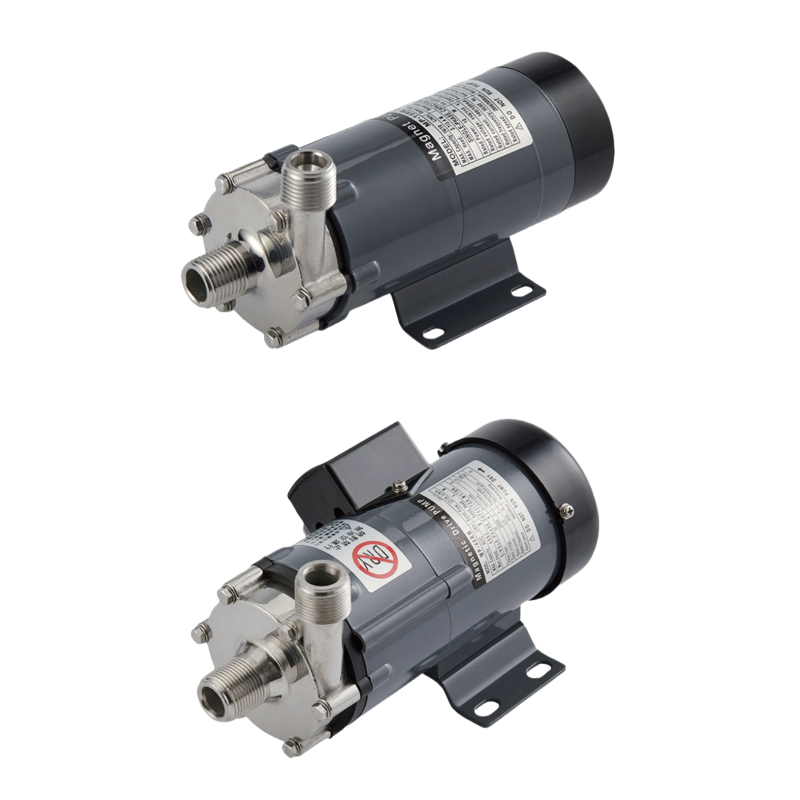
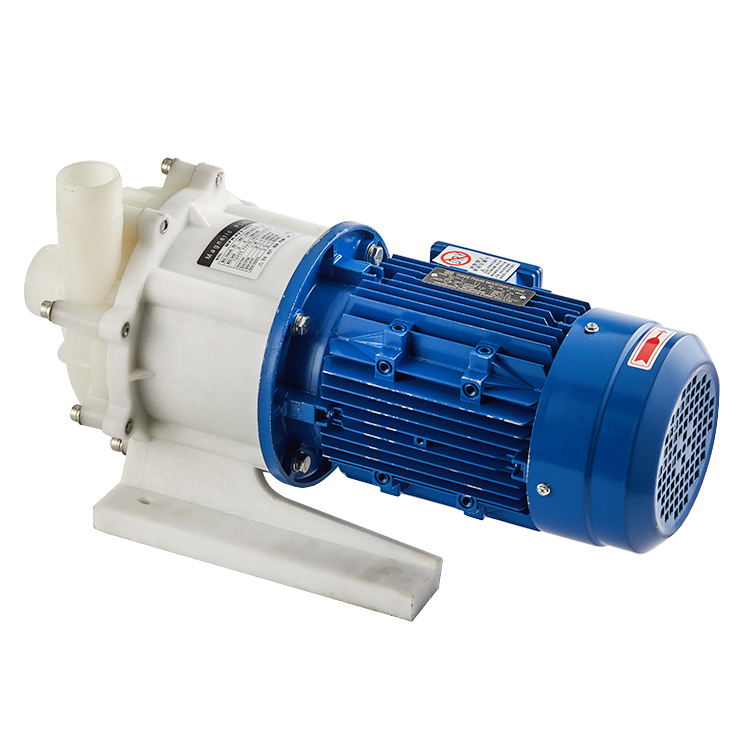
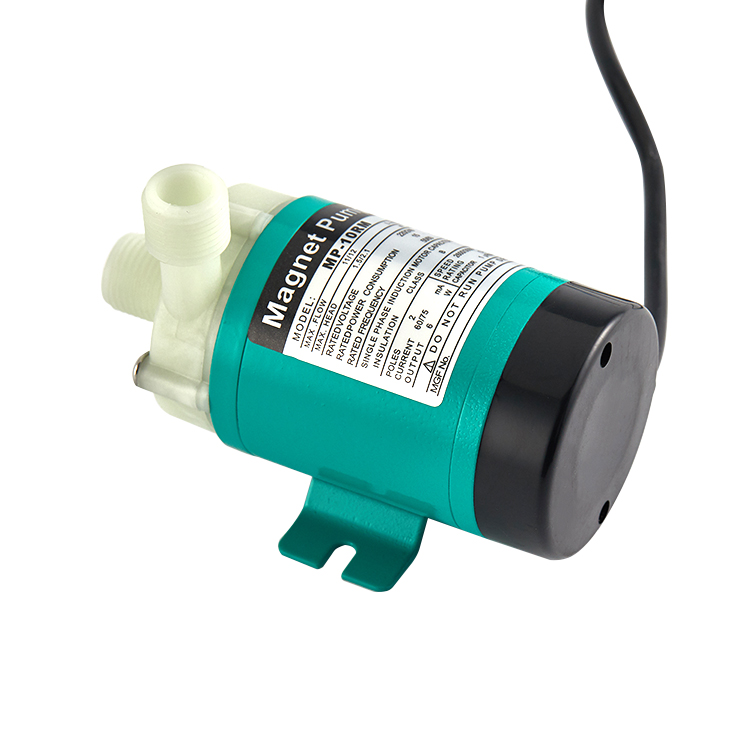
A draft beer pump is an essential dispensing device designed to deliver chilled beer from a keg or tap system directly into a glass with precision and consistency. This equipment plays a crucial role in bars, restaurants, breweries, and entertainment venues where high-volume beer service is required. The primary function of a draft beer pump is to maintain optimal pressure and temperature while controlling the flow rate of beer, ensuring every pour meets quality standards.
Modern draft beer pump systems incorporate advanced technological features that enhance operational efficiency. These include digital pressure regulators, temperature control mechanisms, and automated flow management systems that prevent wastage and maintain carbonation levels. The draft beer pump typically connects to CO2 or nitrogen cylinders, which supply the necessary pressure to push beer through distribution lines without losing its essential characteristics.
Applications for a draft beer pump extend beyond traditional bar settings. Breweries utilize these systems for quality testing and product development, while restaurants and hotels implement them to streamline service operations. Event venues and catering companies rely on portable draft beer pump solutions to serve large crowds efficiently. The draft beer pump has become indispensable in craft beer establishments, where precise temperature and pressure management directly influence taste and presentation. Whether in commercial settings or specialized applications, the draft beer pump represents the industry standard for professional beer dispensing, combining reliability with user-friendly operation to meet diverse customer preferences and business requirements.

 EN
EN