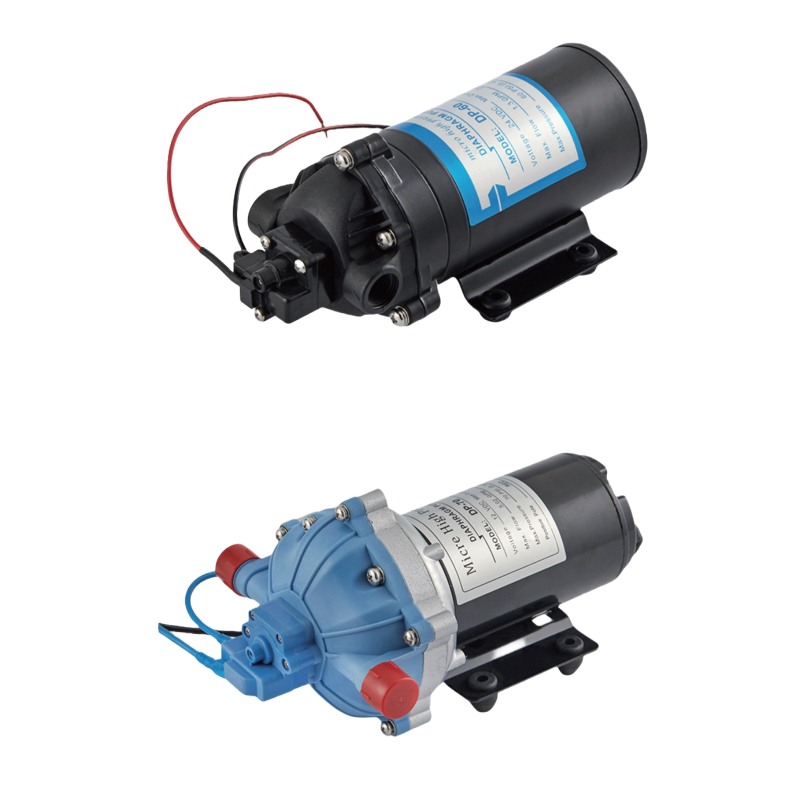
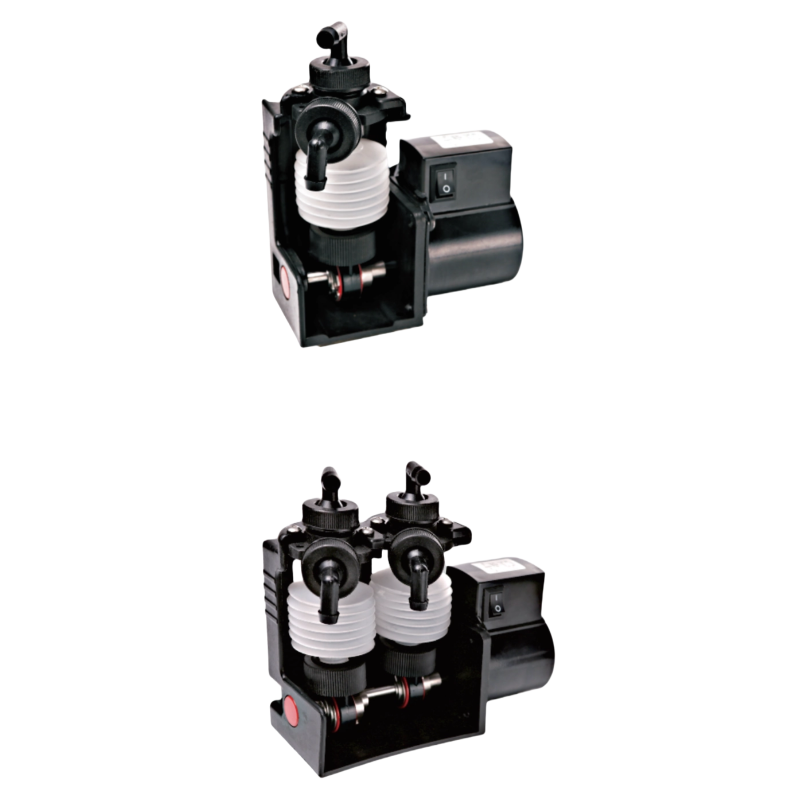
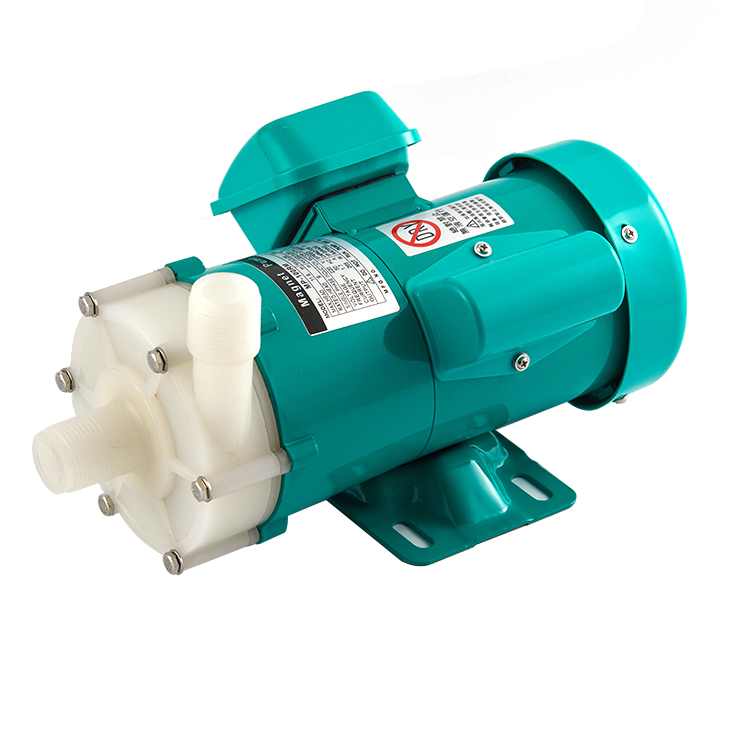
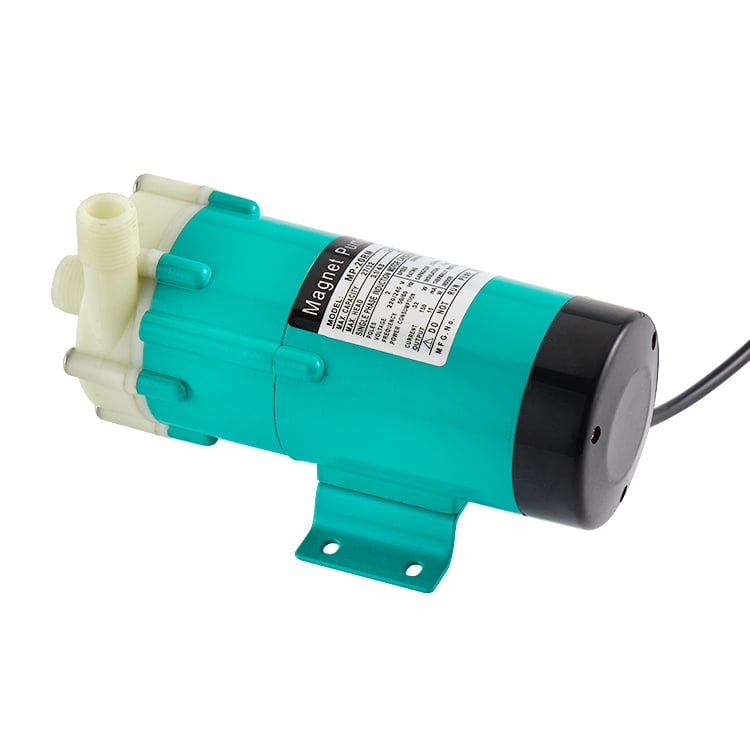
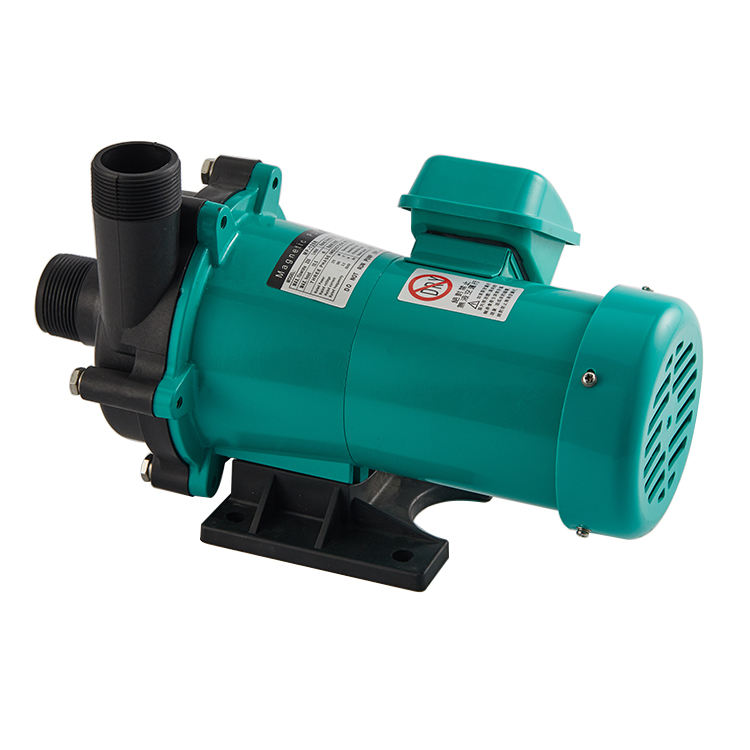
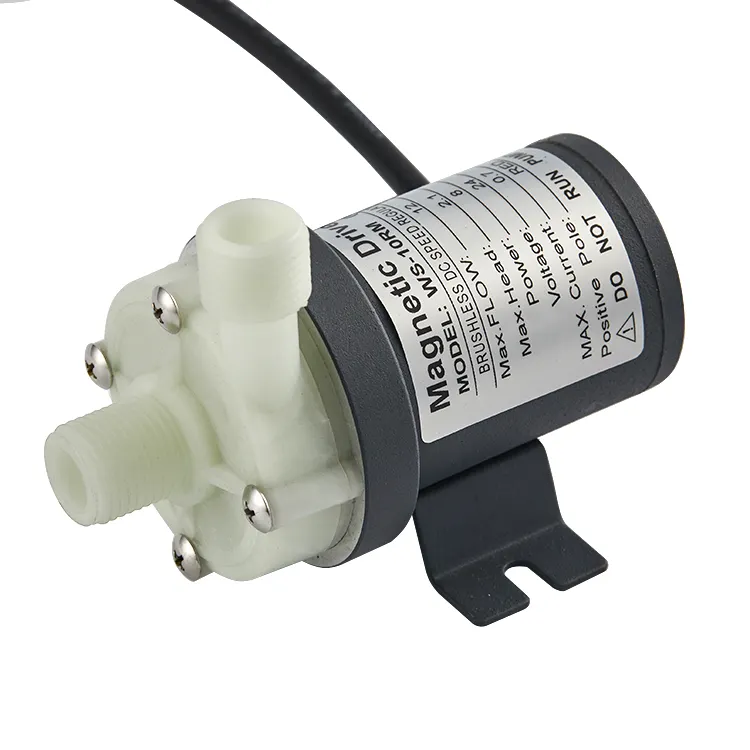
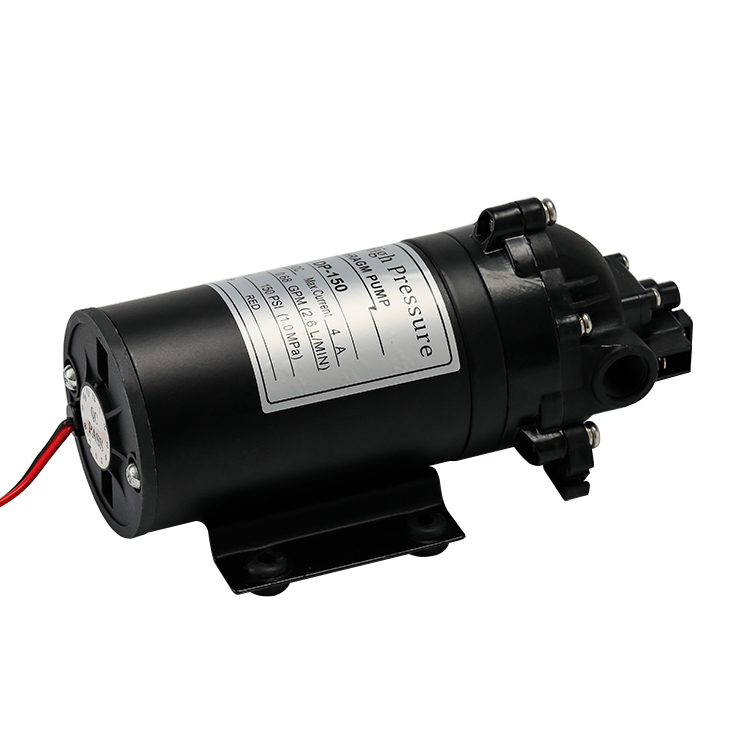
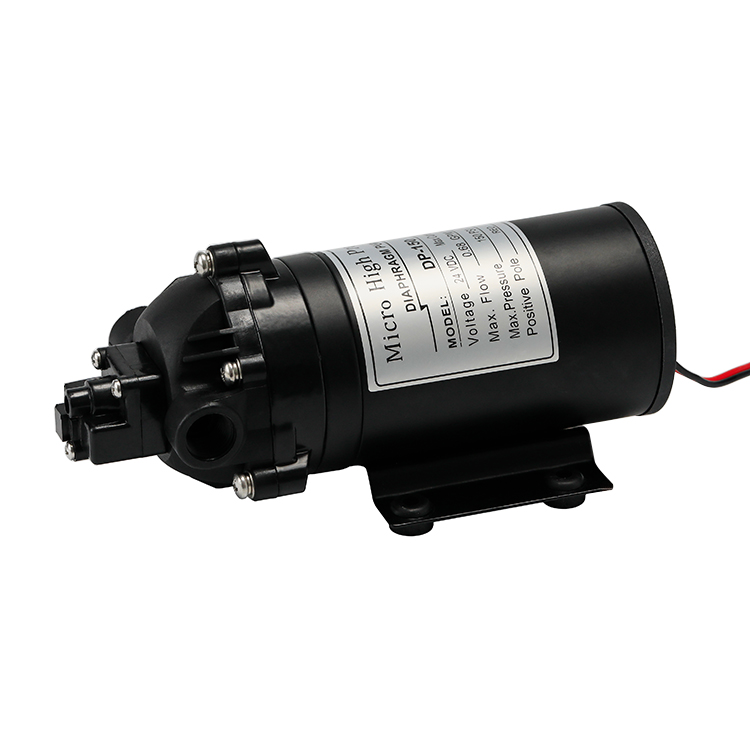
diesel high pressure water pump
A diesel high pressure water pump is a powerful mechanical device designed to deliver water at extremely high pressures using diesel engine technology. This essential equipment operates by converting diesel fuel into mechanical energy, which then propels water through specialized internal components at pressures far exceeding standard pumping systems. The diesel high pressure water pump functions as a critical tool across numerous industries where conventional pumps prove insufficient.
The primary function of a diesel high pressure water pump involves moving water against significant resistance, whether for cleaning industrial surfaces, dewatering construction sites, or supplying water to remote locations. These pumps excel in applications requiring consistent performance without dependence on electrical infrastructure. The diesel high pressure water pump incorporates robust internal mechanisms including high-capacity pistons, precision valves, and reinforced chambers that withstand extreme operational stress.
Technologically, the diesel high pressure water pump features advanced fuel injection systems, efficient cooling mechanisms, and durable cast-iron or aluminum construction. The equipment maintains pressure stability through sophisticated valve regulation and pressure relief systems. Modern diesel high pressure water pump models integrate enhanced fuel efficiency improvements and reduced emission technologies.
Applications span construction, mining, agriculture, municipal services, and industrial cleaning sectors. The diesel high pressure water pump proves invaluable for hydro-jetting pipelines, soil stabilization, dust suppression, and emergency water management. Its independence from electrical power sources makes the diesel high pressure water pump particularly valuable in remote regions or areas experiencing power disruptions, establishing it as an indispensable asset across diverse operational environments.

 EN
EN