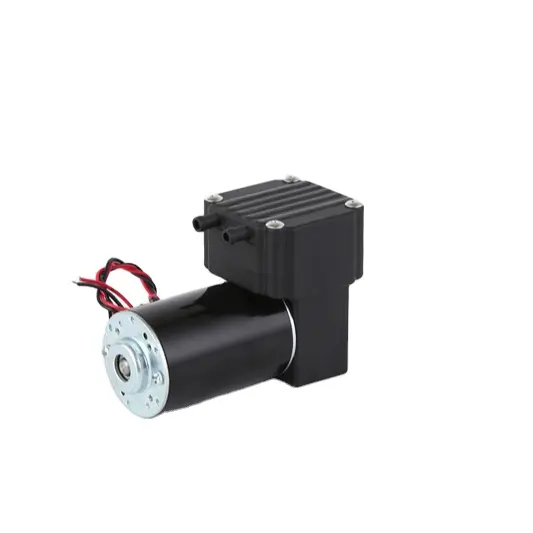
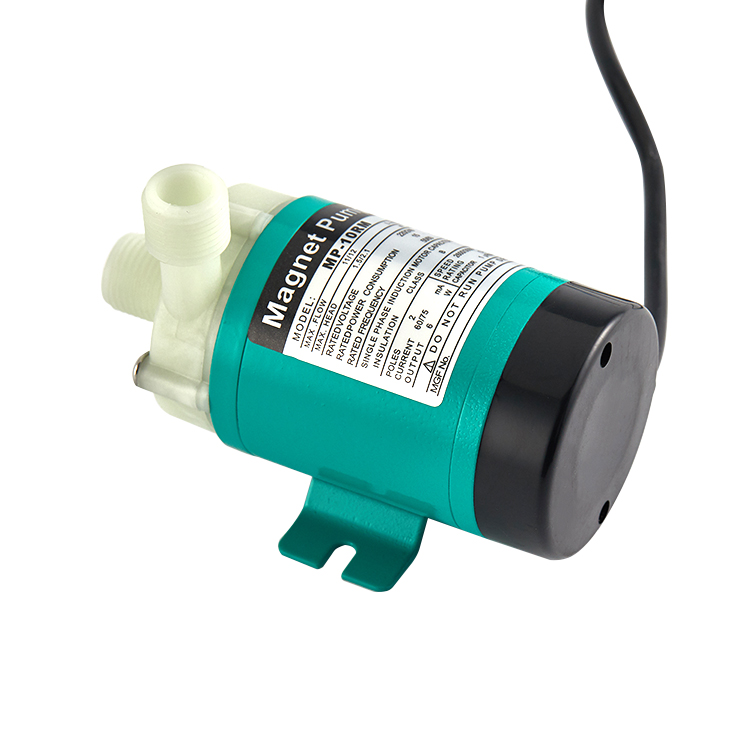
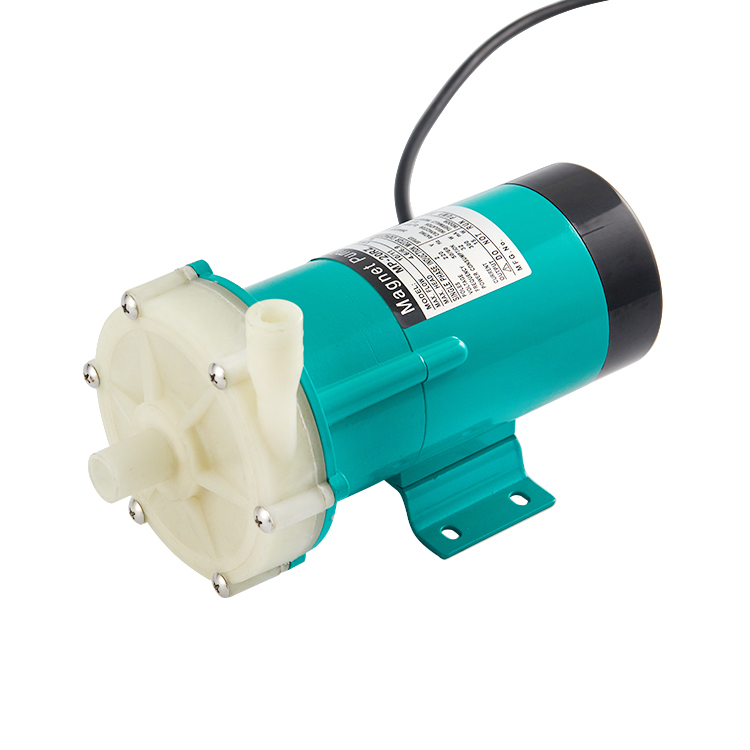
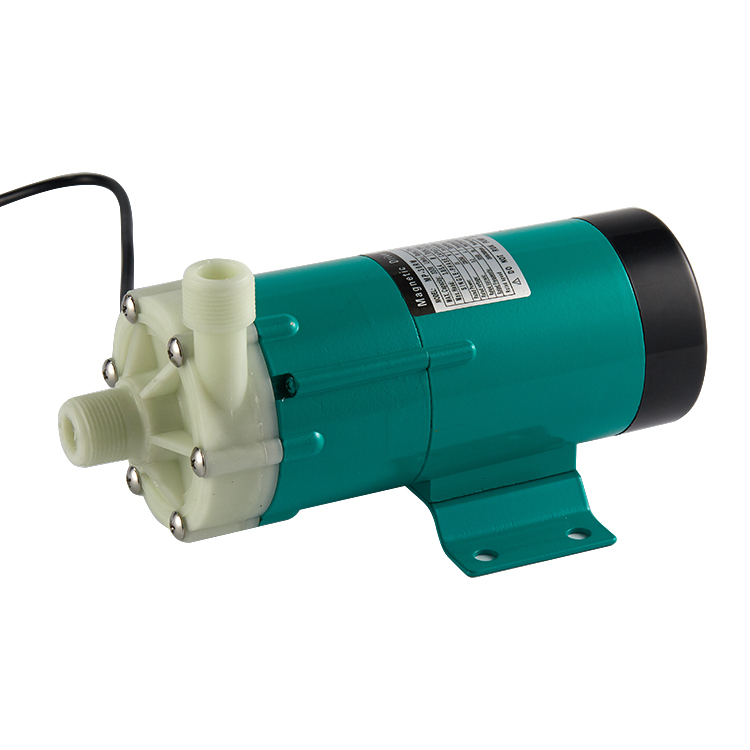
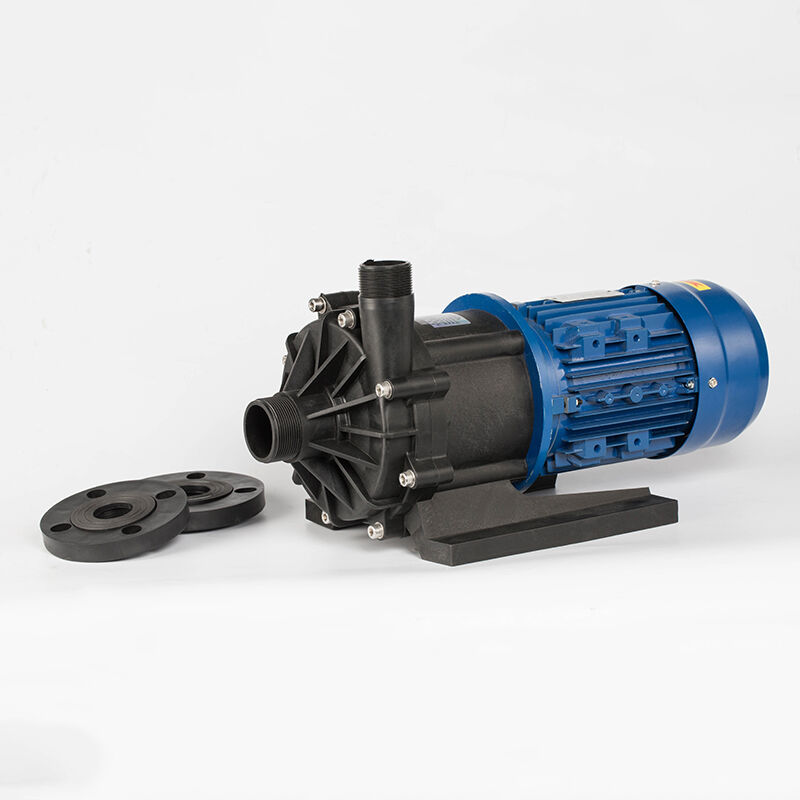
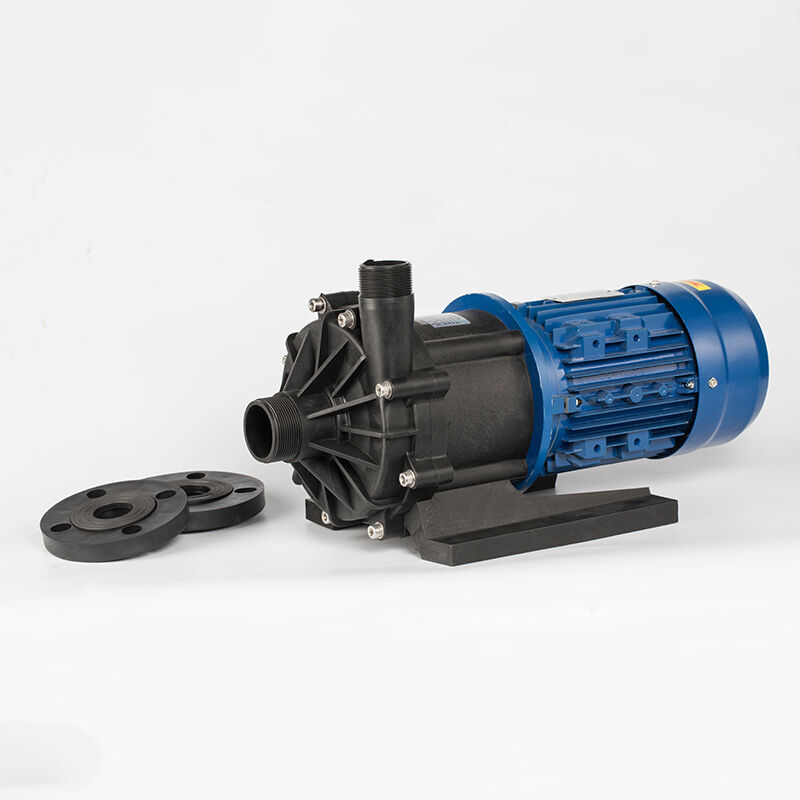
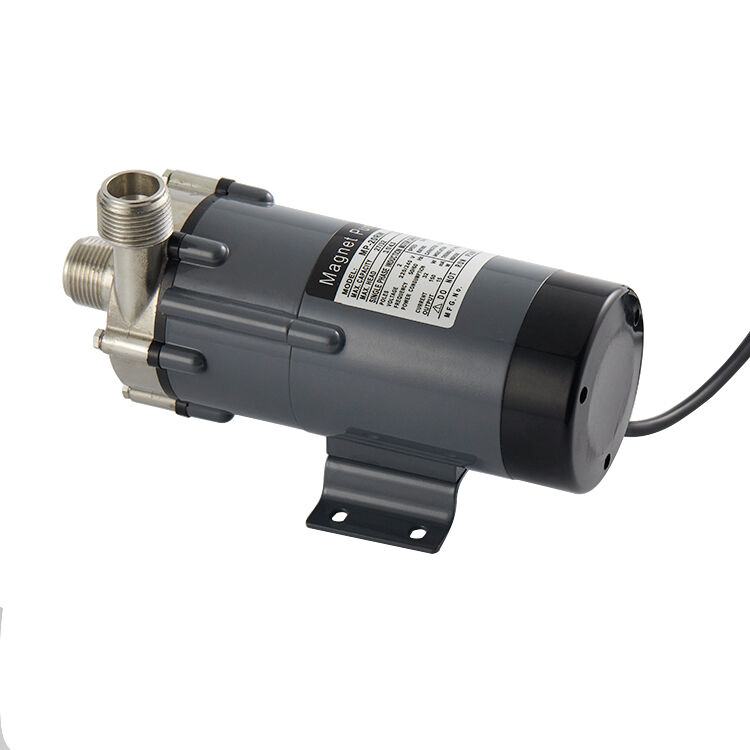
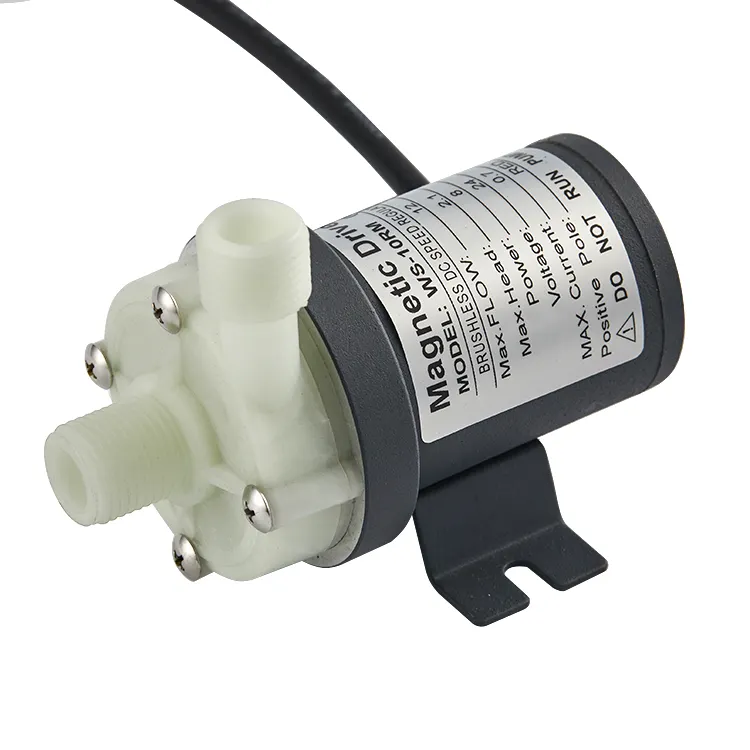
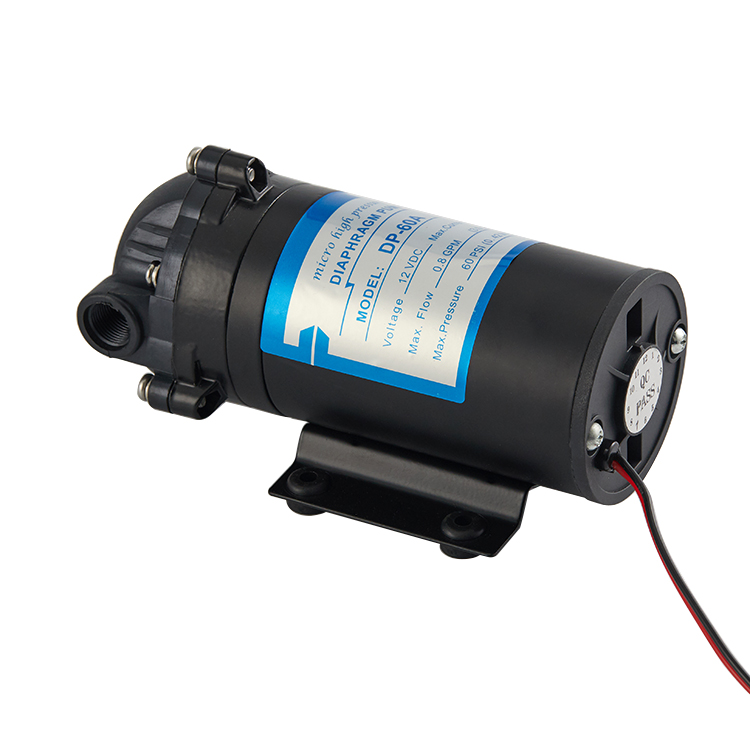
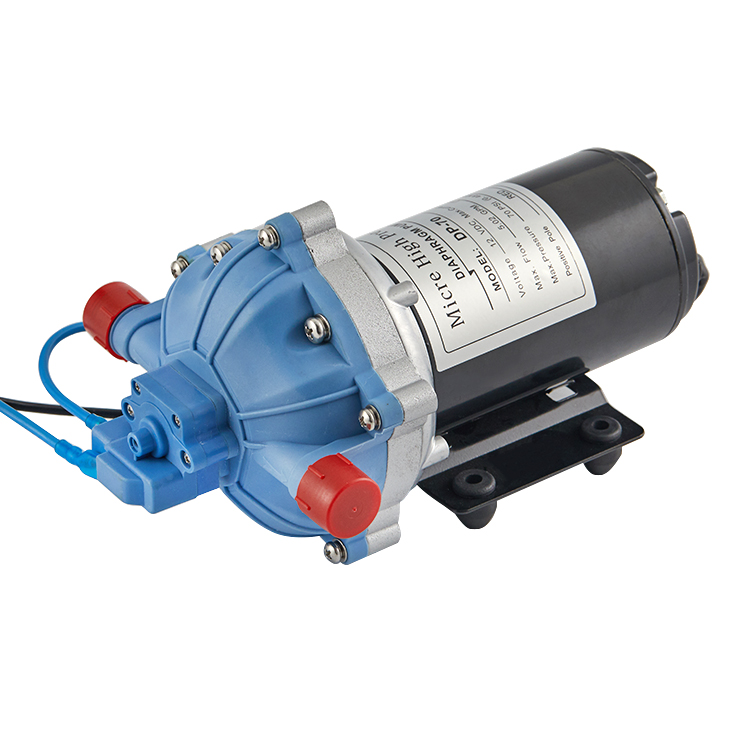
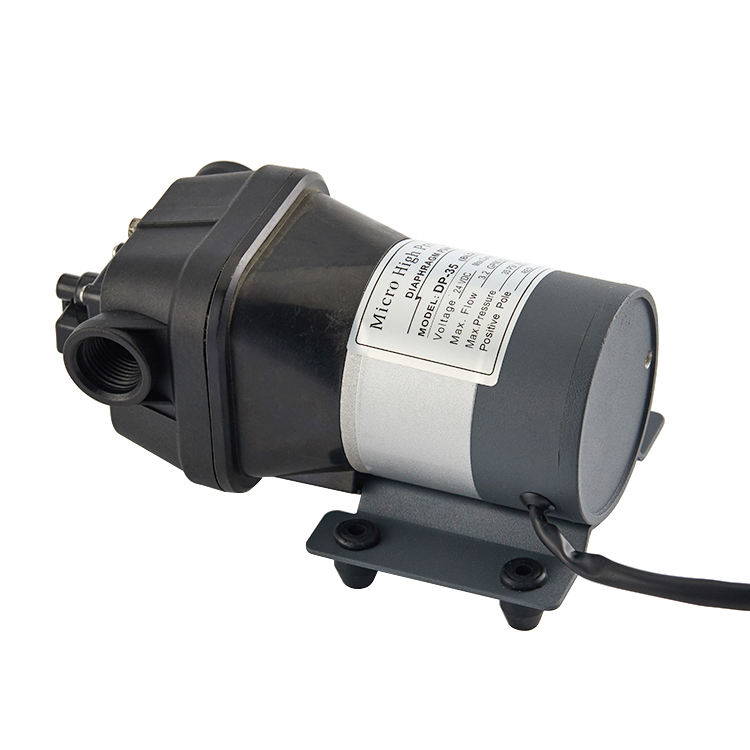
electric high pressure pump
An electric high pressure pump is a sophisticated hydraulic device designed to convert electrical energy into pressurized fluid flow with exceptional force and precision. This electric high pressure pump operates by utilizing an electric motor to drive internal pistons or gears, which compress fluid to achieve pressures ranging from thousands to tens of thousands of PSI. The electric high pressure pump represents a fundamental technology in modern industrial applications, offering reliable performance across diverse sectors.
The core functionality of an electric high pressure pump involves intake, compression, and discharge cycles that generate consistent pressure output. Modern electric high pressure pump systems incorporate advanced pressure regulation mechanisms, ensuring stable operation under varying load conditions. These devices feature sealed designs that minimize environmental contamination and extend operational lifespan significantly.
Technologically, the electric high pressure pump integrates variable displacement mechanisms, allowing operators to adjust flow rates and pressure outputs according to specific application requirements. Built-in safety features, including pressure relief valves and thermal protection systems, safeguard equipment and personnel. The electric high pressure pump utilizes premium materials and precision engineering to withstand extreme operating conditions.
Applications for the electric high pressure pump span waterjet cutting, industrial cleaning, hydraulic pressing, and specialized manufacturing processes. Industries including automotive, aerospace, construction, and food processing rely extensively on electric high pressure pump technology for critical operations. The electric high pressure pump's versatility and dependability make it indispensable across modern industrial landscapes, delivering superior performance where traditional mechanical systems fall short.

 EN
EN