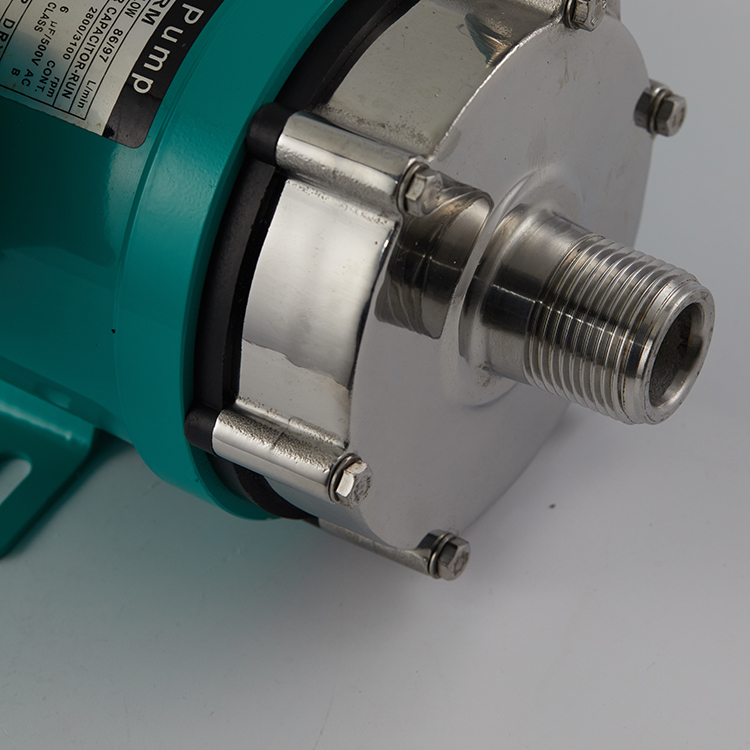
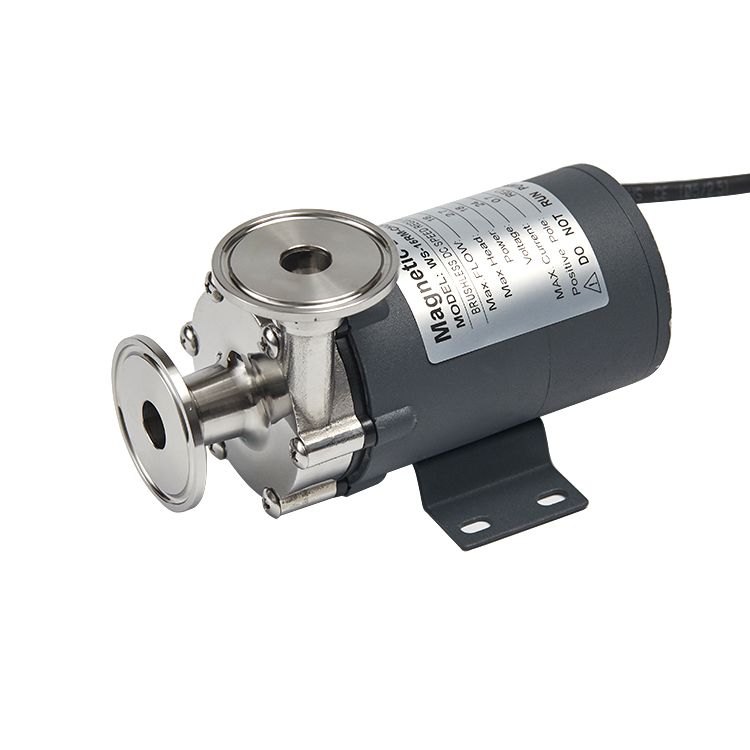
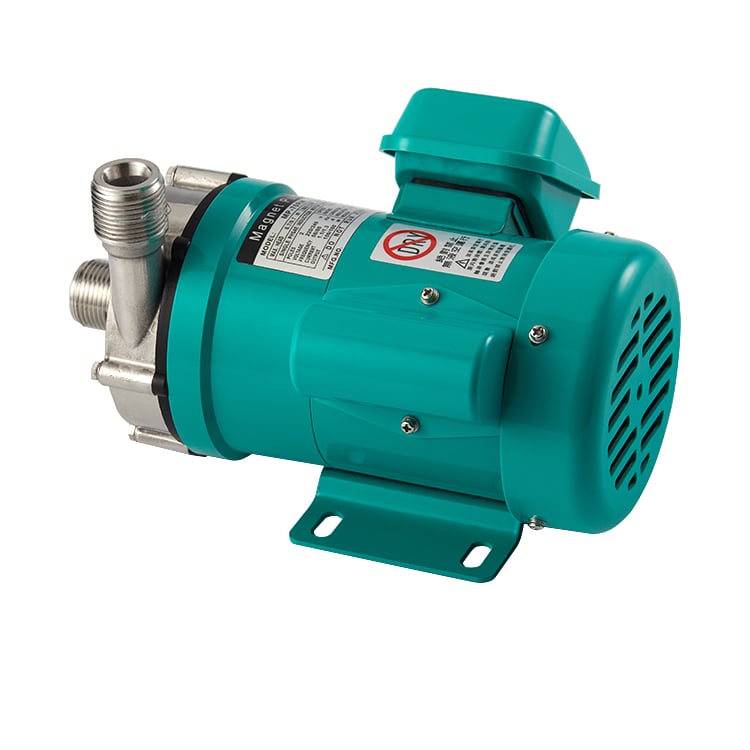
stainless steel wort pump
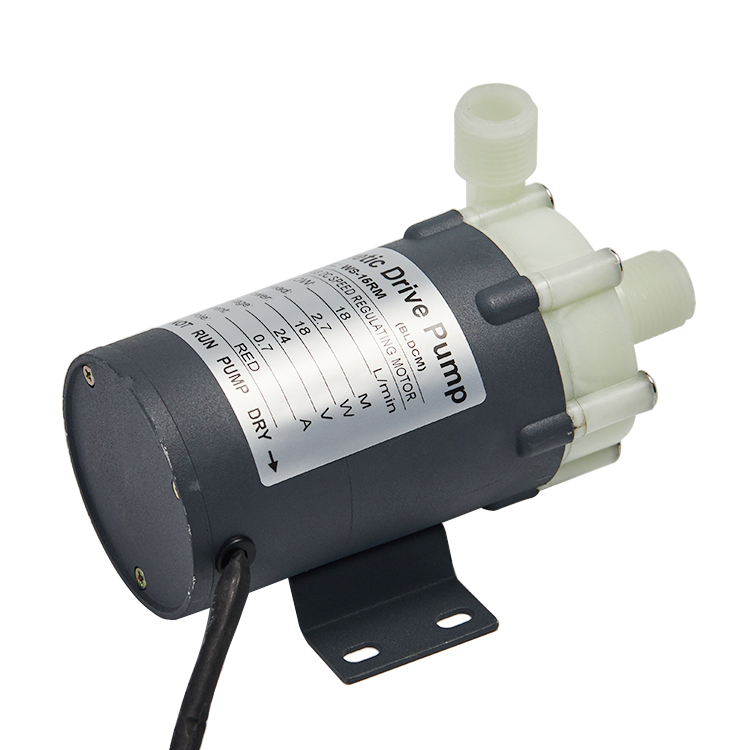
A stainless steel wort pump represents an essential piece of equipment for breweries, distilleries, and home brewing enthusiasts seeking reliable fluid transfer solutions. This specialized pump is engineered to move hot wort—the liquid extracted during the mashing process—from one vessel to another with precision and efficiency. The stainless steel wort pump combines durability with performance, making it indispensable for professional and semi-professional brewing operations.
The primary function of a stainless steel wort pump is to facilitate the transfer of wort at various temperatures throughout the brewing cycle. Unlike standard pumps, the stainless steel wort pump handles temperatures ranging from ambient to over 200 degrees Fahrenheit without degradation. This capability makes it ideal for recirculation during mashing, lautering, and kettle transfers.
Technologically, the stainless steel wort pump features construction from food-grade stainless steel that resists corrosion and contamination. Its impeller design generates smooth, consistent flow rates while minimizing foam and aeration—critical factors in maintaining wort quality. Many models include variable speed controls that allow operators to adjust flow rates based on specific brewing requirements.
Applications for the stainless steel wort pump extend across commercial breweries, craft operations, and advanced home brewing setups. The pump integrates seamlessly into existing brewery systems, connecting easily to standard tubing and fittings. Whether used for efficiency in large-scale production or precision in small-batch crafting, the stainless steel wort pump delivers reliable performance that brewers can depend on throughout the brewing process.

 EN
EN