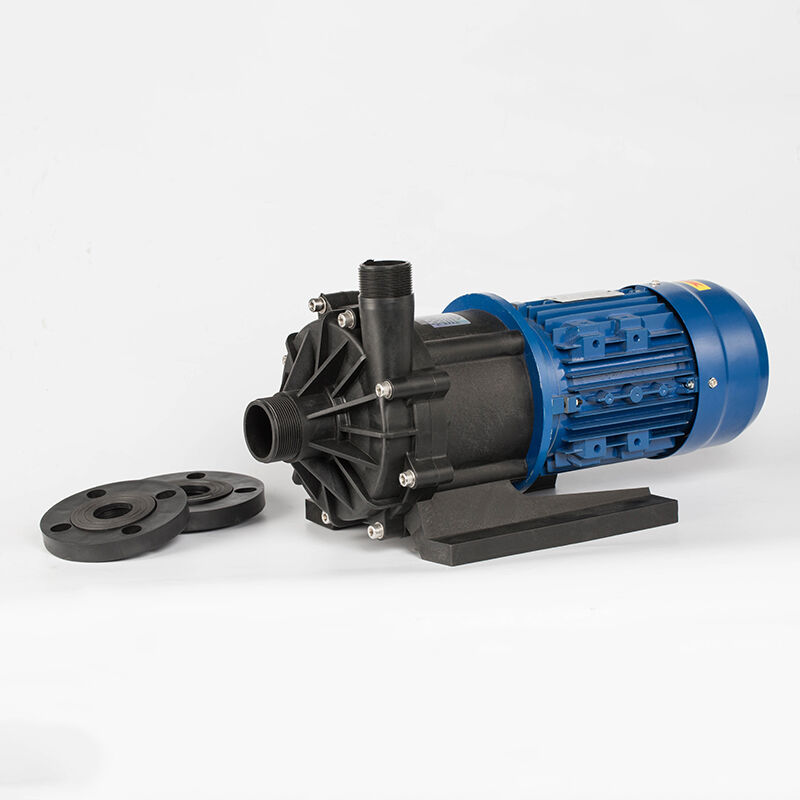
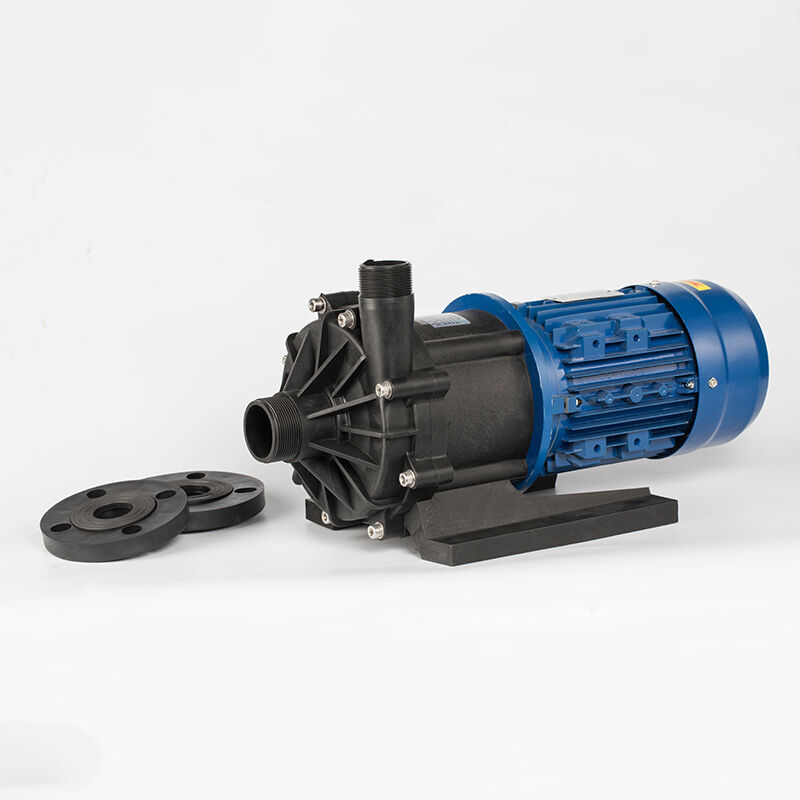
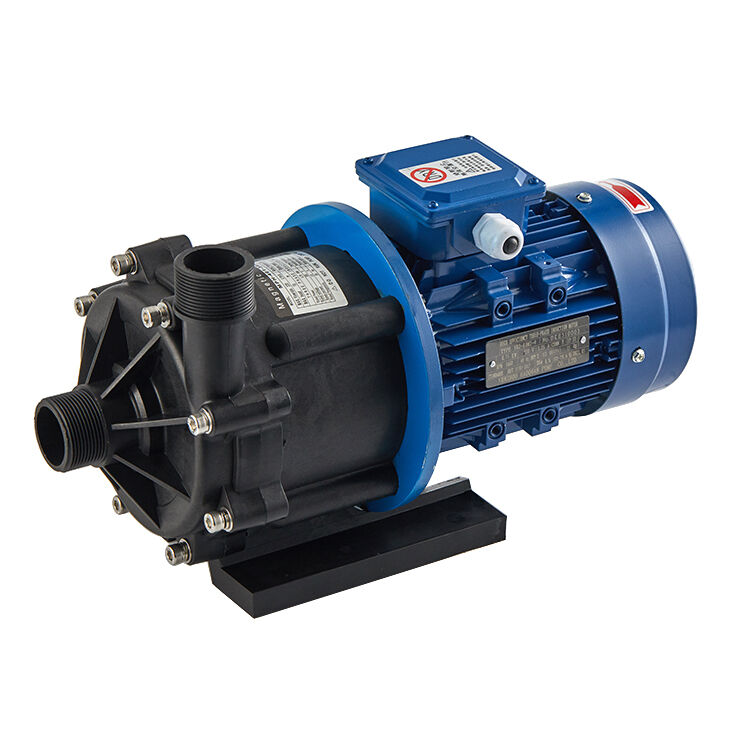
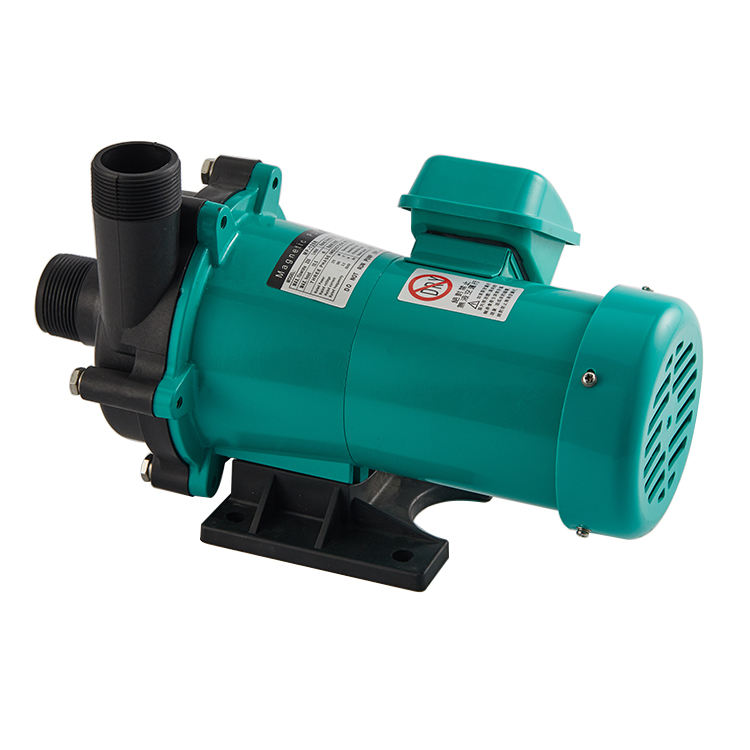
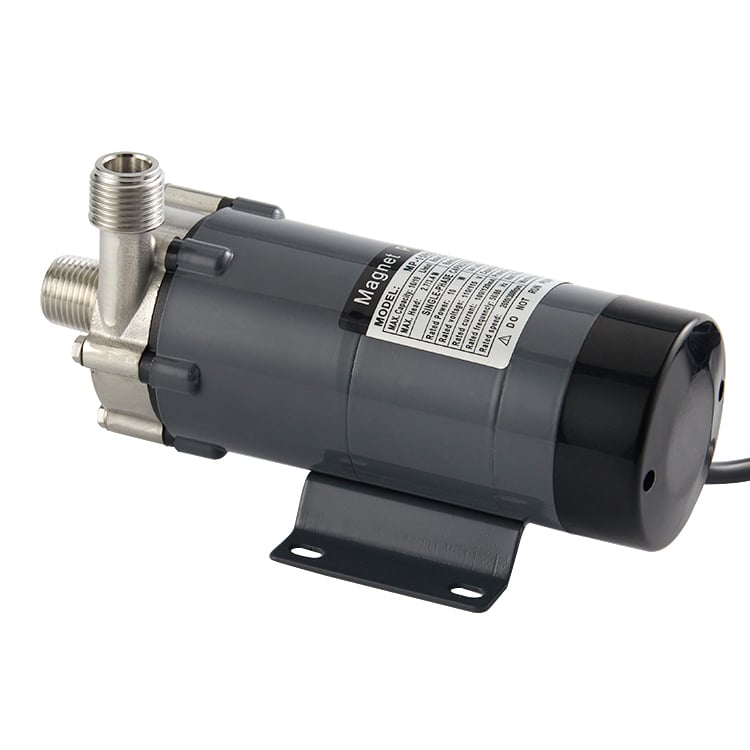
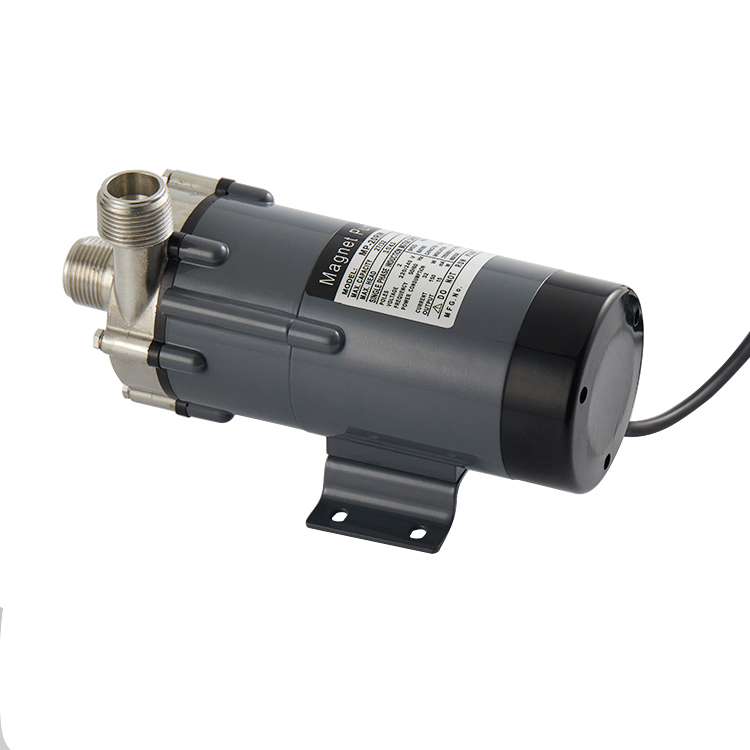
brushless cooling pump
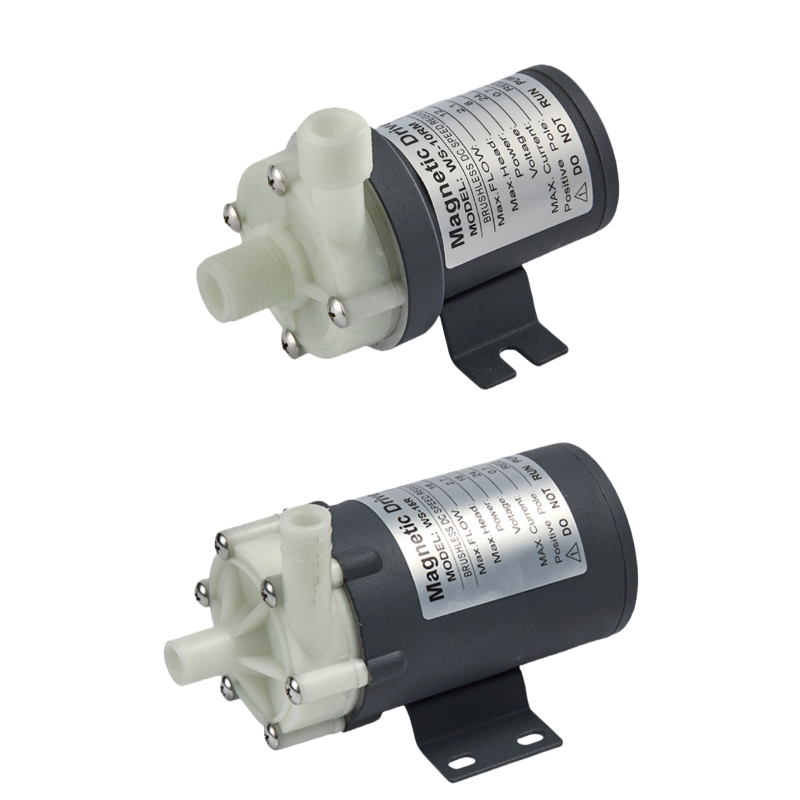
A brushless cooling pump represents a modern advancement in thermal management technology, delivering efficient heat dissipation for various industrial and residential applications. This innovative brushless cooling pump operates without traditional brushes, utilizing electronic commutation to drive its motor mechanism. The brushless cooling pump functions by circulating coolant through systems to maintain optimal operating temperatures, preventing equipment overheating and extending machinery lifespan.
The primary function of a brushless cooling pump involves moving liquid coolant from one location to another with minimal energy consumption. The brushless cooling pump's motor uses permanent magnets and electronic controllers to create smooth, continuous rotation without mechanical wear. Key technological features include variable speed control, enhanced durability, and significantly reduced maintenance requirements compared to conventional alternatives.
A brushless cooling pump finds applications across multiple industries including automotive cooling systems, computer server refrigeration, industrial water circulation, and HVAC systems. The brushless cooling pump technology adapts well to both compact installations and large-scale operations. Its engineering supports seamless integration into existing infrastructure while providing superior performance metrics. The brushless cooling pump delivers consistent pressure regulation and temperature control through advanced sensor systems and intelligent electronics. These pumps operate quietly, generate minimal vibration, and require virtually no maintenance interventions throughout their extended operational lifetime, making them ideal solutions for demanding environments requiring reliable thermal regulation.

 EN
EN