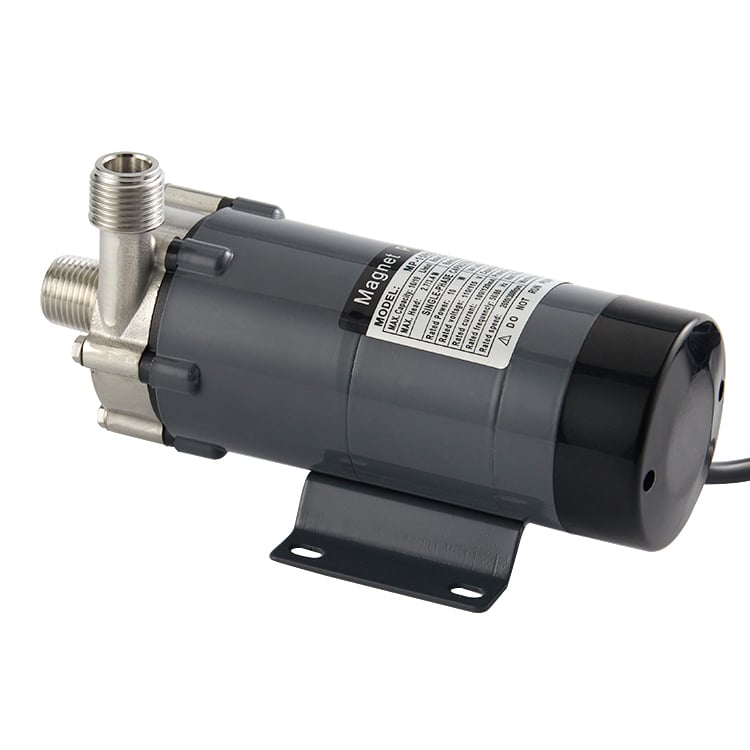
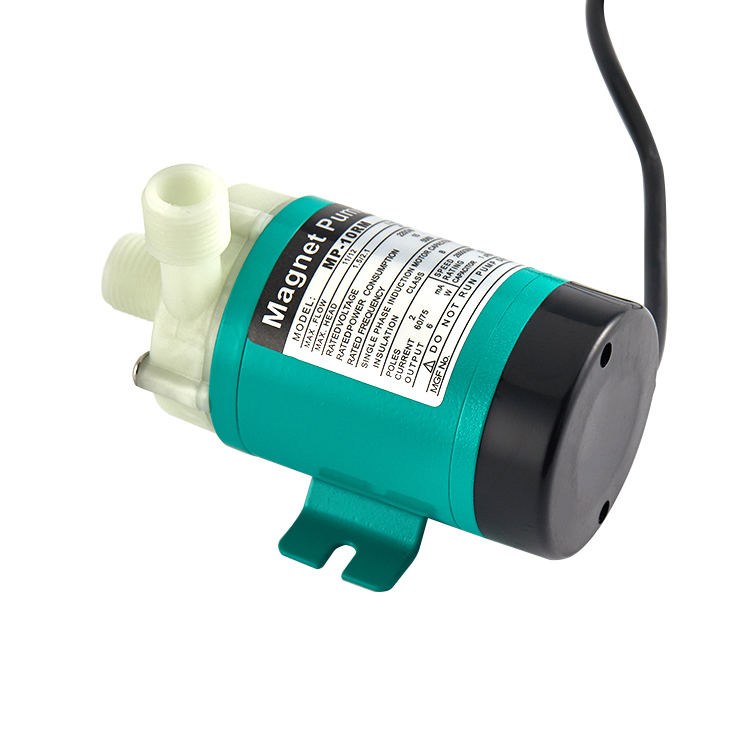
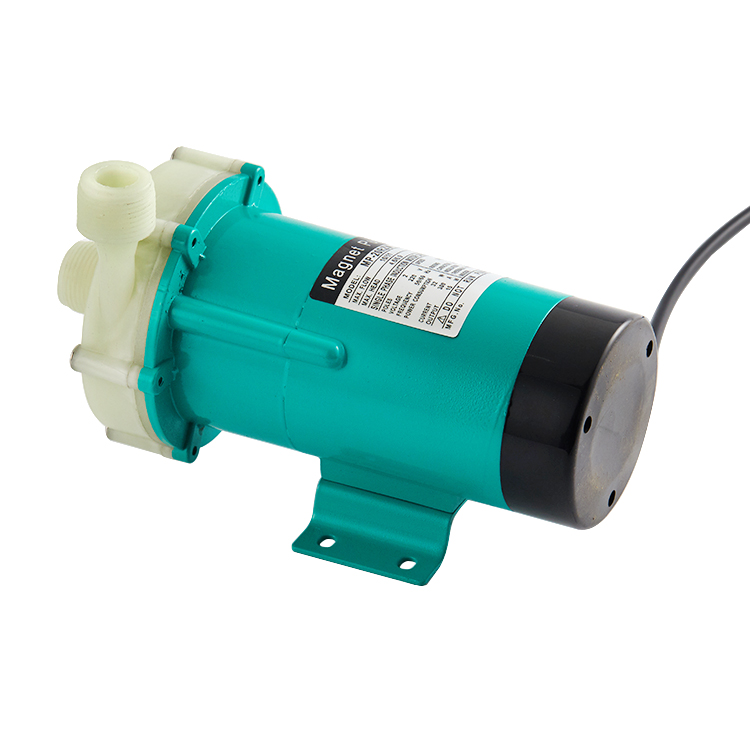
silent cooling pump
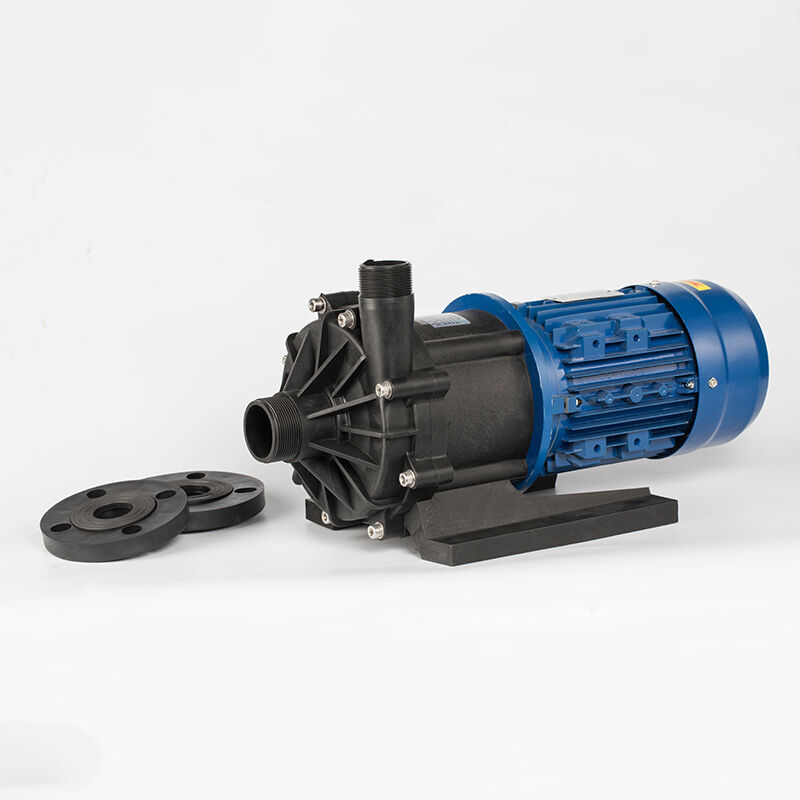
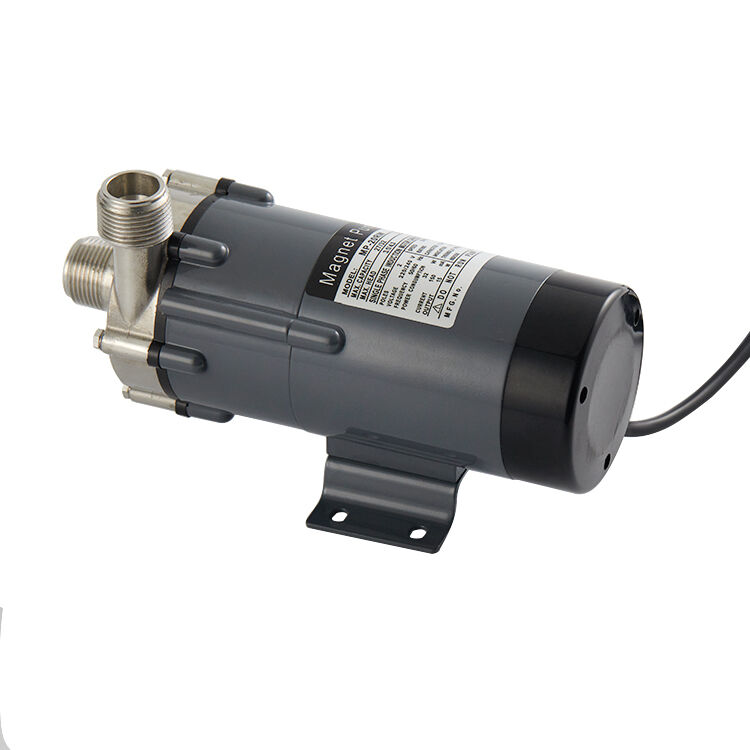
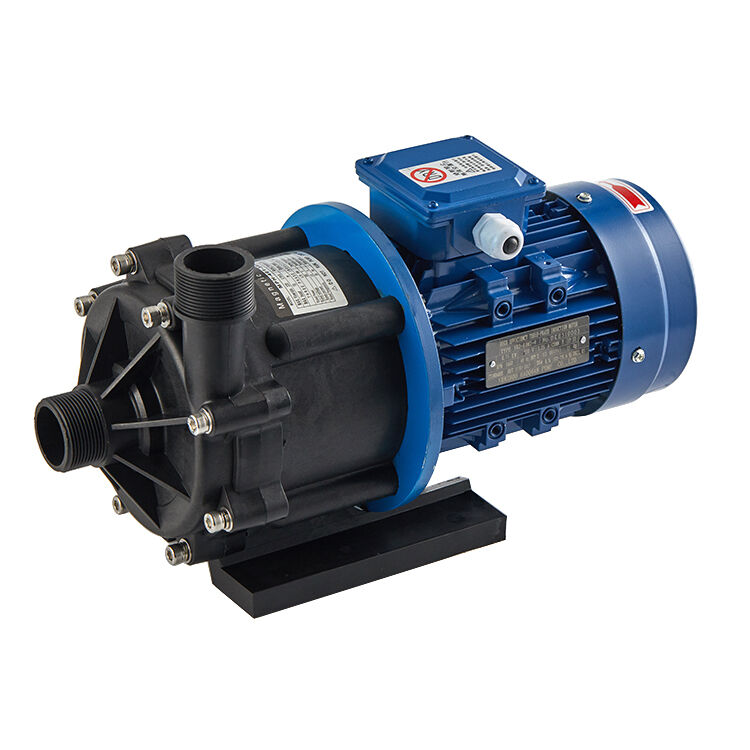
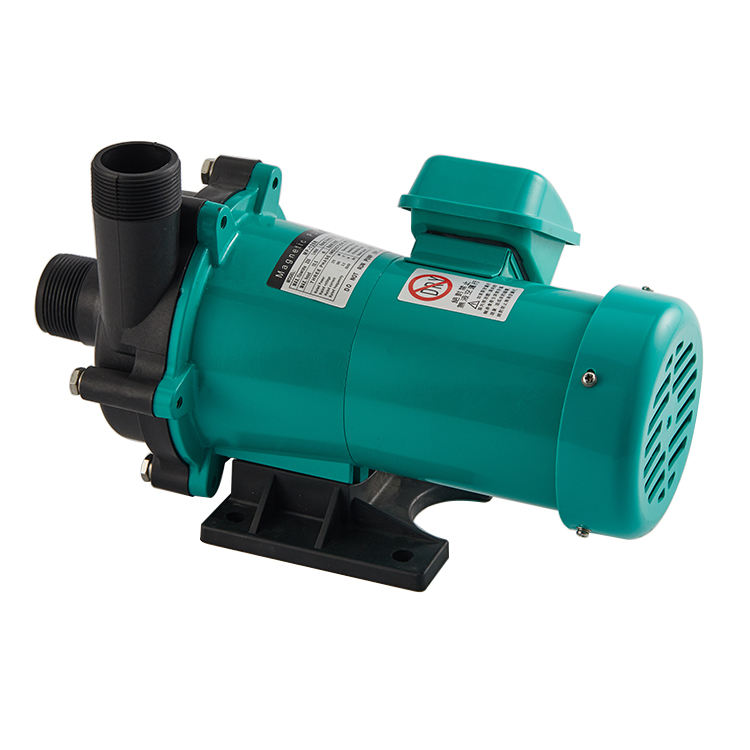
A silent cooling pump represents a modern solution for efficient thermal management in various applications. This advanced device combines cutting-edge engineering with noise-reduction technology to deliver superior cooling performance without disturbing sound levels. The silent cooling pump operates by circulating coolant through a closed system, effectively removing heat from machinery, equipment, or industrial processes while maintaining exceptionally quiet operation.
The main function of a silent cooling pump is to maintain optimal temperature conditions by transferring heat away from critical components. Unlike traditional cooling systems, the silent cooling pump utilizes innovative impeller designs and vibration-dampening materials that minimize operational noise while maximizing cooling efficiency. This technology proves invaluable in noise-sensitive environments where standard pumps would create unacceptable acoustic disturbance.
Key technological features of the silent cooling pump include advanced motor bearings that reduce friction, precision-engineered impellers that optimize fluid dynamics, and sound-insulating casings that absorb vibration and noise. Many models incorporate intelligent variable-speed controls that allow operators to adjust performance based on real-time temperature requirements, further enhancing energy efficiency.
Applications for the silent cooling pump span diverse industries and settings. Data centers benefit from its quiet operation during continuous cooling cycles. Medical facilities appreciate the reduced noise in sensitive patient environments. Manufacturing plants utilize the silent cooling pump for machine tool cooling, while laboratories depend on it for precise temperature-critical experiments. Residential and commercial HVAC systems increasingly incorporate silent cooling pump technology for improved comfort and noise control, making it an essential component in modern cooling infrastructure.

 EN
EN