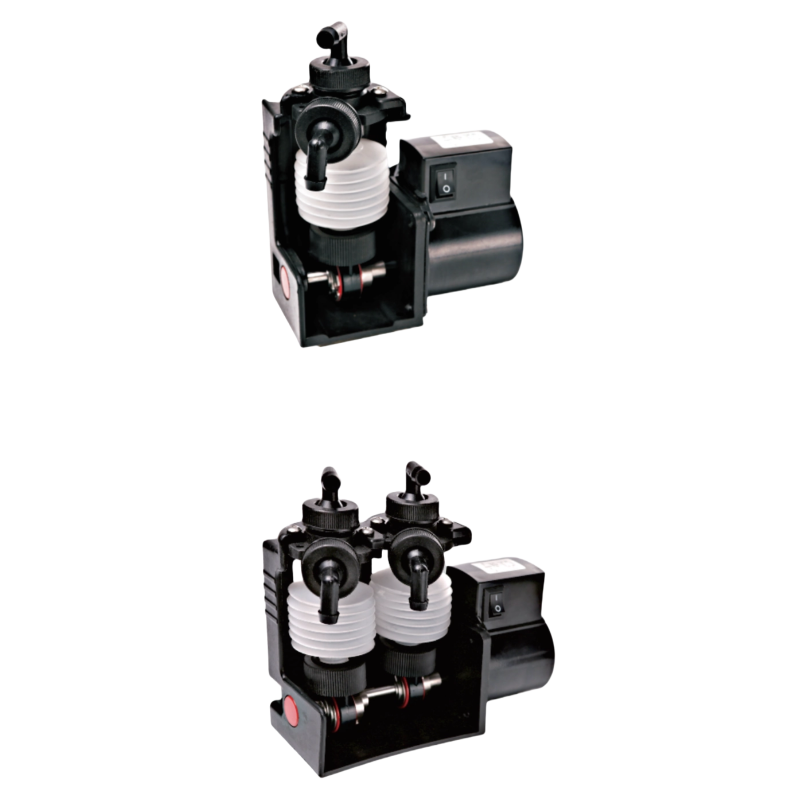
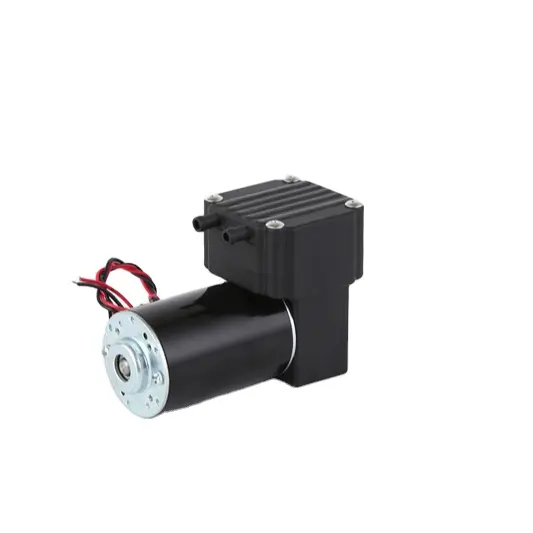
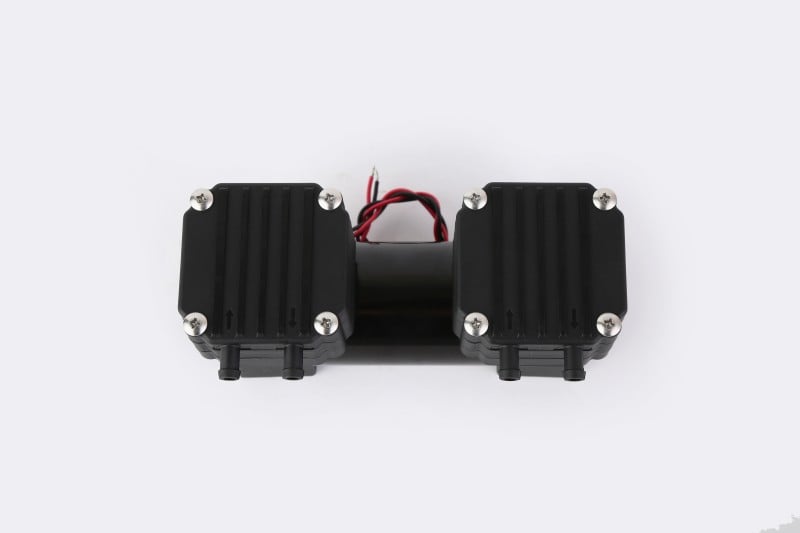
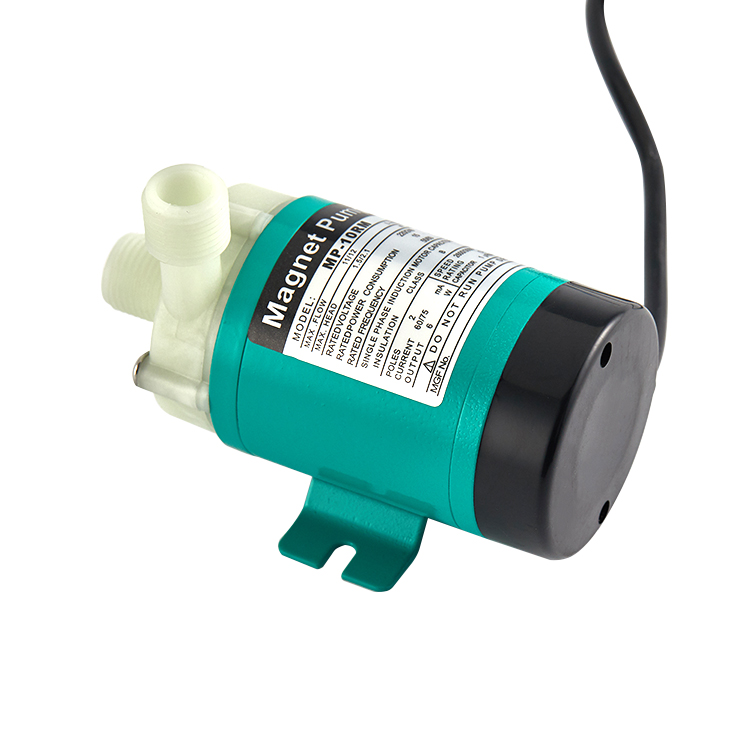
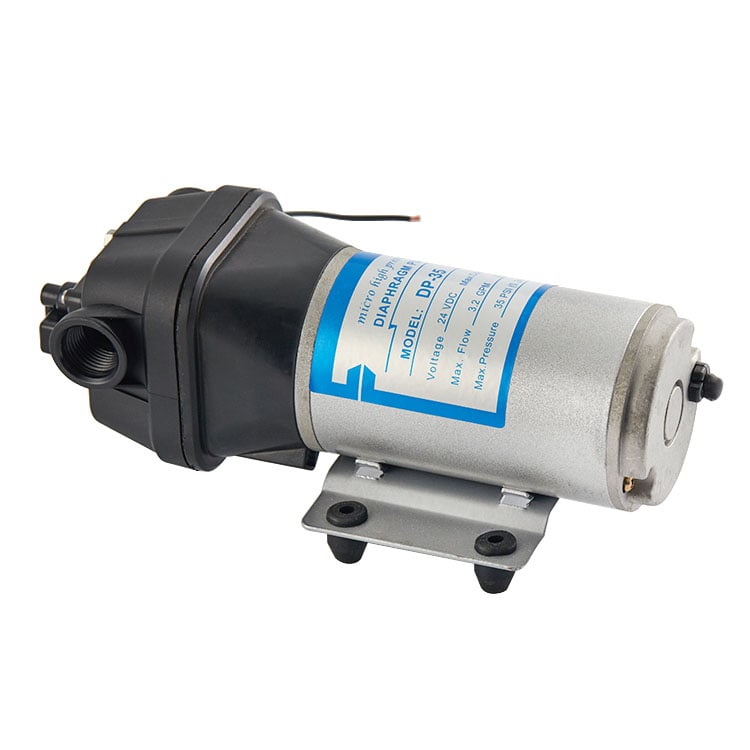
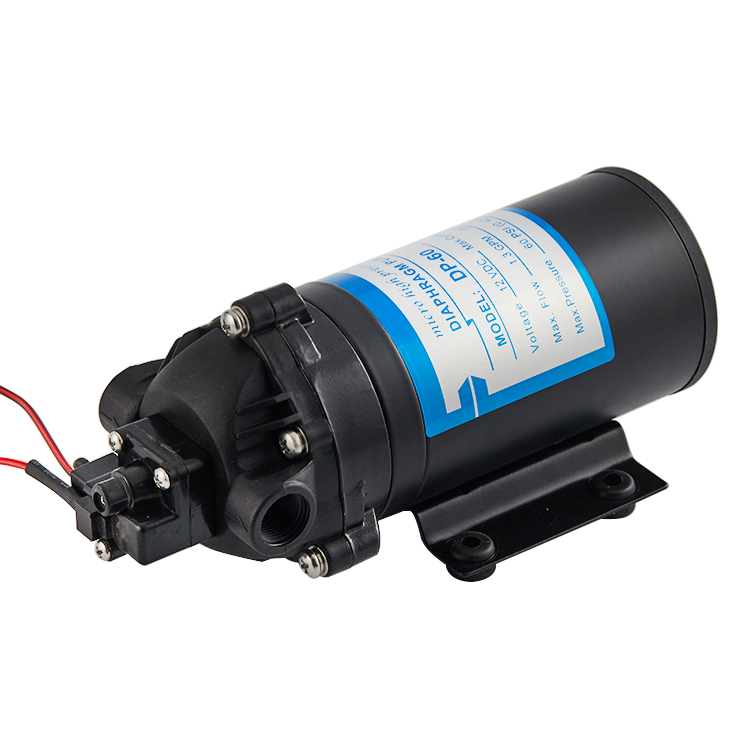
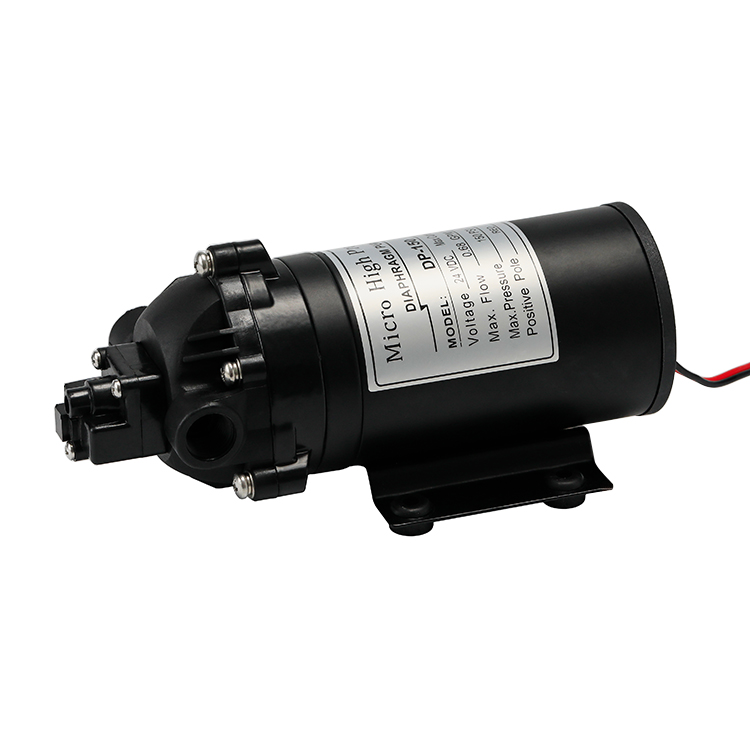
energy efficient ro pump
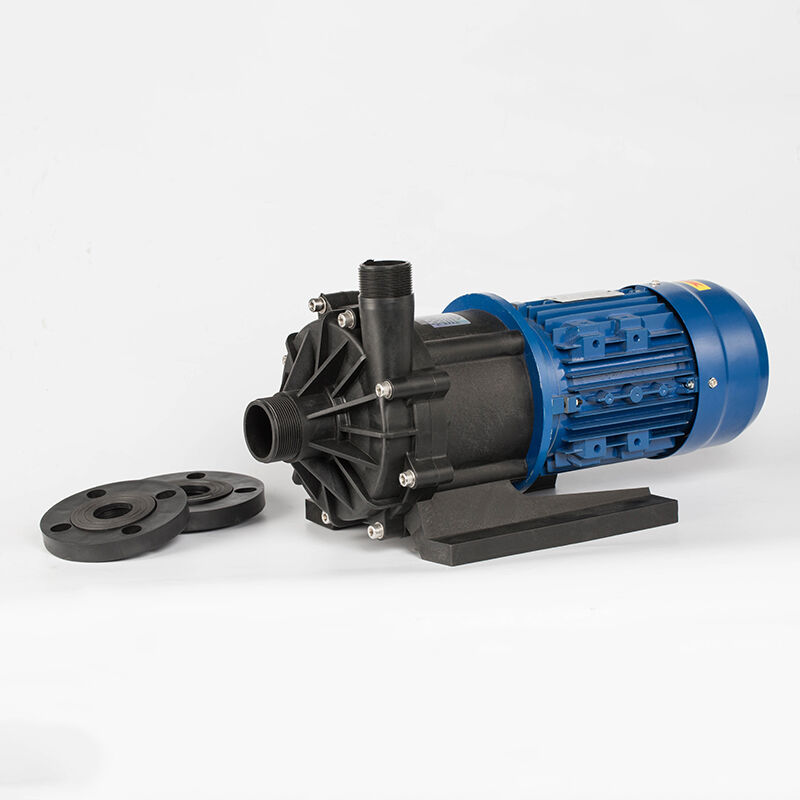
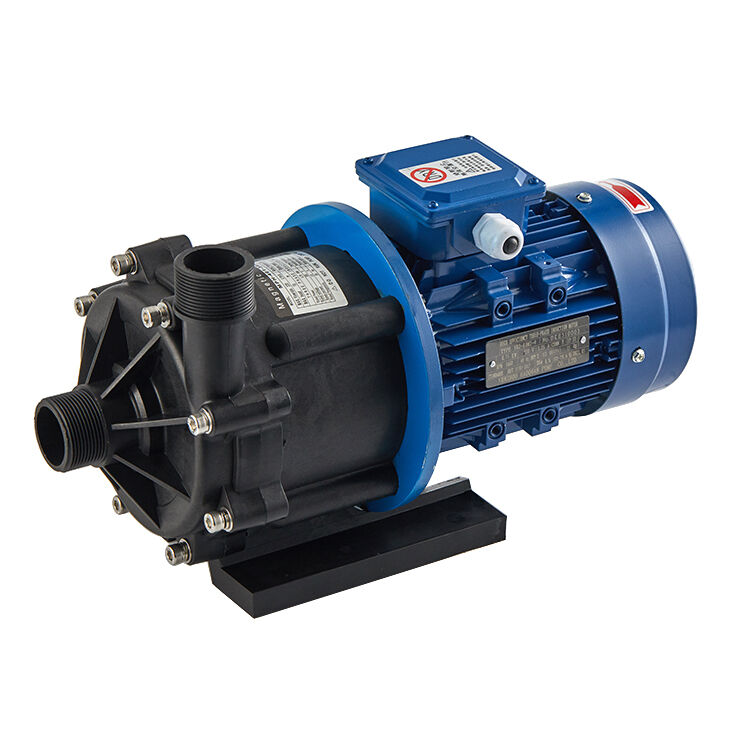
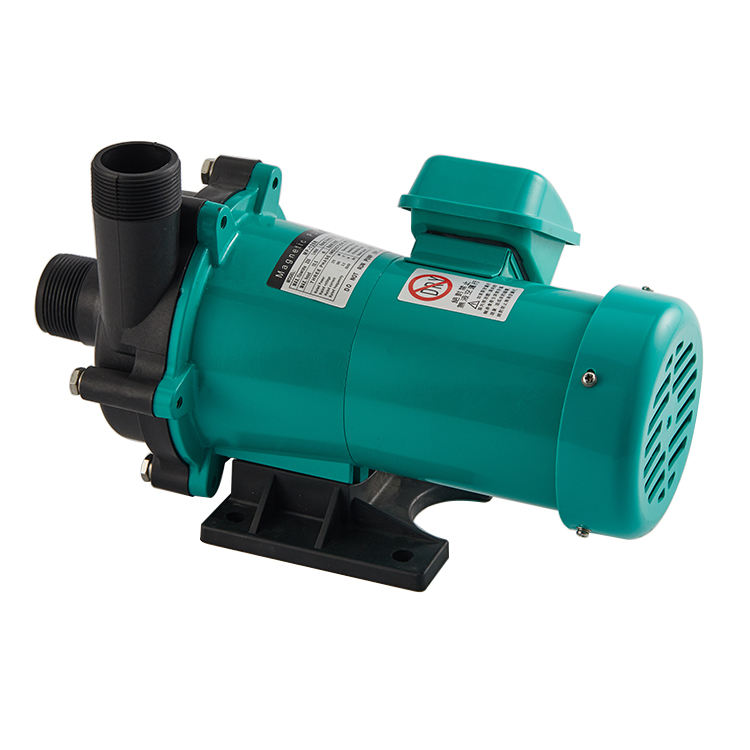
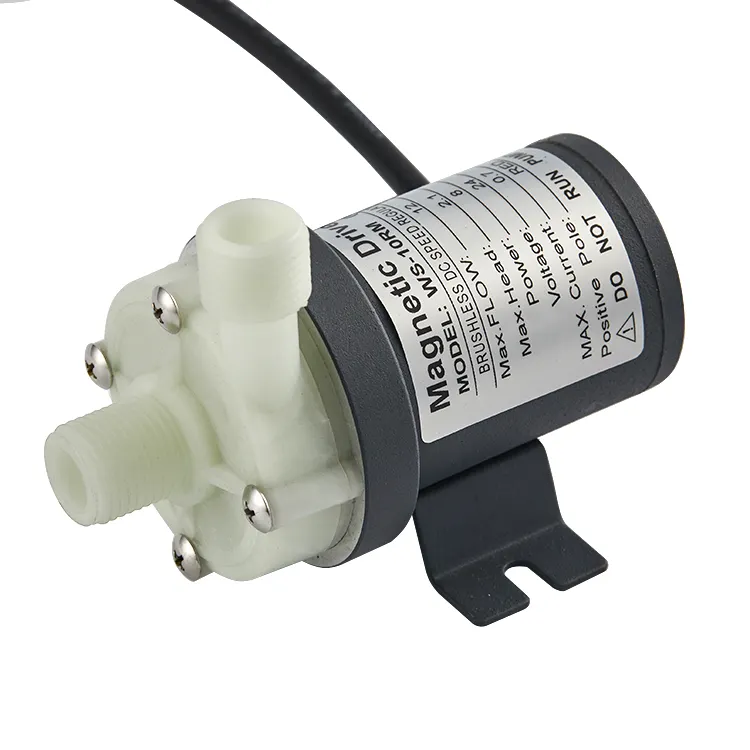
An energy efficient ro pump represents a revolutionary advancement in reverse osmosis water purification technology. This sophisticated system combines cutting-edge engineering with sustainable operational practices to deliver superior water quality while minimizing energy consumption. The energy efficient ro pump operates by forcing water through a semipermeable membrane under pressure, effectively removing contaminants, dissolved solids, and impurities. This process produces clean, purified water suitable for drinking, industrial applications, and commercial purposes. The primary function of an energy efficient ro pump is to maintain optimal pressure levels throughout the filtration process while consuming significantly less electricity than conventional models. Technological features distinguish this equipment from standard alternatives. Advanced motor designs reduce energy waste, while intelligent pressure management systems automatically adjust operations based on water conditions and demand. The energy efficient ro pump incorporates variable frequency drives that optimize motor speed, smart sensors that monitor system performance, and high-efficiency pump configurations that maximize water production per watt consumed. These innovations work together to create a system that performs exceptionally while reducing operational costs. Applications for the energy efficient ro pump span residential, commercial, and industrial sectors. Homeowners benefit from improved water quality and lower utility bills, while businesses use these systems for beverage production, pharmaceutical manufacturing, and wastewater treatment. The energy efficient ro pump serves desalination plants, restaurants, hospitals, and laboratories seeking reliable, cost-effective water purification solutions that align with modern sustainability standards.

 EN
EN