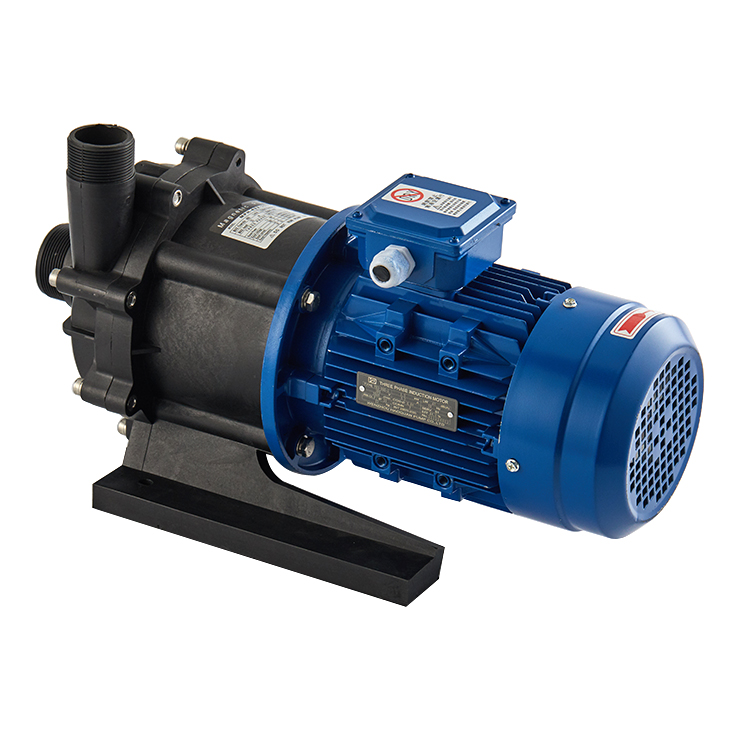
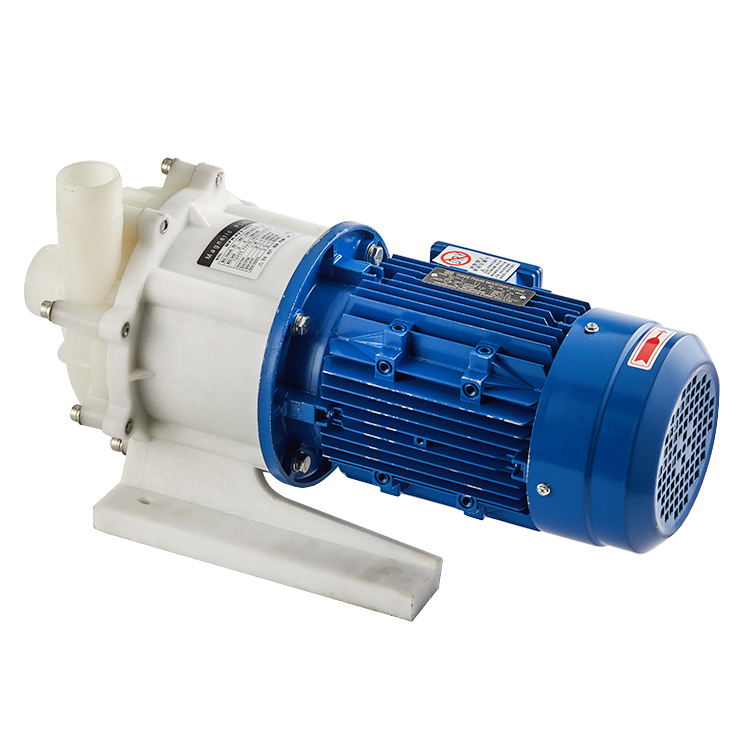
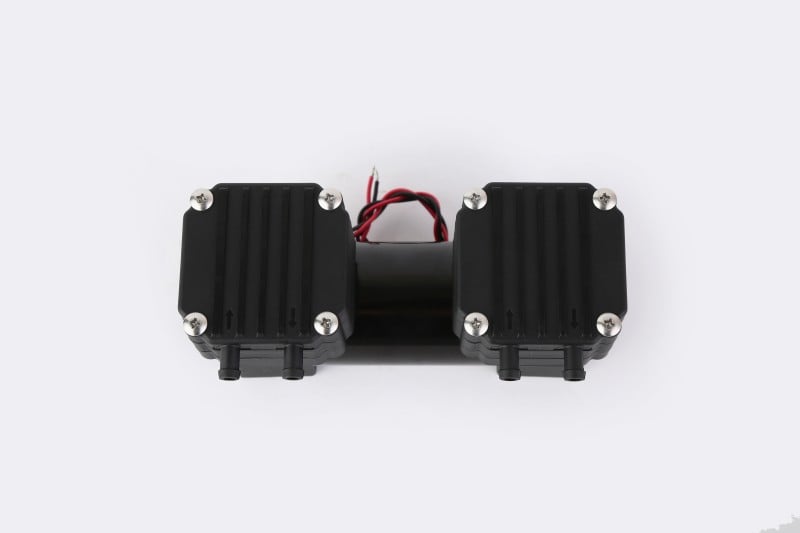
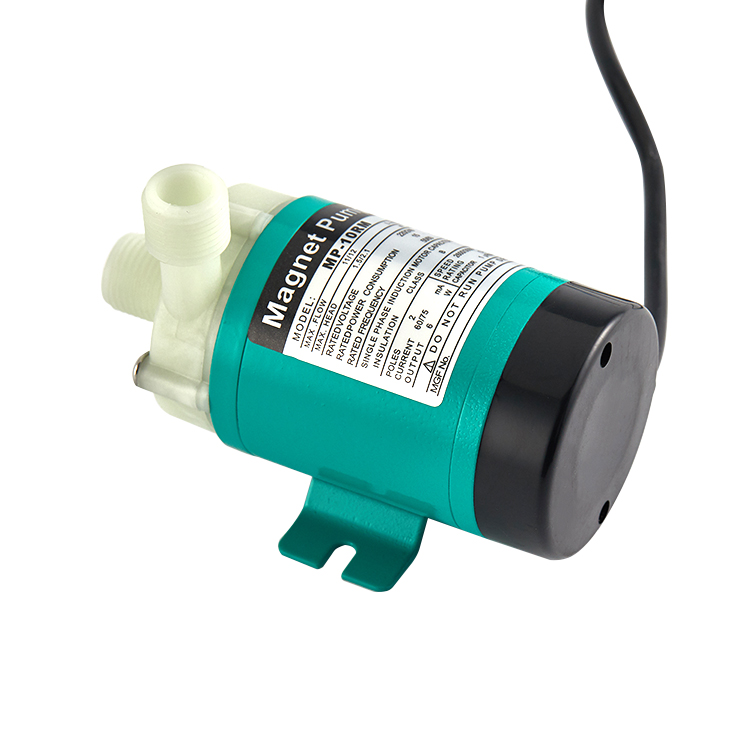
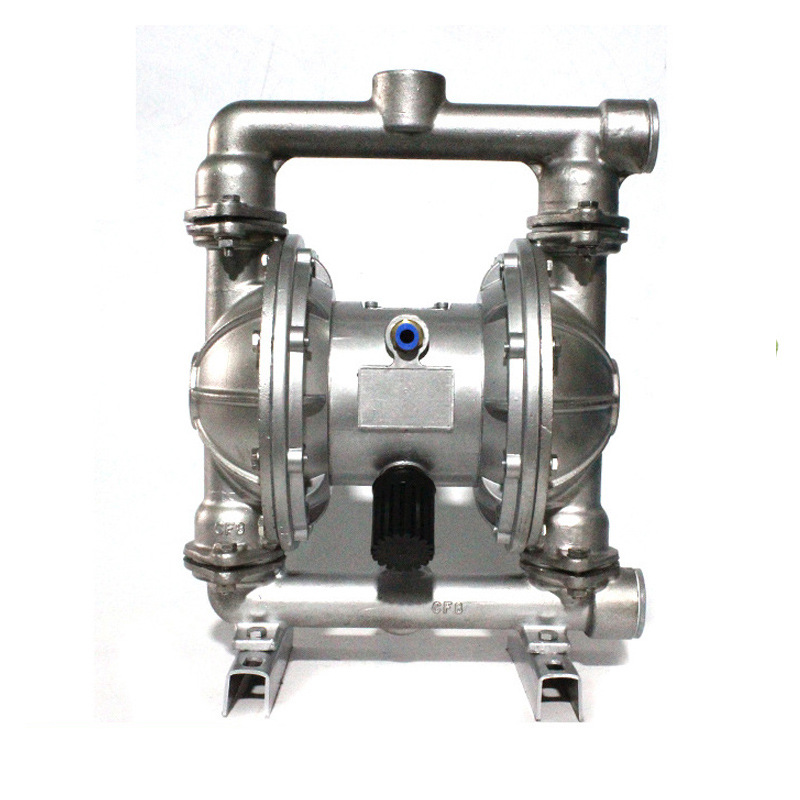
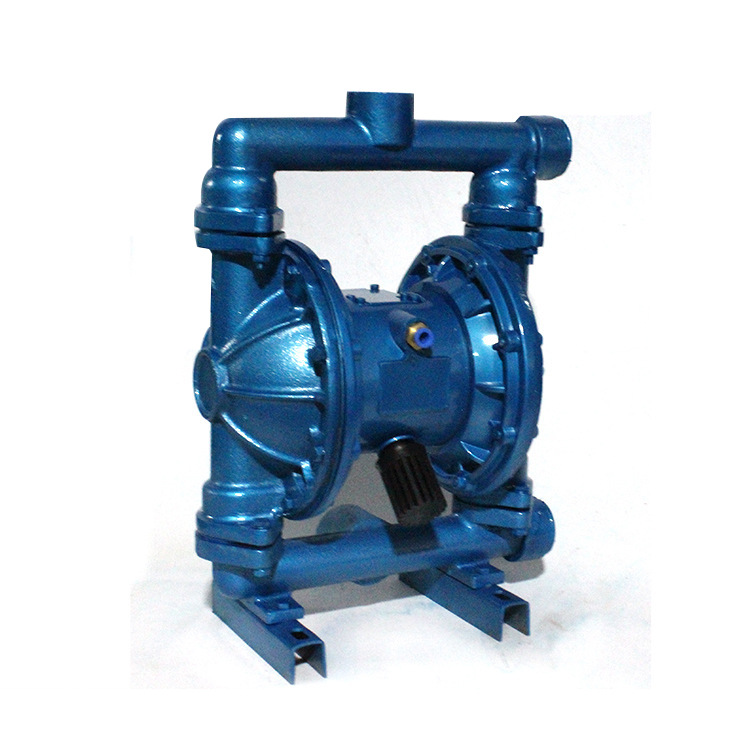
selfpriming pneumatic diaphragm pump
A selfpriming pneumatic diaphragm pump represents an innovative fluid handling solution designed to move liquids with minimal setup complexity. This type of pump operates using compressed air to drive an internal diaphragm mechanism, eliminating the need for external priming procedures. The selfpriming pneumatic diaphragm pump automatically fills its chambers with fluid, making it exceptionally convenient for applications where traditional pumps struggle. The technology behind this equipment involves dual diaphragms that flex and compress in synchronized patterns, creating pressure differentials that propel liquid through the system. Main functions include transferring viscous liquids, handling corrosive chemicals, and managing abrasive slurries without component degradation. Technological features encompass air-operated design, non-corrosive material construction, and sealed chamber architecture. The selfpriming pneumatic diaphragm pump operates efficiently across various flow rates and pressure ranges, adapting to diverse industrial demands. Applications span chemical processing, pharmaceutical manufacturing, food production, wastewater management, and agricultural operations. These pumps deliver reliable performance in remote locations lacking electrical infrastructure, making them indispensable for construction sites and outdoor environments. The inherent simplicity of the selfpriming pneumatic diaphragm pump design ensures minimal maintenance requirements and extended operational lifespan. Industries value this equipment for its versatility, dependability, and cost-effectiveness in demanding conditions.

 EN
EN